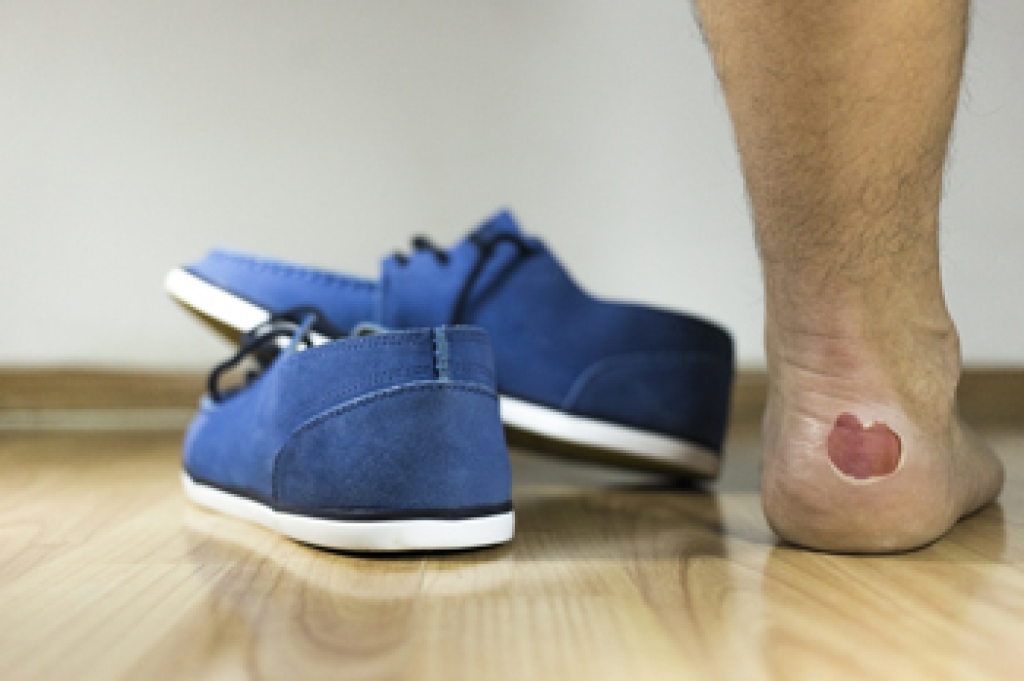
Is Popping a Blister Bad?

Blisters are quite a common form of foot affliction that can affect a wide variety of people. Blisters are filled with fluid and often develop on the feet in response to friction placed on the affected area. Other times, blisters can form on the feet in response to burns. Some individuals with this condition have the urge to pop these blisters. However, it is important to note that popping certain kinds of blisters is not recommended and may be dangerous. For example, it is generally not advisable to pop a burn blister. These blisters can be highly susceptible to infection. Sometimes, these blisters might pop on their own. In this case, you might consider keeping the blister covered. Maintaining moisture in the wound, perhaps with ointment, might also be beneficial. Contact a podiatrist today for more information.

Blisters are prone to making everyday activities extremely uncomfortable. If your feet are hurting, contact Rahil Baxamusa, DPM of Illinois. Our doctor can provide the care you need to keep you pain-free and on your feet.

Foot Blisters

Foot blisters develop as a result of constantly wearing tight or ill-fitting footwear. This happens due to the constant rubbing from the shoe, which can often lead to pain.

What Are Foot Blisters?

A foot blister is a small fluid-filled pocket that forms on the upper-most layer of the skin. Blisters are filled with clear fluid and can lead to blood drainage or pus if the area becomes infected.

How Do Blisters Form?

Blisters on the feet are often the result of constant friction of skin and material, usually by shoe rubbing. Walking in sandals, boots, or shoes that don’t fit properly for long periods of time can result in a blister. Having consistent foot moisture and humidity can easily lead to blister formation.

Prevention & Treatment

It is important to properly care for the affected area in order to prevent infection and ease the pain. Do not lance the blister and use a Band-Aid to provide pain relief. Also, be sure to keep your feet dry and wear proper fitting shoes. If you see blood or pus in a blister, seek assistance from a podiatrist.

If you have any questions, please feel free to contact our office located in Crystal Lake, IL . We offer the newest diagnostic and treatment technologies for all your foot care needs.


Read more about Blisters

Foods That Cause or Worsen Gout

Gout is a type of inflammatory arthritis that results in swelling and severe pain in joints. It often shows itself in the big toe joint first. This condition comes on from having high uric acid levels in the blood and the formation of crystals in the joints. Uric acid is produced when purines, a naturally occurring substance in the body, are broken down and excess acid is not eliminated. Purines can also be found in certain foods, particularly red meats, seafood, high-sugar beverages, alcohol, and beer. It is important to limit the consumption of these foods if one is prone to gout. If you have pain in the joint of your big toe and you think it might be gout or have no idea what it could be from, see a podiatrist who can make an accurate diagnosis and provide treatment.

Gout is a foot condition that requires certain treatment and care. If you are seeking treatment, contact Rahil Baxamusa, DPM from Illinois. Our doctor will treat your foot and ankle needs.

What Is Gout?

Gout is a type of arthritis caused by a buildup of uric acid in the bloodstream. It often develops in the foot, especially the big toe area, although it can manifest in other parts of the body as well. Gout can make walking and standing very painful and is especially common in diabetics and the obese.

People typically get gout because of a poor diet. Genetic predisposition is also a factor. The children of parents who have had gout frequently have a chance of developing it themselves.

Gout can easily be identified by redness and inflammation of the big toe and the surrounding areas of the foot. Other symptoms include extreme fatigue, joint pain, and running high fevers. Sometimes corticosteroid drugs can be prescribed to treat gout, but the best way to combat this disease is to get more exercise and eat a better diet.

If you have any questions, please feel free to contact our office located in Crystal Lake, IL . We offer the newest diagnostic and treatment technologies for all your foot care needs.
Read more about Everything You Need to Know About Gout

Get Professional Care for a Broken Foot or Ankle

Constant care and regular evaluation are important for a foot or ankle fracture. If left untreated, foot or ankle fractures can worsen over time and create more serious problems.

Don't wait to be examined if you believe you've experienced a foot or ankle fracture.

Tarsal Tunnel Release Surgery

Tarsal tunnel release surgery is a procedure that can help relieve pain and numbness from a condition known as tarsal tunnel syndrome. The tarsal tunnel is located between the bump on the inner ankle and the ligaments that stretch across the foot. This surgery is done to take off pressure on a nerve in this area. This type of surgery can be done endoscopically or open – the former requires fewer and smaller incisions than the latter. One is given anesthesia to either numb the surgery area or induce sleep prior to the surgery being performed so as not to feel pain. The ligament in the ankle will be cut to relieve the pressure on the tibial nerve and any spurs or cysts contributing to discomfort will be removed. Since weight cannot be put on the ankle right after the surgery but movement is necessary to prevent blood clots, exercises will be suggested. If you have pain in this part of your foot, see a podiatrist who can make a proper diagnosis and evaluate whether you are a candidate for tarsal tunnel release surgery.

Tarsal tunnel syndrome can be very uncomfortable to live with. If you are experiencing tarsal tunnel syndrome, contact Rahil Baxamusa, DPM of Illinois. Our doctor can provide the care you need to keep you pain-free and on your feet.

Tarsal Tunnel Syndrome

Tarsal tunnel syndrome, which can also be called tibial nerve dysfunction, is an uncommon condition of misfiring peripheral nerves in the foot. The tibial nerve is the peripheral nerve in the leg responsible for sensation and movement of the foot and calf muscles. In tarsal tunnel syndrome, the tibial nerve is damaged, causing problems with movement and feeling in the foot of the affected leg.

Common Cause of Tarsal Tunnel Syndrome

  • Involves pressure or an injury, direct pressure on the tibial nerve for an extended period of time, sometimes caused by other body structures close by or near the knee.
  • Diseases that damage nerves, including diabetes, may cause tarsal tunnel syndrome.
  • At times, tarsal tunnel syndrome can appear without an obvious cause in some cases.

The Effects of Tarsal Tunnel Syndrome

  • Different sensations, an afflicted person may experience pain, tingling, burning or other unusual sensations in the foot of the affected leg.
  • The foot muscles, toes and ankle become weaker, and curling your toes or flexing your foot can become difficult.
  • If condition worsens, infections and ulcers may develop on the foot that is experiencing the syndrome.

A physical exam of the leg can help identify the presence of tarsal tunnel syndrome. Medical tests, such as a nerve biopsy, are also used to diagnose the condition. Patients may receive physical therapy and prescriptive medication. In extreme cases, some may require surgery.

If you have any questions please contact our office located in Crystal Lake, IL . We offer the newest diagnostic and treatment technologies for all your foot and ankle needs.

Read more about Tarsal Tunnel Syndrome

What Do Cracked Heels Mean?

When an individual develops cracked heels, they might notice several things. First, they might see deep cracks, or fissures, on the back of the heel due to a lack of moisture. Second, although many cases are painless, severe cases of cracked heels can be accompanied by pain. Importantly, a case of cracked heels might signal other potential problems to be aware of. It is possible that heel fissures might point to some kind of vitamin deficiency. In others, heel fissures could signal that the individual has developed a related fungal infection. Still in others, some cases of cracked heels might mean that the individual is simply aging. As someone grows older as a senior citizen, they become more susceptible to certain kinds of foot conditions. If you have cracked heels, contact a podiatrist today for assistance.

Cracked heels are unsightly and can cause further damage to your shoes and feet. If you have any concerns, contact Rahil Baxamusa, DPM from Illinois. Our doctor can provide the care you need to keep you pain-free and on your feet.

Cracked Heels

Cracked heels appear unappealing and can make it harder for you walk around in sandals. Aside from looking unpleasant, cracked heels can also tear stockings, socks, and wear out your shoes. There are several methods to help restore a cracked heel and prevent further damage.

How Do You Get Them?

Dry skin is the number one culprit in creating cracked heels. Many athletes, walkers, joggers, and even swimmers suffer from cracked heels. Age and skin oil production play a role to getting cracked heels as well.

Promote Healing

Over the counter medicines can help, especially for those that need instant relief or who suffer from chronic dry feet.

Wear Socks – Wearing socks with medicated creams helps lock in moisture.

Moisturizers – Applying both day and night will help alleviate dryness which causes cracking.

Pumice Stones – These exfoliate and remove dead skin, which allows for smoother moisturizer application and better absorption into the skin. 

Change in Diet

Eating healthy with a well-balanced diet will give the skin a fresh and radiant look. Your body responds to the kinds of food you ingest. Omega-3 fatty acids and zinc supplements can also revitalize skin tissue.

Most importantly, seek professional help if unsure how to proceed in treating cracked heels. A podiatrist will help you with any questions or information needed. 

If you have any questions, please feel free to contact our office located in Crystal Lake, IL . We offer the newest diagnostic and treatment technologies for all your foot care needs.

Read more about Solutions for Cracked Heels

Connect With Us