
Cellulitis: A Noninfectious Infection

Cellulitis is a non-contagious infection that affects the tissue underneath the skin and can impact any part of the body. It usually starts in areas where the skin has been broken in some way, however, people who have immunodeficiencies can sometimes develop cellulitis in skin that has not been broken. Although various forms of bacteria can cause cellulitis, group A streptococcus and Staphylococcus aureus are the most common. It is important to try to prevent cuts and scrapes in your child’s skin which may be difficult if they play a sport or are otherwise physically active. Protective gear such as elbow and knee pads, shin guards, and bike helmets, can help your child from breaking their skin. If they go on a hike, have them wear a long-sleeved shirt and long pants, and sandals on the beach. Call a podiatrist if you see areas on your child’s feet that are red, warm, swollen, and tender. Additional warning signs include fever, chills/sweats, or swollen lymph nodes near the affected area. Your child’s podiatrist may need to take a blood sample to make sure the infection has not spread into your child’s bloodstream.

Making sure that your children maintain good foot health is very important as they grow. If you have any questions, contact Rahil Baxamusa, DPM of Illinois. Our doctor can provide the care you need to keep you pain-free and on your feet.

Keeping Children's Feet Healthy

Having healthy feet during childhood can help prevent medical problems later in life, namely in the back and legs. As children grow, their feet require different types of care. Here are some things to consider...

Although babies do not walk yet, it is still very important to take care of their feet.

Avoid putting tight shoes or socks on his or her feet.

Allow the baby to stretch and kick his or her feet to feel comfortable.

As a toddler, kids are now on the move and begin to develop differently. At this age, toddlers are getting a feel for walking, so don’t be alarmed if your toddler is unsteady or ‘walks funny’. 

As your child gets older, it is important to teach them how to take care of their feet.

Show them proper hygiene to prevent infections such as fungus.

Be watchful for any pain or injury.

Have all injuries checked by a doctor as soon as possible.

Comfortable, protective shoes should always be worn, especially at play.

If you have any questions, please feel free to contact our office located in Crystal Lake, IL . We offer the newest diagnostic and treatment technologies for all your foot care needs.
Read more about What to Do to Keep Your Child’s Feet Healthy

Types of Athlete’s Foot

There are several types of fungi that are classified as dermatophytes which can cause skin infections, including athlete’s foot. There are different types of athlete’s foot, and each have their own symptoms. The most common form of athlete's foot is called chronic interdigital athlete’s foot, and the skin is generally itchy between the fourth and fifth toes. It can develop by wearing shoes that are too tight, creating a moist environment that can encourage fungal growth. Chronic scaly athlete's foot, which is also referred to as moccasin-type, can be found on the sole of the foot. The skin is typically dry, and underneath it can be pink and tender. The least common type of this kind of skin infection is referred to as acute vesicular athlete’s foot. The symptoms that are associated with this can consist of blisters that develop on the bottom or top of the foot, and is caused by multiple fungi. Athlete's foot is considered to be contagious, and it is advised to wear appropriate footwear while in public swimming pools, locker rooms, and standing on shower room floors. If you have signs of this skin infection, please consult with a podiatrist as quickly as possible who can start you with the appropriate treatment.

Athlete’s foot is an inconvenient condition that can be easily reduced with the proper treatment. If you have any concerns about your feet and ankles, contact Rahil Baxamusa, DPM from Illinois.  Our doctor will treat your foot and ankle needs.

Athlete’s Foot: The Sole Story

Athlete's foot, also known as tinea pedis, can be an extremely contagious foot infection. It is commonly contracted in public changing areas and bathrooms, dormitory style living quarters, around locker rooms and public swimming pools, or anywhere your feet often come into contact with other people.

Solutions to Combat Athlete’s Foot

  • Hydrate your feet by using lotion
  • Exfoliate
  • Buff off nails
  • Use of anti-fungal products
  • Examine your feet and visit your doctor if any suspicious blisters or cuts develop

Athlete’s foot can cause many irritating symptoms such as dry and flaking skin, itching, and redness. Some more severe symptoms can include bleeding and cracked skin, intense itching and burning, and even pain when walking. In the worst cases, Athlete’s foot can cause blistering as well. Speak to your podiatrist for a better understanding of the different causes of Athlete’s foot, as well as help in determining which treatment options are best for you.

If you have any questions please feel free to contact our office located in Crystal Lake, IL . We offer the newest diagnostic and treatment technologies for all your foot and ankle needs.

Read more about Athlete's Foot

Causes and Symptoms of Turf Toe

Turf toe is an injury that occurs when the big toe is bent past 90 degrees and the heel is high off the ground. Imagine a runner or football player in the starting position. Pushing off forcefully can cause the joint to extend beyond its natural range of motion. That in turn causes the tissues in the joint to be stretched or torn. Turf toe can also be the result of actions repeated over a long period, such as a ballet dancer jumping or leaping. It can also be caused by trauma, such as  when an athlete makes a sudden change of direction while running. There are three grades of turf toe. Grade 1 is when the tissue is stretched, but not torn. Symptoms include mild pain and swelling. Grade 2 is when the tissue is partially torn, causing intense discomfort over a broader area, along with swelling and some bruising. In Grade 3 injuries, the tissue is more severely torn, and the joint may become dislocated. Pain and swelling increases, and it is difficult to move the toe, let alone participate in physical activity. If you believe you have some form of turf toe, please consult a podiatrist for an immediate exam, diagnosis, and treatment options. 

Toe pain can disrupt your daily activities. If you have any concerns, contact Rahil Baxamusa, DPM of Illinois. Our doctor can provide the care you need to keep you pain-free and on your feet.

What Causes Toe Pain?

Most severe toe pain is caused due to a sports injury, trauma from dropping something heavy on the toe, or bumping into something rigid. Other problems can develop over time for various reasons.

Toe pain can be caused by one or more ailments. The most common include:

  • Trauma
  • Sports injury
  • Wearing shoes that are too tight
  • Arthritis
  • Gout
  • Corns and calluses
  • Hammertoe
  • Bunions
  • Blisters
  • Ingrown toenails
  • Sprains
  • Fractures (broken bones)
  • Dislocations

When to See a Podiatrist

  • Severe pain
  • Persistent pain that lasts more than a week
  • Signs of infection
  • Continued swelling
  • Pain that prevents walking

Diagnosis

In many cases the cause of toe pain is obvious, but in others, a podiatrist may want to use more advanced methods to determine the problem. These can range from simple visual inspections and sensation tests to X-rays and MRI scans. Prior medical history, family medical history, and any recent physical traumatic events will all be taken into consideration for a proper diagnosis.

Treatment

Treatments for toe pain and injuries vary and may include shoe inserts, padding, taping, medicines, injections, and in some cases, surgery. If you believe that you have broken a toe, please see a podiatrist as soon as possible.

If you have any questions please contact our office located in Crystal Lake, IL . We offer the newest diagnostic and treatment technologies for all your foot and ankle needs.

Read more about Toe Pain

Possible Complications From Cuboid Syndrome

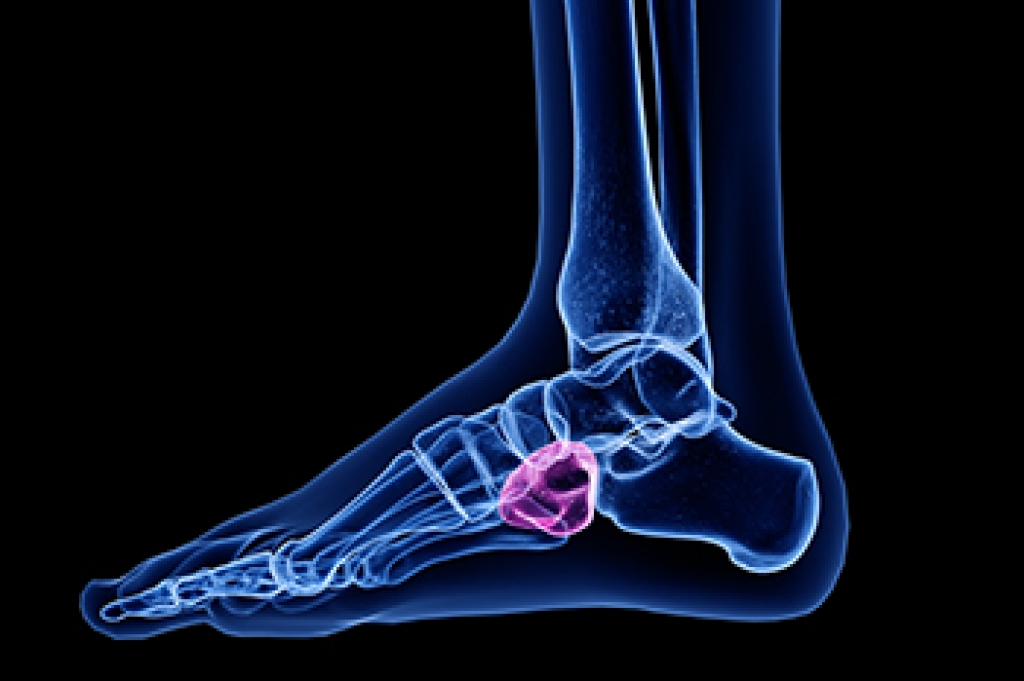
The location of the cuboid bone is on the outside of the foot. When this bone becomes fractured or injured it is referred to as cuboid syndrome. The cuboid bone is the only part of the foot that supports the fourth and fifth toes which significantly contribute to foot movements. Many people who suffer from a cuboid fracture may experience mobility problems and they may have a limited range of motion. This can make it difficult to complete everyday activities and the fracture site may become bruised or appear swollen. Balance may be affected and specific stretches and exercises may need to be performed to improve flexibility and strength of the overall foot. Cuboid syndrome or a fracture may lead to the development of degenerative arthritis. This may be a result of a loss or damage that has been done to the cartilage and the bones may rub together. This can be a serious foot condition. If you are afflicted with foot pain and think it may be cuboid syndrome, please consult with a podiatrist who can offer you the best treatment methods.

Cuboid syndrome, also known as cuboid subluxation, occurs when the joints and ligaments near the cuboid bone in the foot become torn. If you have cuboid syndrome, consult with Rahil Baxamusa, DPM from Illinois. Our doctor will assess your condition and provide you with quality foot and ankle treatment.

Cuboid syndrome is a common cause of lateral foot pain, which is pain on the outside of the foot. The condition may happen suddenly due to an ankle sprain, or it may develop slowly overtime from repetitive tension through the bone and surrounding structures.

Causes

The most common causes of cuboid syndrome include:

  • Injury – The most common cause of this ailment is an ankle sprain.
  • Repetitive Strain – Tension placed through the peroneus longus muscle from repetitive activities such as jumping and running may cause excessive traction on the bone causing it to sublux.
  • Altered Foot Biomechanics – Most people suffering from cuboid subluxation have flat feet.

Symptoms

A common symptom of cuboid syndrome is pain along the outside of the foot which can be felt in the ankle and toes. This pain may create walking difficulties and may cause those with the condition to walk with a limp.

Diagnosis

Diagnosis of cuboid syndrome is often difficult, and it is often misdiagnosed. X-rays, MRIs and CT scans often fail to properly show the cuboid subluxation. Although there isn’t a specific test used to diagnose cuboid syndrome, your podiatrist will usually check if pain is felt while pressing firmly on the cuboid bone of your foot.

Treatment

Just as the range of causes varies widely, so do treatments. Some more common treatments are ice therapy, rest, exercise, taping, and orthotics.

If you have any questions, please feel free to contact our office located in Crystal Lake, IL . We offer the newest diagnostic and treatment technologies for all your foot care needs.
Read more about Cuboid Syndrome

Connect With Us