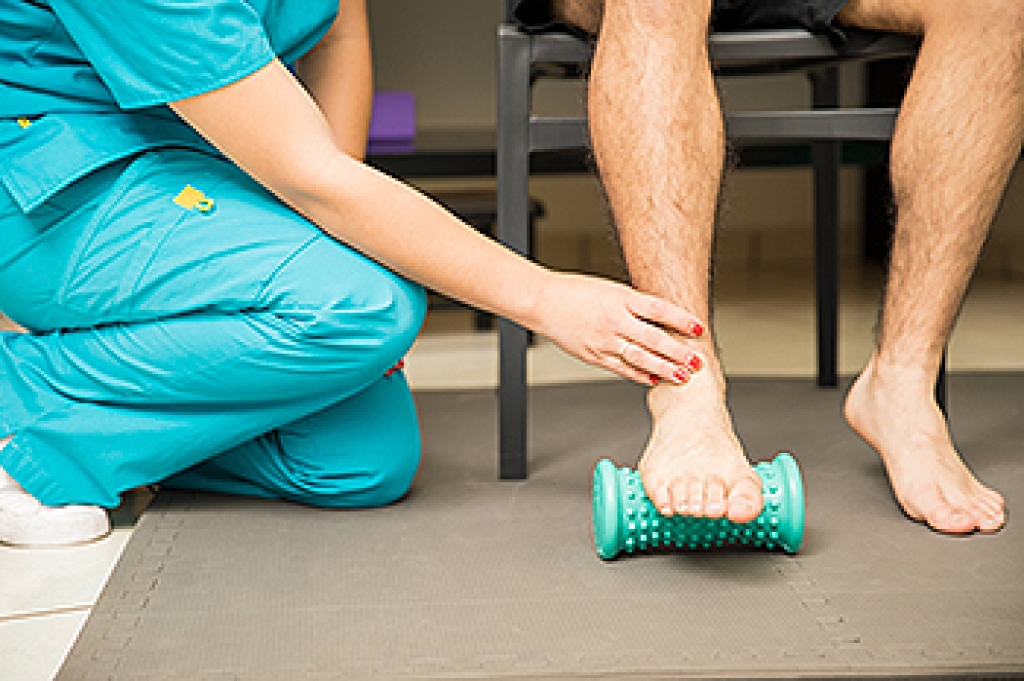
How Plantar Fasciitis Is Treated

Plantar Fasciitis is a common foot ailment that causes pain in the heel of the foot. The facia, or band of tissue that connects the heel to the toes, becomes irritated and inflamed. This condition usually occurs from poor weight distribution on the foot or excessive or repetitive movement. It is common in runners and those who stand on their feet for a long time. Risk factors include tight calf muscles, age, poor arch support, being overweight, and wearing footwear that does not have proper support or structure. Those who suffer from plantar fasciitis usually feel pain upon waking up after a night’s rest. Pain can be alleviated by resting, staying off the feet, applying ice to the affected area, exercising the foot, wearing comfortable, supportive shoes with insoles, and wearing compression socks. Additional pain relievers can be employed if the above does not work. If you suffer from pain of plantar fasciitis, it is suggested that you see a podiatrist who can evaluate the severity of the condition and offer appropriate treatment options.

Plantar fasciitis can be very painful and inconvenient. If you are experiencing heel pain or symptoms of plantar fasciitis, contact Rahil Baxamusa, DPM  from Illinois. Our doctor can provide the care you need to keep you pain-free and on your feet.

What Is Plantar Fasciitis?

Plantar fasciitis is the inflammation of the thick band of tissue that runs along the bottom of your foot, known as the plantar fascia, and causes mild to severe heel pain.

What Causes Plantar Fasciitis?

  • Excessive running
  • Non-supportive shoes
  • Overpronation
  • Repeated stretching and tearing of the plantar fascia

How Can It Be Treated?

  • Conservative measures – anti-inflammatories, ice packs, stretching exercises, physical therapy, orthotic devices
  • Shockwave therapy – sound waves are sent to the affected area to facilitate healing and are usually used for chronic cases of plantar fasciitis
  • Surgery – usually only used as a last resort when all else fails. The plantar fascia can be surgically detached from the heel

While very treatable, plantar fasciitis is definitely not something that should be ignored. Especially in severe cases, speaking to your doctor right away is highly recommended to avoid complications and severe heel pain. Your podiatrist can work with you to provide the appropriate treatment options tailored to your condition.

If you have any questions, please feel free to contact our office located in Crystal Lake, IL . We offer the newest diagnostic and treatment technologies for all your foot care needs.

Read more about Plantar Fasciitis

Ingrown Toenails May Become Infected if Not Treated Promptly

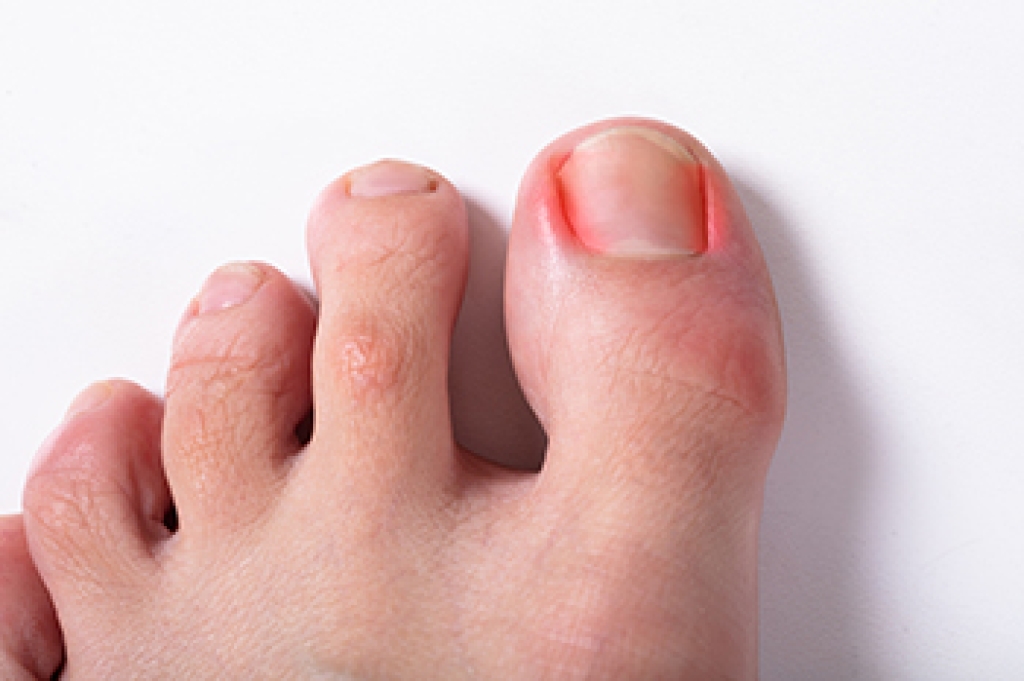
An ingrown toenail is easy to notice. The side of the toenail grows into the skin instead of over it. It can be quite uncomfortable, and in severe cases, may bleed, and become infected. It can happen for a variety of reasons, such as wearing shoes that do not have enough room in the toe area, having endured a toe injury, or from trimming the toenails improperly. Genetic reasons may contribute to getting an ingrown toenail, and this may account for people who naturally have curved toenails, or have toenails that are too large for their toes. Common symptoms that are associated with ingrown toenails include redness, swelling, and pain. The affected toe may temporarily feel better when it is soaked in warm water, which can soften the nail. This may make it easier to pull the skin away from the toe, despite the fact it may not last. If you have an ingrown toenail, there is a chance it can become infected, and it is strongly advised that you consult with a podiatrist as quickly as possible who can offer professional treatment. 

Ingrown toenails can become painful if they are not treated properly. For more information about ingrown toenails, contact Rahil Baxamusa, DPM of Illinois. Our doctor can provide the care you need to keep you pain-free and on your feet.

Ingrown Toenails

Ingrown toenails occur when a toenail grows sideways into the bed of the nail, causing pain, swelling, and possibly infection.

Causes

  • Bacterial infections
  • Improper nail cutting such as cutting it too short or not straight across
  • Trauma to the toe, such as stubbing, which causes the nail to grow back irregularly
  • Ill-fitting shoes that bunch the toes too close together
  • Genetic predisposition

Prevention

Because ingrown toenails are not something found outside of shoe-wearing cultures, going barefoot as often as possible will decrease the likeliness of developing ingrown toenails. Wearing proper fitting shoes and using proper cutting techniques will also help decrease your risk of developing ingrown toenails.

Treatment

Ingrown toenails are a very treatable foot condition. In minor cases, soaking the affected area in salt or antibacterial soaps will not only help with the ingrown nail itself, but also help prevent any infections from occurring. In more severe cases, surgery is an option. In either case, speaking to your podiatrist about this condition will help you get a better understanding of specific treatment options that are right for you.

If you have any questions, please feel free to contact our office located in Crystal Lake, IL . We offer the newest diagnostic and treatment technologies for all your foot care needs.

Read more about Ingrown Toenail Care

Stay Safe While Being Active This Summer

For many, summertime means time to get out and get active. Before trying a new sport or physical activity, be sure to properly stretch and gradually increase intensity to prevent injuries.

If you need treatment for an injury or would like to learn about injury prevention, schedule an appointment.

Food Servers and Foot Care

Many individuals earn their living by working as food servers, waiters, or waitresses. If you work as a food server, you are no doubt familiar with the fact that food servers spend the majority of the day working on their feet. Whether you are walking to and from the kitchen or carrying heavy dishes of food to tables, you spend a significant amount of the work day putting pressure on your feet. If you are not diligent about maintaining a foot care routine, you might be setting yourself up for a foot injury or condition. First, ensure that you are wearing the right kind of footwear on the job. Instead of wearing shoes with high heels that can increase your risk of falling during your shift, wear shoes with low, wide heels to provide stability. Second, since food servers spend such long amounts of time working on their feet, be sure to take the time you need to relax and pamper your feet. You may choose to give yourself a foot massage or to receive one professionally. These foot massages can relax muscles and ligaments in the feet, preventing tightening that could lead to injuries. Third, it is a good idea to be diligent about keeping your feet clean. For example, you might wash your feet to remove damaging bacteria, and pat them dry completely. Food servers ought to take the health of their feet seriously. If you work in the food service industry, contact a podiatrist to understand the best way to care for your feet.

While working on the feet, it is important to take the proper care of them. For more information about working on your feet, contact Rahil Baxamusa, DPM from Illinois. Our doctor will treat your foot and ankle needs.

Working on Your Feet

Standing on your feet for long periods of time can cause stress and pain in your feet. Your whole body may experience change in terms of posture, back pain, bunions, callouses and or plantar warts. There are ways to avoid these conditions with proper foot care, smart choices and correct posture.

Positive Changes

Negative heeled shoe – Choosing this shoe type places the heel slightly lower than the ball of the foot. These are great for overall foot health. Find shoes that fit you correctly.

Go barefoot – Our feet were not designed to be enclosed for all hours of the day. Try to periodically expose your feet to air.

Eliminate Pain

Foot Exercises – Performing simple exercises, incorporating yoga and doing stretches are beneficial. This will allow increased blood flow to the area and muscles of the foot.

Achilles tendon – Stretching the foot out flat on the floor will relax the calf muscles and tendon. These exercises can be performed almost anywhere. Make sure you add these exercises to your daily regimen. 

With a little bit of this information and knowing more about foot health, you will notice changes. Foot stretches and proper footwear will help with pain and prevent further issues.

If you have any questions please contact our office located in Crystal Lake, IL . We offer the newest diagnostic and treatment technologies for all your foot and ankle needs.

Read more about Working on Your Feet

Ways Diabetes Affects Your Feet

Diabetes is a systemic disease that results from a blood sugar-insulin imbalance. As this condition progresses, it can also affect other body parts, particularly the feet. A condition known as diabetic neuropathy may develop, which in turn can cause other severe health problems. Diabetic neuropathy is thought to affect about 50 percent of diabetics. Excess blood sugar can damage the blood vessels that nourish the nerves in the feet and lower legs. This can cause tingling, numbness, or burning pain that may start in the toes and spread upward. The ability to feel differences in temperature or pain in the feet can become dangerous. Muscle weakness and dizziness also may put the diabetic at further risk for falls or other injuries. Foot ulcers may develop if cuts or sores won’t heal or become infected. Because these changes may be gradual, they can easily be ignored as just a normal part of aging. However, there are a number of treatments that can reduce the effects of diabetic neuropathy. If you have diabetes, it is suggested that you consult with a podiatrist as soon as possible for guidance and treatment options.

Diabetic foot care is important in preventing foot ailments such as ulcers. If you are suffering from diabetes or have any other concerns about your feet, contact Rahil Baxamusa, DPM from Illinois. Our doctor can provide the care you need to keep you pain-free and on your feet.

Diabetic Foot Care

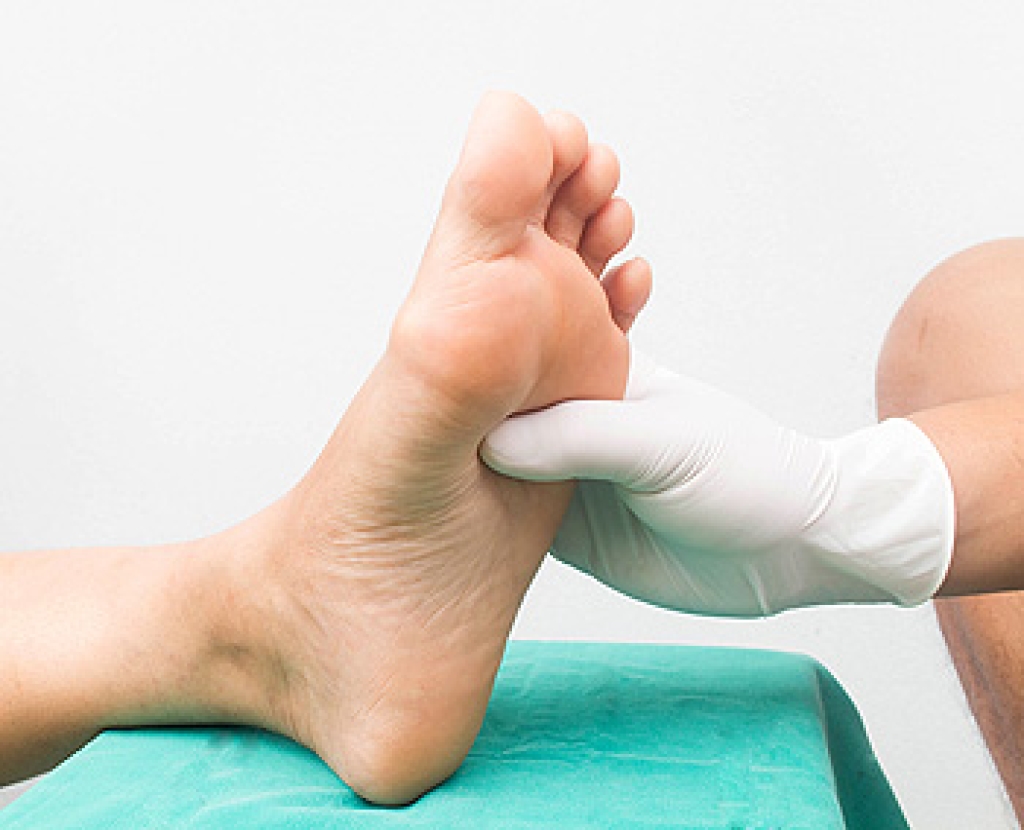
Diabetes affects millions of people every year. The condition can damage blood vessels in many parts of the body, especially the feet. Because of this, taking care of your feet is essential if you have diabetes, and having a podiatrist help monitor your foot health is highly recommended.

The Importance of Caring for Your Feet

  • Routinely inspect your feet for bruises or sores.
  • Wear socks that fit your feet comfortably.
  • Wear comfortable shoes that provide adequate support.

Patients with diabetes should have their doctor monitor their blood levels, as blood sugar levels play such a huge role in diabetic care. Monitoring these levels on a regular basis is highly advised.

It is always best to inform your healthcare professional of any concerns you may have regarding your feet, especially for diabetic patients. Early treatment and routine foot examinations are keys to maintaining proper health, especially because severe complications can arise if proper treatment is not applied.

If you have any questions, please feel free to contact our office located in Crystal Lake, IL . We offer the newest diagnostic and treatment technologies for all your foot care needs.
Read more about Diabetic Foot Care

Connect With Us