Toenail Fungus Explained

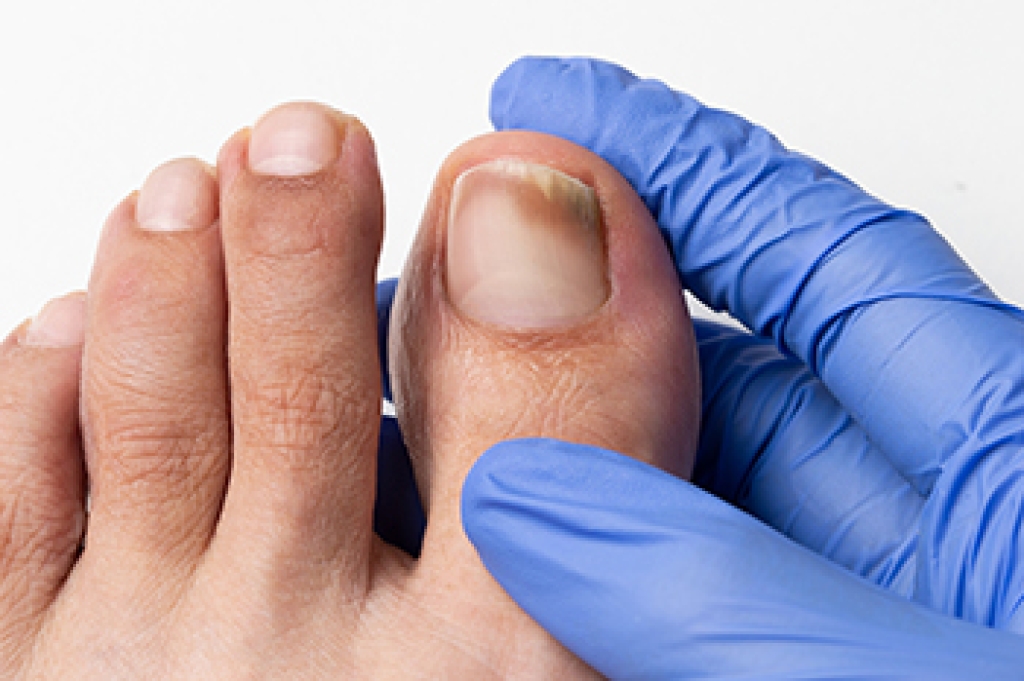
Toenail fungus, medically called onychomycosis, is a common infection affecting the nail. It develops when fungi enter through small cracks in the nail or nearby skin. An infected toenail may become thick, discolored, or difficult to trim. You may notice yellow, white, or brown changes in the nail. The nail can also develop an unusual shape or odor. Although toenail fungus is usually not dangerous, it can spread to other nails and skin without timely treatment.

Several factors can increase the risk of developing toenail fungus. Warm, damp environments allow fungi to grow easily. Sweaty feet, shared locker rooms, and tight shoes can increase exposure. Previous nail injuries may also make infection more likely. Older adults have a higher risk because nails can become thicker and grow more slowly. People with reduced circulation or certain health conditions may also face greater risk. Walking barefoot in public wet areas can increase exposure.


A podiatrist can determine whether nail changes are caused by fungus or another condition. The evaluation includes examining the nail. A small nail sample may be tested to confirm onychomycosis before treatment begins. Depending on the infection, treatment may include prescription antifungal medication, or removal of nail material. The podiatrist may also recommend keeping feet dry, changing socks, and disinfecting footwear. Follow-up visits can help monitor nail growth and confirm improvement.


Toenail fungus can take time to resolve because healthy nails must grow out. Completing the recommended treatment is important, even when the nail begins looking better. Avoid picking at damaged nails, and do not share nail clippers or footwear with others. Early care may help prevent infection from spreading. If you have toenail fungus, it is suggested that you consult a podiatrist for effective treatment solutions.

If left untreated, toenail fungus may spread to other toenails, skin, or even fingernails. If you suspect you have toenail fungus it is important to seek treatment right away. For more information about treatment, contact Rahil Baxamusa, DPM of Illinois. Our doctor can provide the care you need to keep you pain-free and on your feet.

Symptoms

  • Warped or oddly shaped nails
  • Yellowish nails
  • Loose/separated nail
  • Buildup of bits and pieces of nail fragments under the nail
  • Brittle, broken, thickened nail

Treatment

If self-care strategies and over-the-counter medications does not help your fungus, your podiatrist may give you a prescription drug instead. Even if you find relief from your toenail fungus symptoms, you may experience a repeat infection in the future.

Prevention

In order to prevent getting toenail fungus in the future, you should always make sure to wash your feet with soap and water. After washing, it is important to dry your feet thoroughly especially in between the toes. When trimming your toenails, be sure to trim straight across instead of in a rounded shape. It is crucial not to cover up discolored nails with nail polish because that will prevent your nail from being able to “breathe”.

In some cases, surgical procedure may be needed to remove the toenail fungus. Consult with your podiatrist about the best treatment options for your case of toenail fungus.  

If you have any questions please contact our office located in Crystal Lake, IL . We offer the newest diagnostic and treatment technologies for all your foot and ankle needs.

Read more about How to Treat Your Toenail Fungus

Why Are My Feet and Ankles Swollen?

Swollen feet and ankles, also called peripheral edema, occur when extra fluid builds up in the tissues around the lower legs. This common foot and ankle concern can develop after standing for long periods or sitting for hours. Mild swelling may disappear with rest, but persistent swelling can signal an underlying condition that needs attention. Common symptoms include puffiness, tight skin, and difficulty fitting into shoes. The skin may also appear stretched or shiny. Some people notice swelling that becomes worse later in the day.

Several factors can increase the risk of developing swollen feet and ankles. Long periods of standing or sitting may slow normal circulation. Excess body weight can place added stress on the lower extremities. Pregnancy, aging, and certain medications may also contribute to fluid retention. Medical conditions can play a role as well. Heart, kidney, or liver problems may affect how the body manages fluids. Venous insufficiency can also cause blood to pool in the legs. Additionally, a recent injury, infection, or blood clot can produce localized swelling that requires prompt medical attention.


A podiatrist begins by reviewing your symptoms and medical history. A physical examination can help identify tenderness, skin changes, and areas of swelling. Depending on the findings, imaging or other testing may be recommended to identify the underlying cause. Treatment depends on what is causing the swelling. Your podiatrist may recommend supportive footwear, compression strategies, or activity changes, when appropriate. If an infection, injury, or other condition is suspected, treatment will focus on addressing that problem. Follow-up visits can help monitor progress and adjust care.


Knowing the cause of swollen feet and ankles is important because treatment should address more than the visible swelling. Early evaluation may help prevent complications and support comfortable movement. If swelling continues, returns frequently, or affects your daily activities, it is suggested that you consult a podiatrist for effective relief and treatment solutions.

Swollen feet can be a sign of an underlying condition. If you have any concerns, contact Rahil Baxamusa, DPM of Illinois. Our doctor can provide the care you need to keep you pain-free and on your feet.

Swollen feet are a common ailment among pregnant women and people who stand or sit for extended periods. Aging may increase the possibility of swollen feet and patients who are obese often notice when their feet are swelling too. There may be medical reasons why swollen feet occur:

  • Phlebitis - A condition that causes the veins to become inflamed and can also cause leg pain.
  • Liver disease - This may lead to low blood levels of albumin which is a protein. This can cause fluid in the blood to pass into the tissues and several areas of the body can become swollen.
  • Heart failure - When the heart doesn’t pump properly the blood that is normally pumped back to the heart can pool in the veins of the legs causing swollen feet.
  • Kidney disease - One of the main functions of the kidneys is releasing excess fluid in the body. This type of condition can make it difficult for the kidneys to function properly, and as a result the feet may become swollen.
  • Deep-vein thrombosis (DVT)- This is a serious condition where blood clots form in the veins of the legs. They can block the return of blood from the legs to the heart which may cause the feet to swell. It is important to be treated by a podiatrist if this condition is present.

Swollen feet can also be caused by bone and tendon conditions, including fractures, arthritis, and tendinitis. Additionally, there may be skin and toenail conditions and an infection may cause the feet to swell. Patients who take medicine to treat high blood pressure may be prone to getting swollen feet. 

Many patients elevate their feet to help relieve the swelling and this is generally a temporary remedy. When a podiatrist is consulted the reason behind the swelling can be uncovered and subsequently treated.

If you have any questions please contact our office located in Crystal Lake, IL . We offer the newest diagnostic and treatment technologies for all your foot and ankle needs.

Read more about Swelling of the Feet

Dry and Split Skin From Cracked Heels

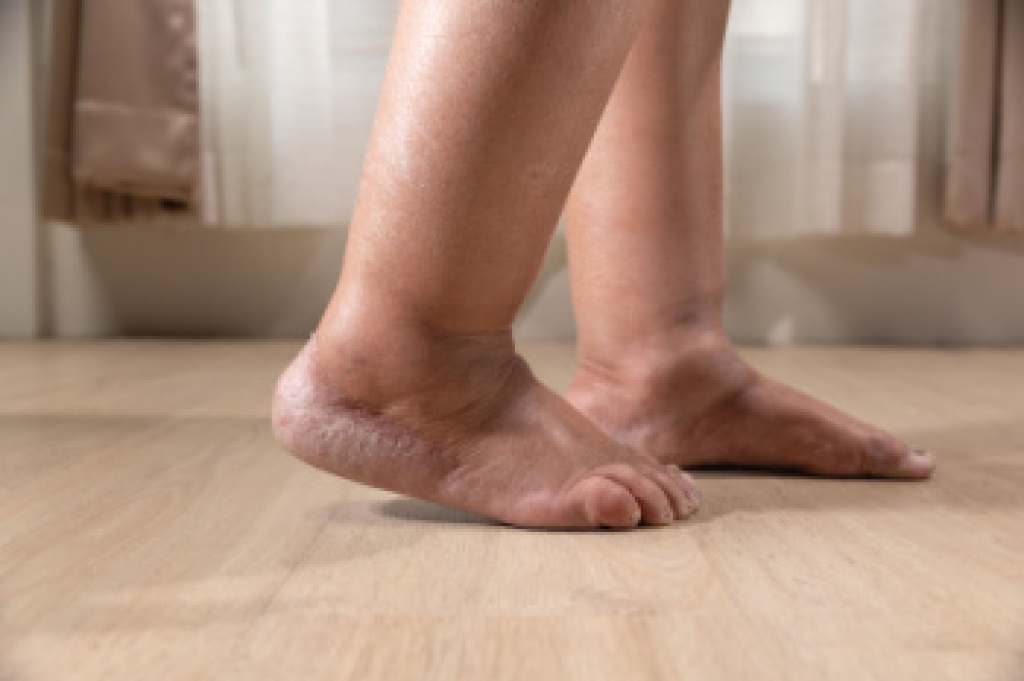
Cracked heels develop when the skin surrounding the heel becomes dry and begins to split. Shallow cracks can affect only the outer layer of skin and cause little discomfort. Deeper cracks can become painful and sometimes bleed. Dry skin is an important factor because skin that lacks moisture is less flexible and more likely to split under pressure. Aging can contribute because the skin loses moisture more easily as people get older. Athlete’s foot and eczema can also cause dry or irritated skin that increases the chance of heel cracking.

Certain vitamin deficiencies have also been linked with dry, cracked skin. Vitamin E helps protect skin cells and supports healthy skin. Vitamin B-3, also called niacin, helps the body turn food into energy and supports skin health. Severe vitamin B-3 deficiency can cause dry, scaly skin. Vitamin C supports collagen production, which helps give skin structure and strength. A serious vitamin C deficiency can contribute to dry skin and slow wound healing. However, deficiencies of these vitamins are considered rare in developed countries, so cracked heels do not necessarily indicate a nutritional problem.

A podiatrist can examine cracked heels and determine whether another foot or skin problem is contributing to the condition. An evaluation is especially important when cracks are deep, painful, or bleeding. Patients with diabetes or nerve damage should also have cracked heels evaluated because foot wounds can become more serious. A podiatrist can remove thickened skin safely and recommend treatment to protect damaged areas. Care can also address fungal infections or other conditions affecting the skin. Proper treatment can reduce discomfort and help protect the heels from further damage. If you have developed cracked heels, it is suggested that you schedule an appointment with a podiatrist for a diagnosis and appropriate treatment, which may include prescribed medication.

Cracked heels are unsightly and can cause further damage to your shoes and feet. If you have any concerns, contact Rahil Baxamusa, DPM from Illinois. Our doctor can provide the care you need to keep you pain-free and on your feet.

Cracked Heels

Cracked heels appear unappealing and can make it harder for you walk around in sandals. Aside from looking unpleasant, cracked heels can also tear stockings, socks, and wear out your shoes. There are several methods to help restore a cracked heel and prevent further damage.

How Do You Get Them?

Dry skin is the number one culprit in creating cracked heels. Many athletes, walkers, joggers, and even swimmers suffer from cracked heels. Age and skin oil production play a role to getting cracked heels as well.

Promote Healing

Over the counter medicines can help, especially for those that need instant relief or who suffer from chronic dry feet.

Wear Socks – Wearing socks with medicated creams helps lock in moisture.

Moisturizers – Applying both day and night will help alleviate dryness which causes cracking.

Pumice Stones – These exfoliate and remove dead skin, which allows for smoother moisturizer application and better absorption into the skin. 

Change in Diet

Eating healthy with a well-balanced diet will give the skin a fresh and radiant look. Your body responds to the kinds of food you ingest. Omega-3 fatty acids and zinc supplements can also revitalize skin tissue.

Most importantly, seek professional help if unsure how to proceed in treating cracked heels. A podiatrist will help you with any questions or information needed. 

If you have any questions, please feel free to contact our office located in Crystal Lake, IL . We offer the newest diagnostic and treatment technologies for all your foot care needs.

Read more about Solutions for Cracked Heels

The Importance of Stretching Your Feet and Toes

Flexible feet help support comfortable movement and a steady walking pattern. Each step places pressure on the feet, so their muscles and joints need enough strength and flexibility to handle daily demands. Stiff feet can change the way a person walks. Even small changes in walking can place added stress on the ankles, knees, and hips. The back can also be affected. Limited foot movement can influence balance, while weak foot muscles can make the feet less stable and increase the risk of falls or injuries.

Stretching can help maintain movement in the toes, arches, and surrounding tissues. A big-toe stretch focuses on movement at the joint that plays an important role when pushing off the ground. Calf stretching also affects the foot because tissues from the calf connect to the heel and arch. Toe curls are another movement that can improve flexibility in the toes. Foot strength is important as well. Exercises that involve spreading the toes or rising onto the toes can challenge small foot muscles. However, pain or stiffness can make certain movements difficult and should not be ignored.

A podiatrist can evaluate foot flexibility and determine whether limited movement is connected to pain, joint stiffness, or another foot problem. The examination can include checking toe movement, ankle motion, and the way a patient walks. A podiatrist can identify areas that need greater flexibility or strength and recommend stretches that are appropriate for the patient’s condition. This guidance is especially valuable when an injury or ongoing foot problem affects normal movement. The goal is to support comfortable motion without placing unnecessary strain on painful areas. If your feet are painful or stiff,  it is suggested that you schedule an appointment with a podiatrist for a diagnosis and appropriate treatment.

Stretching the feet is a great way to prevent injuries. If you have any concerns with your feet consult with Rahil Baxamusa, DPM from Illinois. Our doctor will assess your condition and provide you with quality foot and ankle treatment.

Stretching the Feet

Being the backbone of the body, the feet carry your entire weight and can easily become overexerted, causing cramps and pain. As with any body part, stretching your feet can serve many benefits. From increasing flexibility to even providing some pain relief, be sure to give your feet a stretch from time to time. This is especially important for athletes or anyone performing aerobic exercises, but anyone experiencing foot pain or is on their feet constantly should also engage in this practice.

Great ways to stretch your feet:

  • Crossing one leg over the others and carefully pull your toes back. Do 10-20 repetitions and repeat the process for each foot
  • Face a wall with your arms out and hands flat against the wall. Step back with one foot and keep it flat on the floor while moving the other leg forward. Lean towards the wall until you feel a stretch. Hold for 30 seconds and perform 10 repetitions for each foot
  • Be sure not to overextend or push your limbs too hard or you could risk pulling or straining your muscle

Individuals who tend to their feet by regular stretching every day should be able to minimize foot pain and prevent new problems from arising.

If you have any questions please contact our office located in Crystal Lake, IL . We offer the newest diagnostic and treatment technologies for all your foot and ankle needs.

Read more about How to Stretch Your Feet

Heel Pain Can Be Treated!

Do you suffer from heel pain when you get up in the morning? If so, you should seek professional help and have a proper diagnosis performed. Heel pain can be caused by several different foot-related conditions.

Connect With Us