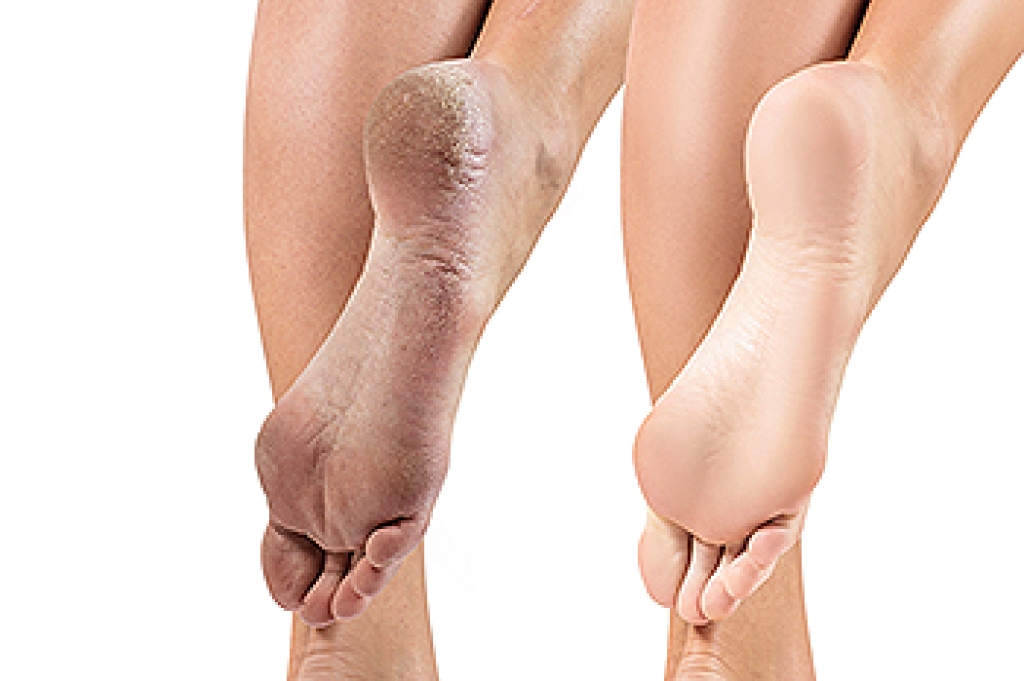
Symptoms of Toe Arthritis

Arthritis in the toes is a joint-related condition defined as chronic inflammation affecting the small joints of the forefoot. This inflammation may develop from gradual wear and tear associated with osteoarthritis, or from immune system-related changes seen in rheumatoid arthritis. Symptoms often include pain, swelling, restricted movement, redness, warmth, and gradual joint deformities that may affect walking comfort. Although movement can feel uncomfortable, gentle walking may help maintain joint flexibility and circulation, which supports overall foot function. Causes include aging-related joint stress, previous injury, or inflammatory disease. A podiatrist can evaluate joint health, reduce pressure on affected areas, and recommend supportive treatment. If toe pain or swelling develops, it is suggested that you consult a podiatrist to explore effective relief and management solutions.

Arthritis can be a difficult condition to live with. If you are seeking treatment, contact Rahil Baxamusa, DPM from Illinois. Our doctor can provide the care you need to keep you pain-free and on your feet.

Arthritic Foot Care  

Arthritis is a term that is commonly used to describe joint pain.  The condition itself can occur to anyone of any age, race, or gender, and there are over 100 types of it.  Nevertheless, arthritis is more commonly found in women compared to men, and it is also more prevalent in those who are overweight. The causes of arthritis vary depending on which type of arthritis you have. Osteoarthritis for example, is often caused by injury, while rheumatoid arthritis is caused by a misdirected immune system.

Symptoms

  • Swelling
  • Pain
  • Stiffness
  • Decreased Range of Motion

Arthritic symptoms range in severity, and they may come and go. Some symptoms stay the same for several years but could potentially get worse with time. Severe cases of arthritis can prevent its sufferers from performing daily activities and make walking difficult.

Risk Factors

  • Occupation – Occupations requiring repetitive knee movements have been linked to osteoarthritis
  • Obesity – Excess weight can contribute to osteoarthritis development
  • Infection – Microbial agents can infect the joints and trigger arthritis
  • Joint Injuries – Damage to joints may lead to osteoarthritis
  • Age – Risk increases with age
  • Gender –Most types are more common in women
  • Genetics – Arthritis can be hereditary

If you suspect your arthritis is affecting your feet, it is crucial that you see a podiatrist immediately. Your doctor will be able to address your specific case and help you decide which treatment method is best for you.

If you have any questions please feel free to contact our office located in Crystal Lake, IL . We offer the newest diagnostic tools and technology to treat your foot and ankle needs.

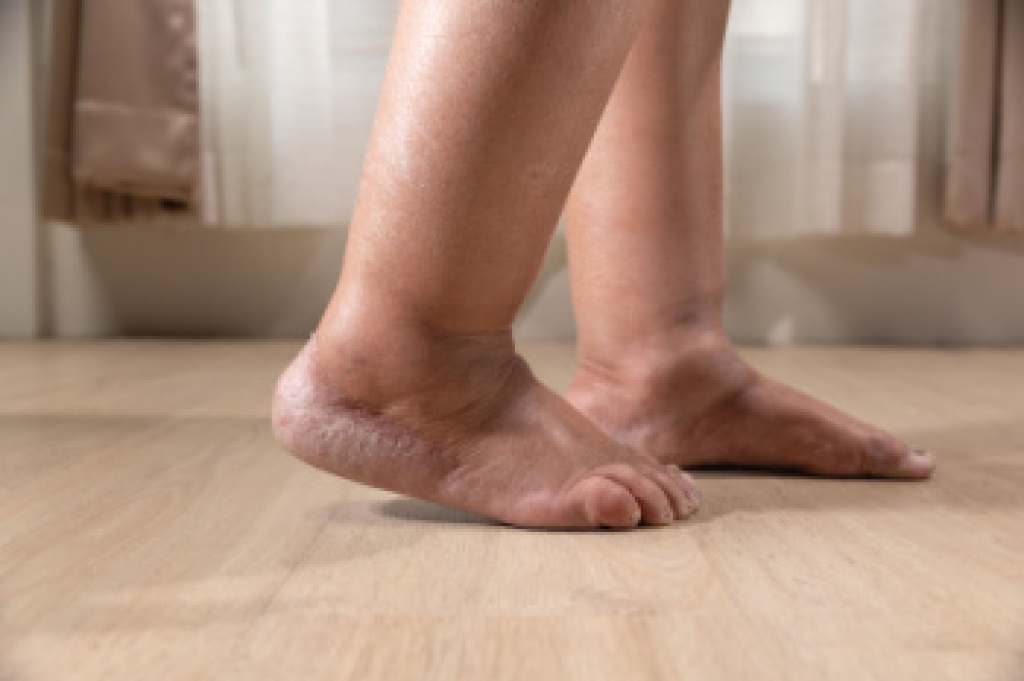
Read more about Arthritic Foot Care

Understanding Fifth Metatarsal Fractures

The metatarsals are the five long bones located in the mid-foot that connect the toes to the rest of the foot. The fifth metatarsal is the bone on the outer side that attaches to the small toe. A fracture in this bone is a common injury and can occur from a sudden twist, a fall, or repetitive stress. Pain is usually felt along the outer edge of the foot. Swelling, bruising, and difficulty putting weight on the foot often follow. Some fractures happen at the base of the bone, while others occur farther along the shaft. The exact location affects healing time and treatment decisions. Care may include immobilization with a walking boot, limited weight-bearing activity, or, in certain cases, surgical repair. Early diagnosis is important to prevent delayed healing. If you have persistent outer-foot pain after an injury, it is suggested that you see a podiatrist for a proper diagnosis and appropriate treatment.

A broken foot requires immediate medical attention and treatment. If you need your feet checked, contact Rahil Baxamusa, DPM from Illinois. Our doctor can provide the care you need to keep you pain-free and on your feet.

Broken Foot Causes, Symptoms, and Treatment

A broken foot is caused by one of the bones in the foot typically breaking when bended, crushed, or stretched beyond its natural capabilities. Usually the location of the fracture indicates how the break occurred, whether it was through an object, fall, or any other type of injury. 

Common Symptoms of Broken Feet:

  • Bruising
  • Pain
  • Redness
  • Swelling
  • Blue in color
  • Numbness
  • Cold
  • Misshapen
  • Cuts
  • Deformities

Those that suspect they have a broken foot shoot seek urgent medical attention where a medical professional could diagnose the severity.

Treatment for broken bones varies depending on the cause, severity and location. Some will require the use of splints, casts or crutches while others could even involve surgery to repair the broken bones. Personal care includes the use of ice and keeping the foot stabilized and elevated.

If you have any questions, please feel free to contact our office located in Crystal Lake, IL . We offer the newest diagnostic and treatment technologies for all your foot care needs.

Read more about Causes, Symptoms, and Treatment for a Broken Foot

Let the Expert Treat Your Ingrown Toenails

Ingrown toenails can be painful and can make wearing shoes or walking uncomfortable. Seek professional help if you believe you've developed an ingrown toenail and be treated safely. 

Key Ideas in Modern Ankle Fracture Management

An ankle fracture is more than a broken bone. It affects how the ankle moves, bears weight, and stays stable. Treatment today focuses on restoring normal mechanics so the joint can function well long term. Fixing the back part of the ankle helps support the joint surface and improves overall stability. The syndesmosis, which connects the two lower leg bones, must be properly stabilized to keep the ankle aligned during walking. Repairing the deltoid ligament on the inner ankle may be needed when the joint remains unstable after bone repair. In some cases, the fibula on the outer ankle can be stabilized from the inside with a nail, which may reduce soft tissue disruption. Early, protected weightbearing is sometimes encouraged to promote healing and stiffness prevention. Because each fracture behaves differently, it is suggested that you see a podiatrist for individualized treatment planning.

test

Read more about Broken Ankle Causes, Differences, Symptoms and Treatments

How Plantar Fasciitis Can Affect Balance and Walking

Plantar fasciitis is commonly known for heel pain, but its effects can extend beyond localized discomfort, even in younger and middle-aged adults. Ongoing heel pain may cause people to unconsciously adjust how they stand or walk to avoid pressure on the painful area. These subtle changes can disrupt normal posture and reduce stability during movement. Shortened steps, uneven weight distribution, and altered foot strike patterns are common, and may place added stress on the ankles, knees, hips, and lower back. Over time, these compensations can interfere with balance and increase fatigue during daily activities or exercise. Pain-related changes in foot function may also affect how quickly the body responds to shifts in surface or direction. Addressing plantar fasciitis early helps support healthier movement patterns. If heel pain alters your posture or walking, it is suggested that you see a podiatrist for a proper diagnosis and appropriate treatment.

Plantar fasciitis is a common foot condition that is often caused by a strain injury. If you are experiencing heel pain or symptoms of plantar fasciitis, contact Rahil Baxamusa, DPM from Illinois. Our doctor can provide the care you need to keep you pain-free and on your feet.

What Is Plantar Fasciitis?

Plantar fasciitis is one of the most common causes of heel pain. The plantar fascia is a ligament that connects your heel to the front of your foot. When this ligament becomes inflamed, plantar fasciitis is the result. If you have plantar fasciitis you will have a stabbing pain that usually occurs with your first steps in the morning. As the day progresses and you walk around more, this pain will start to disappear, but it will return after long periods of standing or sitting.

What Causes Plantar Fasciitis?

  • Excessive running
  • Having high arches in your feet
  • Other foot issues such as flat feet
  • Pregnancy (due to the sudden weight gain)
  • Being on your feet very often

There are some risk factors that may make you more likely to develop plantar fasciitis compared to others. The condition most commonly affects adults between the ages of 40 and 60. It also tends to affect people who are obese because the extra pounds result in extra stress being placed on the plantar fascia.

Prevention

  • Take good care of your feet – Wear shoes that have good arch support and heel cushioning.
  • Maintain a healthy weight
  • If you are a runner, alternate running with other sports that won’t cause heel pain

There are a variety of treatment options available for plantar fasciitis along with the pain that accompanies it. Additionally, physical therapy is a very important component in the treatment process. It is important that you meet with your podiatrist to determine which treatment option is best for you.

If you have any questions, please feel free to contact our office located in Crystal Lake, IL . We offer the newest diagnostic and treatment technologies for all your foot care needs.


Read more about Plantar Fasciitis

Connect With Us