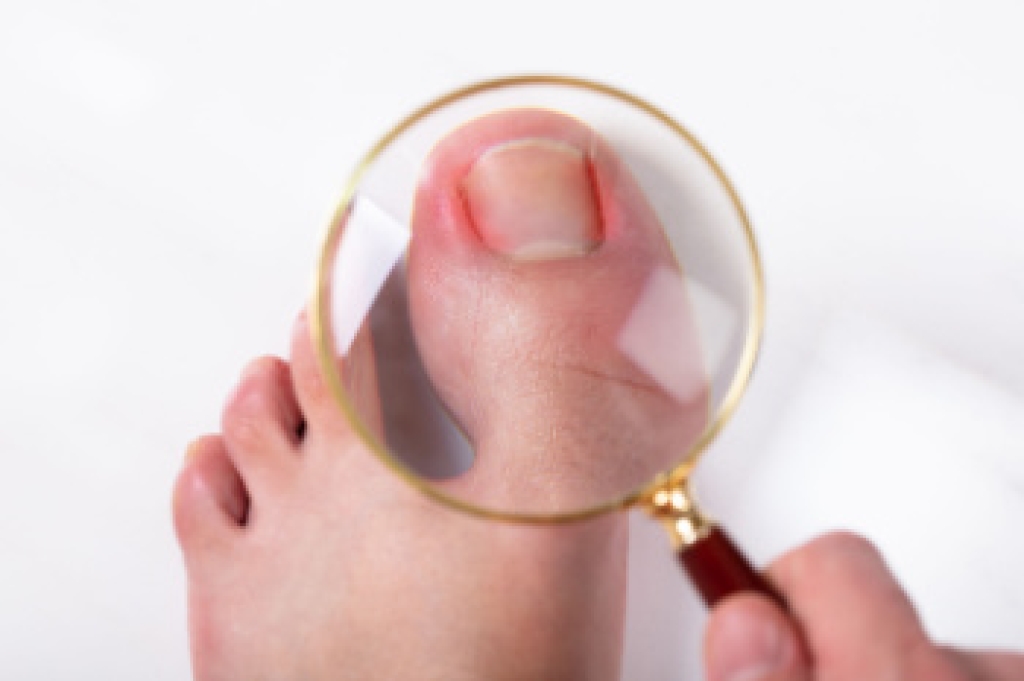
Foot Blisters and Prevention Tips

A foot blister is a small, fluid filled bubble that forms on the skin, often due to friction or pressure. They commonly develop from wearing poorly fitted shoes, excessive walking or running, and repetitive movements that rub the skin. Symptoms include redness, swelling, pain, and tenderness that can make standing or walking uncomfortable. Prevention tips include wearing properly fitted shoes, moisture-wicking socks, and using protective padding in areas prone to rubbing. Maintaining dry and healthy feet also helps reduce risk. A podiatrist can provide treatment for painful or persistent blisters, address underlying causes, and recommend strategies to prevent recurrence. If you have an uncomfortable foot blister, it is suggested that you consult a podiatrist who can offer effective relief and prevention options.

Blisters are prone to making everyday activities extremely uncomfortable. If your feet are hurting, contact Rahil Baxamusa, DPM of Illinois. Our doctor can provide the care you need to keep you pain-free and on your feet.

Foot Blisters

Foot blisters develop as a result of constantly wearing tight or ill-fitting footwear. This happens due to the constant rubbing from the shoe, which can often lead to pain.

What Are Foot Blisters?

A foot blister is a small fluid-filled pocket that forms on the upper-most layer of the skin. Blisters are filled with clear fluid and can lead to blood drainage or pus if the area becomes infected.

How Do Blisters Form?

Blisters on the feet are often the result of constant friction of skin and material, usually by shoe rubbing. Walking in sandals, boots, or shoes that don’t fit properly for long periods of time can result in a blister. Having consistent foot moisture and humidity can easily lead to blister formation.

Prevention & Treatment

It is important to properly care for the affected area in order to prevent infection and ease the pain. Do not lance the blister and use a Band-Aid to provide pain relief. Also, be sure to keep your feet dry and wear proper fitting shoes. If you see blood or pus in a blister, seek assistance from a podiatrist.

If you have any questions, please feel free to contact our office located in Crystal Lake, IL . We offer the newest diagnostic and treatment technologies for all your foot care needs.

Read more about Blisters

Shoes for Retail Workers

Choosing the right shoes is essential for retail workers who spend much of the day standing and walking. Proper fit is the most important factor, as shoes that are too tight or too loose can lead to pain, blisters, and fatigue. Trying shoes on at the end of the day can help ensure they accommodate natural foot swelling. Arch support is also critical, as it helps distribute pressure evenly and reduces strain on the feet, ankles, and lower legs. Cushioned soles and supportive materials can improve comfort throughout long shifts. A podiatrist can assess foot structure, identify problem areas, and recommend appropriate footwear or custom orthotics to enhance support and reduce discomfort. If you have foot pain at work, it is suggested that you consult a podiatrist for personalized guidance and expert care.

While working on the feet, it is important to take the proper care of them. For more information about working on your feet, contact Rahil Baxamusa, DPM from Illinois. Our doctor will treat your foot and ankle needs.

Working on Your Feet

Standing on your feet for long periods of time can cause stress and pain in your feet. Your whole body may experience change in terms of posture, back pain, bunions, callouses and or plantar warts. There are ways to avoid these conditions with proper foot care, smart choices and correct posture.

Positive Changes

Negative heeled shoe – Choosing this shoe type places the heel slightly lower than the ball of the foot. These are great for overall foot health. Find shoes that fit you correctly.

Go barefoot – Our feet were not designed to be enclosed for all hours of the day. Try to periodically expose your feet to air.

Eliminate Pain

Foot Exercises – Performing simple exercises, incorporating yoga and doing stretches are beneficial. This will allow increased blood flow to the area and muscles of the foot.

Achilles tendon – Stretching the foot out flat on the floor will relax the calf muscles and tendon. These exercises can be performed almost anywhere. Make sure you add these exercises to your daily regimen. 

With a little bit of this information and knowing more about foot health, you will notice changes. Foot stretches and proper footwear will help with pain and prevent further issues.

If you have any questions please contact our office located in Crystal Lake, IL . We offer the newest diagnostic and treatment technologies for all your foot and ankle needs.

Read more about Working on Your Feet

The Importance of Diabetic Foot Care With Podiatric Help

Diabetes is a chronic condition that affects how the body regulates blood sugar, and it can have serious effects on foot health. Diabetic foot problems develop when prolonged high blood sugar damages nerves and blood vessels in the feet. Loss of sensitivity may prevent a person from noticing cuts, blisters, or pressure points, allowing infections to form and worsen without early treatment. Additionally, limited blood supply can slow healing and increase the risk of ulcers and complications. A podiatrist plays a critical role in diabetic foot care by performing regular foot exams, treating wounds, managing infections, and providing guidance on proper footwear and daily foot care. If you have diabetes, it is strongly suggested that you are under the care of a podiatrist who can help protect your feet and reduce complications. Proactive podiatric care is essential in supporting long-term mobility and overall health.

Diabetic foot care is important in preventing foot ailments such as ulcers. If you are suffering from diabetes or have any other concerns about your feet, contact Rahil Baxamusa, DPM from Illinois. Our doctor can provide the care you need to keep you pain-free and on your feet.

Diabetic Foot Care

Diabetes affects millions of people every year. The condition can damage blood vessels in many parts of the body, especially the feet. Because of this, taking care of your feet is essential if you have diabetes, and having a podiatrist help monitor your foot health is highly recommended.

The Importance of Caring for Your Feet

  • Routinely inspect your feet for bruises or sores.
  • Wear socks that fit your feet comfortably.
  • Wear comfortable shoes that provide adequate support.

Patients with diabetes should have their doctor monitor their blood levels, as blood sugar levels play such a huge role in diabetic care. Monitoring these levels on a regular basis is highly advised.

It is always best to inform your healthcare professional of any concerns you may have regarding your feet, especially for diabetic patients. Early treatment and routine foot examinations are keys to maintaining proper health, especially because severe complications can arise if proper treatment is not applied.

If you have any questions, please feel free to contact our office located in Crystal Lake, IL . We offer the newest diagnostic and treatment technologies for all your foot care needs.
Read more about Diabetic Foot Conditions

Get Professional Care for a Broken Foot or Ankle

Constant care and regular evaluation are important for a foot or ankle fracture. If left untreated, foot or ankle fractures can worsen over time and create more serious problems.

Don't wait to be examined if you believe you've experienced a foot or ankle fracture.

Common Sources of Foot Pain

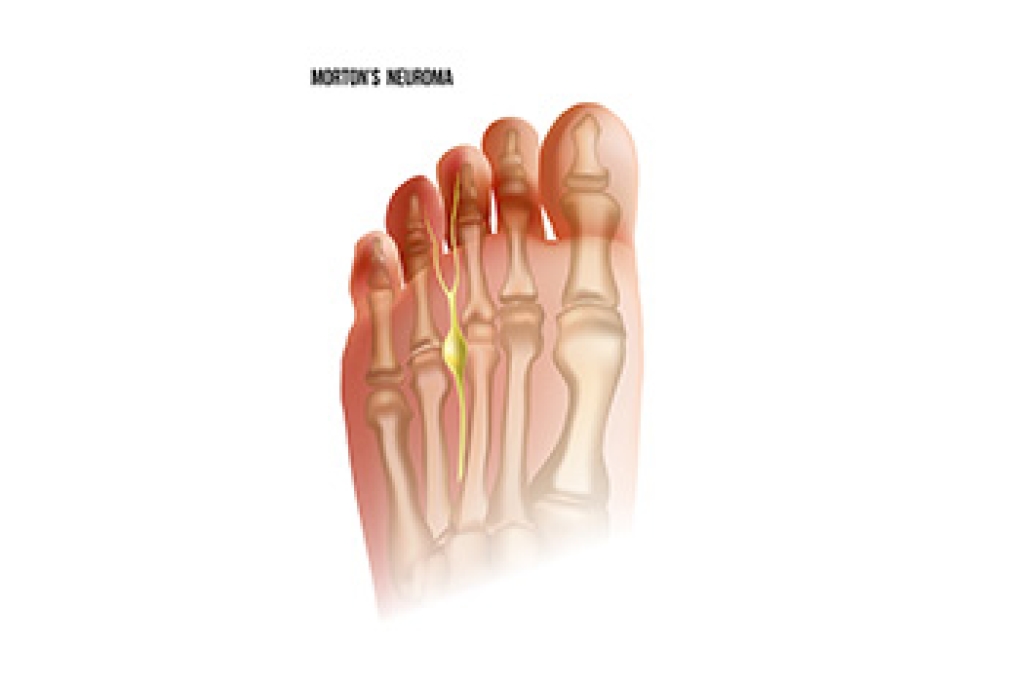
Foot pain can develop from many sources, especially when the structures of the feet are placed under long-term stress. Heel and arch pain often stems from strain on the plantar fascia, while irritation of the Achilles tendon can affect the back of the ankle. Metatarsalgia, or pain under the ball of the foot, is usually caused by excess pressure from shoes with inadequate support, high heels, or conditions that strain the ligaments in this area. Nerve problems like Morton’s neuroma can create burning or tingling near the toes, and arthritis can affect the many joints of the feet, leading to stiffness and swelling. Bunions and hammertoes may develop when the toes are pushed out of alignment by tight or narrow shoes. A podiatrist can provide a diagnosis and recommend treatment that addresses the source of the problem. If you are experiencing foot pain, it is suggested that you make an appointment with a podiatrist for an exam and treatment.

Foot Pain

Foot pain can be extremely painful and debilitating. If you have a foot pain, consult with Rahil Baxamusa, DPM from Illinois. Our doctor will assess your condition and provide you with quality foot and ankle treatment.

Causes

Foot pain is a very broad condition that could be caused by one or more ailments. The most common include:

  • Bunions
  • Hammertoes
  • Plantar Fasciitis
  • Bone Spurs
  • Corns
  • Tarsal Tunnel Syndrome
  • Ingrown Toenails
  • Arthritis (such as Gout, Rheumatoid, and Osteoarthritis)
  • Flat Feet
  • Injury (from stress fractures, broken toe, foot, ankle, Achilles tendon ruptures, and sprains)
  • And more

Diagnosis

To figure out the cause of foot pain, podiatrists utilize several different methods. This can range from simple visual inspections and sensation tests to X-rays and MRI scans. Prior medical history, family medical history, and any recent physical traumatic events will all be taken into consideration for a proper diagnosis.

Treatment

Treatment depends upon the cause of the foot pain. Whether it is resting, staying off the foot, or having surgery; podiatrists have a number of treatment options available for foot pain.

If you have any questions, please feel free to contact our office located in Crystal Lake, IL . We offer the newest diagnostic and treatment technologies for all your foot care needs.

Read more about Foot Pain

Connect With Us