Treatment Options for Morton’s Neuroma

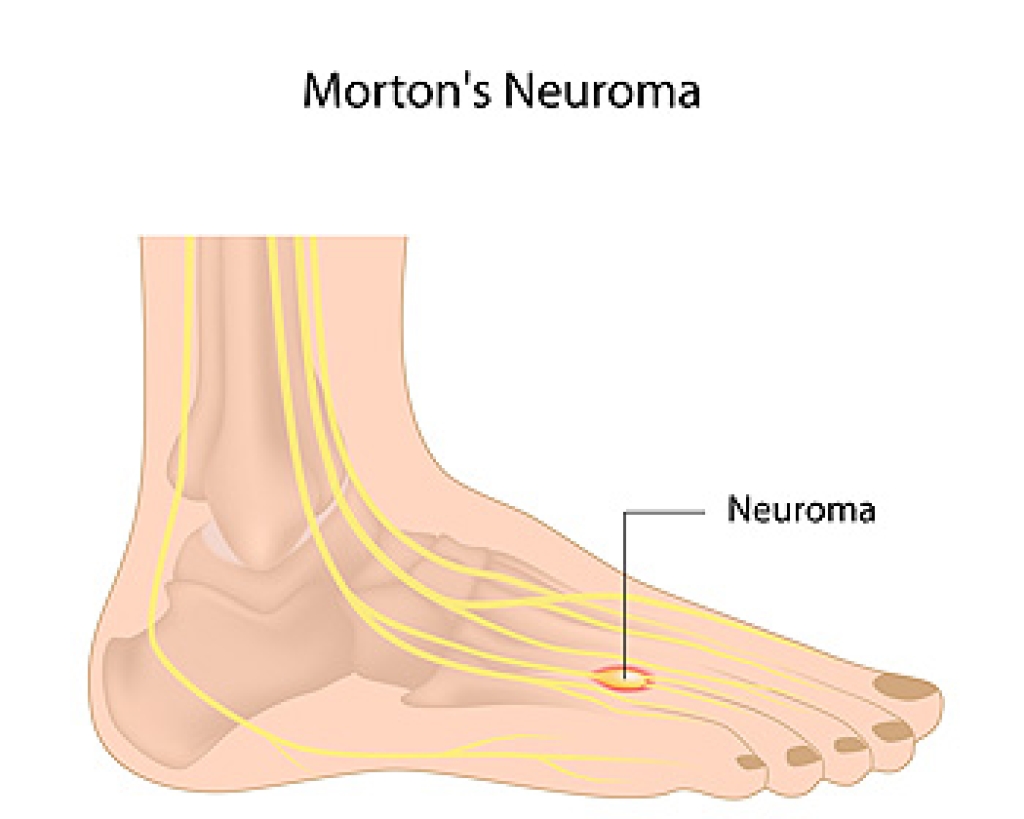
Morton's neuroma is a painful condition that affects the nerves above the third and fourth metatarsals of the foot and leads to discomfort and mobility issues. Treatment approaches of Morton's neuroma vary depending on the severity of the symptoms. Non-surgical treatment includes wearing custom insoles prescribed by a podiatrist to specifically address the pain generated in the ball of the foot. These insoles can offer tailored support, alter foot mechanics, and absorb shock. They also provide targeted relief and improved gait, making them a valuable option for those seeking comfort and mobility. Further, orthotic devices can support the arch of the foot and correct other biomechanical issues. In more severe cases, advanced treatment options are available. Steroid injections may offer relief for up to five years in some cases, although results can vary. Surgical interventions, such as nerve removal surgery, are considered when other treatments are ineffective or when a noticeable growth is present. Timely management can help to prevent Morton's neuroma from getting worse, eventually becoming a chronic issue. If you are experiencing symptoms, it is suggested that you make an appointment with a podiatrist to determine what the best treatment plan is for you.

Morton’s neuroma is a very uncomfortable condition to live with. If you think you have Morton’s neuroma, contact Rahil Baxamusa, DPM of Illinois. Our doctor will attend to all of your foot care needs and answer any of your related questions.  

Morton’s Neuroma

Morton's neuroma is a painful foot condition that commonly affects the areas between the second and third or third and fourth toe, although other areas of the foot are also susceptible. Morton’s neuroma is caused by an inflamed nerve in the foot that is being squeezed and aggravated by surrounding bones.

What Increases the Chances of Having Morton’s Neuroma?

  • Ill-fitting high heels or shoes that add pressure to the toe or foot
  • Jogging, running or any sport that involves constant impact to the foot
  • Flat feet, bunions, and any other foot deformities

Morton’s neuroma is a very treatable condition. Orthotics and shoe inserts can often be used to alleviate the pain on the forefront of the feet. In more severe cases, corticosteroids can also be prescribed. In order to figure out the best treatment for your neuroma, it’s recommended to seek the care of a podiatrist who can diagnose your condition and provide different treatment options.

If you have any questions, please feel free to contact our office located in Crystal Lake, IL . We offer the newest diagnostic and treatment technologies for all your foot care needs.
Read more about Morton's Neuroma

Diagnosing Tarsal Tunnel Syndrome

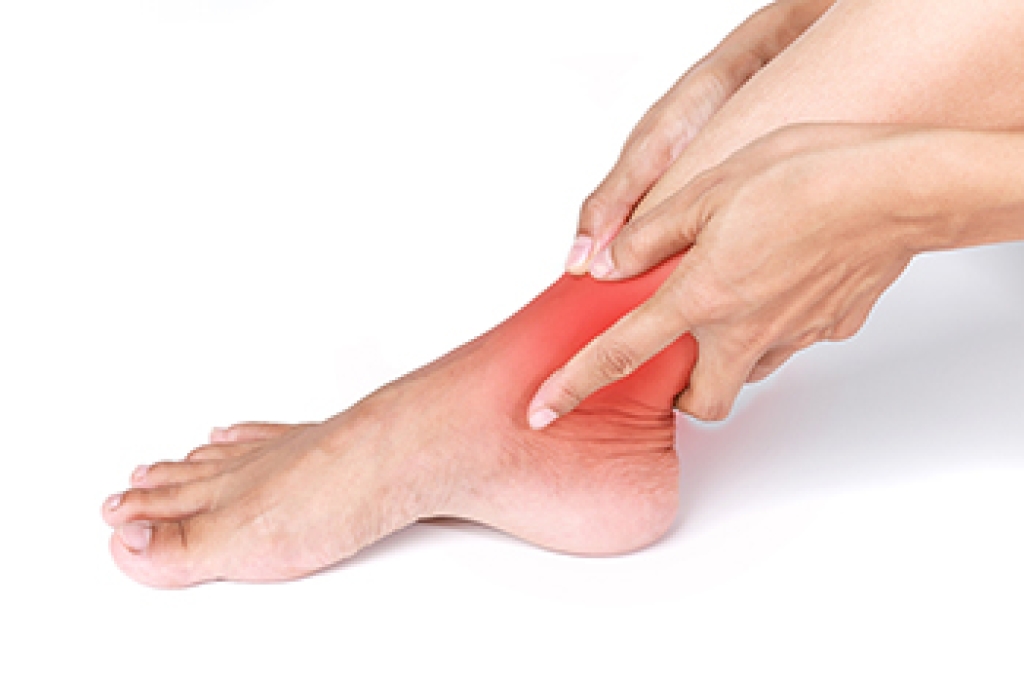
Tarsal tunnel syndrome is a rare condition that affects the nerves in the foot and ankle. It can cause foot pain or tingly sensations and may weaken some foot muscles. This syndrome is usually caused by things like wearing shoes that do not fit well, or by a tight cast. Sometimes, injuries like sprains or fractures can also lead to this condition. Rarely, it could be caused by lumps, cysts, or infections. It can be hard to diagnose, but podiatrists rely on a clinical assessment and can use special tests like electromyography, EMG, or electroneurography, ENG. These diagnostic tools show which muscles are having problems because of nerve damage. If it is found that the issue is in the tarsal tunnel area of your foot, the next step is to find out what is causing the nerve to be pinched or squeezed. If you have foot or ankle pain, it is suggested that you make an appointment with a podiatrist for an evaluation, precise treatment, and management strategies for symptom relief.

Tarsal tunnel syndrome can be very uncomfortable to live with. If you are experiencing tarsal tunnel syndrome, contact Rahil Baxamusa, DPM of Illinois. Our doctor can provide the care you need to keep you pain-free and on your feet.

Tarsal Tunnel Syndrome

Tarsal tunnel syndrome, which can also be called tibial nerve dysfunction, is an uncommon condition of misfiring peripheral nerves in the foot. The tibial nerve is the peripheral nerve in the leg responsible for sensation and movement of the foot and calf muscles. In tarsal tunnel syndrome, the tibial nerve is damaged, causing problems with movement and feeling in the foot of the affected leg.

Common Cause of Tarsal Tunnel Syndrome

  • Involves pressure or an injury, direct pressure on the tibial nerve for an extended period of time, sometimes caused by other body structures close by or near the knee.
  • Diseases that damage nerves, including diabetes, may cause tarsal tunnel syndrome.
  • At times, tarsal tunnel syndrome can appear without an obvious cause in some cases.

The Effects of Tarsal Tunnel Syndrome

  • Different sensations, an afflicted person may experience pain, tingling, burning or other unusual sensations in the foot of the affected leg.
  • The foot muscles, toes and ankle become weaker, and curling your toes or flexing your foot can become difficult.
  • If condition worsens, infections and ulcers may develop on the foot that is experiencing the syndrome.

A physical exam of the leg can help identify the presence of tarsal tunnel syndrome. Medical tests, such as a nerve biopsy, are also used to diagnose the condition. Patients may receive physical therapy and prescriptive medication. In extreme cases, some may require surgery.

If you have any questions please contact our office located in Crystal Lake, IL . We offer the newest diagnostic and treatment technologies for all your foot and ankle needs.

Read more about Treating Tarsal Tunnel Syndrome

Treating and Preventing Plantar Warts

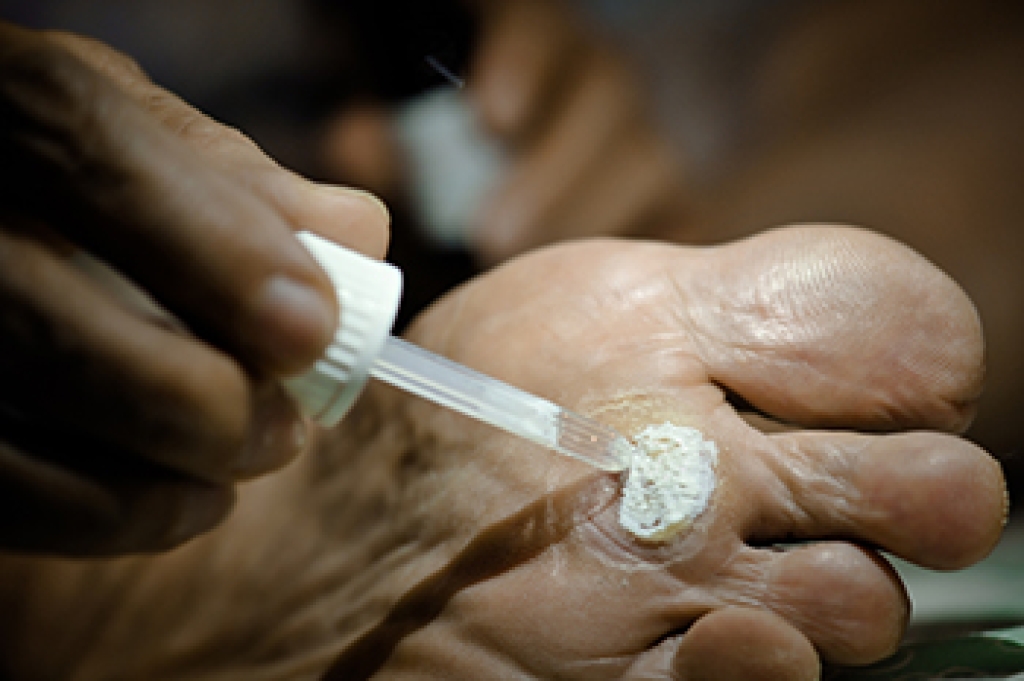
Plantar warts, painful growths that appear on the soles of the feet, can be an unwelcome annoyance. However, there are effective ways to treat and prevent this viral infection. To tackle existing plantar warts, salicylic acid prescribed by a podiatrist may gradually help to dissolve the wart tissue. For stubborn or painful warts, a podiatrist can recommend cryotherapy, laser therapy, or surgical removal. To prevent plantar warts, maintaining proper foot hygiene is essential. Keep your feet clean and dry, and avoid walking barefoot in public places to minimize exposure to infection. Wear shoes that fit well, and change your socks daily. If you have a cut or scrape on your foot, cover it with a bandage to prevent the virus from entering. Finally, boost your immune system through a healthy diet, exercise, and stress management, as a strong immune system can help ward off the human papilloma virus, or HPV, responsible for these warts. If you have developed a plantar wart, it is strongly suggested that you are under the care of a podiatrist who can provide appropriate relief treatments.

Plantar warts can be very uncomfortable. If you need your feet checked, contact Rahil Baxamusa, DPM from Illinois. Our doctor will assist you with all of your foot and ankle needs.

About Plantar Warts

Plantar warts are the result of HPV, or human papillomavirus, getting into open wounds on the feet. They are mostly found on the heels or balls of the feet.

While plantar warts are generally harmless, those experiencing excessive pain or those suffering from diabetes or a compromised immune system require immediate medical care. Plantar warts are easily diagnosed, usually through scraping off a bit of rough skin or by getting a biopsy.

Symptoms

  • Lesions on the bottom of your feet, usually rough and grainy
  • Hard or thick callused spots
  • Wart seeds, which are small clotted blood vessels that look like little black spots
  • Pain, discomfort, or tenderness of your feet when walking or standing

Treatment

  • Freezing
  • Electric tool removal
  • Laser Treatment
  • Topical Creams (prescription only)
  • Over-the-counter medications

To help prevent developing plantar warts, avoid walking barefoot over abrasive surfaces that can cause cuts or wounds for HPV to get into. Avoiding direct contact with other warts, as well as not picking or rubbing existing warts, can help prevent the further spread of plantar warts. However, if you think you have developed plantar warts, speak to your podiatrist. He or she can diagnose the warts on your feet and recommend the appropriate treatment options.

If you have any questions, please feel free to contact our office located in Crystal Lake, IL . We offer the newest diagnostic and treatment technologies for all your foot care needs.

Read more about What Are Plantar Warts?

Why Live with Pain and Numbness in Your Feet?

Suffering from this type of pain? You may have the foot condition known as Morton's neuroma. Morton's neuroma may develop as a result of ill-fitting footwear and existing foot deformities. We can help.

Why Pronation of the Feet Matters

Understanding supination and pronation as they relate to the feet is essential for maintaining proper foot health. Supination refers to the positioning of your foot when your weight tends to be more on the outside during walking or running, essentially causing your foot to lean outward. Pronation means your weight tends to be more on the inside of your foot during these activities, causing your foot to lean inward. Ideally, during a proper stride, your foot should roll forward from heel to toe with neutral pronation, ensuring even weight distribution. Excessive supination places stress on the outer side of your foot and can lead to uneven wear on the outside of your shoe. It may result in various issues, including calluses, bunions, and pain in your heels and the balls of your feet. Excessive pronation involves your foot rolling toward the inside, leading to uneven wear on the inside of your shoe and potential pain in your arch, heel, and ankle. The causes of these pronation issues can be genetic, such as having a high arch or uneven leg lengths, or they can result from injuries, overuse, or walking on hard surfaces. Obesity or pregnancy may also increase overpronation. If you suspect issues with your foot mechanics, it is suggested that you make an appointment with a podiatrist for an exam and treatment plan options. 

If you have any concerns about your feet, contact Rahil Baxamusa, DPM from Illinois. Our doctor can provide the care you need to keep you pain-free and on your feet.

Biomechanics in Podiatry

Podiatric biomechanics is a particular sector of specialty podiatry with licensed practitioners who are trained to diagnose and treat conditions affecting the foot, ankle and lower leg. Biomechanics deals with the forces that act against the body, causing an interference with the biological structures. It focuses on the movement of the ankle, the foot and the forces that interact with them.

A History of Biomechanics

  • Biomechanics dates back to the BC era in Egypt where evidence of professional foot care has been recorded.
  • In 1974, biomechanics gained a higher profile from the studies of Merton Root, who claimed that by changing or controlling the forces between the ankle and the foot, corrections or conditions could be implemented to gain strength and coordination in the area.

Modern technological improvements are based on past theories and therapeutic processes that provide a better understanding of podiatric concepts for biomechanics. Computers can provide accurate information about the forces and patterns of the feet and lower legs.

Understanding biomechanics of the feet can help improve and eliminate pain, stopping further stress to the foot.

If you have any questions please feel free to contact our office located in Crystal Lake, IL . We offer the newest diagnostic and treatment technologies for all your foot and ankle needs.

Read more about The Importance of Biomechanics in Podiatry

Connect With Us