Foot Health Tips for Seniors

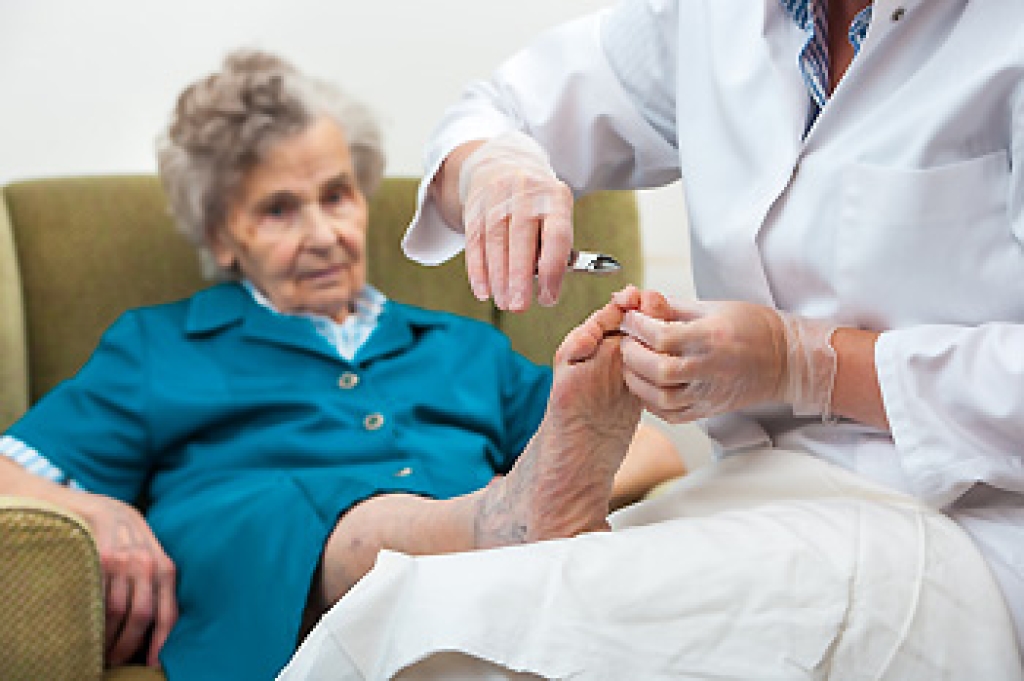
Maintaining healthy feet as you age is an important way to improve overall well-being. Normal changes like foot widening, thinning skin, and reduced padding are common in older adults. However, wearing proper footwear, including well-fitted shoes and custom orthotic inserts, can help to alleviate discomfort. Establishing a regular foot care routine, including washing, moisturizing, and trimming the toenails, is essential. Engaging in light exercise promotes circulation and flexibility, benefiting foot health as well as overall well being. Be vigilant for abnormal signs, such as persistent sores, joint pain, bunions, hammertoes, or frequent falls, which may indicate underlying health issues that require medical attention. Regular podiatric check-ups are a good way to monitor foot health and address concerns as they arise. Opt for foot-friendly shoes with a wide toe box and low heels to reduce pressure and minimize the risk of falls. For help with any foot problems that arise as you age, it is suggested you schedule regular visits with a podiatrist.

Proper foot care is something many older adults forget to consider. If you have any concerns about your feet and ankles, contact Rahil Baxamusa, DPM from Illinois. Our doctor can provide the care you need to keep you pain-free and on your feet.

The Elderly and Their Feet

As we age we start to notice many changes in our body, but the elder population may not notice them right away. Medical conditions may prevent the elderly to take notice of their foot health right away. Poor vision is a lead contributor to not taking action for the elderly.

Common Conditions 

  • Neuropathy – can reduce feeling in the feet and can hide many life-threatening medical conditions.
  • Reduced flexibility – prevents the ability of proper toenail trimming, and foot cleaning. If left untreated, it may lead to further medical issues.
  • Foot sores – amongst the older population can be serious before they are discovered. Some of the problematic conditions they may face are:
  • Gouging toenails affecting nearby toe
  • Shoes that don’t fit properly
  • Pressure sores
  • Loss of circulation in legs & feet
  • Edema & swelling of feet and ankles

Susceptible Infections

Diabetes and poor circulation can cause general loss of sensitivity over the years, turning a simple cut into a serious issue.

If you have any questions, please feel free to contact our office located in Crystal Lake, IL . We offer the newest diagnostic and treatment technologies for all your foot care needs.

Read more about Elderly Foot Care

How to Recognize Charcot Foot

Charcot-Marie-Tooth, or CMT disease, is a genetic condition that affects the peripheral nerves. It can be recognized by progressive muscle weakness, particularly in the arms and legs. The condition is named after Jean Charcot, Pierre Marie, and Howard Henry Tooth, the physicians who first described it. Symptoms of Charcot foot often begin in adolescence or early adulthood and may include weakness and wasting of muscles in the foot and lower leg, as well as a loss of sensation in toes, and lower limbs. Additional symptoms can include abnormalities in foot muscles, unstable ankles, cramping in lower legs, and reduced reflexes. Over time, symptoms may worsen, leading to increased muscle and joint pain, neuropathic pain, and walking and mobility problems. Assistive devices, such as wheelchairs, leg braces, special shoes, or orthopedic devices, play an essential role in managing Charcot-Marie-Tooth disease. If you believe you may be experiencing symptoms of CMT, it is suggested that you schedule an appointment with a podiatrist for a comprehensive assessment and personalized care planning.

Some foot conditions may require additional professional care. If you have any concerns, contact Rahil Baxamusa, DPM of Illinois. Our doctor can provide the care you need to keep you pain-free and on your feet.

Rare Foot Conditions

The majority of foot conditions are common and can be treated by a podiatrist.  Standard diagnostic procedures are generally used to identify specific conditions and treatment can be rendered. A podiatrist also treats rare foot conditions which can be difficult to diagnose and may need extra attention and care. 

There are many rare foot conditions that can affect children. Some of these can include:

  • Freiberg’s disease
  • Kohler’s disease
  • Maffucci syndrome

Freiberg’s disease - This can be seen as a deterioration and flattening of a metatarsal bone that exists in the ball of the foot. It typically affects pre-teen and teenage girls, but can affect anyone at any age. Symptoms that can accompany this can be swelling, stiffness, and the patient may limp. 

Kohler’s disease - This often targets the bone in the arch of the foot and affects younger boys. It can lead to an interruption of the blood supply which ultimately can lead to bone deterioration. The patient may limp or experience tenderness, swelling, and redness.

Maffucci syndrome - This affects the long bones in a child’s foot leading to the development of abnormal bone lesions. They are benign growths and typically develop in early childhood and the bones may be susceptible to breaking. 

A podiatrist can properly diagnose and treat all types of rare foot conditions. If your child is affected by any of these symptoms or conditions, please don’t hesitate to call our office so the correct treatment method can begin.

If you have any questions, please feel free to contact our office located in Crystal Lake, IL . We offer the newest diagnostic and treatment technologies for all your foot care needs.

Read more about Rare Foot Conditions

Causes of Big Toe Pain

Pain in the big toe can be attributed to various causes, including arthritis, fractures, and gout. While most cases are manageable with conservative remedies, certain conditions like sesamoiditis may necessitate more specialized treatment. Arthritis, specifically hallux rigidus, is a common culprit, often affecting individuals over the age of 50, particularly women. Ingrown toenails can also lead to discomfort when toenails are cut too short or improperly. Gout, characterized by the buildup of uric acid in joints, frequently targets the big toe joint. Turf toe, a sports-related injury resulting from repetitive bending or jamming, is more prevalent among athletes on artificial turf. Sesamoiditis, common in runners and ballet dancers, results from inflammation of tendons around the sesamoid bones below the big toe. Toe fractures are commonplace due to various activities or accidents. Bunions, deformities at the base of the big toe, can cause discomfort and joint inflammation. Other potential causes encompass nail infections, Raynaud's disease, Morton's neuroma, and rheumatoid arthritis. If you have unexplained, persistent big toe pain, or if it is worsening, it is suggested that you schedule an appointment with a podiatrist for diagnosis and treatment.

Toe pain can disrupt your daily activities. If you have any concerns, contact Rahil Baxamusa, DPM of Illinois. Our doctor can provide the care you need to keep you pain-free and on your feet.

What Causes Toe Pain?

Most severe toe pain is caused due to a sports injury, trauma from dropping something heavy on the toe, or bumping into something rigid. Other problems can develop over time for various reasons.

Toe pain can be caused by one or more ailments. The most common include:

  • Trauma
  • Sports injury
  • Wearing shoes that are too tight
  • Arthritis
  • Gout
  • Corns and calluses
  • Hammertoe
  • Bunions
  • Blisters
  • Ingrown toenails
  • Sprains
  • Fractures (broken bones)
  • Dislocations

When to See a Podiatrist

  • Severe pain
  • Persistent pain that lasts more than a week
  • Signs of infection
  • Continued swelling
  • Pain that prevents walking

Diagnosis

In many cases the cause of toe pain is obvious, but in others, a podiatrist may want to use more advanced methods to determine the problem. These can range from simple visual inspections and sensation tests to X-rays and MRI scans. Prior medical history, family medical history, and any recent physical traumatic events will all be taken into consideration for a proper diagnosis.

Treatment

Treatments for toe pain and injuries vary and may include shoe inserts, padding, taping, medicines, injections, and in some cases, surgery. If you believe that you have broken a toe, please see a podiatrist as soon as possible.

If you have any questions please contact our office located in Crystal Lake, IL . We offer the newest diagnostic and treatment technologies for all your foot and ankle needs.

Read more about Toe Pain

Triggers of Plantar Warts

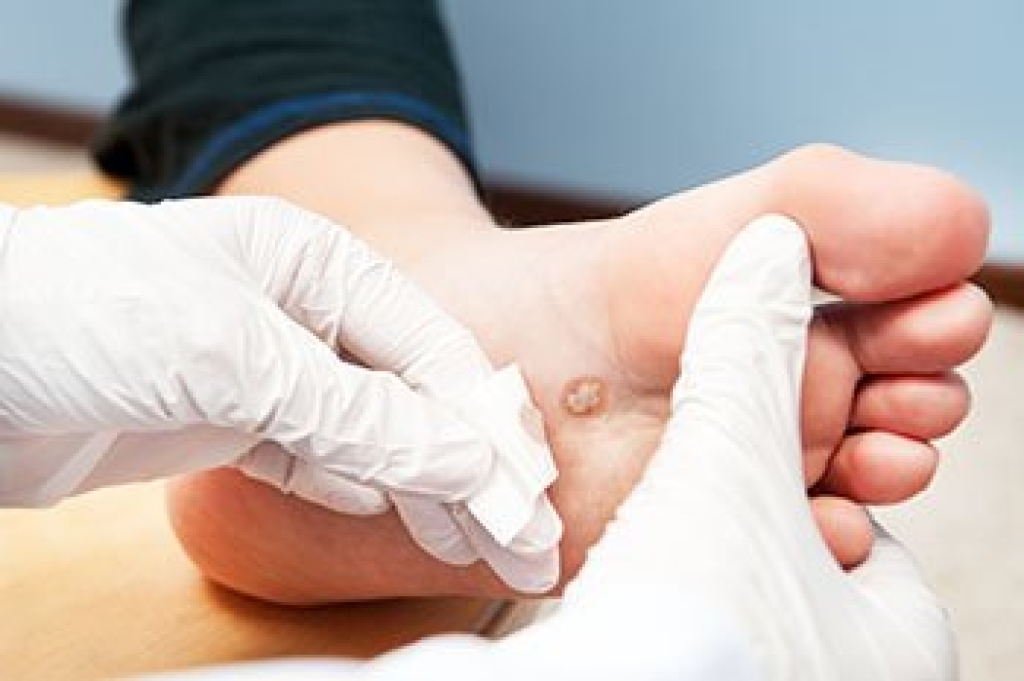
Plantar warts, small growths caused by the human papillomavirus, or HPV, are notorious for cropping up on the soles of the feet, bringing discomfort and annoyance. Understanding the triggers behind their occurrence is essential for prevention. The virus thrives in warm, moist environments, making communal spaces like swimming pools, locker rooms, and public showers prime breeding grounds. Walking barefoot in these areas increases the risk of viral exposure. Additionally, cuts or abrasions on the soles create entry points for the virus, facilitating infection. Weakened immune systems, often seen in individuals under stress or with underlying health conditions, make them more susceptible to plantar warts. While direct contact with the virus is the primary mode of transmission, the virus can also be contracted indirectly through contaminated surfaces. Awareness of these triggers empowers individuals to adopt preventive measures, such as wearing protective footwear in public areas and maintaining foot hygiene, to thwart the onset of plantar warts. If you have developed a plantar wart, it is suggested that you consult a podiatrist who can offer the treatment method that is best for you.

Plantar warts can be very uncomfortable. If you need your feet checked, contact Rahil Baxamusa, DPM from Illinois. Our doctor will assist you with all of your foot and ankle needs.

About Plantar Warts

Plantar warts are the result of HPV, or human papillomavirus, getting into open wounds on the feet. They are mostly found on the heels or balls of the feet.

While plantar warts are generally harmless, those experiencing excessive pain or those suffering from diabetes or a compromised immune system require immediate medical care. Plantar warts are easily diagnosed, usually through scraping off a bit of rough skin or by getting a biopsy.

Symptoms

  • Lesions on the bottom of your feet, usually rough and grainy
  • Hard or thick callused spots
  • Wart seeds, which are small clotted blood vessels that look like little black spots
  • Pain, discomfort, or tenderness of your feet when walking or standing

Treatment

  • Freezing
  • Electric tool removal
  • Laser Treatment
  • Topical Creams (prescription only)
  • Over-the-counter medications

To help prevent developing plantar warts, avoid walking barefoot over abrasive surfaces that can cause cuts or wounds for HPV to get into. Avoiding direct contact with other warts, as well as not picking or rubbing existing warts, can help prevent the further spread of plantar warts. However, if you think you have developed plantar warts, speak to your podiatrist. He or she can diagnose the warts on your feet and recommend the appropriate treatment options.

If you have any questions, please feel free to contact our office located in Crystal Lake, IL . We offer the newest diagnostic and treatment technologies for all your foot care needs.
Read more about Plantar Warts

Connect With Us