Have your feet inspected by a professional before starting a new sport or physical activity. Taking charge of your foot health will keep you in good physical condition and can help you avoid a potential injury, such as a fracture or sprained ankle.
Pickleball is a popular sport, and it is a combination of tennis and badminton. Research has shown the average age for players is approximately 40 years old and a large percentage of players are over the age of 55. This sport involves the feet moving suddenly in all directions, which may put stress on the ligaments and tendons surrounding the ankle joint. Many people endure ankle injuries, but the range of motion may be maintained when an ankle brace is worn. Achilles tendonitis is another injury that pickleball players may be prone to. This can happen as a result of repetitive stress to the Achilles tendon. It is in the back of the lower leg, and it connects the heel to the calf muscles. Heel pain may accompany this type of injury. Additionally, the heel may become bruised from playing on hard surfaces, which may lead to plantar fasciitis. This is a tearing or inflammation of the plantar fascia, which is found on the sole of the foot and connects the heel to the toes. If you are interested in playing pickleball, it is suggested that you speak with a podiatrist who can inform you of effective methods to help prevent foot injuries.
Foot Pain
Foot pain can be extremely painful and debilitating. If you have a foot pain, consult with Rahil Baxamusa, DPM from Illinois. Our doctor will assess your condition and provide you with quality foot and ankle treatment.
Causes
Foot pain is a very broad condition that could be caused by one or more ailments. The most common include:
Bunions
Hammertoes
Plantar Fasciitis
Bone Spurs
Corns
Tarsal Tunnel Syndrome
Ingrown Toenails
Arthritis (such as Gout, Rheumatoid, and Osteoarthritis)
To figure out the cause of foot pain, podiatrists utilize several different methods. This can range from simple visual inspections and sensation tests to X-rays and MRI scans. Prior medical history, family medical history, and any recent physical traumatic events will all be taken into consideration for a proper diagnosis.
Treatment
Treatment depends upon the cause of the foot pain. Whether it is resting, staying off the foot, or having surgery; podiatrists have a number of treatment options available for foot pain.
If you have any questions, please feel free to contact our office located in Crystal Lake, IL. We offer the newest diagnostic and treatment technologies for all your foot care needs.
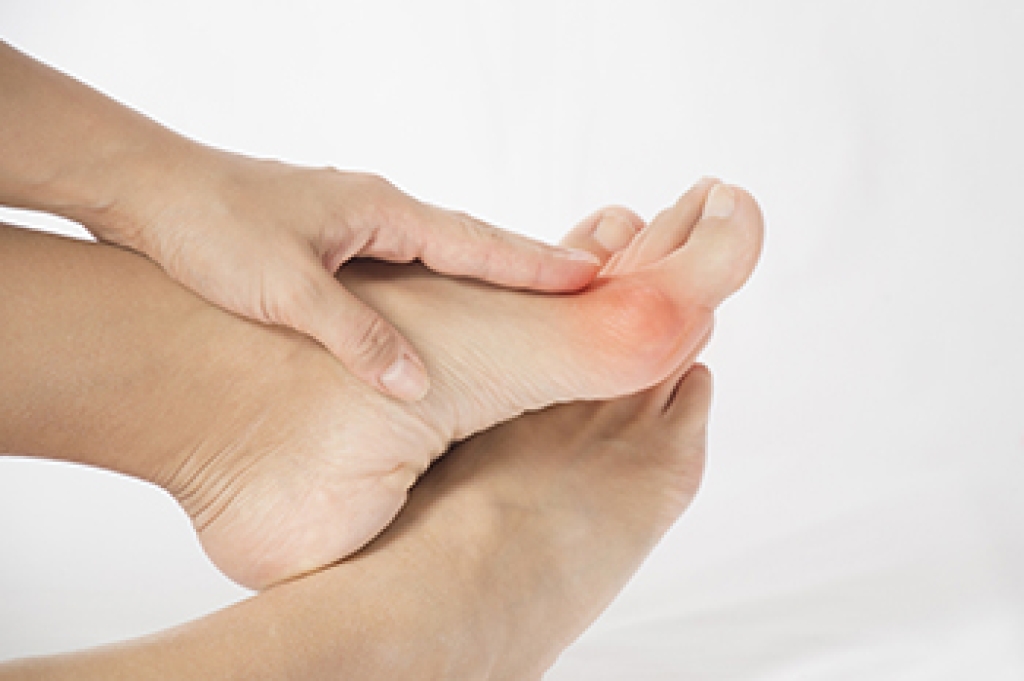
Bunions are a common affliction of the foot in which the bones in the feet are misaligned, resulting in a bony bulge at the base of the big toe. The underlying causes of bunion might be genetic or related to some kind of injury to the big toe. It is common for some individuals with bunions to possibly mistake their bunion for another condition of the foot, such as sesamoiditis. However, the two conditions are importantly different. Although both bunions and sesamoiditis can affect the big toe, sesamoiditis is characterized by the inflammation of the two sesamoid bones that float below the big toe joint. This inflammation can occur as a result of overuse. Bunions, by contrast, are primarily characterized by the bony bulge at the sides of the big toes. If you are someone who believes that they may have bunions or a related condition, it is suggested that you contact a podiatrist to make an appointment.
If you are suffering from bunions, contact Rahil Baxamusa, DPM of Illinois. Our doctor can provide the care you need to keep you pain-free and on your feet.
What Is a Bunion?
A bunion is formed of swollen tissue or an enlargement of boney growth, usually located at the base joint of the toe that connects to the foot. The swelling occurs due to the bones in the big toe shifting inward, which impacts the other toes of the foot. This causes the area around the base of the big toe to become inflamed and painful.
Why Do Bunions Form?
Genetics – Susceptibility to bunions are often hereditary
Stress on the feet – Poorly fitted and uncomfortable footwear that places stress on feet, such as heels, can worsen existing bunions
How Are Bunions Diagnosed?
Podiatrists often perform two tests – blood tests and x-rays – when trying to diagnose bunions, especially in the early stages of development. Blood tests help determine if the foot pain is being caused by something else, such as arthritis, while x-rays provide a clear picture of your bone structure to your provider.
How Are Bunions Treated?
Refrain from wearing heels or similar shoes that cause discomfort
Select wider shoes that can provide more comfort and reduce pain
Anti-inflammatory and pain management drugs
Orthotics or foot inserts
Surgery
If you have any questions, please feel free to contact our office located in Crystal Lake, IL. We offer the newest diagnostic and treatment technologies for all your foot care needs.
An injury that occurs to the big toe can wreak havoc on people who enjoy running. Toe pain can be a common injury thatmay cause difficulty maintaining leverage while running. There are several joints in the big toe, and they work together to create balance. Older people may experience toe injuries more frequently than younger runners due to degenerative joint changes that occur with aging. There are various reasons for big toe pain, including a form of arthritis known as hallux rigidus. A bunion can also cause big toe pain as the toe may gradually shift toward the smaller toes. Additionally, the condition known as turf toe can be more common among athletes and may cause damage to the ligaments. If you have toe pain for any reason, it is suggested that you seek the counsel of a podiatrist who can effectively diagnose and treat your ailment.
Toe pain can disrupt your daily activities. If you have any concerns, contact Rahil Baxamusa, DPM of Illinois. Our doctor can provide the care you need to keep you pain-free and on your feet.
What Causes Toe Pain?
Most severe toe pain is caused due to a sports injury, trauma from dropping something heavy on the toe, or bumping into something rigid. Other problems can develop over time for various reasons.
Toe pain can be caused by one or more ailments. The most common include:
Trauma
Sports injury
Wearing shoes that are too tight
Arthritis
Gout
Corns and calluses
Hammertoe
Bunions
Blisters
Ingrown toenails
Sprains
Fractures (broken bones)
Dislocations
When to See a Podiatrist
Severe pain
Persistent pain that lasts more than a week
Signs of infection
Continued swelling
Pain that prevents walking
Diagnosis
In many cases the cause of toe pain is obvious, but in others, a podiatrist may want to use more advanced methods to determine the problem. These can range from simple visual inspections and sensation tests to X-rays and MRI scans. Prior medical history, family medical history, and any recent physical traumatic events will all be taken into consideration for a proper diagnosis.
Treatment
Treatments for toe pain and injuries vary and may include shoe inserts, padding, taping, medicines, injections, and in some cases, surgery. If you believe that you have broken a toe, please see a podiatrist as soon as possible.
If you have any questions please contact our office located in Crystal Lake, IL. We offer the newest diagnostic and treatment technologies for all your foot and ankle needs.
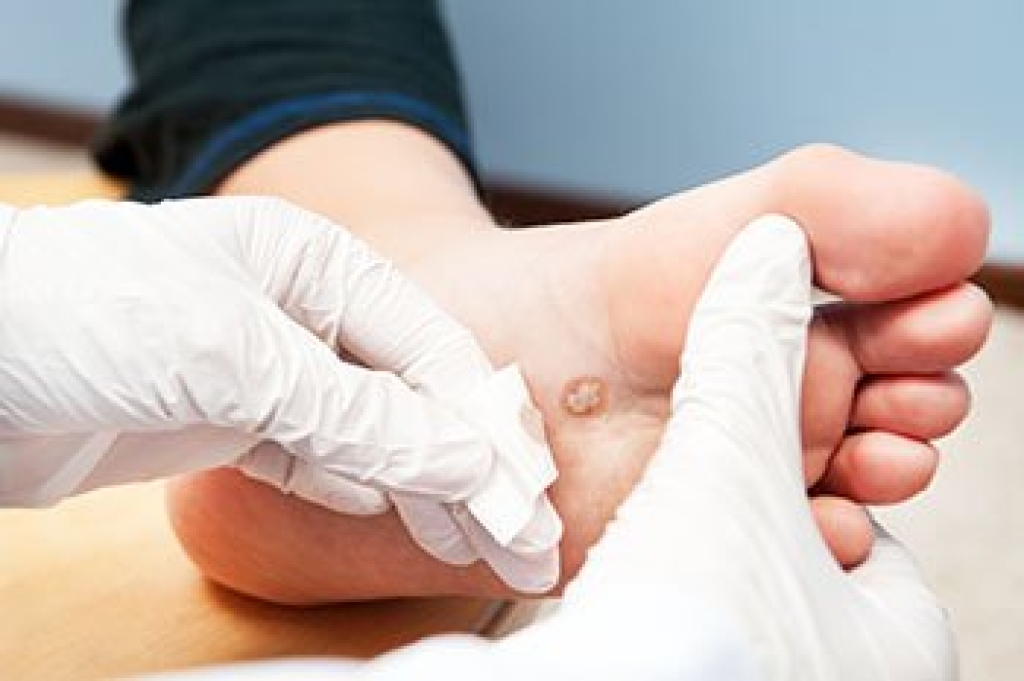
Plantar warts can cause a considerable amount of pain and discomfort. They occur when the human papillomavirus, which is abbreviated as HPV, enters the body through small cracks in the skin on the feet. They are found on the soles of the feet and grow inward as a result of the weight the feet endure while walking and running, possibly causing severe pain. A plantar wart is a small bump with a rough consistency, and it often has small black dots in the center. Certain people may be prone to getting a plantar wart, including people who have a weakened immune system, or it may come from sharing shoes, towels, and socks. There are various treatment methods that can be used on plantar warts, and it is suggested that you confer with a podiatrist who can determine what the best course of treatment is for you.
Plantar warts can be very uncomfortable. If you need your feet checked, contact Rahil Baxamusa, DPM from Illinois. Our doctor will assist you with all of your foot and ankle needs.
About Plantar Warts
Plantar warts are the result of HPV, or human papillomavirus, getting into open wounds on the feet. They are mostly found on the heels or balls of the feet.
While plantar warts are generally harmless, those experiencing excessive pain or those suffering from diabetes or a compromised immune system require immediate medical care. Plantar warts are easily diagnosed, usually through scraping off a bit of rough skin or by getting a biopsy.
Symptoms
Lesions on the bottom of your feet, usually rough and grainy
Hard or thick callused spots
Wart seeds, which are small clotted blood vessels that look like little black spots
Pain, discomfort, or tenderness of your feet when walking or standing
Treatment
Freezing
Electric tool removal
Laser Treatment
Topical Creams (prescription only)
Over-the-counter medications
To help prevent developing plantar warts, avoid walking barefoot over abrasive surfaces that can cause cuts or wounds for HPV to get into. Avoiding direct contact with other warts, as well as not picking or rubbing existing warts, can help prevent the further spread of plantar warts. However, if you think you have developed plantar warts, speak to your podiatrist. He or she can diagnose the warts on your feet and recommend the appropriate treatment options.
If you have any questions, please feel free to contact our office located in Crystal Lake, IL. We offer the newest diagnostic and treatment technologies for all your foot care needs.