Foot Pain Is Possible When a Fall Occurs

There are many elderly people around the globe who fall, often resulting in having foot pain. This can range from breaking a foot to twisting an ankle. Falling can invoke fear, which can limit the feeling of independence. This is a serious concern, and there are simple methods that can be implemented which can help to reduce falling episodes. Replacing worn rugs, improving lighting in the living environment, and wearing shoes that fit correctly can all help in diminishing the risk of falling. Additionally, it is beneficial to have routine physical and eye examinations which are helpful in updating existing medications and eyeglasses. Many falls happen in the bathroom. It is strongly urged that grab bars are installed in the toilet area, and a bathmat is used in the shower. For more tips on how to practice effective fall prevention techniques, please confer with a podiatrist who can guide you toward the right methods.

Preventing falls among the elderly is very important. If you are older and have fallen or fear that you are prone to falling, consult with Rahil Baxamusa, DPM from Illinois. Our doctor will assess your condition and provide you with quality advice and care.

Every 11 seconds, an elderly American is being treated in an emergency room for a fall related injury. Falls are the leading cause of head and hip injuries for those 65 and older. Due to decreases in strength, balance, senses, and lack of awareness, elderly persons are very susceptible to falling. Thankfully, there are a number of things older persons can do to prevent falls.

How to Prevent Falls

Some effective methods that older persons can do to prevent falls include:

  • Enrolling in strength and balance exercise program to increase balance and strength
  • Periodically having your sight and hearing checked
  • Discuss any medications you have with a doctor to see if it increases the risk of falling
  • Clearing the house of falling hazards and installing devices like grab bars and railings
  • Utilizing a walker or cane
  • Wearing shoes that provide good support and cushioning
  • Talking to family members about falling and increasing awareness

Falling can be a traumatic and embarrassing experience for elderly persons; this can make them less willing to leave the house, and less willing to talk to someone about their fears of falling. Doing such things, however, will increase the likelihood of tripping or losing one’s balance. Knowing the causes of falling and how to prevent them is the best way to mitigate the risk of serious injury.  

If you have any questions, please feel free to contact our office located in Crystal Lake, IL . We offer the newest diagnostic and treatment technologies for all your foot care needs.


Read more about Falls Prevention

Several Areas of the Foot Can Be Painful

There are several areas of the foot that can become painful. Some people experience toe pain, heel pain, or even toenail pain when specific shoes are worn, or activities are pursued. Plantar fasciitis is a common foot condition that can cause severe pain and discomfort, and treatment is suggested to begin at the first signs of pain. Heel pain is often associated with this condition, and may radiate to the Achilles tendon. Toe pain may be the result of the ailment known as gout, or it may develop from having a bunion. Additionally, corns can cause extreme pain, especially when one forms on the outside of the pinky toe. Pain in the toenails may be what is referred to as a subungual hematoma, and can happen from excessive rubbing of the toes against the shoe. Extensor tendonitis may be the cause for pain on top of the foot, which can be accompanied by swelling and difficulty in running. If you have pain in any area of your foot, it is strongly suggested that you seek the expert advice from a podiatrist who can determine why it is occurring, and treat it accordingly. 

Foot Pain

Foot pain can be extremely painful and debilitating. If you have a foot pain, consult with Rahil Baxamusa, DPM from Illinois. Our doctor will assess your condition and provide you with quality foot and ankle treatment.

Causes

Foot pain is a very broad condition that could be caused by one or more ailments. The most common include:

  • Bunions
  • Hammertoes
  • Plantar Fasciitis
  • Bone Spurs
  • Corns
  • Tarsal Tunnel Syndrome
  • Ingrown Toenails
  • Arthritis (such as Gout, Rheumatoid, and Osteoarthritis)
  • Flat Feet
  • Injury (from stress fractures, broken toe, foot, ankle, Achilles tendon ruptures, and sprains)
  • And more

Diagnosis

To figure out the cause of foot pain, podiatrists utilize several different methods. This can range from simple visual inspections and sensation tests to X-rays and MRI scans. Prior medical history, family medical history, and any recent physical traumatic events will all be taken into consideration for a proper diagnosis.

Treatment

Treatment depends upon the cause of the foot pain. Whether it is resting, staying off the foot, or having surgery; podiatrists have a number of treatment options available for foot pain.

If you have any questions, please feel free to contact our office located in Crystal Lake, IL . We offer the newest diagnostic and treatment technologies for all your foot care needs.

Read more about Foot Pain

Are You Suffering From Nerve Damage?

Neuropathy is a condition that can lead to numbness or loss of sensation in the feet, but it can also cause pain. This condition is more likely to develop for those who are diabetic, obese, or with high blood pressure.

What Does Sever’s Disease Feel Like?

  1. Sever’s disease, or calcaneal apophysitis, is a particular kind of foot condition that can occur in children when microfractures develop near where the Achilles tendon meets the heel bone. Young boys are most susceptible to developing Sever’s disease, often from overuse due to playing sports or other physical activities. Although it may vary from person to person, Sever’s disease often produces a kind of heel pain. In some patients, the heel pain can be quite painful. A child may have a severe kind of heel pain that causes limping. Oftentimes, a child will not feel any swelling around the affected area. Sever’s disease can sometimes feel like plantar fasciitis, another source of heel pain. However, one important distinction between the two is that heel pain from plantar fasciitis is typically most pronounced at the beginning of the commencement of movement and will then go away. If you suspect that your child has Sever’s disease, consult a podiatrist today.

Sever's disease often occurs in children and teens. If your child is experiencing foot or ankle pain, see Rahil Baxamusa, DPM from Illinois. Our doctor can treat your child’s foot and ankle needs.

Sever’s Disease

Sever’s disease is also known as calcaneal apophysitis, which is a medical condition that causes heel pain I none or both feet. The disease is known to affect children between the ages of 8 and 14.

Sever’s disease occurs when part of the child’s heel known as the growth plate (calcaneal epiphysis) is attached to the Achilles tendon. This area can suffer injury when the muscles and tendons of the growing foot do not keep pace with bone growth. Therefore, the constant pain which one experiences at the back of the heel will make the child unable to put any weight on the heel. The child is then forced to walk on their toes.

Symptoms

Acute pain – Pain associated with Sever’s disease is usually felt in the heel when the child engages in physical activity such as walking, jumping and or running.

Highly active – Children who are very active are among the most susceptible in experiencing Sever’s disease, because of the stress and tension placed on their feet.

If you have any questions, please feel free to contact our office located in Crystal Lake, IL . We offer the newest diagnostic and treatment technologies for all your foot care needs.
Read more about Sever's Disease

Various Types of Wounds on the Feet

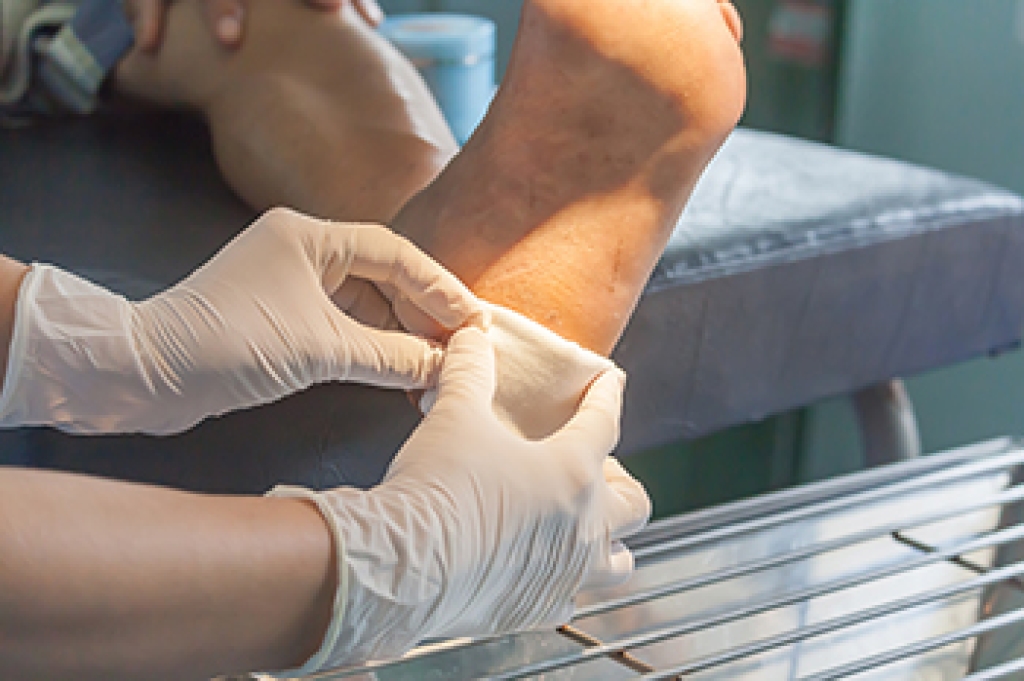
A diabetic foot ulcer is a common foot wound. Without prompt medical treatment, it can quickly become infected, possibly lead to gangrene, and amputation. There are different types of foot ulcers, and they fall into three categories. There are diabetic foot wounds that are considered to be neuropathic, and the patient generally loses sensation but there is no underlying arterial disease (ischemia). This comprises approximately 35% of foot wounds.  An ischemic wound occurs when the patient retains feeling in the foot but there is an indication of underlying arterial disease. The neuroischemic bracket represents 50% of all foot wounds, and both iscehemia and neuropathy can be present. Effective healing begins with having a healthy environment for the wound to heal, in addition to the patient having little or no health issues. Most wounds begin healing by accessing the cause of the wound, followed by removing any damaged tissue from it. It is beneficial to refrain from putting any weight on the foot, and this may help to accelerate the healing process. Treating a wound on the foot is often done by a podiatrist, and it is suggested that you contact this type of doctor who can effectively provide relief treatments.

Wound care is an important part in dealing with diabetes. If you have diabetes and a foot wound or would like more information about wound care for diabetics, consult with Rahil Baxamusa, DPM from Illinois. Our doctor will assess your condition and provide you with quality foot and ankle treatment.

What Is Wound Care?

Wound care is the practice of taking proper care of a wound. This can range from the smallest to the largest of wounds. While everyone can benefit from proper wound care, it is much more important for diabetics. Diabetics often suffer from poor blood circulation which causes wounds to heal much slower than they would in a non-diabetic. 

What Is the Importance of Wound Care?

While it may not seem apparent with small ulcers on the foot, for diabetics, any size ulcer can become infected. Diabetics often also suffer from neuropathy, or nerve loss. This means they might not even feel when they have an ulcer on their foot. If the wound becomes severely infected, amputation may be necessary. Therefore, it is of the upmost importance to properly care for any and all foot wounds.

How to Care for Wounds

The best way to care for foot wounds is to prevent them. For diabetics, this means daily inspections of the feet for any signs of abnormalities or ulcers. It is also recommended to see a podiatrist several times a year for a foot inspection. If you do have an ulcer, run the wound under water to clear dirt from the wound; then apply antibiotic ointment to the wound and cover with a bandage. Bandages should be changed daily and keeping pressure off the wound is smart. It is advised to see a podiatrist, who can keep an eye on it.

If you have any questions please contact our office located in Crystal Lake, IL . We offer the newest diagnostic and treatment technologies for all your foot and ankle needs.

Read more about Wound Care

Connect With Us