
You don't need an excuse to have beautiful nails. Step outside without worrying about the appearance of your feet.
You don't need an excuse to have beautiful nails. Step outside without worrying about the appearance of your feet.
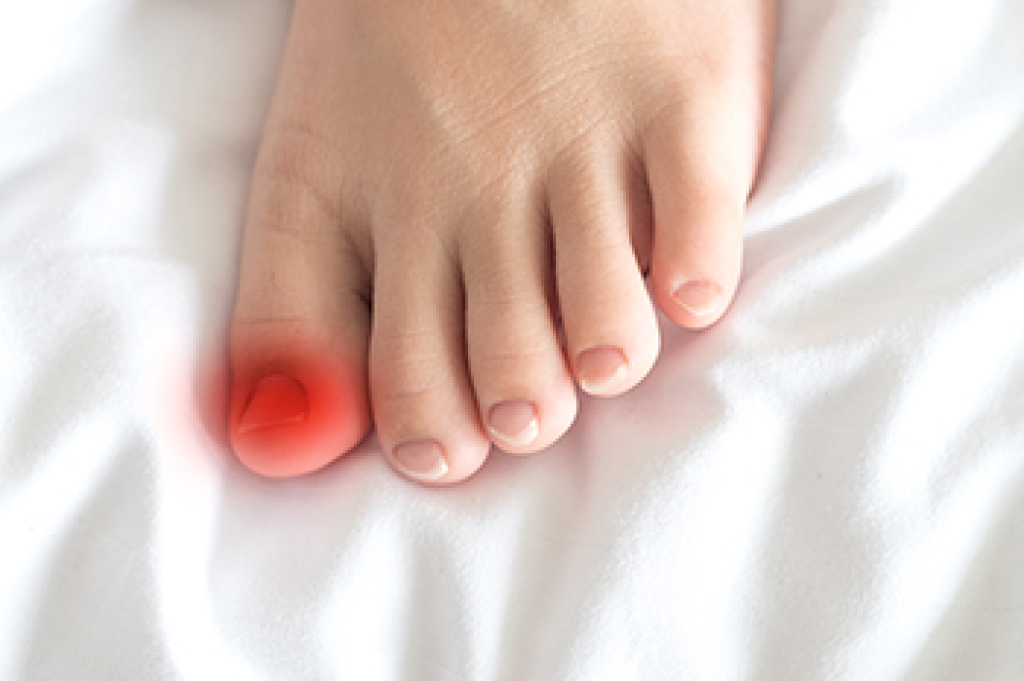
Toenails grow over the skin, and an ingrown toenail occurs when the nail grows into the skin instead of over it. This can be an extremely painful foot condition, and may be caused by genetic reasons, or from wearing shoes that are too tight. It may also happen if a toe injury has occurred, such as stubbing the foot against a piece of furniture. Research has indicated that having poor posture may lead to developing an ingrown toenail. This may cause the toes to push together, and pressure can be exerted on them as they grow. Additionally, a common reason to have an ingrown toenail can be from cutting the toenails incorrectly, or from having poor foot hygiene. If you have an ingrown toenail, it is strongly suggested that you are under the care of a podiatrist who can correct this painful condition, which may include surgery for permanent relief.
Ingrown toenails may initially present themselves as a minor discomfort, but they may progress into an infection in the skin without proper treatment. For more information about ingrown toenails, contact Rahil Baxamusa, DPM of Illinois. Our doctor can provide the care you need to keep you pain-free and on your feet.
Ingrown Toenails
Ingrown toenails are caused when the corner or side of a toenail grows into the soft flesh surrounding it. They often result in redness, swelling, pain, and in some cases, infection. This condition typically affects the big toe and may recur if it is not treated properly.
Causes
You are more likely to develop an ingrown toenail if you are obese, have diabetes, arthritis, or have any fungal infection in your nails. Additionally, people who have foot or toe deformities are at a higher risk of developing an ingrown toenail.
Symptoms
Some symptoms of ingrown toenails are redness, swelling, and pain. In rare cases, there may be a yellowish drainage coming from the nail.
Treatment
Ignoring an ingrown toenail can have serious complications. Infections of the nail border can progress to a deeper soft-tissue infection, which can then turn into a bone infection. You should always speak with your podiatrist if you suspect you have an ingrown toenail, especially if you have diabetes or poor circulation.
If you have any questions, please feel free to contact our office located in Crystal Lake, IL . We offer the newest diagnostic and treatment technologies for all your foot care needs.

Any runner knows that preventing a running injury by looking after the health of the feet is an essential part of being a good runner. One way in which a runner can do this is by performing balance enhancing stretches. For example, to improve balance, a runner may consider performing a single leg balance stretch and squat. During this stretch, a runner stands on one leg while slowly and squatting repeatedly. By doing this stretch, a runner can essentially improve the extent to which they land evenly on each foot while running. If you are a runner looking to prevent the onset of running injuries, then it is suggested that you confer with a podiatrist today for advice and possible treatment.
All runners should take extra precaution when trying to avoid injury. If you have any concerns about your feet, contact Rahil Baxamusa, DPM of Illinois. Our doctor will treat your foot and ankle needs.
How to Prevent Running Injuries
There are a lot of mistakes a runner can make prior to a workout that can induce injury. A lot of athletes tend to overstretch before running, instead of saving those workouts for a post-run routine. Deep lunges and hand-to-toe hamstring pulls should be performed after a workout instead of during a warmup. Another common mistake is jumping into an intense routine before your body is physically prepared for it. You should try to ease your way into long-distance running instead of forcing yourself to rush into it.
More Tips for Preventing Injury
If you have any questions, please feel free to contact our office located in Crystal Lake, IL . We offer the newest diagnostic and treatment technologies for all your foot care needs.

A plantar fibroma causes soft tissue swelling in the sole of the foot. Sometimes when a patient has this affliction, one or more nodules can form in the soft tissue of the feet. It can happen in one foot or both feet at the same time. This condition can cause painful swelling in the feet and walking can be difficult. Plantar fibromas can be confused with benign Morton neuromas, cysts or more serious and malignant sarcomas. If you have swelling or uncomfortable foot nodules, it is strongly suggested that you make an appointment with a podiatrist. This foot and ankle expert can provide a proper diagnosis using radiographic imaging and suggest appropriate treatment.
A plantar fibroma may disrupt your daily activities. If you have any concerns, contact Rahil Baxamusa, DPM of Illinois. Our doctor can provide the care you need to keep you pain-free and on your feet.
Plantar Fibroma
A plantar fibroma is a fibrous knot in the arch of the foot. It is embedded in the plantar fascia which is a band of tissue that extends from the heel to the toes along the bottom of the foot. There can be multiple plantar fibromas in the feet at the same time. There are no known causes for this condition. If you have a plantar fibroma, there will be a bump in the arch of your foot that cannot be missed. Any associated pain is most often due to a shoe rubbing against the nodule. Non-surgical options, such as steroid injections, physical therapy, and orthotics should be tried first. Surgery is a last resort and is the only thing that will remove a plantar fibroma entirely. Consult with a podiatrist for a proper diagnosis and to determine the treatment regimen that is right for you.
What Causes a Plantar Fibroma?
While there are no specific causes identified, a plantar fibroma can possibly come from genetic predisposition or the formation of scar tissue that forms from healing the tears in the plantar fascia.
What Are the Symptoms of a Plantar Fibroma?
There will be a noticeable lump in the arch of the foot that may or may not cause pain. If pain is felt, it is typically because a shoe is rubbing up against the lump or when walking or standing barefoot.
Treatment and Prevention
A plantar fibroma will not disappear without treatment, but it can get smaller and be a non-issue. If pain persists, a podiatrist examines the foot and when the arch of the foot is pressed, pain can be felt down to the toes. An MRI or biopsy might be performed to help diagnose or evaluate the plantar fibroma. The following non-surgical options are generally enough to reduce the size and pain of these nodules:
Surgery is considered if the mass increases in size and the patient continues to feel pain after non-surgical methods are tried.
If you have any questions, please feel free to contact our office located in Crystal Lake, IL . We offer the newest diagnostic and treatment technologies for all your foot care needs.
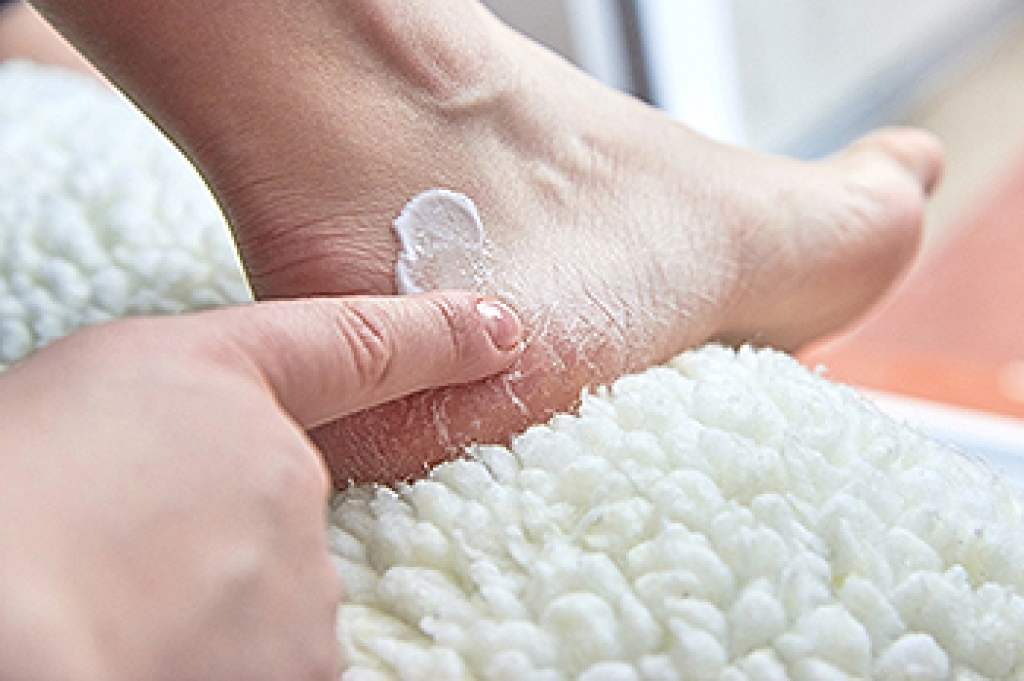
Having dry skin on the heels is common. It can lead to a foot condition that is known as cracked heels, and be quite uncomfortable. Untreated cracks in the skin can develop into fissures, which may bleed and become infected. The feet do not have oil glands, and they can dry out quicker than other parts of the body. Cracked heels can be caused by weaning shoes that have an open back, such as flip-flops or sandals. These types of shoes may put additional pressure on the heels' fat pads, and the skin may dry out. There may be existing medical conditions that can lead to developing cracked heels. These can include psoriasis, eczema, diabetes, or thyroid disorders. Mild relief may be found when the feet are frequently soaked in warm water, followed by removing any dead skin, which is referred to as exfoliating. Additionally, applying a good moisturizer may help the skin to feel soft and cause any dead skin to naturally fall off. If you have cracked heels, it is suggested that you confer with a podiatrist who can offer you additional treatment methods.
If the skin on your feet starts to crack, you may want to see a podiatrist to find treatment. If you have any concerns, contact Rahil Baxamusa, DPM from Illinois. Our doctor can provide the care you need to keep you pain-free and on your feet.
Cracked Heels
It is important to moisturize your cracked heels in order to prevent pain, bleeding, and infection. The reason cracked heels form is because the skin on the foot is too dry to support the immense pressure placed on them. When the foot expands, the dry skin on the foot begins to split.
Ways to Help Heal Them
Ways to Prevent Cracked Heels
If you are unsure how to proceed in treating cracked heels, seek guidance from a podiatrist. Your doctor will help you with any questions or information you may need.
If you have any questions, please feel free to contact our office located in Crystal Lake, IL . We offer the newest diagnostic and treatment technologies for all your foot care needs.

Do you suffer from heel pain when you get up in the morning? If so, you should seek professional help and have a proper diagnosis performed. Heel pain can be caused by several different foot-related conditions.

The feet bear the weight of the body, and it is not surprising they can begin to hurt. Many people have flat feet and can have consistent aching. Wearing orthotics may help to provide an arch, in addition to performing balancing exercises. A common foot condition that is known as plantar fasciitis can cause debilitating heel pain. It affects the plantar fascia, which connects the heel to the toes and is found on the sole of the foot. The plantar fascia can become torn for various reasons, and the condition might worsen until medical treatment is sought. Some people experience pain that surrounds the toes, and this is known as metatarsalgia. It can come from repetitive stress during specific exercises or may happen from excessive running. Pain that develops at the bottom of the big toe may be known as turf toe. It can happen from frequently kicking a soccer ball, or from participating in similar kinds of sports. If you have foot pain, it is suggested that you speak with a podiatrist who can diagnose and treat various foot problems.
Foot Pain
Foot pain can be extremely painful and debilitating. If you have a foot pain, consult with Rahil Baxamusa, DPM from Illinois. Our doctor will assess your condition and provide you with quality foot and ankle treatment.
Causes
Foot pain is a very broad condition that could be caused by one or more ailments. The most common include:
Diagnosis
To figure out the cause of foot pain, podiatrists utilize several different methods. This can range from simple visual inspections and sensation tests to X-rays and MRI scans. Prior medical history, family medical history, and any recent physical traumatic events will all be taken into consideration for a proper diagnosis.
Treatment
Treatment depends upon the cause of the foot pain. Whether it is resting, staying off the foot, or having surgery; podiatrists have a number of treatment options available for foot pain.
If you have any questions, please feel free to contact our office located in Crystal Lake, IL . We offer the newest diagnostic and treatment technologies for all your foot care needs.

Heel pain can be common in children and young teenagers who frequently participate in running and jumping activities. It may indicate Sever’s disease, which is an inflammation of the growth plate in the heel. Sever's disease occurs due to overuse and increased body weight, and it generally happens in the early teenage years during a growth spurt. Parents may notice their child is limping or walking on their tiptoes, and the pain may be worse in the morning. A diagnosis consists of having a physical examination performed, and treatment can begin by learning how to manage the symptoms. It is beneficial to stop the activity that caused the condition. Some relief may be found when the foot is frequently elevated. There are specific stretches that can be performed to strengthen the affected foot. If your active child has heel pain, it is strongly suggested that a podiatrist is contacted who can diagnose and treat Sever’s disease.
Sever's disease often occurs in children and teens. If your child is experiencing foot or ankle pain, see Rahil Baxamusa, DPM from Illinois. Our doctor can treat your child’s foot and ankle needs.
Sever’s Disease
Sever’s disease is also known as calcaneal apophysitis, which is a medical condition that causes heel pain I none or both feet. The disease is known to affect children between the ages of 8 and 14.
Sever’s disease occurs when part of the child’s heel known as the growth plate (calcaneal epiphysis) is attached to the Achilles tendon. This area can suffer injury when the muscles and tendons of the growing foot do not keep pace with bone growth. Therefore, the constant pain which one experiences at the back of the heel will make the child unable to put any weight on the heel. The child is then forced to walk on their toes.
Symptoms
Acute pain – Pain associated with Sever’s disease is usually felt in the heel when the child engages in physical activity such as walking, jumping and or running.
Highly active – Children who are very active are among the most susceptible in experiencing Sever’s disease, because of the stress and tension placed on their feet.
If you have any questions, please feel free to contact our office located in Crystal Lake, IL . We offer the newest diagnostic and treatment technologies for all your foot care needs.

Bunions are uncomfortable bony bumps that can develop on the side of the feet. Typically, bunions form on the outside of the foot near the big toe. However, smaller bunions may also develop on the outside of the foot near the pinky toe. When an individual ages, they may become increasingly susceptible to foot conditions, such as bunions. Many senior adults who have bunions often wonder whether bunion surgery is a suitable option for them. The answer is slightly complicated and dependent on each individual patient. It is important to note that an older individual can undergo a surgery to address their bunions. However, it is equally important to note that several age-related conditions may make bunion surgery less feasible. For example, diabetes, obesity, and weak bone health may increase the risks associated with surgery for bunions. If you are a senior living with bunions and would like to inquire about possible surgical procedures, it is recommended that you consult a podiatrist today.
If you are suffering from bunions, contact Rahil Baxamusa, DPM of Illinois. Our doctor can provide the care you need to keep you pain-free and on your feet.
What Is a Bunion?
A bunion is formed of swollen tissue or an enlargement of boney growth, usually located at the base joint of the toe that connects to the foot. The swelling occurs due to the bones in the big toe shifting inward, which impacts the other toes of the foot. This causes the area around the base of the big toe to become inflamed and painful.
Why Do Bunions Form?
Genetics – Susceptibility to bunions are often hereditary
Stress on the feet – Poorly fitted and uncomfortable footwear that places stress on feet, such as heels, can worsen existing bunions
How Are Bunions Diagnosed?
Doctors often perform two tests – blood tests and x-rays – when trying to diagnose bunions, especially in the early stages of development. Blood tests help determine if the foot pain is being caused by something else, such as arthritis, while x-rays provide a clear picture of your bone structure to your doctor.
How Are Bunions Treated?
If you have any questions, please feel free to contact our office located in Crystal Lake, IL . We offer the newest diagnostic and treatment technologies for all your foot care needs.
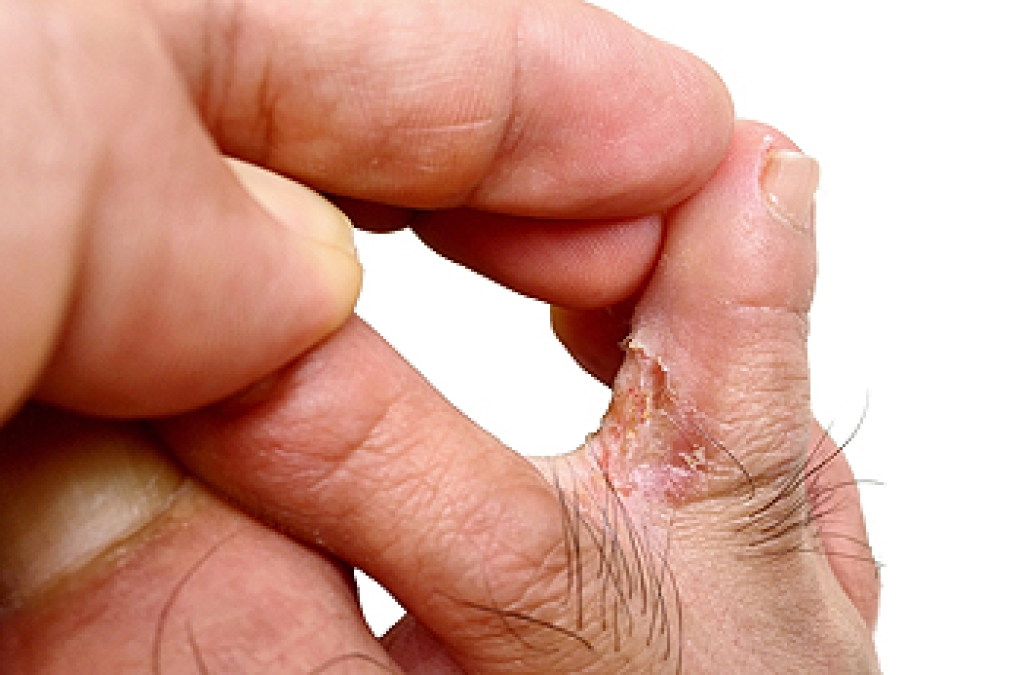
Athlete’s foot is a relatively well-known fungal infection that commonly affects the feet. This highly contagious foot condition, called tinea pedis, can be spread by walking around barefoot in warm, moist environments where the fungal infection thrives. Many patients wonder whether the feet are the only areas of the body that can be impacted by this foot condition. The answer is that the fungal infection might also spread to the hands in certain special cases. When this occurs, this is known as tinea manuum. When this occurs in a patient, they might notice similarities between the symptoms experienced in the hands and the feet. This is one reason why it might be prudent to wash the hands immediately after touching feet infected by athlete’s foot. If you are someone that is currently living with athlete’s foot, it is highly suggested that you contact a podiatrist before it spreads to other parts of the body.
Athlete’s foot is an inconvenient condition that can be easily reduced with the proper treatment. If you have any concerns about your feet and ankles, contact Rahil Baxamusa, DPM from Illinois. Our doctor will treat your foot and ankle needs.
Athlete’s Foot: The Sole Story
Athlete's foot, also known as tinea pedis, can be an extremely contagious foot infection. It is commonly contracted in public changing areas and bathrooms, dormitory style living quarters, around locker rooms and public swimming pools, or anywhere your feet often come into contact with other people.
Solutions to Combat Athlete’s Foot
Athlete’s foot can cause many irritating symptoms such as dry and flaking skin, itching, and redness. Some more severe symptoms can include bleeding and cracked skin, intense itching and burning, and even pain when walking. In the worst cases, Athlete’s foot can cause blistering as well. Speak to your podiatrist for a better understanding of the different causes of Athlete’s foot, as well as help in determining which treatment options are best for you.
If you have any questions please feel free to contact our office located in Crystal Lake, IL . We offer the newest diagnostic and treatment technologies for all your foot and ankle needs.
Connect With Us
