
Custom orthotics, or shoe inserts, should be periodically replaced. Orthotics must fit properly to give you the best results. Protect your feet and ankles!
Custom orthotics, or shoe inserts, should be periodically replaced. Orthotics must fit properly to give you the best results. Protect your feet and ankles!
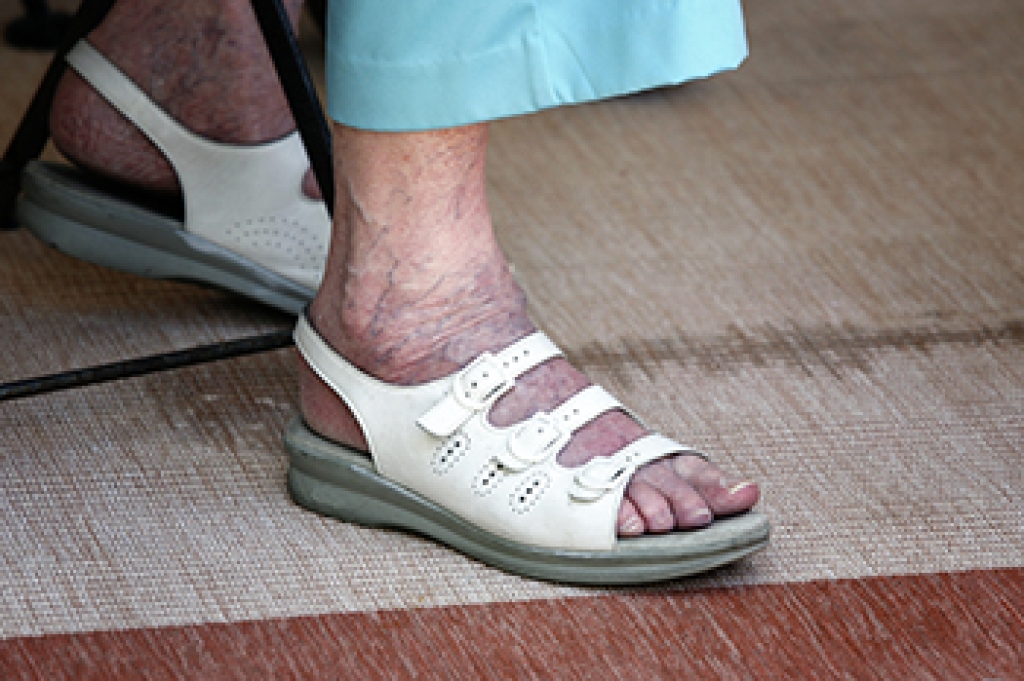
Elderly feet require special attention and care due to the natural aging process and the accumulation of years of wear and tear. As individuals age, the skin becomes thinner and loses elasticity, making it more susceptible to injury and infection. Conditions like arthritis and diabetes, common among the elderly, further compound foot health issues, increasing the risk of complications such as neuropathy, deformities, and slow wound healing. Reduced mobility and circulation also contribute to foot ailments, including swelling, stiffness, and decreased sensation. Neglecting foot health can lead to discomfort, pain, and mobility limitations, significantly impacting quality of life. Regular foot inspections, proper hygiene, and wearing supportive footwear are essential preventative measures. Seeking prompt medical attention for any signs of infection, injury, or discomfort is essential to prevent complications and maintain overall well-being. If you are a senior, or caring for an elderly individual, it is suggested that routine visits are made to a podiatrist where various foot conditions can be treated.
Proper foot care is something many older adults forget to consider. If you have any concerns about your feet and ankles, contact Rahil Baxamusa, DPM from Illinois. Our doctor can provide the care you need to keep you pain-free and on your feet.
The Elderly and Their Feet
As we age we start to notice many changes in our body, but the elder population may not notice them right away. Medical conditions may prevent the elderly to take notice of their foot health right away. Poor vision is a lead contributor to not taking action for the elderly.
Common Conditions
Susceptible Infections
Diabetes and poor circulation can cause general loss of sensitivity over the years, turning a simple cut into a serious issue.
If you have any questions, please feel free to contact our office located in Crystal Lake, IL . We offer the newest diagnostic and treatment technologies for all your foot care needs.

Ankle pain, a prevalent discomfort that can significantly impede daily activities, stems from various underlying factors. One primary cause is ankle sprains, resulting from sudden twists or rolls of the foot, leading to ligament damage and inflammation. Similarly, overuse injuries, such as tendinitis, occur when tendons become inflamed due to repetitive stress or strain, commonly observed in athletes or individuals engaged in strenuous physical activities. Additionally, arthritis, a condition characterized by joint inflammation, can affect the ankle joint, causing pain, stiffness, and swelling. Fractures, often caused by falls, accidents, or high-impact injuries, also contribute to ankle pain, necessitating immediate medical attention. Furthermore, conditions like Achilles tendinitis, plantar fasciitis, and nerve compression syndromes can manifest as ankle discomfort. If you have ankle pain, it is suggested that you visit a podiatrist who can determine what the cause is, and offer you effective relief and treatment options.
Ankle pain can be caused by a number of problems and may be potentially serious. If you have ankle pain, consult with Rahil Baxamusa, DPM from Illinois. Our doctor will assess your condition and provide you with quality foot and ankle treatment.
Ankle pain is any condition that causes pain in the ankle. Due to the fact that the ankle consists of tendons, muscles, bones, and ligaments, ankle pain can come from a number of different conditions.
Causes
The most common causes of ankle pain include:
Symptoms
Symptoms of ankle injury vary based upon the condition. Pain may include general pain and discomfort, swelling, aching, redness, bruising, burning or stabbing sensations, and/or loss of sensation.
Diagnosis
Due to the wide variety of potential causes of ankle pain, podiatrists will utilize a number of different methods to properly diagnose ankle pain. This can include asking for personal and family medical histories and of any recent injuries. Further diagnosis may include sensation tests, a physical examination, and potentially x-rays or other imaging tests.
Treatment
Just as the range of causes varies widely, so do treatments. Some more common treatments are rest, ice packs, keeping pressure off the foot, orthotics and braces, medication for inflammation and pain, and surgery.
If you have any questions please feel free to contact our office located in Crystal Lake, IL . We offer the newest diagnostic tools and technology to treat your foot and ankle needs.

Cuboid syndrome, a lesser-known foot ailment, often eludes mainstream attention. However, its impact can be significant for those affected. This condition occurs when the cuboid bone, situated in the outer midfoot, becomes dislocated or irritated, leading to discomfort and limited mobility. Typically overlooked or misdiagnosed, Cuboid syndrome manifests through symptoms like pain along the outer foot, swelling, and difficulty in bearing weight. One of the perplexing aspects of cuboid syndrome is its elusive nature, often mimicking other foot conditions, complicating accurate diagnosis. It commonly arises from activities involving repetitive stress or sudden trauma to the foot, such as running, dancing, or jumping. Additionally, certain foot structures and gait abnormalities can predispose individuals to this syndrome. Despite its obscurity, recognizing the signs and seeking timely treatment is critical for managing cuboid syndrome effectively. If you have pain in this part of your foot, it is suggested that you consult a podiatrist who can accurately diagnose and treat cuboid syndrome.
Cuboid syndrome, also known as cuboid subluxation, occurs when the joints and ligaments near the cuboid bone in the foot become torn. If you have cuboid syndrome, consult with Rahil Baxamusa, DPM from Illinois. Our doctor will assess your condition and provide you with quality foot and ankle treatment.
Cuboid syndrome is a common cause of lateral foot pain, which is pain on the outside of the foot. The condition may happen suddenly due to an ankle sprain, or it may develop slowly overtime from repetitive tension through the bone and surrounding structures.
Causes
The most common causes of cuboid syndrome include:
Symptoms
A common symptom of cuboid syndrome is pain along the outside of the foot which can be felt in the ankle and toes. This pain may create walking difficulties and may cause those with the condition to walk with a limp.
Diagnosis
Diagnosis of cuboid syndrome is often difficult, and it is often misdiagnosed. X-rays, MRIs and CT scans often fail to properly show the cuboid subluxation. Although there isn’t a specific test used to diagnose cuboid syndrome, your podiatrist will usually check if pain is felt while pressing firmly on the cuboid bone of your foot.
Treatment
Just as the range of causes varies widely, so do treatments. Some more common treatments are ice therapy, rest, exercise, taping, and orthotics.
If you have any questions, please feel free to contact our office located in Crystal Lake, IL . We offer the newest diagnostic and treatment technologies for all your foot care needs.

Achilles tendon pain can arise from various causes and often affects the area where the Achilles tendon inserts into the back of the heel. The Achilles tendon is the largest tendon in the body, connecting the calf muscles to the heel bone, and facilitating activities like walking, running, and jumping. Common causes of Achilles tendon pain include overuse or repetitive strain, resulting in conditions such as Achilles tendinitis or tendinosis. These conditions involve inflammation or degeneration of the tendon due to excessive stress. Acute injuries such as Achilles tendon ruptures can occur from sudden, forceful movements, and are often accompanied by a popping sensation and severe pain. Treatment for Achilles tendon pain typically involves rest, compression, and elevation, in addition to medicine to help reduce pain and inflammation. Stretching exercises and custom-made orthotic devices may be recommended to improve flexibility and strength, which can help to support the Achilles tendon. In severe cases or ruptures, surgery may be necessary to repair the tendon. If you have a painful Achilles tendon, it is suggested that you schedule an appointment with a podiatrist for a proper diagnosis and treatment.
Achilles tendon injuries need immediate attention to avoid future complications. If you have any concerns, contact Rahil Baxamusa, DPM of Illinois. Our doctor can provide the care you need to keep you pain-free and on your feet.
What Is the Achilles Tendon?
The Achilles tendon is a tendon that connects the lower leg muscles and calf to the heel of the foot. It is the strongest tendon in the human body and is essential for making movement possible. Because this tendon is such an integral part of the body, any injuries to it can create immense difficulties and should immediately be presented to a doctor.
What Are the Symptoms of an Achilles Tendon Injury?
There are various types of injuries that can affect the Achilles tendon. The two most common injuries are Achilles tendinitis and ruptures of the tendon.
Achilles Tendinitis Symptoms
Rupture Symptoms
Treatment and Prevention
Achilles tendon injuries are diagnosed by a thorough physical evaluation, which can include an MRI. Treatment involves rest, physical therapy, and in some cases, surgery. However, various preventative measures can be taken to avoid these injuries, such as:
If you have any questions please feel free to contact our office located in Crystal Lake, IL . We offer the newest diagnostic tools and technology to treat your foot and ankle needs.
Connect With Us
