Facts About Cuboid Syndrome

Cuboid syndrome, a lesser-known foot ailment, often eludes mainstream attention. However, its impact can be significant for those affected. This condition occurs when the cuboid bone, situated in the outer midfoot, becomes dislocated or irritated, leading to discomfort and limited mobility. Typically overlooked or misdiagnosed, Cuboid syndrome manifests through symptoms like pain along the outer foot, swelling, and difficulty in bearing weight. One of the perplexing aspects of cuboid syndrome is its elusive nature, often mimicking other foot conditions, complicating accurate diagnosis. It commonly arises from activities involving repetitive stress or sudden trauma to the foot, such as running, dancing, or jumping. Additionally, certain foot structures and gait abnormalities can predispose individuals to this syndrome. Despite its obscurity, recognizing the signs and seeking timely treatment is critical for managing cuboid syndrome effectively. If you have pain in this part of your foot, it is suggested that you consult a podiatrist who can accurately diagnose and treat cuboid syndrome.

Cuboid syndrome, also known as cuboid subluxation, occurs when the joints and ligaments near the cuboid bone in the foot become torn. If you have cuboid syndrome, consult with Rahil Baxamusa, DPM from Illinois. Our doctor will assess your condition and provide you with quality foot and ankle treatment.

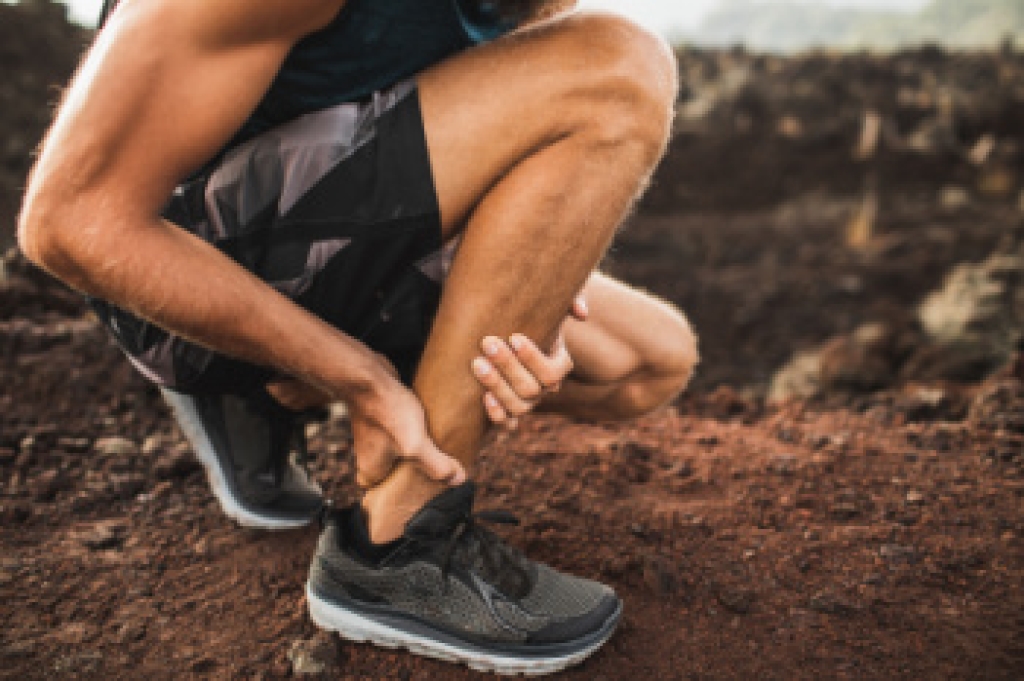
Cuboid syndrome is a common cause of lateral foot pain, which is pain on the outside of the foot. The condition may happen suddenly due to an ankle sprain, or it may develop slowly overtime from repetitive tension through the bone and surrounding structures.

Causes

The most common causes of cuboid syndrome include:

  • Injury – The most common cause of this ailment is an ankle sprain.
  • Repetitive Strain – Tension placed through the peroneus longus muscle from repetitive activities such as jumping and running may cause excessive traction on the bone causing it to sublux.
  • Altered Foot Biomechanics – Most people suffering from cuboid subluxation have flat feet.

Symptoms

A common symptom of cuboid syndrome is pain along the outside of the foot which can be felt in the ankle and toes. This pain may create walking difficulties and may cause those with the condition to walk with a limp.

Diagnosis

Diagnosis of cuboid syndrome is often difficult, and it is often misdiagnosed. X-rays, MRIs and CT scans often fail to properly show the cuboid subluxation. Although there isn’t a specific test used to diagnose cuboid syndrome, your podiatrist will usually check if pain is felt while pressing firmly on the cuboid bone of your foot.

Treatment

Just as the range of causes varies widely, so do treatments. Some more common treatments are ice therapy, rest, exercise, taping, and orthotics.

If you have any questions, please feel free to contact our office located in Crystal Lake, IL . We offer the newest diagnostic and treatment technologies for all your foot care needs.
Read more about All About Cuboid Syndrome

Causes and Treatment of Achilles Tendon Pain

Achilles tendon pain can arise from various causes and often affects the area where the Achilles tendon inserts into the back of the heel. The Achilles tendon is the largest tendon in the body, connecting the calf muscles to the heel bone, and facilitating activities like walking, running, and jumping. Common causes of Achilles tendon pain include overuse or repetitive strain, resulting in conditions such as Achilles tendinitis or tendinosis. These conditions involve inflammation or degeneration of the tendon due to excessive stress. Acute injuries such as Achilles tendon ruptures can occur from sudden, forceful movements, and are often accompanied by a popping sensation and severe pain. Treatment for Achilles tendon pain typically involves rest, compression, and elevation, in addition to medicine to help reduce pain and inflammation. Stretching exercises and custom-made orthotic devices may be recommended to improve flexibility and strength, which can help to support the Achilles tendon. In severe cases or ruptures, surgery may be necessary to repair the tendon. If you have a painful Achilles tendon, it is suggested that you schedule an appointment with a podiatrist for a proper diagnosis and treatment.

Achilles tendon injuries need immediate attention to avoid future complications. If you have any concerns, contact Rahil Baxamusa, DPM of Illinois. Our doctor can provide the care you need to keep you pain-free and on your feet.

What Is the Achilles Tendon?

The Achilles tendon is a tendon that connects the lower leg muscles and calf to the heel of the foot. It is the strongest tendon in the human body and is essential for making movement possible. Because this tendon is such an integral part of the body, any injuries to it can create immense difficulties and should immediately be presented to a doctor.

What Are the Symptoms of an Achilles Tendon Injury?

There are various types of injuries that can affect the Achilles tendon. The two most common injuries are Achilles tendinitis and ruptures of the tendon.

Achilles Tendinitis Symptoms

  • Inflammation
  • Dull to severe pain
  • Increased blood flow to the tendon
  • Thickening of the tendon

Rupture Symptoms

  • Extreme pain and swelling in the foot
  • Total immobility

Treatment and Prevention

Achilles tendon injuries are diagnosed by a thorough physical evaluation, which can include an MRI. Treatment involves rest, physical therapy, and in some cases, surgery. However, various preventative measures can be taken to avoid these injuries, such as:

  • Thorough stretching of the tendon before and after exercise
  • Strengthening exercises like calf raises, squats, leg curls, leg extensions, leg raises, lunges, and leg presses

If you have any questions please feel free to contact our office located in Crystal Lake, IL . We offer the newest diagnostic tools and technology to treat your foot and ankle needs.

Read more about Achilles Tendon Injuries

Offloading Practice for Foot Wounds

Offloading practice for foot wounds refers to alleviating pressure and stress on injured or ulcerated areas of the foot. Offloading involves the strategic redistribution of weight to prevent further damage and promote healing. This method is particularly critical for individuals with diabetes or other conditions that affect circulation and reduce sensation in the feet. The essence of offloading lies in its ability to relieve pressure from vulnerable areas, allowing tissues to recover and regenerate without constant irritation or trauma. Offloading practice uses specialized footwear, orthotics, or other assistive devices to encourage healing and helps prevent wounds from getting worse. Additionally, it emphasizes the need for close collaboration between patients, caregivers, and podiatrists to optimize treatment outcomes. If you have diabetes and have a foot wound that has become ulcerated, it is strongly suggested that you are under the care of a podiatrist who can help you to manage this condition.

Wound care is an important part in dealing with diabetes. If you have diabetes and a foot wound or would like more information about wound care for diabetics, consult with Rahil Baxamusa, DPM from Illinois. Our doctor will assess your condition and provide you with quality foot and ankle treatment.

What Is Wound Care?

Wound care is the practice of taking proper care of a wound. This can range from the smallest to the largest of wounds. While everyone can benefit from proper wound care, it is much more important for diabetics. Diabetics often suffer from poor blood circulation which causes wounds to heal much slower than they would in a non-diabetic. 

What Is the Importance of Wound Care?

While it may not seem apparent with small ulcers on the foot, for diabetics, any size ulcer can become infected. Diabetics often also suffer from neuropathy, or nerve loss. This means they might not even feel when they have an ulcer on their foot. If the wound becomes severely infected, amputation may be necessary. Therefore, it is of the upmost importance to properly care for any and all foot wounds.

How to Care for Wounds

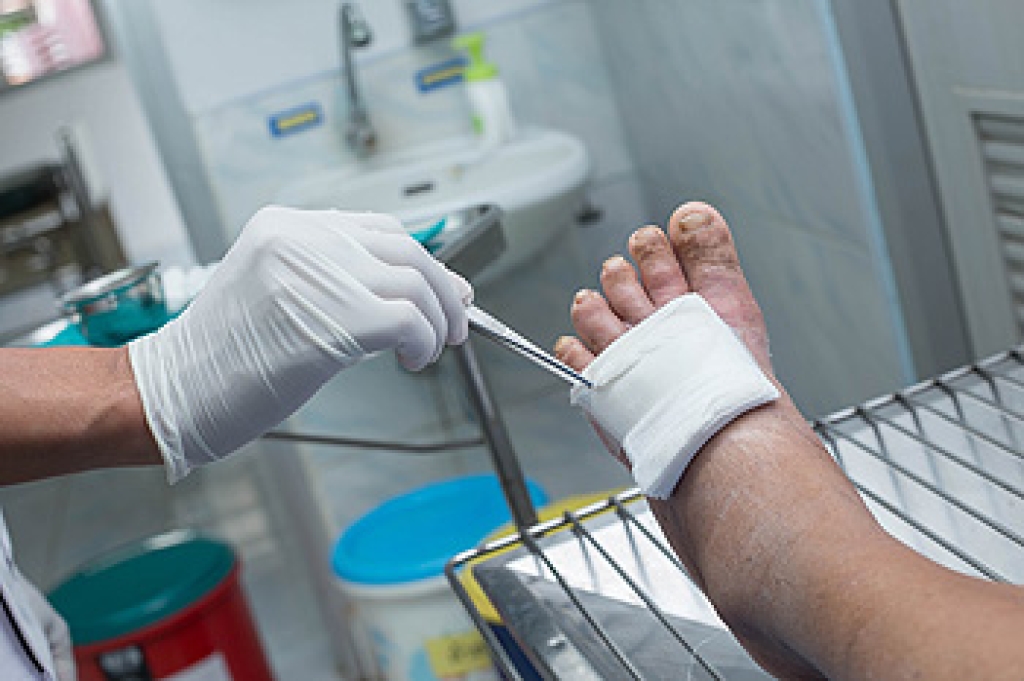
The best way to care for foot wounds is to prevent them. For diabetics, this means daily inspections of the feet for any signs of abnormalities or ulcers. It is also recommended to see a podiatrist several times a year for a foot inspection. If you do have an ulcer, run the wound under water to clear dirt from the wound; then apply antibiotic ointment to the wound and cover with a bandage. Bandages should be changed daily and keeping pressure off the wound is smart. It is advised to see a podiatrist, who can keep an eye on it.

If you have any questions please contact our office located in Crystal Lake, IL . We offer the newest diagnostic and treatment technologies for all your foot and ankle needs.

Read more about Wound Care

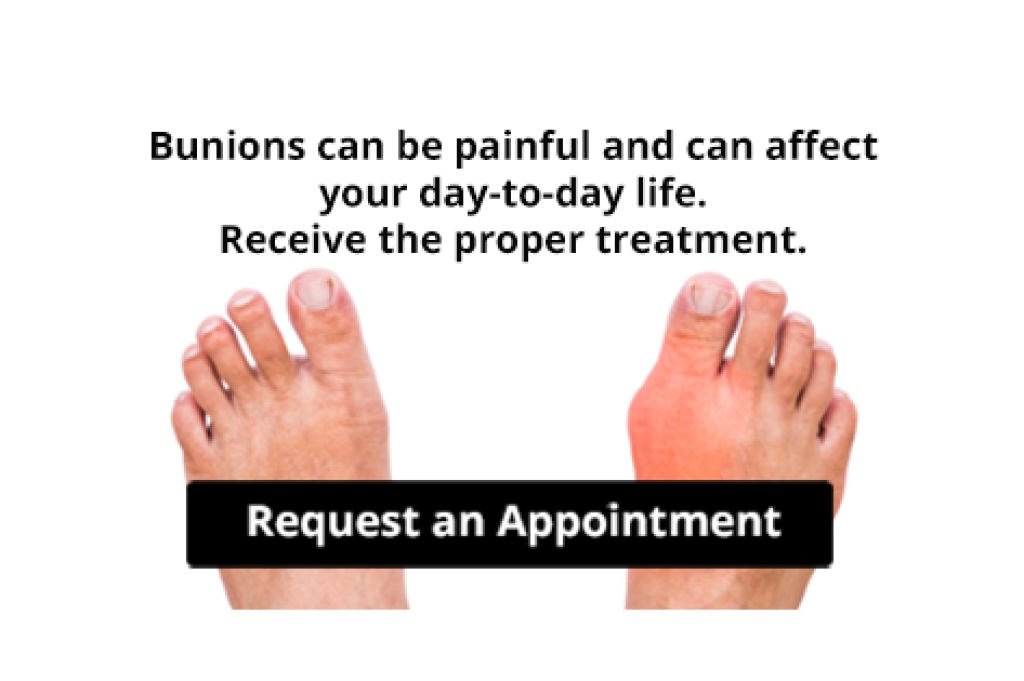
Are Bunions Affecting Your Everyday Life?

Have you noticed a bony protrusion on the side of your big toe? If so, you may have developed the foot condition known as a bunion. Don't let bunions interfere with your daily activities.

The Importance of Choosing the Right Running or Walking Shoe

Selecting the appropriate running or walking shoe is critical for both performance and injury prevention. The right shoe provides support, stability, and cushioning tailored to individual foot mechanics and activity level. Wearing the wrong shoe can lead to discomfort, pain, and even injury. For runners, factors such as pronation, which is the natural inward roll of the foot, arch height, and foot width should be considered when choosing footwear. Meanwhile, walkers should prioritize shoes that offer adequate cushioning and flexibility to accommodate the repetitive motion of walking. Wearing ill-fitting shoes can contribute to conditions like blisters, plantar fasciitis, shin splints, and stress fractures, that hinder progress and enjoyment. Investing in high-quality, properly fitting footwear is an investment in your foot health and overall well-being, ensuring comfort, support, and longevity as you pursue your fitness goals. If you have questions about what type of shoe to buy for you desired fitness routine, it is suggested that you confer with a podiatrist.

For more information about walking shoes versus running shoes, consult with Rahil Baxamusa, DPM from Illinois. Our doctor can measure your feet to determine what your needs are and help you find an appropriate pair of footwear.

Foot Health: The Differences between Walking & Running Shoes

There are great ways to stay in shape: running and walking are two great exercises to a healthy lifestyle. It is important to know that running shoes and walking shoes are not interchangeable. There is a key difference on how the feet hit the ground when someone is running or walking. This is why one should be aware that a shoe is designed differently for each activity.

You may be asking yourself what the real differences are between walking and running shoes and the answers may shock you.

Differences

Walking doesn’t involve as much stress or impact on the feet as running does. However, this doesn’t mean that you should be any less prepared. When you’re walking, you land on your heels and have your foot roll forward. This rolling motion requires additional support to the feet.

Flexibility – Walking shoes are designed to have soft, flexible soles. This allows the walker to push off easily with each step.

If you have any questions, please feel free to contact our office located in Crystal Lake, IL . We offer the newest diagnostic and treatment technologies for all your foot care needs.
Read more about Differences between Walking and Running Shoes

Connect With Us