The Foot as the Foundation for Balance

The foot is often overlooked in discussions about overall body health, but it plays a critical role in maintaining balance and supporting movement. As the foundation of your posture and stability, the foot must be mobile and adaptable to function properly. Good foot mobility allows for proper alignment and efficient transfer of force from the ground to the rest of the body. When the foot has the ability to adjust to different surfaces and conditions, it helps maintain balance, reducing the risk of falls and injury. Many people experience limited foot mobility due to tight muscles, poor posture, or insufficient movement, which can affect overall mobility and stability. Prioritizing foot health through exercises that improve flexibility, strength, and adaptability can significantly enhance posture, prevent discomfort, and promote better balance. If you have foot pain or concerns, it is suggested that you contact a podiatrist who can treat various foot conditions, and guide you on strengthening exercises to improve balance.

If you have any concerns about your feet, contact Rahil Baxamusa, DPM from Illinois. Our doctor can provide the care you need to keep you pain-free and on your feet.

Biomechanics in Podiatry

Podiatric biomechanics is a particular sector of specialty podiatry with licensed practitioners who are trained to diagnose and treat conditions affecting the foot, ankle and lower leg. Biomechanics deals with the forces that act against the body, causing an interference with the biological structures. It focuses on the movement of the ankle, the foot and the forces that interact with them.

A History of Biomechanics

  • Biomechanics dates back to the BC era in Egypt where evidence of professional foot care has been recorded.
  • In 1974, biomechanics gained a higher profile from the studies of Merton Root, who claimed that by changing or controlling the forces between the ankle and the foot, corrections or conditions could be implemented to gain strength and coordination in the area.

Modern technological improvements are based on past theories and therapeutic processes that provide a better understanding of podiatric concepts for biomechanics. Computers can provide accurate information about the forces and patterns of the feet and lower legs.

Understanding biomechanics of the feet can help improve and eliminate pain, stopping further stress to the foot.

If you have any questions please feel free to contact our office located in Crystal Lake, IL . We offer the newest diagnostic and treatment technologies for all your foot and ankle needs.
Read more about Biomechanics in Podiatry

Flat Feet and Pronation in Children

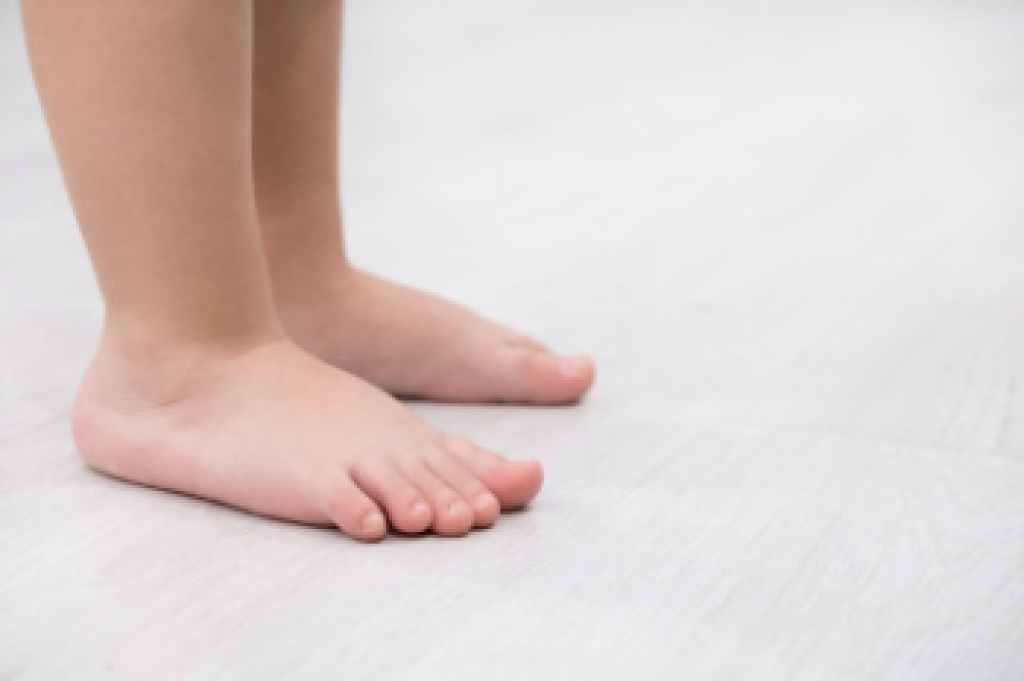
Flat feet, also known as fallen arches, is a condition where the arch of the foot does not develop properly, causing the entire sole to touch the ground. This condition is common in young children as their arches may not yet be fully formed. Flat feet can be associated with different types of pronation, which refers to the way the foot rolls inward during walking or running. Normal pronation occurs when the foot rolls slightly inward to absorb shock. Under-pronation, or supination, happens when the foot does not roll inward enough, leading to less shock absorption. Over-pronation occurs when the foot rolls inward too much, which can cause stress on the joints and lead to pain. Symptoms of flat feet in children may include foot pain, swelling, difficulty walking, or an unusual gait. If your child is experiencing foot pain from having flat feet, it is suggested that you consult a podiatrist who can offer relief tips and monitor your child’s foot health.

Flatfoot is a condition many people suffer from. If you have flat feet, contact Rahil Baxamusa, DPM from Illinois. Our doctor will treat your foot and ankle needs.

What Are Flat Feet?

Flatfoot is a condition in which the arch of the foot is depressed and the sole of the foot is almost completely in contact with the ground. About 20-30% of the population generally has flat feet because their arches never formed during growth.

Conditions & Problems:

Having flat feet makes it difficult to run or walk because of the stress placed on the ankles.

Alignment – The general alignment of your legs can be disrupted, because the ankles move inward which can cause major discomfort.

Knees – If you have complications with your knees, flat feet can be a contributor to arthritis in that area.  

Symptoms

  • Pain around the heel or arch area
  • Trouble standing on the tip toe
  • Swelling around the inside of the ankle
  • Flat look to one or both feet
  • Having your shoes feel uneven when worn

Treatment

If you are experiencing pain and stress on the foot you may weaken the posterior tibial tendon, which runs around the inside of the ankle. 

If you have any questions, please feel free to contact our office located in Crystal Lake, IL . We offer the newest diagnostic and treatment technologies for all your foot care needs.

Read more about Flat Feet

Causes and Types of Blisters on Toes

Blisters on the toes are commonly caused by friction, often from wearing tight shoes or ill-fitting footwear. This constant rubbing irritates the skin, causing it to form a protective layer of fluid beneath the surface. Blisters can also result from burns, infections, or allergic reactions. Among the most common types of blisters found on the toes are vesicles, blood blisters, and pustules. Vesicles are small, clear fluid-filled blisters that develop from minor friction or irritation. Blood blisters occur when blood vessels are damaged due to intense pressure, resulting in a dark red or purple appearance. Pustules are filled with pus and often form due to bacterial infections or inflammatory skin conditions. Regardless of the type, it is important to avoid popping blisters, as this can lead to infection. If you have a blister anywhere on your foot that appears infected, it is suggested that you consult a podiatrist who can offer safe and sterile treatment, in addition to prevention techniques.

Blisters are prone to making everyday activities extremely uncomfortable. If your feet are hurting, contact Rahil Baxamusa, DPM of Illinois. Our doctor can provide the care you need to keep you pain-free and on your feet.

Foot Blisters

Foot blisters develop as a result of constantly wearing tight or ill-fitting footwear. This happens due to the constant rubbing from the shoe, which can often lead to pain.

What Are Foot Blisters?

A foot blister is a small fluid-filled pocket that forms on the upper-most layer of the skin. Blisters are filled with clear fluid and can lead to blood drainage or pus if the area becomes infected.

How Do Blisters Form?

Blisters on the feet are often the result of constant friction of skin and material, usually by shoe rubbing. Walking in sandals, boots, or shoes that don’t fit properly for long periods of time can result in a blister. Having consistent foot moisture and humidity can easily lead to blister formation.

Prevention & Treatment

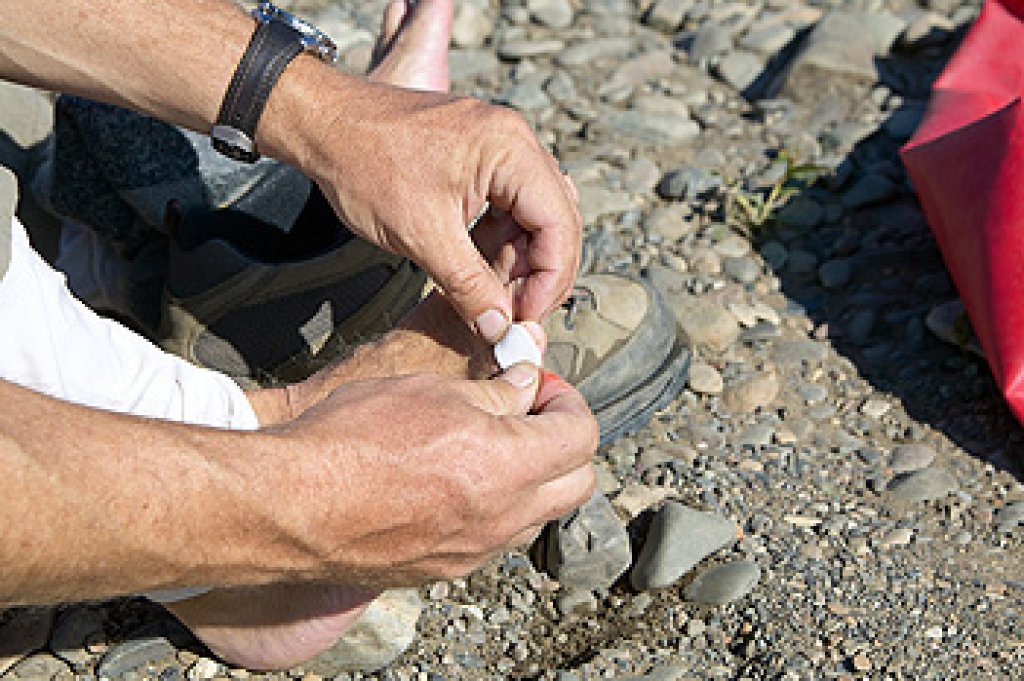
It is important to properly care for the affected area in order to prevent infection and ease the pain. Do not lance the blister and use a Band-Aid to provide pain relief. Also, be sure to keep your feet dry and wear proper fitting shoes. If you see blood or pus in a blister, seek assistance from a podiatrist.

If you have any questions, please feel free to contact our office located in Crystal Lake, IL . We offer the newest diagnostic and treatment technologies for all your foot care needs.

Read more about Blisters on the Feet

It's Time for Beautiful Feet

You don't need an excuse to have beautiful nails. Step outside without worrying about the appearance of your feet.

Understanding Foot Pain from Bruises

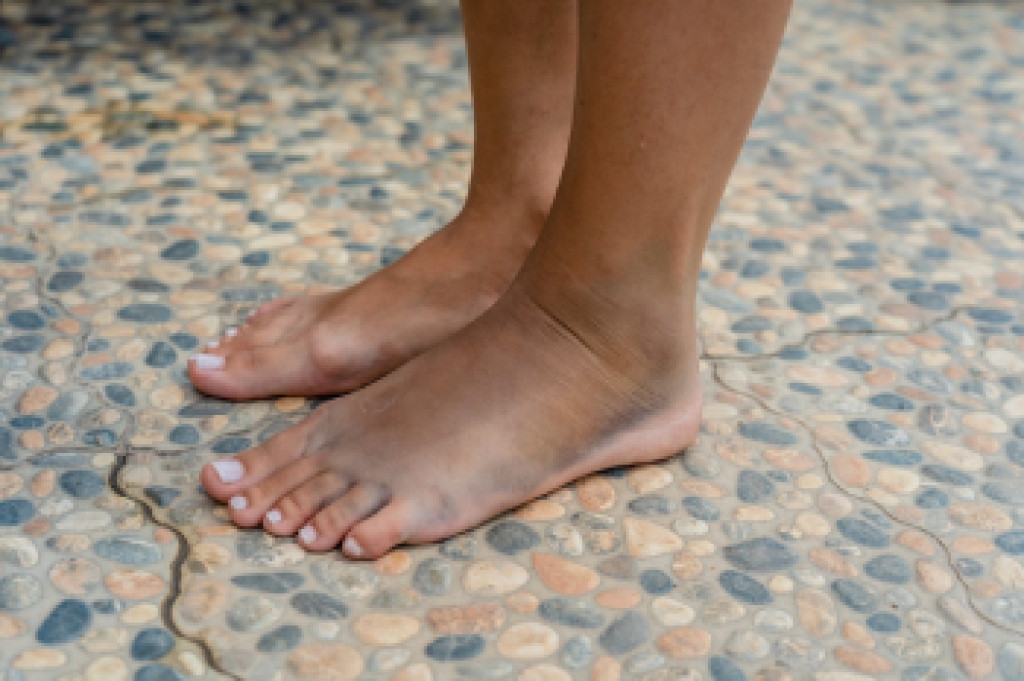
Foot pain caused by bruises, such as contusions and hematomas, can be both uncomfortable and concerning. These injuries occur when blood vessels beneath the skin are damaged, typically from a direct impact or trauma, like dropping something heavy on your foot or stubbing your toe. Contusions result in pain, swelling, and discoloration, while a hematoma occurs when blood collects in a confined area, creating larger, more painful swelling. The primary symptoms of bruises on the foot include pain, swelling, and a visible darkening or redness of the skin. If the pain persists or if there is significant swelling, a podiatrist can assess the injury and ensure there are no underlying fractures. This type of doctor can also recommend appropriate treatments for faster healing. If you have this condition, it is suggested that you schedule an appointment with a podiatrist.

Foot Pain

Foot pain can be extremely painful and debilitating. If you have a foot pain, consult with Rahil Baxamusa, DPM from Illinois. Our doctor will assess your condition and provide you with quality foot and ankle treatment.

Causes

Foot pain is a very broad condition that could be caused by one or more ailments. The most common include:

  • Bunions
  • Hammertoes
  • Plantar Fasciitis
  • Bone Spurs
  • Corns
  • Tarsal Tunnel Syndrome
  • Ingrown Toenails
  • Arthritis (such as Gout, Rheumatoid, and Osteoarthritis)
  • Flat Feet
  • Injury (from stress fractures, broken toe, foot, ankle, Achilles tendon ruptures, and sprains)
  • And more

Diagnosis

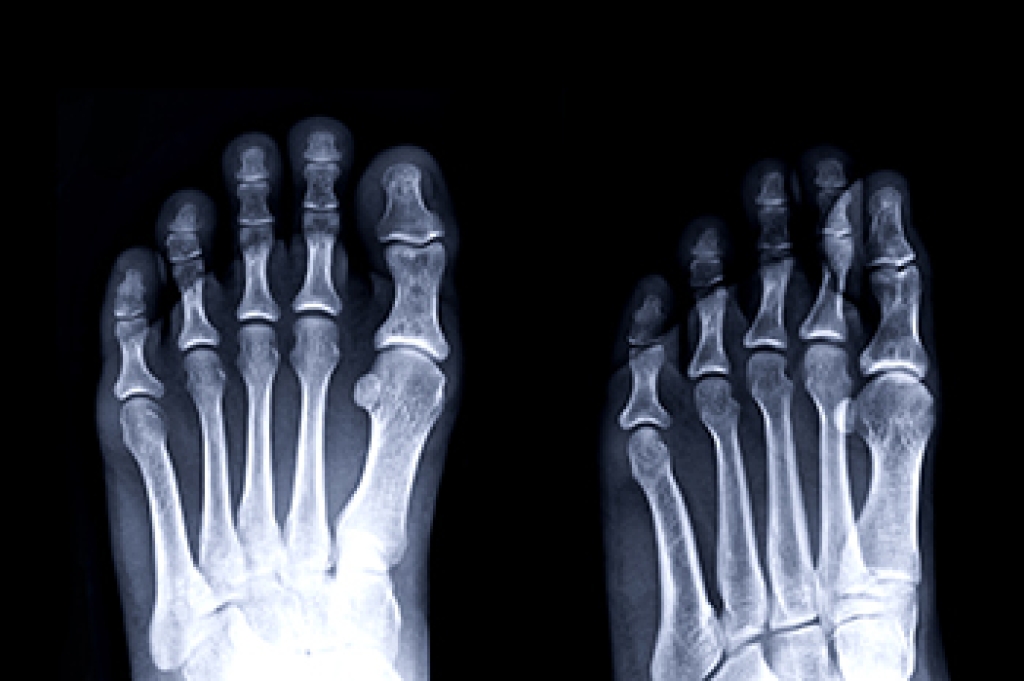
To figure out the cause of foot pain, podiatrists utilize several different methods. This can range from simple visual inspections and sensation tests to X-rays and MRI scans. Prior medical history, family medical history, and any recent physical traumatic events will all be taken into consideration for a proper diagnosis.

Treatment

Treatment depends upon the cause of the foot pain. Whether it is resting, staying off the foot, or having surgery; podiatrists have a number of treatment options available for foot pain.

If you have any questions, please feel free to contact our office located in Crystal Lake, IL . We offer the newest diagnostic and treatment technologies for all your foot care needs.

Read more about Foot Pain

Connect With Us