Bunion Causes and Symptoms

Bunions are a foot deformity that often develop gradually, leading to pain and changes in toe alignment. The most noticeable symptom of a bunion is a hard, bony bump on the side of the big toe that may become red, swollen, and tender from pressure inside shoes. As the bunion progresses, the big toe shifts inward toward the second toe, sometimes crossing over or under it, which can cause stiffness and difficulty in moving the joint. Pain at the base of the toe is common, especially when walking or standing for long periods. Bunions may also lead to irritation of the bursa, a small fluid-filled sac, resulting in bursitis, or displacement of the sesamoid bones under the big toe joint. Causes of bunions include inherited foot structure, arthritis, and frequent use of shoes that lack adequate support or have a narrow, pointed toe box, such as high heels or flip-flops. If you are experiencing pain from a bunion, it is suggested that you schedule an appointment with a podiatrist for an evaluation and appropriate treatment.

If you are suffering from bunion pain, contact Rahil Baxamusa, DPM of Illinois. Our doctor can provide the care you need to keep you pain-free and on your feet.

What Is a Bunion?

Bunions are painful bony bumps that usually develop on the inside of the foot at the joint of the big toe. As the deformity increases over time, it may become painful to walk and wear shoes. Women are more likely to exacerbate existing bunions since they often wear tight, narrow shoes that shift their toes together. Bunion pain can be relieved by wearing wider shoes with enough room for the toes.

Causes

  • Genetics – some people inherit feet that are more prone to bunion development
  • Inflammatory Conditions - rheumatoid arthritis and polio may cause bunion development

Symptoms

  • Redness and inflammation
  • Pain and tenderness
  • Callus or corns on the bump
  • Restricted motion in the big toe

In order to diagnose your bunion, your podiatrist may ask about your medical history, symptoms, and general health. Your doctor might also order an x-ray to take a closer look at your feet. Nonsurgical treatment options include orthotics, padding, icing, changes in footwear, and medication. If nonsurgical treatments don’t alleviate your bunion pain, surgery may be necessary.

If you have any questions, please feel free to contact our office located in Crystal Lake, IL . We offer the newest diagnostic and treatment technologies for all your foot care needs.

Read more about Bunions

Gout Pain Can Be Managed

Gout is a painful, inflammatory form of arthritis. Those affected will typically feel an intense stiffness in the joints of their feet, particularly in the big toe. Schedule a visit to learn about how gout can be managed and treated.

Understanding Kohler Disease in Children

Kohler disease is a rare foot condition that affects the tarsal navicular bone. This small midfoot bone helps connect the ankle to the toes and supports the arch, which becomes compressed and weakened. Kohler disease typically occurs in children between the ages of five and 10. The exact cause is unknown, but possible genetic links and disruptions in blood supply may contribute. Symptoms often include redness of the foot, tenderness along the length of the arch, swelling, and limping due to pain. Although the condition usually resolves with time, early diagnosis is important to relieve discomfort and prevent long-term issues. A podiatrist can provide supportive treatments, recommend protective footwear, and monitor healing. If your child shows signs of Kohler disease or has foot pain of any kind, it is suggested that you promptly consult a podiatrist to schedule an appointment for expert care.

Some foot conditions may require additional professional care. If you have any concerns, contact Rahil Baxamusa, DPM of Illinois. Our doctor can provide the care you need to keep you pain-free and on your feet.

Rare Foot Conditions

The majority of foot conditions are common and can be treated by a podiatrist.  Standard diagnostic procedures are generally used to identify specific conditions and treatment can be rendered. A podiatrist also treats rare foot conditions which can be difficult to diagnose and may need extra attention and care. 

There are many rare foot conditions that can affect children. Some of these can include:

  • Freiberg’s disease
  • Kohler’s disease
  • Maffucci syndrome

Freiberg’s disease - This can be seen as a deterioration and flattening of a metatarsal bone that exists in the ball of the foot. It typically affects pre-teen and teenage girls, but can affect anyone at any age. Symptoms that can accompany this can be swelling, stiffness, and the patient may limp. 

Kohler’s disease - This often targets the bone in the arch of the foot and affects younger boys. It can lead to an interruption of the blood supply which ultimately can lead to bone deterioration. The patient may limp or experience tenderness, swelling, and redness.

Maffucci syndrome - This affects the long bones in a child’s foot leading to the development of abnormal bone lesions. They are benign growths and typically develop in early childhood and the bones may be susceptible to breaking. 

A podiatrist can properly diagnose and treat all types of rare foot conditions. If your child is affected by any of these symptoms or conditions, please don’t hesitate to call our office so the correct treatment method can begin.

If you have any questions, please feel free to contact our office located in Crystal Lake, IL . We offer the newest diagnostic and treatment technologies for all your foot care needs.

Read more about Rare Foot Conditions

Cracked Heels and Who Is Most at Risk

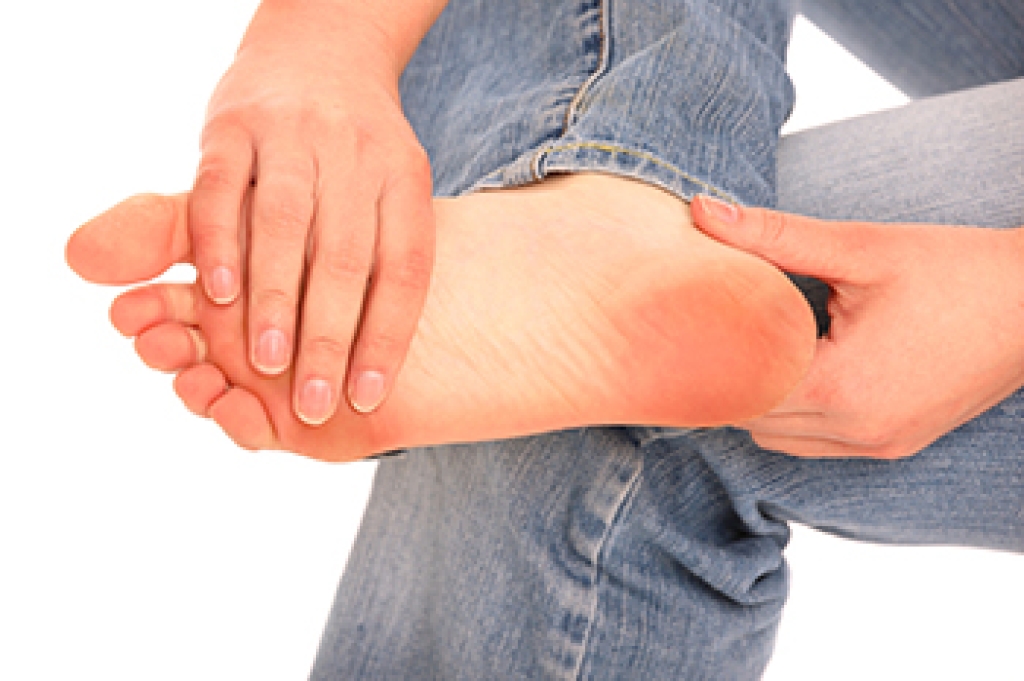
Heel fissures, often called cracked heels, occur when the skin surrounding the heel becomes dry, thickened, and splits open. They are not only uncomfortable but can also become painful and prone to infection, if left untreated. People who stand for long hours of time, wear open-backed shoes, or live in dry climates are more likely to develop them. Seniors, individuals with diabetes, and those with skin conditions such as eczema or psoriasis, are also at greater risk. Treatment begins with softening the skin through regular moisturizing and gentle exfoliation. Thick emollients or heel balms can help seal in moisture and protect the skin. Wearing supportive shoes with a closed back reduces pressure and prevents further cracking. If you have severe heel fissures, it is suggested that you see a podiatrist who may remove thickened skin or provide specialized treatments before complications develop.

Cracked heels are unsightly and can cause further damage to your shoes and feet. If you have any concerns, contact Rahil Baxamusa, DPM from Illinois. Our doctor can provide the care you need to keep you pain-free and on your feet.

Cracked Heels

Cracked heels appear unappealing and can make it harder for you walk around in sandals. Aside from looking unpleasant, cracked heels can also tear stockings, socks, and wear out your shoes. There are several methods to help restore a cracked heel and prevent further damage.

How Do You Get Them?

Dry skin is the number one culprit in creating cracked heels. Many athletes, walkers, joggers, and even swimmers suffer from cracked heels. Age and skin oil production play a role to getting cracked heels as well.

Promote Healing

Over the counter medicines can help, especially for those that need instant relief or who suffer from chronic dry feet.

Wear Socks – Wearing socks with medicated creams helps lock in moisture.

Moisturizers – Applying both day and night will help alleviate dryness which causes cracking.

Pumice Stones – These exfoliate and remove dead skin, which allows for smoother moisturizer application and better absorption into the skin. 

Change in Diet

Eating healthy with a well-balanced diet will give the skin a fresh and radiant look. Your body responds to the kinds of food you ingest. Omega-3 fatty acids and zinc supplements can also revitalize skin tissue.

Most importantly, seek professional help if unsure how to proceed in treating cracked heels. A podiatrist will help you with any questions or information needed. 

If you have any questions, please feel free to contact our office located in Crystal Lake, IL . We offer the newest diagnostic and treatment technologies for all your foot care needs.
Read more about Solutions for Cracked Heels

Damage to Nerves in the Foot

Nerve problems in the front of the foot come in a few forms, and each can feel different. Interdigital nerve pain may cause burning, pins and needles, or a hot pebble sensation between the toes. Interdigital neuralgia reflects irritation from pressure, wearing tight shoes, or repetitive stress. Morton’s neuroma involves a thickening around the nerve that can send sharp jolts with every step. Morton’s neuralgia highlights the same pathway of pain, but may radiate into adjacent toes. Symptoms often flare in narrow footwear or during long periods of standing. Switching to roomy shoes, using metatarsal pads, and easing aggravating activities can help. When discomfort lingers, imaging and an exam can sort out the exact cause and guide treatment, from orthotics to targeted injections, with surgery reserved for stubborn cases. If forefoot nerve symptoms develop, it is suggested that you see a podiatrist for an accurate diagnosis and appropriate treatment.

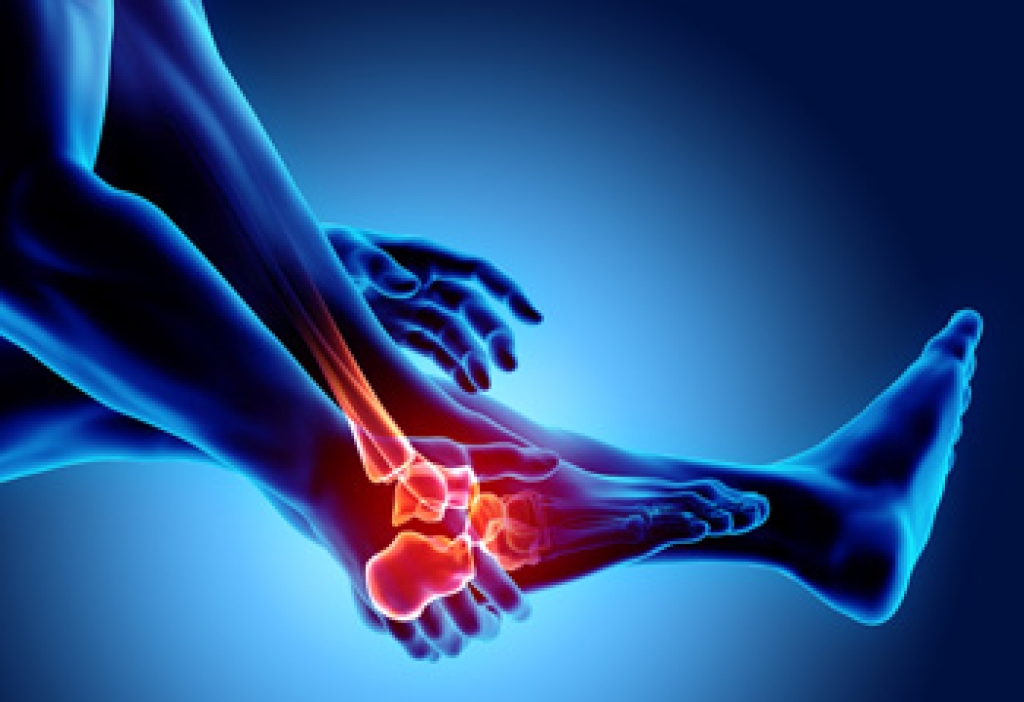
Foot Pain

Foot pain can be extremely painful and debilitating. If you have a foot pain, consult with Rahil Baxamusa, DPM from Illinois. Our doctor will assess your condition and provide you with quality foot and ankle treatment.

Causes

Foot pain is a very broad condition that could be caused by one or more ailments. The most common include:

  • Bunions
  • Hammertoes
  • Plantar Fasciitis
  • Bone Spurs
  • Corns
  • Tarsal Tunnel Syndrome
  • Ingrown Toenails
  • Arthritis (such as Gout, Rheumatoid, and Osteoarthritis)
  • Flat Feet
  • Injury (from stress fractures, broken toe, foot, ankle, Achilles tendon ruptures, and sprains)
  • And more

Diagnosis

To figure out the cause of foot pain, podiatrists utilize several different methods. This can range from simple visual inspections and sensation tests to X-rays and MRI scans. Prior medical history, family medical history, and any recent physical traumatic events will all be taken into consideration for a proper diagnosis.

Treatment

Treatment depends upon the cause of the foot pain. Whether it is resting, staying off the foot, or having surgery; podiatrists have a number of treatment options available for foot pain.

If you have any questions, please feel free to contact our office located in Crystal Lake, IL . We offer the newest diagnostic and treatment technologies for all your foot care needs.

Read more about Foot Pain

Connect With Us