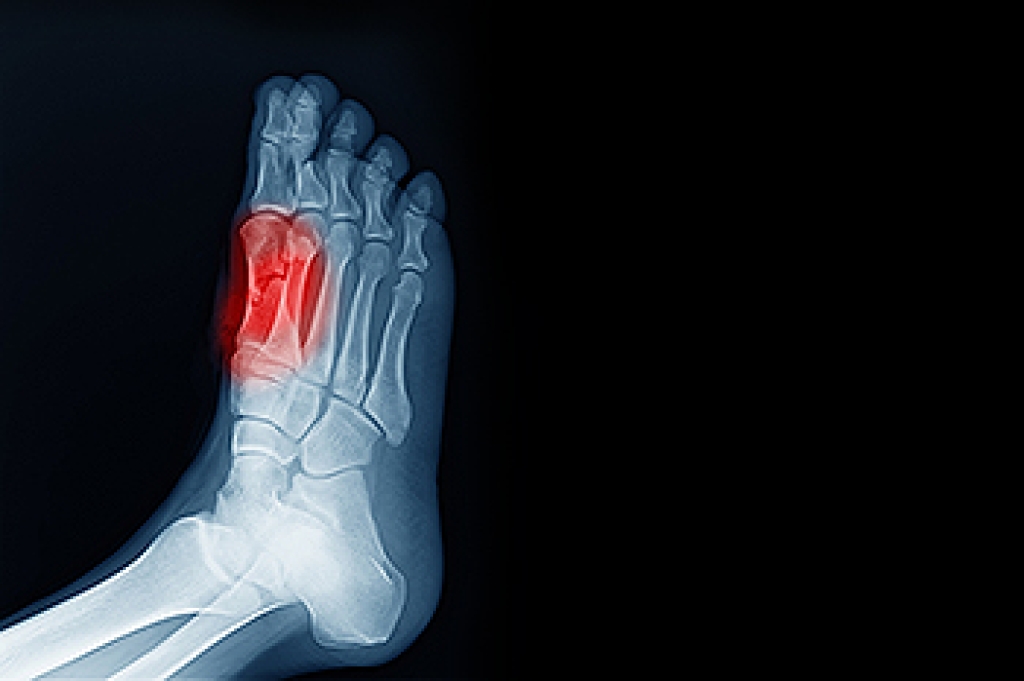
Toe Pain May Be Caused by Sesamoiditis

The sesamoid bones of the feet are small yet significant structures embedded within tendons under the big toe. They play a vital role in joint stabilization and the ability to raise the toe. Sesamoiditis usually results from post-traumatic or degenerative causes, causing localized pain and swelling, with tenderness over the affected bones. Factors contributing to sesamoiditis include osteoarthritis, foot deformities, and high-impact activities. Other potential causes of sesamoiditis include wearing high heels, increased body weight, running on the forefoot, and a larger size of sesamoids. Treatment may include footwear modifications and orthotic shoe inserts. In severe cases, steroid injections or surgery may be necessary to alleviate symptoms and prevent further complications. Seeking a prompt evaluation by a podiatrist is essential. If you are experiencing persistent toe pain or suspect sesamoiditis, it is suggested that you schedule an appointment with a podiatrist for an exam, a diagnosis, and appropriate treatment options. 

Sesamoiditis is an unpleasant foot condition characterized by pain in the balls of the feet. If you think you’re struggling with sesamoiditis, contact Rahil Baxamusa, DPM of Illinois. Our doctor will treat your condition thoroughly and effectively.

Sesamoiditis

Sesamoiditis is a condition of the foot that affects the ball of the foot. It is more common in younger people than it is in older people. It can also occur with people who have begun a new exercise program, since their bodies are adjusting to the new physical regimen. Pain may also be caused by the inflammation of tendons surrounding the bones. It is important to seek treatment in its early stages because if you ignore the pain, this condition can lead to more serious problems such as severe irritation and bone fractures.

Causes of Sesamoiditis

  • Sudden increase in activity
  • Increase in physically strenuous movement without a proper warm up or build up
  • Foot structure: those who have smaller, bonier feet or those with a high arch may be more susceptible

Treatment for sesamoiditis is non-invasive and simple. Doctors may recommend a strict rest period where the patient forgoes most physical activity. This will help give the patient time to heal their feet through limited activity. For serious cases, it is best to speak with your doctor to determine a treatment option that will help your specific needs.

If you have any questions, please feel free to contact our office located in Crystal Lake, IL . We offer the newest diagnostic and treatment technologies for all your foot care needs.
Read more about Sesamoiditis

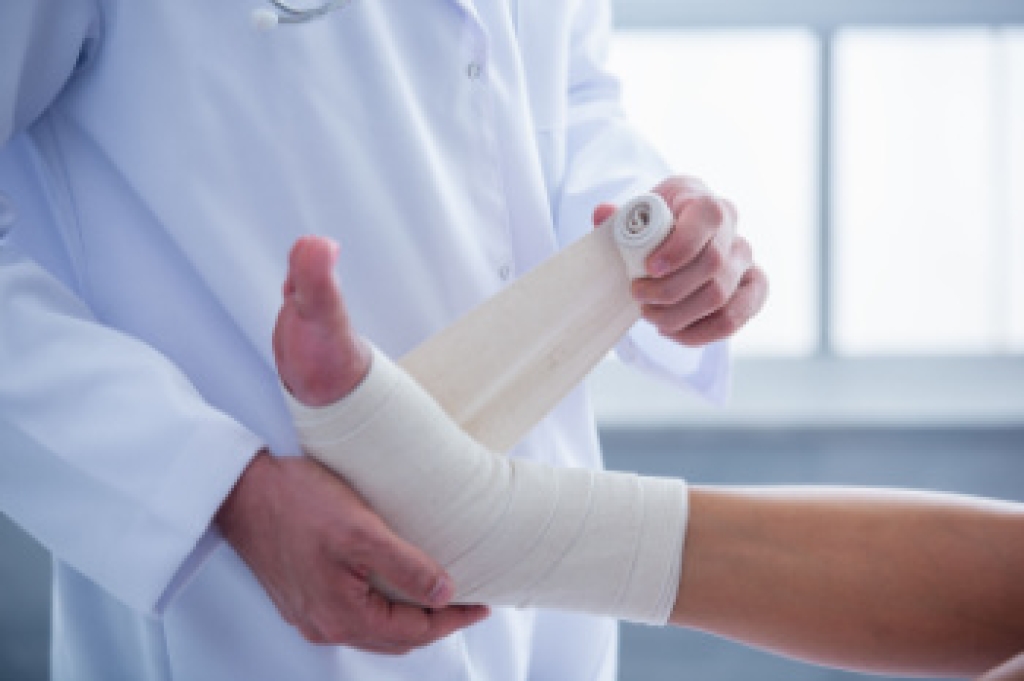
Signs and Symptoms of a Broken Foot

The main symptoms of a broken foot are severe pain, swelling, and bruising around the injured area. Some patients may experience very intense pain when touching or applying pressure to the foot. Difficulty or inability to bear weight on the foot, along with visible deformities or changes in foot shape, can also indicate a potential break. Numbness of the foot is another possible symptom. X-rays or other imaging tests are commonly used to confirm the presence of a fracture. Taking immediate steps to address a potential broken foot can lead to a more effective recovery and prevent complications down the line. If you have a painful foot and suspect a break or fracture, it is suggested that you make an appointment with a podiatrist for an accurate diagnosis and appropriate treatment.

A broken foot requires immediate medical attention and treatment. If you need your feet checked, contact Rahil Baxamusa, DPM from Illinois. Our doctor can provide the care you need to keep you pain-free and on your feet.

Broken Foot Causes, Symptoms, and Treatment

A broken foot is caused by one of the bones in the foot typically breaking when bended, crushed, or stretched beyond its natural capabilities. Usually the location of the fracture indicates how the break occurred, whether it was through an object, fall, or any other type of injury. 

Common Symptoms of Broken Feet:

  • Bruising
  • Pain
  • Redness
  • Swelling
  • Blue in color
  • Numbness
  • Cold
  • Misshapen
  • Cuts
  • Deformities

Those that suspect they have a broken foot shoot seek urgent medical attention where a medical professional could diagnose the severity.

Treatment for broken bones varies depending on the cause, severity and location. Some will require the use of splints, casts or crutches while others could even involve surgery to repair the broken bones. Personal care includes the use of ice and keeping the foot stabilized and elevated.

If you have any questions, please feel free to contact our office located in Crystal Lake, IL . We offer the newest diagnostic and treatment technologies for all your foot care needs.

Read more about Causes, Symptoms, and Treatment for a Broken Foot

Nighttime Foot Pain

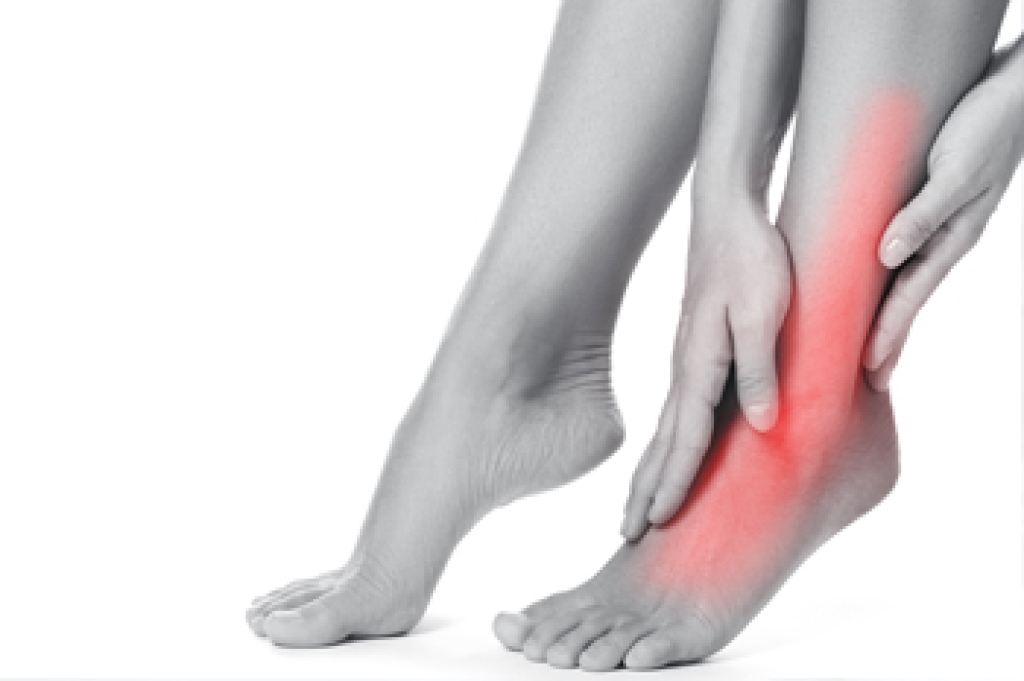
Nighttime foot pain can stem from various sources, including lifestyle factors and medical conditions. Whether it's a dull, persistent ache or a throbbing sensation in different areas of the feet, such discomfort can significantly disrupt sleep and worsen with poor rest. Factors such as prolonged standing or sitting, wearing ill-fitting footwear, and certain sleeping positions can contribute to this discomfort. Additionally, conditions like Morton’s neuroma, plantar fasciitis, sciatica, fibromyalgia, diabetes, and peripheral neuropathy can all contribute to nocturnal foot pain. Treatment options range from simple lifestyle adjustments, like staying hydrated and performing gentle foot exercises, to medical interventions such as anti-inflammatory medications, special exercises, and orthotics interventions. If you have nighttime foot pain, it is suggested that you make an appointment with a podiatrist for a proper diagnosis and to address any underlying conditions you might have.

Foot Pain

Foot pain can be extremely painful and debilitating. If you have a foot pain, consult with Rahil Baxamusa, DPM from Illinois. Our doctor will assess your condition and provide you with quality foot and ankle treatment.

Causes

Foot pain is a very broad condition that could be caused by one or more ailments. The most common include:

  • Bunions
  • Hammertoes
  • Plantar Fasciitis
  • Bone Spurs
  • Corns
  • Tarsal Tunnel Syndrome
  • Ingrown Toenails
  • Arthritis (such as Gout, Rheumatoid, and Osteoarthritis)
  • Flat Feet
  • Injury (from stress fractures, broken toe, foot, ankle, Achilles tendon ruptures, and sprains)
  • And more

Diagnosis

To figure out the cause of foot pain, podiatrists utilize several different methods. This can range from simple visual inspections and sensation tests to X-rays and MRI scans. Prior medical history, family medical history, and any recent physical traumatic events will all be taken into consideration for a proper diagnosis.

Treatment

Treatment depends upon the cause of the foot pain. Whether it is resting, staying off the foot, or having surgery; podiatrists have a number of treatment options available for foot pain.

If you have any questions, please feel free to contact our office located in Crystal Lake, IL . We offer the newest diagnostic and treatment technologies for all your foot care needs.

Read more about Foot Pain

Gout Pain Can Be Managed

Gout is a painful, inflammatory form of arthritis. Those affected will typically feel an intense stiffness in the joints of their feet, particularly in the big toe. Schedule a visit to learn about how gout can be managed and treated.

Five Essential Characteristics for Choosing Running Shoes

When selecting running shoes, it is essential to consider several key characteristics to ensure comfort, performance, and injury prevention. First, assess the level of cushioning provided by the shoes, which should offer adequate shock absorption to minimize impact on joints and muscles. Next, consider the level of support and stability the shoes offer, especially if you have specific foot biomechanics or pronation issues. Opt for shoes with a supportive midsole and a secure heel counter to help maintain proper foot alignment. Additionally, pay attention to the shoe's flexibility and responsiveness, as these qualities can enhance agility and energy return during runs. Another important factor is the shoe's breathability, which allows for proper airflow and can help to prevent moisture buildup and blisters. Lastly, ensure a proper fit by trying on shoes in the afternoon when your feet are slightly swollen and leaving a thumb's width of space between your longest toe and the shoe's end. By considering these five characteristics, you can find the ideal pair of running shoes to support your training and performance goals while keeping your feet happy and healthy. If you are seeking additional tips on what to look for in running shoes, it is suggested that you consult a podiatrist who can provide you with the information you are seeking.

You should always make sure your running shoes fit properly in order to avoid injury. For more information, contact Rahil Baxamusa, DPM from Illinois. Our doctor can provide the care you need to keep you pain-free and on your feet.

Choosing the Right Running Shoe for Your Foot Type

Improper shoe sizing can cause a myriad of problems for your feet. Shoes that don’t fit you properly can lead to muscular imbalances in your body, which can result in foot, knee, and hip injuries.

Tips for Finding the Right Running Shoe

  • Make sure you have a thumb’s width of wiggle room between the end of your longest toe and the front of the shoe.
  • There should be little to no slipping at the heel
  • Don’t assume your size in one shoe brand will be your size in another
  • Do not lace up your shoes too tightly
  • Walk around in the store with your new shoes before you buy them

If you have any questions, please feel free to contact our office located in Crystal Lake, IL . We offer the newest diagnostic and treatment technologies for all your foot care needs.

Read more about Choosing the Right Running Shoe

Connect With Us