Cracked Heels and Who Is Most at Risk

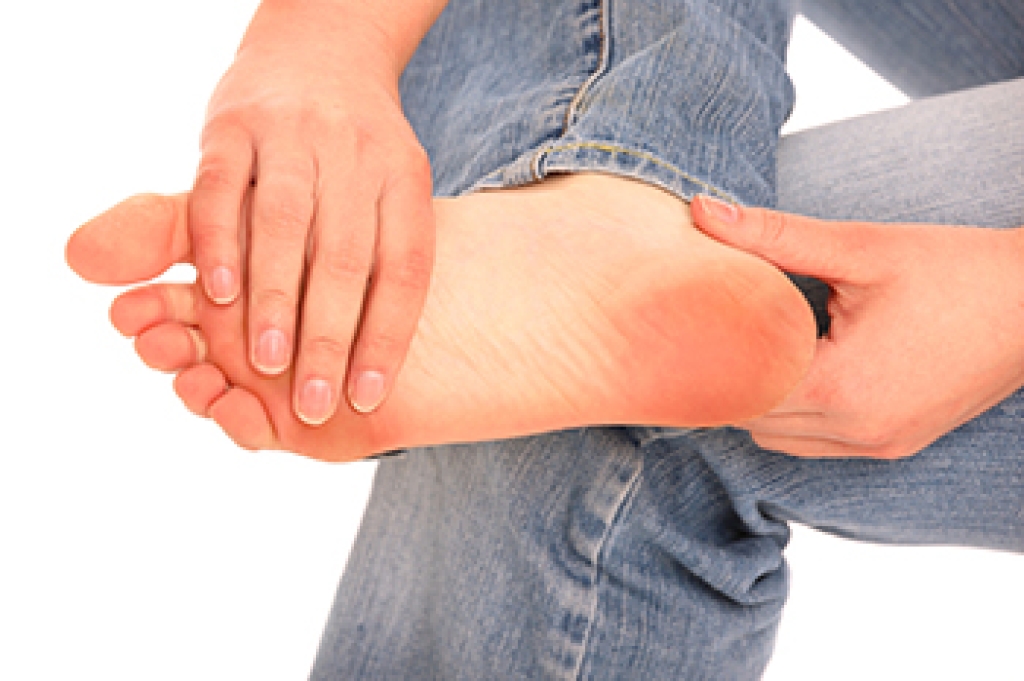
Heel fissures, often called cracked heels, occur when the skin surrounding the heel becomes dry, thickened, and splits open. They are not only uncomfortable but can also become painful and prone to infection, if left untreated. People who stand for long hours of time, wear open-backed shoes, or live in dry climates are more likely to develop them. Seniors, individuals with diabetes, and those with skin conditions such as eczema or psoriasis, are also at greater risk. Treatment begins with softening the skin through regular moisturizing and gentle exfoliation. Thick emollients or heel balms can help seal in moisture and protect the skin. Wearing supportive shoes with a closed back reduces pressure and prevents further cracking. If you have severe heel fissures, it is suggested that you see a podiatrist who may remove thickened skin or provide specialized treatments before complications develop.

Cracked heels are unsightly and can cause further damage to your shoes and feet. If you have any concerns, contact Rahil Baxamusa, DPM from Illinois. Our doctor can provide the care you need to keep you pain-free and on your feet.

Cracked Heels

Cracked heels appear unappealing and can make it harder for you walk around in sandals. Aside from looking unpleasant, cracked heels can also tear stockings, socks, and wear out your shoes. There are several methods to help restore a cracked heel and prevent further damage.

How Do You Get Them?

Dry skin is the number one culprit in creating cracked heels. Many athletes, walkers, joggers, and even swimmers suffer from cracked heels. Age and skin oil production play a role to getting cracked heels as well.

Promote Healing

Over the counter medicines can help, especially for those that need instant relief or who suffer from chronic dry feet.

Wear Socks – Wearing socks with medicated creams helps lock in moisture.

Moisturizers – Applying both day and night will help alleviate dryness which causes cracking.

Pumice Stones – These exfoliate and remove dead skin, which allows for smoother moisturizer application and better absorption into the skin. 

Change in Diet

Eating healthy with a well-balanced diet will give the skin a fresh and radiant look. Your body responds to the kinds of food you ingest. Omega-3 fatty acids and zinc supplements can also revitalize skin tissue.

Most importantly, seek professional help if unsure how to proceed in treating cracked heels. A podiatrist will help you with any questions or information needed. 

If you have any questions, please feel free to contact our office located in Crystal Lake, IL . We offer the newest diagnostic and treatment technologies for all your foot care needs.
Read more about Solutions for Cracked Heels

Damage to Nerves in the Foot

Nerve problems in the front of the foot come in a few forms, and each can feel different. Interdigital nerve pain may cause burning, pins and needles, or a hot pebble sensation between the toes. Interdigital neuralgia reflects irritation from pressure, wearing tight shoes, or repetitive stress. Morton’s neuroma involves a thickening around the nerve that can send sharp jolts with every step. Morton’s neuralgia highlights the same pathway of pain, but may radiate into adjacent toes. Symptoms often flare in narrow footwear or during long periods of standing. Switching to roomy shoes, using metatarsal pads, and easing aggravating activities can help. When discomfort lingers, imaging and an exam can sort out the exact cause and guide treatment, from orthotics to targeted injections, with surgery reserved for stubborn cases. If forefoot nerve symptoms develop, it is suggested that you see a podiatrist for an accurate diagnosis and appropriate treatment.

Foot Pain

Foot pain can be extremely painful and debilitating. If you have a foot pain, consult with Rahil Baxamusa, DPM from Illinois. Our doctor will assess your condition and provide you with quality foot and ankle treatment.

Causes

Foot pain is a very broad condition that could be caused by one or more ailments. The most common include:

  • Bunions
  • Hammertoes
  • Plantar Fasciitis
  • Bone Spurs
  • Corns
  • Tarsal Tunnel Syndrome
  • Ingrown Toenails
  • Arthritis (such as Gout, Rheumatoid, and Osteoarthritis)
  • Flat Feet
  • Injury (from stress fractures, broken toe, foot, ankle, Achilles tendon ruptures, and sprains)
  • And more

Diagnosis

To figure out the cause of foot pain, podiatrists utilize several different methods. This can range from simple visual inspections and sensation tests to X-rays and MRI scans. Prior medical history, family medical history, and any recent physical traumatic events will all be taken into consideration for a proper diagnosis.

Treatment

Treatment depends upon the cause of the foot pain. Whether it is resting, staying off the foot, or having surgery; podiatrists have a number of treatment options available for foot pain.

If you have any questions, please feel free to contact our office located in Crystal Lake, IL . We offer the newest diagnostic and treatment technologies for all your foot care needs.

Read more about Foot Pain

How Podiatrists Help Protect the Feet of People With Diabetes

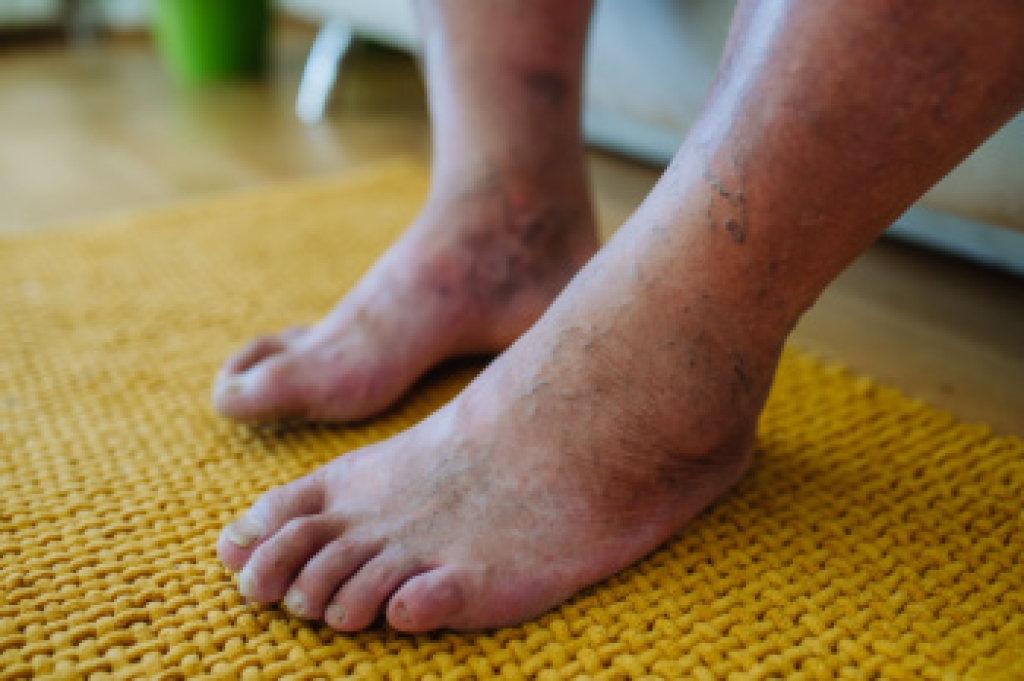
Foot problems related to diabetes can progress quickly, and without timely attention, they may threaten the health of the limb. Podiatrists are trained to spot early warning signs that others might overlook, such as subtle skin changes, areas of excess pressure, or reduced blood flow. They use advanced wound care methods, customized pressure relief strategies, and targeted treatments to encourage healing and prevent further damage. Protective footwear and specialized inserts may be recommended to reduce stress on high-risk areas. Regular checkups allow them to monitor healing progress and adjust care as needed, often working alongside other medical specialists. Through their expertise, many serious complications can be avoided, helping patients maintain mobility and independence. If you have diabetes and notice changes in your feet or ankles, it is suggested that you are under the care of a podiatrist who can help you to manage this serious condition.

Diabetic foot care is important in preventing foot ailments such as ulcers. If you are suffering from diabetes or have any other concerns about your feet, contact Rahil Baxamusa, DPM from Illinois. Our doctor can provide the care you need to keep you pain-free and on your feet.

Diabetic Foot Care

Diabetes affects millions of people every year. The condition can damage blood vessels in many parts of the body, especially the feet. Because of this, taking care of your feet is essential if you have diabetes, and having a podiatrist help monitor your foot health is highly recommended.

The Importance of Caring for Your Feet

  • Routinely inspect your feet for bruises or sores.
  • Wear socks that fit your feet comfortably.
  • Wear comfortable shoes that provide adequate support.

Patients with diabetes should have their doctor monitor their blood levels, as blood sugar levels play such a huge role in diabetic care. Monitoring these levels on a regular basis is highly advised.

It is always best to inform your healthcare professional of any concerns you may have regarding your feet, especially for diabetic patients. Early treatment and routine foot examinations are keys to maintaining proper health, especially because severe complications can arise if proper treatment is not applied.

If you have any questions, please feel free to contact our office located in Crystal Lake, IL . We offer the newest diagnostic and treatment technologies for all your foot care needs.
Read more about Diabetic Foot Care

Seeking Podiatric Care for Sesamoiditis

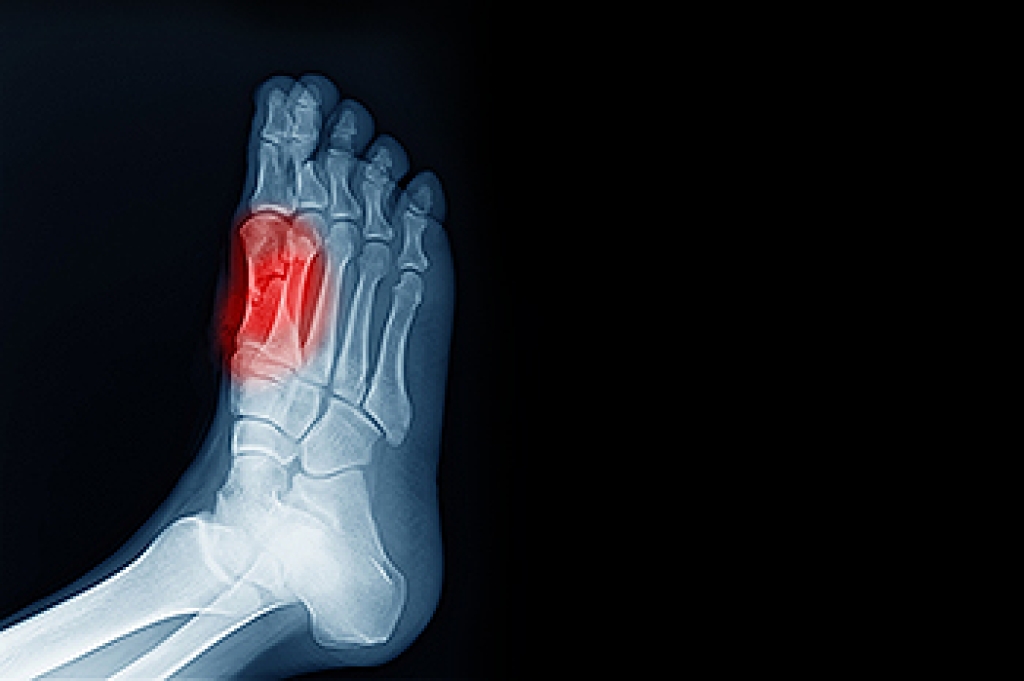
Sesamoiditis is an inflammation of the small sesamoid bones located beneath the big toe joint, which help with weight-bearing and movement. This condition is often caused by repetitive pressure, high-impact activities, or wearing thin-soled or high-heeled shoes. Risk factors include participation in sports, such as running, basketball, or dance, having high arches, or engaging in activities that place continuous stress on the forefoot. Symptoms include pain beneath the big toe joint, swelling, bruising, and discomfort when walking or bending the toe. A podiatrist can provide a thorough evaluation, recommend rest, footwear modifications, custom orthotics, and other treatments for relief. If you are experiencing persistent forefoot pain, it is suggested that you schedule an appointment with a podiatrist for an accurate diagnosis and appropriate treatment solutions.

Sesamoiditis is an unpleasant foot condition characterized by pain in the balls of the feet. If you think you’re struggling with sesamoiditis, contact Rahil Baxamusa, DPM of Illinois. Our doctor will treat your condition thoroughly and effectively.

Sesamoiditis

Sesamoiditis is a condition of the foot that affects the ball of the foot. It is more common in younger people than it is in older people. It can also occur with people who have begun a new exercise program, since their bodies are adjusting to the new physical regimen. Pain may also be caused by the inflammation of tendons surrounding the bones. It is important to seek treatment in its early stages because if you ignore the pain, this condition can lead to more serious problems such as severe irritation and bone fractures.

Causes of Sesamoiditis

  • Sudden increase in activity
  • Increase in physically strenuous movement without a proper warm up or build up
  • Foot structure: those who have smaller, bonier feet or those with a high arch may be more susceptible

Treatment for sesamoiditis is non-invasive and simple. Doctors may recommend a strict rest period where the patient forgoes most physical activity. This will help give the patient time to heal their feet through limited activity. For serious cases, it is best to speak with your doctor to determine a treatment option that will help your specific needs.

If you have any questions, please feel free to contact our office located in Crystal Lake, IL . We offer the newest diagnostic and treatment technologies for all your foot care needs.

Read more about Sesamoiditis

Connect With Us