
Conditions That Can Cause Heel Pain

Pain on the bottom of the heel, also termed plantar heel pain, can make walking and standing difficult. Such heel pain is often caused by plantar fasciitis, which is the inflammation of the thick band of tissue along the bottom of the foot. Other causes include heel fat pad atrophy, stress fractures in the heel bone, nerve entrapment, or systemic conditions like rheumatoid arthritis. Symptoms of plantar heel pain include sharp or aching pain that is often worse in the morning or after prolonged standing. A podiatrist can diagnose the condition through a physical examination and imaging tests, such as X-rays, ultrasounds, or MRI scans.Treatment options include custom orthotics, footwear modifications, or medical interventions such as corticosteroid injections to reduce inflammation and pain. If symptoms persist, surgery may be considered to address any structural issues in the foot. If you are experiencing pain on the bottom of your heel, it is suggested that you schedule an appointment with a podiatrist for an exam, diagnosis, and treatment.

Many people suffer from bouts of heel pain. For more information, contact Rahil Baxamusa, DPM of Illinois. Our doctor can provide the care you need to keep you pain-free and on your feet.

Causes of Heel Pain

Heel pain is often associated with plantar fasciitis. The plantar fascia is a band of tissues that extends along the bottom of the foot. A rip or tear in this ligament can cause inflammation of the tissue.

Achilles tendonitis is another cause of heel pain. Inflammation of the Achilles tendon will cause pain from fractures and muscle tearing. Lack of flexibility is also another symptom.

Heel spurs are another cause of pain. When the tissues of the plantar fascia undergo a great deal of stress, it can lead to ligament separation from the heel bone, causing heel spurs.

Why Might Heel Pain Occur?

  • Wearing ill-fitting shoes                
  • Wearing non-supportive shoes
  • Weight change           
  • Excessive running

Treatments

Heel pain should be treated as soon as possible for immediate results. Keeping your feet in a stress-free environment will help. If you suffer from Achilles tendonitis or plantar fasciitis, applying ice will reduce the swelling. Stretching before an exercise like running will help the muscles. Using all these tips will help make heel pain a condition of the past.

If you have any questions, please feel free to contact our office located in Crystal Lake, IL . We offer the newest diagnostic and treatment technologies for all your foot care needs.

Read more about Heel Pain

Do Your Child's Feet Hurt?

Have your child's feet been examined lately? Healthy feet are happy feet. If your child is complaining of foot pain, it may be a sign of underlying problems.

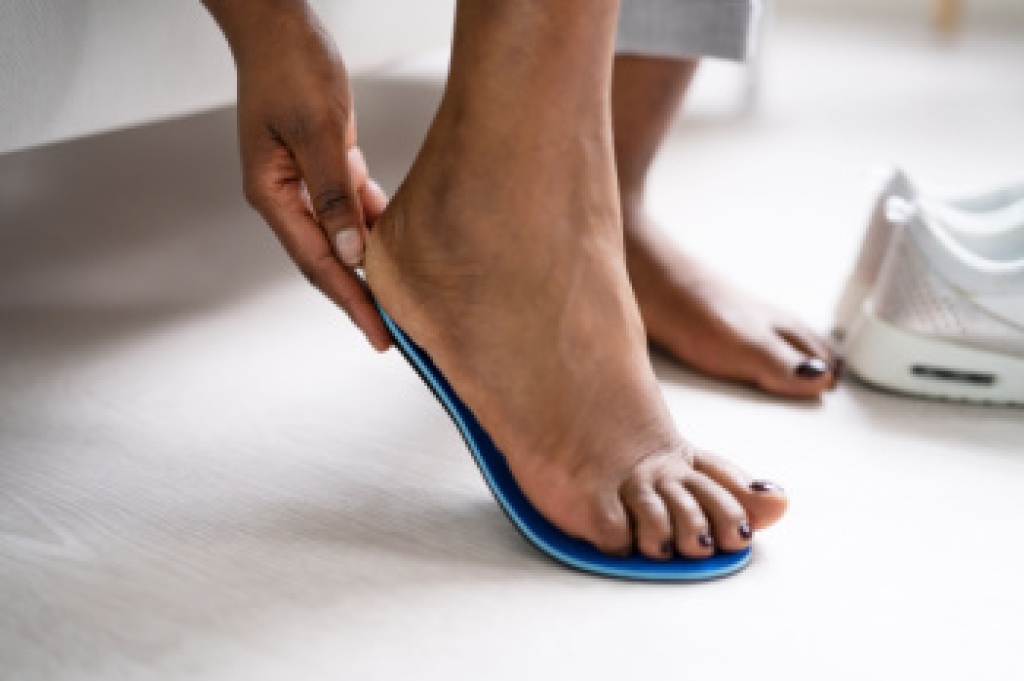
Are Orthotics Right for You?

Custom orthotics can help alleviate foot pain, improve alignment, and support mobility, but not everyone needs them. If you are experiencing persistent discomfort, instability, or issues related to gait, a podiatrist can determine if orthotics are the right solution. Before your appointment, take note of your symptoms, when they occur, and what activities make them worse. Bring your most frequently worn shoes and any previous orthotics if you have them. Your podiatrist will assess your foot structure, walking pattern, and overall biomechanics, and  may recommend custom orthotics tailored to your needs. Be prepared to discuss your lifestyle, activity level, and any underlying conditions like diabetes or arthritis that may impact your foot health. If you are having foot problems, it is suggested that you visit a podiatrist for an evaluation and treatment options, which may include orthotics.

If you are having discomfort in your feet and would like to try orthotics, contact Rahil Baxamusa, DPM from Illinois. Our doctor can provide the care you need to keep you pain-free and on your feet.

What Are Orthotics?

Orthotics are inserts you can place into your shoes to help with a variety of foot problems such as flat feet or foot pain. Orthotics provide relief and comfort for minor foot and heel pain but can’t correct serious biomechanical problems in your feet.

Over-the-Counter Inserts

Orthotics come in a wide variety of over-the-counter inserts that are used to treat foot pain, heel pain, and minor problems. For example, arch supports can be inserted into your shoes to help correct overarched or flat feet, while gel insoles are often used because they provide comfort and relief from foot and heel pain by alleviating pressure.

Prescription Orthotics

If over-the-counter inserts don’t work for you or if you have a more severe foot concern, it is possible to have your podiatrist prescribe custom orthotics. These high-quality inserts are designed to treat problems such as abnormal motion, plantar fasciitis, and severe forms of heel pain. They can even be used to help patients suffering from diabetes by treating foot ulcers and painful calluses and are usually molded to your feet individually, which allows them to provide full support and comfort.

If you are experiencing minor to severe foot or heel pain, it’s recommended to speak with your podiatrist about the possibilities of using orthotics. A podiatrist can determine which type of orthotic is right for you and allow you to take the first steps towards being pain-free.

If you have any questions, please feel free to contact our office located in Crystal Lake, IL . We offer the newest diagnostic and treatment technologies for all your foot care needs.
Read more about Foot Orthotics

How Diabetes Can Cause Foot Pain

Diabetes can lead to foot pain through several complications that affect nerves, blood vessels, and bone structure. Nerve pain, known as diabetic neuropathy, occurs when prolonged high blood sugar damages the nerves, causing tingling, burning, or numbness in the feet. This condition reduces sensation, increasing the risk of unnoticed injuries and infections. Charcot foot is another serious complication where weakened bones in the foot fracture easily, leading to deformity and instability. Poor circulation from peripheral artery disease reduces blood flow to the feet, slowing healing and increasing the risk of ulcers. Without proper care, these complications can worsen, leading to severe infections or limb loss. If you have diabetes and are experiencing foot pain, it is strongly suggested that you are under the care of a podiatrist who can offer treatment and foot pain relief tips.

Foot Pain

Foot pain can be extremely painful and debilitating. If you have a foot pain, consult with Rahil Baxamusa, DPM from Illinois. Our doctor will assess your condition and provide you with quality foot and ankle treatment.

Causes

Foot pain is a very broad condition that could be caused by one or more ailments. The most common include:

  • Bunions
  • Hammertoes
  • Plantar Fasciitis
  • Bone Spurs
  • Corns
  • Tarsal Tunnel Syndrome
  • Ingrown Toenails
  • Arthritis (such as Gout, Rheumatoid, and Osteoarthritis)
  • Flat Feet
  • Injury (from stress fractures, broken toe, foot, ankle, Achilles tendon ruptures, and sprains)
  • And more

Diagnosis

To figure out the cause of foot pain, podiatrists utilize several different methods. This can range from simple visual inspections and sensation tests to X-rays and MRI scans. Prior medical history, family medical history, and any recent physical traumatic events will all be taken into consideration for a proper diagnosis.

Treatment

Treatment depends upon the cause of the foot pain. Whether it is resting, staying off the foot, or having surgery; podiatrists have a number of treatment options available for foot pain.

If you have any questions, please feel free to contact our office located in Crystal Lake, IL . We offer the newest diagnostic and treatment technologies for all your foot care needs.

Read more about Foot Pain

Taking Care of Your Diabetic Feet

Diabetic foot care is essential for anyone with diabetes, as high blood sugar can lead to nerve damage, called neuropathy, and poor circulation. These issues make it harder to feel injuries or detect infections, which can lead to serious complications, if untreated. Symptoms include numbness, tingling, or a burning sensation in the feet. You might also notice cuts, blisters, or ulcers that heal slowly, along with swelling or redness. If left untreated, infections can worsen, leading to more severe conditions, including limb loss. To prevent complications, daily foot inspections are critical. It is important to look for cuts, sores, or swelling. Keep your feet clean and dry, wear properly fitted shoes, and avoid tight socks. Controlling your blood sugar and avoiding smoking can improve circulation. A podiatrist can help with regular foot exams and early detection of wounds or ulcers. This foot doctor also can provide treatment for existing issues like wound care or prescribe custom orthotics for better foot alignment. For comprehensive diabetic foot care, it is suggested that you schedule an appointment with a podiatrist.

Diabetic foot care is important in preventing foot ailments such as ulcers. If you are suffering from diabetes or have any other concerns about your feet, contact Rahil Baxamusa, DPM from Illinois. Our doctor can provide the care you need to keep you pain-free and on your feet.

Diabetic Foot Care

Diabetes affects millions of people every year. The condition can damage blood vessels in many parts of the body, especially the feet. Because of this, taking care of your feet is essential if you have diabetes, and having a podiatrist help monitor your foot health is highly recommended.

The Importance of Caring for Your Feet

  • Routinely inspect your feet for bruises or sores.
  • Wear socks that fit your feet comfortably.
  • Wear comfortable shoes that provide adequate support.

Patients with diabetes should have their doctor monitor their blood levels, as blood sugar levels play such a huge role in diabetic care. Monitoring these levels on a regular basis is highly advised.

It is always best to inform your healthcare professional of any concerns you may have regarding your feet, especially for diabetic patients. Early treatment and routine foot examinations are keys to maintaining proper health, especially because severe complications can arise if proper treatment is not applied.

If you have any questions, please feel free to contact our office located in Crystal Lake, IL . We offer the newest diagnostic and treatment technologies for all your foot care needs.

Read more about How to Care for Diabetic Foot

Connect With Us