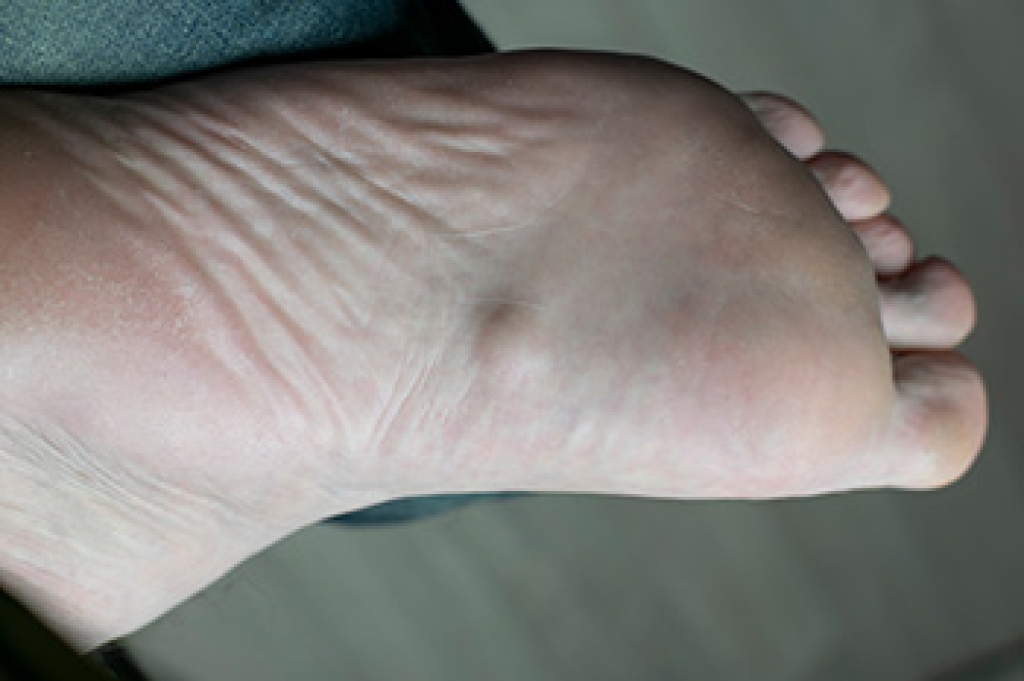
What Is a Plantar Fibroma?

A plantar fibroma is a benign growth that develops in the plantar fascia, the thick band of tissue along the bottom of the foot. It appears as a firm lump that can cause pain or discomfort when walking or standing. The exact cause is unclear, but may involve genetic factors, foot trauma, or repetitive strain. Symptoms include tenderness, pressure pain, and stiffness in the arch. Relief may come from wearing supportive shoes, using orthotics, or applying gentle stretching and massage. A podiatrist can diagnose the condition, provide non-surgical treatments, and recommend advanced options, if needed. If you have developed a growth on the bottom of your foot, it is suggested that you consult a podiatrist who can offer effective relief and treatment solutions.

A plantar fibroma may disrupt your daily activities. If you have any concerns, contact Rahil Baxamusa, DPM of Illinois. Our doctor can provide the care you need to keep you pain-free and on your feet.

Plantar Fibroma

A plantar fibroma is a fibrous knot in the arch of the foot. It is embedded in the plantar fascia which is a band of tissue that extends from the heel to the toes along the bottom of the foot. There can be multiple plantar fibromas in the feet at the same time. There are no known causes for this condition. If you have a plantar fibroma, there will be a bump in the arch of your foot that cannot be missed. Any associated pain is most often due to a shoe rubbing against the nodule. Non-surgical options, such as steroid injections, physical therapy, and orthotics should be tried first. Surgery is a last resort and is the only thing that will remove a plantar fibroma entirely. Consult with a podiatrist for a proper diagnosis and to determine the treatment regimen that is right for you.

What Causes a Plantar Fibroma?

While there are no specific causes identified, a plantar fibroma can possibly come from genetic predisposition or the formation of scar tissue that forms from healing the tears in the plantar fascia.

What Are the Symptoms of a Plantar Fibroma?

There will be a noticeable lump in the arch of the foot that may or may not cause pain. If pain is felt, it is typically because a shoe is rubbing up against the lump or when walking or standing barefoot.

Treatment and Prevention

A plantar fibroma will not disappear without treatment, but it can get smaller and be a non-issue. If pain persists, a podiatrist examines the foot and when the arch of the foot is pressed, pain can be felt down to the toes. An MRI or biopsy might be performed to help diagnose or evaluate the plantar fibroma. The following non-surgical options are generally enough to reduce the size and pain of these nodules:

  • Steroid injections
  • Orthotics
  • Physical therapy to help apply anti-inflammatory creams on the bump 

Surgery is considered if the mass increases in size and the patient continues to feel pain after non-surgical methods are tried.

If you have any questions, please feel free to contact our office located in Crystal Lake, IL . We offer the newest diagnostic and treatment technologies for all your foot care needs.
Read more about Plantar Fibroma

Foot Exercises to Relieve Plantar Fasciitis Pain

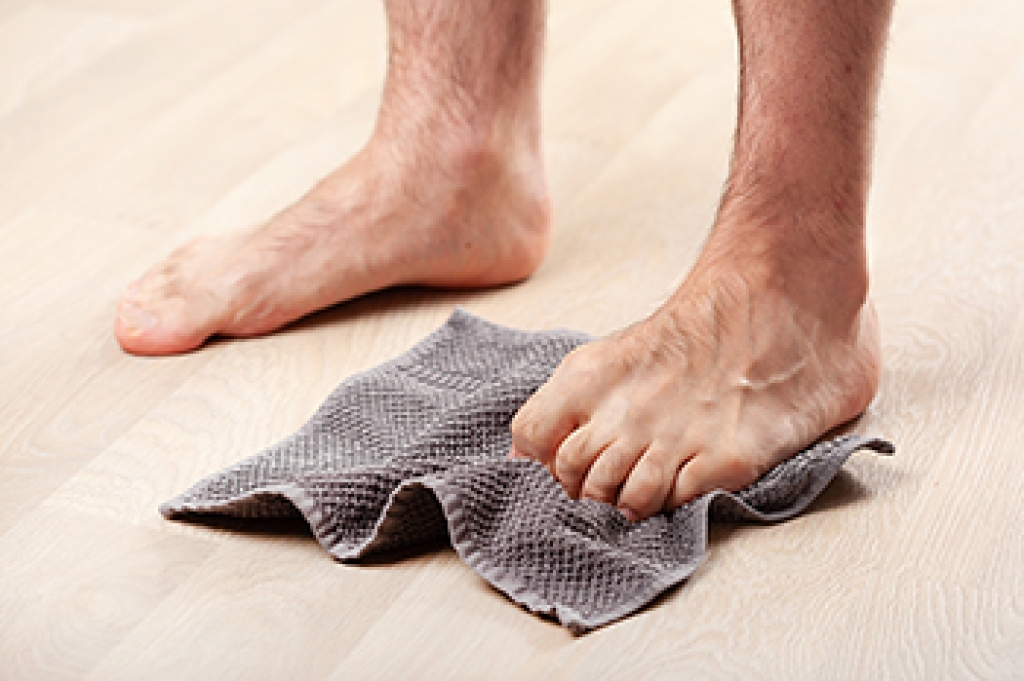
Plantar fasciitis is inflammation of the thick band of tissue that supports the arch of the foot, often causing heel pain. Gentle stretching and strengthening exercises can reduce discomfort and promote healing. A calf stretch is done by standing facing a wall, placing one foot behind the other, and leaning forward to stretch the back calf. A calf stretch on a step involves lowering your heels off the edge of a step to lengthen the calf muscles. Additionally, the towel scrunch strengthens the arch by pulling a towel toward you with your toes, and marble pick-ups train foot control by lifting marbles with your toes. Plantar fasciitis can be painful, and may cause difficulty in completing daily tasks. If you have heel pain,, it is suggested that you consult a podiatrist who can diagnose the problem and offer you relief and treatment solutions, which may include targeted exercises.

Exercising your feet regularly with the proper foot wear is a great way to prevent injuries and build strength. If you have any concerns about your feet, contact Rahil Baxamusa, DPM from Illinois. Our doctor can provide the care you need to keep you pain-free and on your feet.

Exercise for Your Feet

Exercise for your feet can help you gain strength, mobility and flexibility in your feet. They say that strengthening your feet can be just as rewarding as strengthening another part of the body. Your feet are very important, and we often forget about them in our daily tasks. But it is because of our feet that are we able to get going and do what we need to. For those of us fortunate enough to not have any foot problems, it is an important gesture to take care of them to ensure good health in the long run.

Some foot health exercises can include ankle pumps, tip-toeing, toe rises, lifting off the floor doing reps and sets, and flexing the toes. It is best to speak with Our doctor to determine an appropriate regimen for your needs. Everyone’s needs and bodies are different, and the activities required to maintain strength in the feet vary from individual to individual. 

Once you get into a routine of doing regular exercise, you may notice a difference in your feet and how strong they may become.

If you have any questions, please feel free to contact our office located in Crystal Lake, IL . We offer the newest diagnostic and treatment technologies for all your foot care needs.

Read more about Exercise for Your Feet

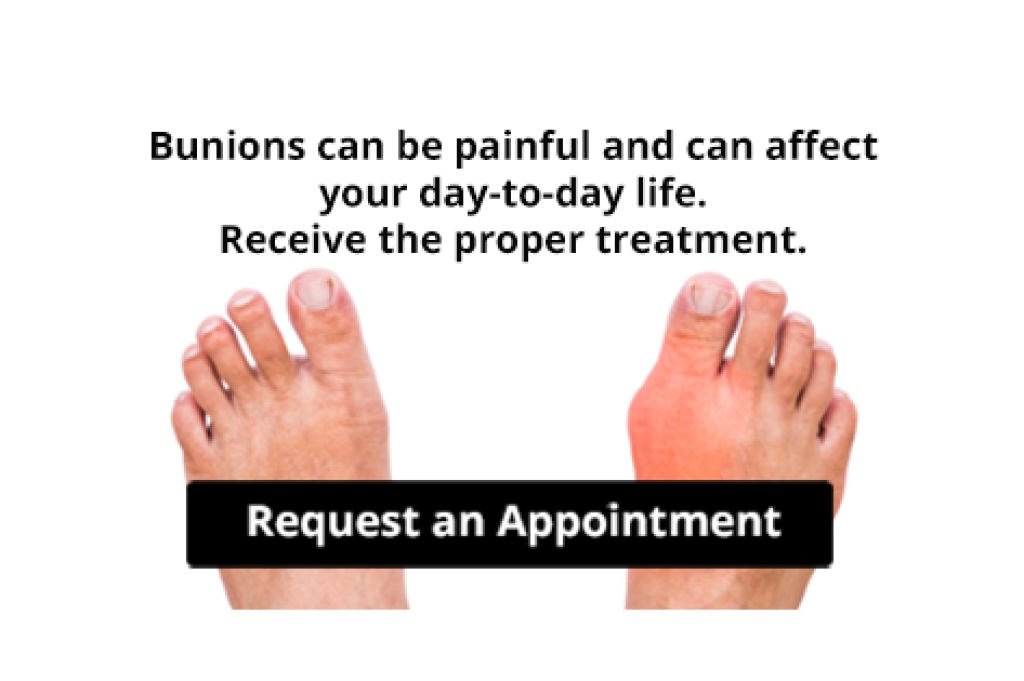
Are Bunions Affecting Your Everyday Life?

Have you noticed a bony protrusion on the side of your big toe? If so, you may have developed the foot condition known as a bunion. Don't let bunions interfere with your daily activities.

Recovery After Bunion Surgery

Bunion surgery is performed to correct the bony bump that develops at the base of the big toe. After the procedure, it is normal to experience some swelling, soreness, and limited movement in the foot. Patients are often advised to wear a special shoe or boot to protect the area and keep weight off the toe as it heals. Elevating the foot and following the podiatrist’s instructions can make recovery smoother. Healing times vary depending on the type of surgery performed and the individual’s overall health, but many people return to normal activities within a few weeks to a few months. Targeted exercises may be recommended to restore strength and flexibility in the toe. With proper care and guidance, bunion surgery can relieve pain and improve mobility. If you are considering bunion surgery, it is suggested that you consult a podiatrist to discuss your options.

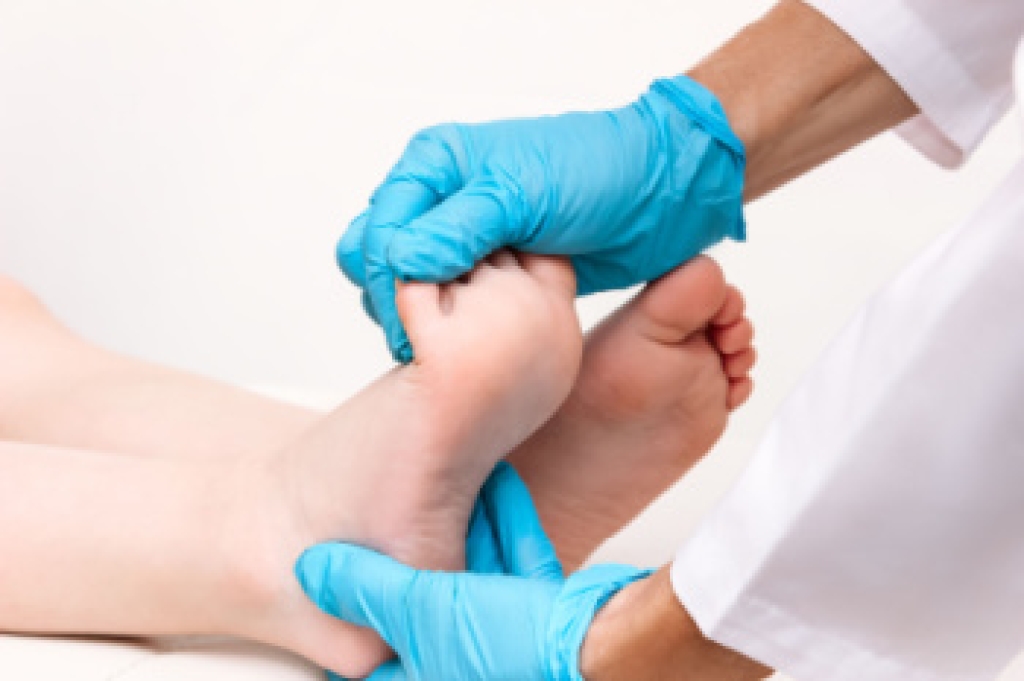
Foot surgery is sometimes necessary to treat a foot ailment. To learn more, contact Rahil Baxamusa, DPM of Illinois. Our doctor will assist you with all of your foot and ankle needs.

When Is Surgery Necessary?

Foot and ankle surgery is generally reserved for cases in which less invasive, conservative procedures have failed to alleviate the problem. Some of the cases in which surgery may be necessary include:

  • Removing foot deformities like bunions and bone spurs
  • Severe arthritis that has caused bone issues
  • Cosmetic reconstruction

What Types of Surgery Are There?

The type of surgery you receive will depend on the nature of the problem you have. Some of the possible surgeries include:

  • Bunionectomy for painful bunions
  • Surgical fusion for realignment of bones
  • Neuropathy decompression surgery to treat nerve damage

Benefits of Surgery

Although surgery is usually a last resort, it can provide more complete pain relief compared to non-surgical methods and may allow you to finally resume full activity.

Surgical techniques have also become increasingly sophisticated. Techniques like endoscopic surgery allow for smaller incisions and faster recovery times.

If you have any questions, please feel free to contact our office located in Crystal Lake, IL . We offer the newest diagnostic and treatment technologies for all your foot care needs.
Read more about Foot Surgery

Gout in Children and Adolescents

Hyperuricemia, or gout, is a condition caused by high levels of uric acid in the blood, leading to crystal deposits in joints. Although rare in children and adolescents, it can occur due to genetic factors, kidney issues, obesity, or certain medications. Risk factors include a family history of gout, poor diet, and metabolic disorders. Symptoms include sudden joint pain, redness, swelling, and warmth, often affecting the big toe. These painful flare ups can limit mobility and daily activities. A podiatrist can provide an accurate diagnosis, pain management, lifestyle recommendations, and supportive footwear to prevent recurring attacks. If your child or teenager has symptoms of gout, it is strongly suggested that you consult a podiatrist who can offer effective treatment and relief tips for this painful condition. 

Gout is a painful condition that can be treated. If you are seeking treatment, contact Rahil Baxamusa, DPM from Illinois. Our doctor will treat your foot and ankle needs.

What Is Gout?

Gout is a form of arthritis that is characterized by sudden, severe attacks of pain, redness, and tenderness in the joints. The condition usually affects the joint at the base of the big toe. A gout attack can occur at any random time, such as the middle of the night while you are asleep.

Symptoms

  • Intense Joint Pain - Usually around the large joint of your big toe, and it most severe within the first four to twelve hours
  • Lingering Discomfort - Joint discomfort may last from a few days to a few weeks
  • Inflammation and Redness -Affected joints may become swollen, tender, warm and red
  • Limited Range of Motion - May experience a decrease in joint mobility

Risk Factors

  • Genetics - If family members have gout, you’re more likely to have it
  • Medications - Diuretic medications can raise uric acid levels
  • Gender/Age - Gout is more common in men until the age of 60. It is believed that estrogen protects women until that point
  • Diet - Eating red meat and shellfish increases your risk
  • Alcohol - Having more than two alcoholic drinks per day increases your risk
  • Obesity - Obese people are at a higher risk for gout

Prior to visiting your podiatrist to receive treatment for gout, there are a few things you should do beforehand. If you have gout you should write down your symptoms--including when they started and how often you experience them, important medical information you may have, and any questions you may have. Writing down these three things will help your podiatrist in assessing your specific situation so that he or she may provide the best route of treatment for you.

If you have any questions, please feel free to contact our office located in Crystal Lake, IL . We offer the newest diagnostic and treatment technologies for all your foot care needs.
Read more about Gout

Understanding Flat Feet in Children and When to Seek Help

Flat feet in children occur when the arches of the feet do not develop properly, causing the entire sole to touch the ground. It may look like the child has no visible arch and their ankles may appear to roll inward. While many children experience no pain, some may complain of foot, ankle, or leg discomfort, especially after physical activity. Causes include genetics, loose ligaments, or underlying conditions like cerebral palsy. Symptoms may also include fatigue, poor balance, or difficulty with walking or playing sports. A podiatrist can diagnose flat feet through a physical examination and imaging tests if needed. Treatment options vary based on severity and symptoms and may include custom orthotics, supportive footwear, or stretching exercises. In rare cases, surgery may be considered. Early evaluation can prevent long-term complications and improve a child’s comfort and mobility. If you notice signs of flat feet in your child, it is suggested that you make an appointment with a podiatrist.

Flatfoot is a condition many people suffer from. If you have flat feet, contact Rahil Baxamusa, DPM from Illinois. Our doctor will treat your foot and ankle needs.

What Are Flat Feet?

Flatfoot is a condition in which the arch of the foot is depressed and the sole of the foot is almost completely in contact with the ground. About 20-30% of the population generally has flat feet because their arches never formed during growth.

Conditions & Problems:

Having flat feet makes it difficult to run or walk because of the stress placed on the ankles.

Alignment – The general alignment of your legs can be disrupted, because the ankles move inward which can cause major discomfort.

Knees – If you have complications with your knees, flat feet can be a contributor to arthritis in that area.  

Symptoms

  • Pain around the heel or arch area
  • Trouble standing on the tip toe
  • Swelling around the inside of the ankle
  • Flat look to one or both feet
  • Having your shoes feel uneven when worn

Treatment

If you are experiencing pain and stress on the foot you may weaken the posterior tibial tendon, which runs around the inside of the ankle. 

If you have any questions, please feel free to contact our office located in Crystal Lake, IL . We offer the newest diagnostic and treatment technologies for all your foot care needs.
Read more about Flatfoot

Tips to Help Prevent Running Injuries

Did you know that 80% of running injuries are caused by repetitive stress? Sudden injuries can occur too, such as torn muscles or sprained ankles. Luckily, there are steps that you can take to help prevent running injuries. Before you start your run, it is suggested that you warm up for 5-10 minutes by doing an easy jog or dynamic mobility stretches, like swinging your legs. When you are running, slowly increase the time and distance that you run. If possible, run on a soft surface like grass or sand. These soft surfaces are generally easier on your joints as opposed to running on the pavement. If you do sustain an injury, seek treatment right away and be sure to give your body adequate rest. Running with an injury could make the condition worse or cause new injuries to develop. For more information on how to prevent running injuries, consult with a podiatrist.

Exercising your feet regularly with the proper foot wear is a great way to prevent injuries. If you have any concerns about your feet, contact Rahil Baxamusa, DPM of Illinois. Our doctor will treat your foot and ankle needs.

How to Prevent Running Injuries

Many common running injuries are caused by overuse and overtraining. When the back of the kneecap starts wearing out and starts causing pain in your knee, this is commonly referred to as runner’s knee. Runner’s knee is a decrease in strength in your quadriceps and can occur if you’re not wearing properly fitted or supporting shoes. To prevent runner’s knee, focusing on hip strengthening is a good idea, as well as strengthening your quads to keep the kneecaps aligned.

What Are Some Causes of Running Injuries? 
- One cause of a common running injury is called iliotibial band syndrome.
- Plantar fasciitis is also another common injury.
- Stress fractures can occur from overtraining, lack of calcium, or even your running style.

Best Ways to Prevent Running Injuries
- Wear footwear that fits properly and suits your running needs.
- Running shoes are the only protective gear that runners have to safeguard them from injury.
- Make a training schedule. Adding strengthening exercises as well as regular stretching can help keep you strong and limber and can lessen the possibility of injuries.
- Stretching keeps muscles limber; this will help you gain better flexibility.

If you have any questions, please feel free to contact our office located in Crystal Lake, IL . We offer the newest diagnostic and treatment technologies for all your foot care needs.

Read more about How to Prevent Running Injuries

Bunion Causes and Symptoms

Bunions are a foot deformity that often develop gradually, leading to pain and changes in toe alignment. The most noticeable symptom of a bunion is a hard, bony bump on the side of the big toe that may become red, swollen, and tender from pressure inside shoes. As the bunion progresses, the big toe shifts inward toward the second toe, sometimes crossing over or under it, which can cause stiffness and difficulty in moving the joint. Pain at the base of the toe is common, especially when walking or standing for long periods. Bunions may also lead to irritation of the bursa, a small fluid-filled sac, resulting in bursitis, or displacement of the sesamoid bones under the big toe joint. Causes of bunions include inherited foot structure, arthritis, and frequent use of shoes that lack adequate support or have a narrow, pointed toe box, such as high heels or flip-flops. If you are experiencing pain from a bunion, it is suggested that you schedule an appointment with a podiatrist for an evaluation and appropriate treatment.

If you are suffering from bunion pain, contact Rahil Baxamusa, DPM of Illinois. Our doctor can provide the care you need to keep you pain-free and on your feet.

What Is a Bunion?

Bunions are painful bony bumps that usually develop on the inside of the foot at the joint of the big toe. As the deformity increases over time, it may become painful to walk and wear shoes. Women are more likely to exacerbate existing bunions since they often wear tight, narrow shoes that shift their toes together. Bunion pain can be relieved by wearing wider shoes with enough room for the toes.

Causes

  • Genetics – some people inherit feet that are more prone to bunion development
  • Inflammatory Conditions - rheumatoid arthritis and polio may cause bunion development

Symptoms

  • Redness and inflammation
  • Pain and tenderness
  • Callus or corns on the bump
  • Restricted motion in the big toe

In order to diagnose your bunion, your podiatrist may ask about your medical history, symptoms, and general health. Your doctor might also order an x-ray to take a closer look at your feet. Nonsurgical treatment options include orthotics, padding, icing, changes in footwear, and medication. If nonsurgical treatments don’t alleviate your bunion pain, surgery may be necessary.

If you have any questions, please feel free to contact our office located in Crystal Lake, IL . We offer the newest diagnostic and treatment technologies for all your foot care needs.

Read more about Bunions

Gout Pain Can Be Managed

Gout is a painful, inflammatory form of arthritis. Those affected will typically feel an intense stiffness in the joints of their feet, particularly in the big toe. Schedule a visit to learn about how gout can be managed and treated.

Understanding Kohler Disease in Children

Kohler disease is a rare foot condition that affects the tarsal navicular bone. This small midfoot bone helps connect the ankle to the toes and supports the arch, which becomes compressed and weakened. Kohler disease typically occurs in children between the ages of five and 10. The exact cause is unknown, but possible genetic links and disruptions in blood supply may contribute. Symptoms often include redness of the foot, tenderness along the length of the arch, swelling, and limping due to pain. Although the condition usually resolves with time, early diagnosis is important to relieve discomfort and prevent long-term issues. A podiatrist can provide supportive treatments, recommend protective footwear, and monitor healing. If your child shows signs of Kohler disease or has foot pain of any kind, it is suggested that you promptly consult a podiatrist to schedule an appointment for expert care.

Some foot conditions may require additional professional care. If you have any concerns, contact Rahil Baxamusa, DPM of Illinois. Our doctor can provide the care you need to keep you pain-free and on your feet.

Rare Foot Conditions

The majority of foot conditions are common and can be treated by a podiatrist.  Standard diagnostic procedures are generally used to identify specific conditions and treatment can be rendered. A podiatrist also treats rare foot conditions which can be difficult to diagnose and may need extra attention and care. 

There are many rare foot conditions that can affect children. Some of these can include:

  • Freiberg’s disease
  • Kohler’s disease
  • Maffucci syndrome

Freiberg’s disease - This can be seen as a deterioration and flattening of a metatarsal bone that exists in the ball of the foot. It typically affects pre-teen and teenage girls, but can affect anyone at any age. Symptoms that can accompany this can be swelling, stiffness, and the patient may limp. 

Kohler’s disease - This often targets the bone in the arch of the foot and affects younger boys. It can lead to an interruption of the blood supply which ultimately can lead to bone deterioration. The patient may limp or experience tenderness, swelling, and redness.

Maffucci syndrome - This affects the long bones in a child’s foot leading to the development of abnormal bone lesions. They are benign growths and typically develop in early childhood and the bones may be susceptible to breaking. 

A podiatrist can properly diagnose and treat all types of rare foot conditions. If your child is affected by any of these symptoms or conditions, please don’t hesitate to call our office so the correct treatment method can begin.

If you have any questions, please feel free to contact our office located in Crystal Lake, IL . We offer the newest diagnostic and treatment technologies for all your foot care needs.
Read more about Rare Foot Conditions

Connect With Us