
Plantar warts are small growths that develop on parts of the feet that bear weight. They're typically found on the bottom of the foot. Don't live with plantar warts, and call us today!
Plantar warts are small growths that develop on parts of the feet that bear weight. They're typically found on the bottom of the foot. Don't live with plantar warts, and call us today!
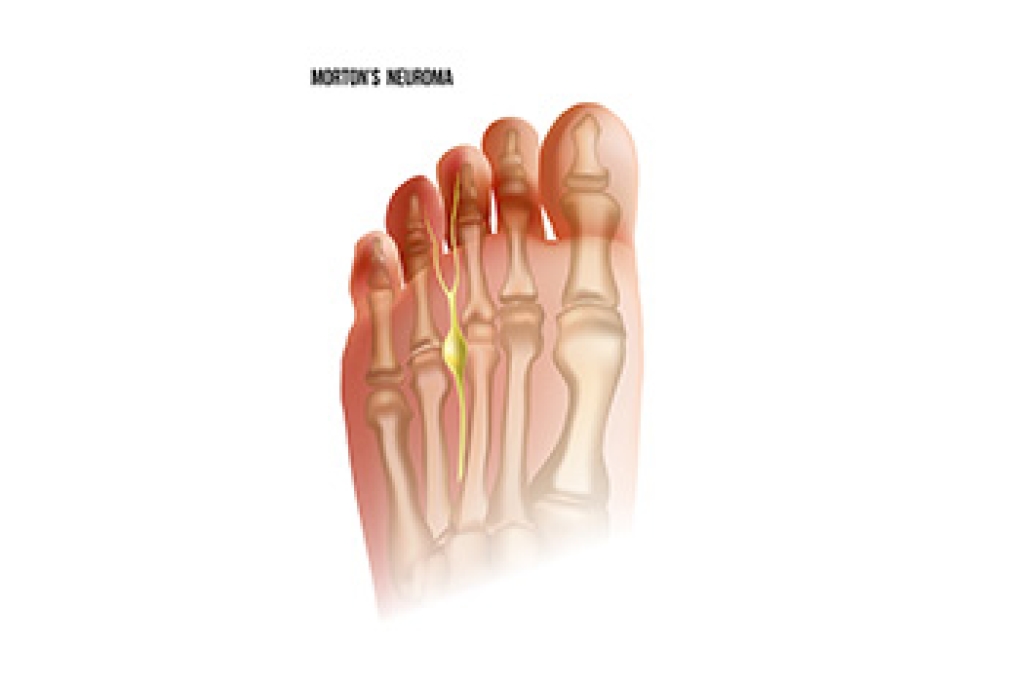
Morton's neuroma is a painful condition involving thickening of the tissue around a nerve usually located between the third and fourth toes. It is caused by repeated pressure or irritation, often linked to wearing tight shoes, high heels, or engaging in high-impact activities. Symptoms include burning pain, tingling, numbness, or the feeling of having a pebble under the foot. Risk factors include foot deformities, poor footwear, and certain sports. A podiatrist can diagnose the condition through a physical exam and imaging, then offer treatments such as footwear changes, padding, or custom orthotics. If you are feeling pain or discomfort in the ball of your foot, it is suggested that you contact a podiatrist who can accurately diagnose and treat the cause.
Morton’s neuroma is a very uncomfortable condition to live with. If you think you have Morton’s neuroma, contact Rahil Baxamusa, DPM of Illinois. Our doctor will attend to all of your foot care needs and answer any of your related questions.
Morton’s Neuroma
Morton's neuroma is a painful foot condition that commonly affects the areas between the second and third or third and fourth toe, although other areas of the foot are also susceptible. Morton’s neuroma is caused by an inflamed nerve in the foot that is being squeezed and aggravated by surrounding bones.
What Increases the Chances of Having Morton’s Neuroma?
Morton’s neuroma is a very treatable condition. Orthotics and shoe inserts can often be used to alleviate the pain on the forefront of the feet. In more severe cases, corticosteroids can also be prescribed. In order to figure out the best treatment for your neuroma, it’s recommended to seek the care of a podiatrist who can diagnose your condition and provide different treatment options.
If you have any questions, please feel free to contact our office located in Crystal Lake, IL . We offer the newest diagnostic and treatment technologies for all your foot care needs.

Pregnancy affects nearly every part of the body, including your feet. Many pregnant women notice their feet changing in size. Studies show increases in length, width and volume during pregnancy. This is often due to hormonal changes that loosen ligaments and cause arches to flatten. Fluid retention can also lead to swelling, making shoes feel tighter or uncomfortable. Symptoms may include aching arches, increased shoe size, swollen ankles, and a general feeling of heaviness or fatigue in the feet, especially later in pregnancy. A podiatrist can provide significant relief during this time. They offer custom orthotics to support fallen arches, advice on proper footwear, and treatment to reduce swelling and pain. Routine care from a podiatrist can prevent long-term foot issues and help maintain mobility and comfort throughout pregnancy. If you are dealing with this condition, it is suggested that you make an appointment with a podiatrist.
Pregnant women with swollen feet can be treated with a variety of different methods that are readily available. For more information about other cures for swollen feet during pregnancy, consult with Rahil Baxamusa, DPM from Illinois. Our doctor will attend to all of your foot and ankle needs.
What Foot Problems Can Arise During Pregnancy?
One problem that can occur is overpronation, which occurs when the arch of the foot flattens and tends to roll inward. This can cause pain and discomfort in your heels while you’re walking or even just standing up, trying to support your baby.
Another problem is edema, or swelling in the extremities. This often affects the feet during pregnancy but tends to occur in the later stages.
How Can I Keep My Feet Healthy During Pregnancy?
If you have any questions, please feel free to contact our office located in Crystal Lake, IL . We offer the newest diagnostic and treatment technologies for all your foot care needs.

Tarsal tunnel syndrome is a condition where the posterior tibial nerve is compressed as it travels through the tarsal tunnel on the inside of the ankle. This can lead to tingling, burning, numbness, or sharp pain in the foot and ankle. Causes include hindfoot deformities, diabetes, hypothyroidism, excess weight, and excessive use of alcohol or tobacco. These factors can increase pressure around the nerve or contribute to nerve damage. A podiatrist can diagnose the condition using physical exams and imaging, then recommend treatment such as bracing or custom orthotics. If you are experiencing persistent foot or ankle pain, it is suggested that you schedule an appointment with a podiatrist who can accurately diagnose and treat what may be going on.
Tarsal tunnel syndrome can be very uncomfortable to live with. If you are experiencing tarsal tunnel syndrome, contact Rahil Baxamusa, DPM of Illinois. Our doctor can provide the care you need to keep you pain-free and on your feet.
Tarsal Tunnel Syndrome
Tarsal tunnel syndrome, which can also be called tibial nerve dysfunction, is an uncommon condition of misfiring peripheral nerves in the foot. The tibial nerve is the peripheral nerve in the leg responsible for sensation and movement of the foot and calf muscles. In tarsal tunnel syndrome, the tibial nerve is damaged, causing problems with movement and feeling in the foot of the affected leg.
Common Cause of Tarsal Tunnel Syndrome
The Effects of Tarsal Tunnel Syndrome
A physical exam of the leg can help identify the presence of tarsal tunnel syndrome. Medical tests, such as a nerve biopsy, are also used to diagnose the condition. Patients may receive physical therapy and prescriptive medication. In extreme cases, some may require surgery.
If you have any questions please contact our office located in Crystal Lake, IL . We offer the newest diagnostic and treatment technologies for all your foot and ankle needs.
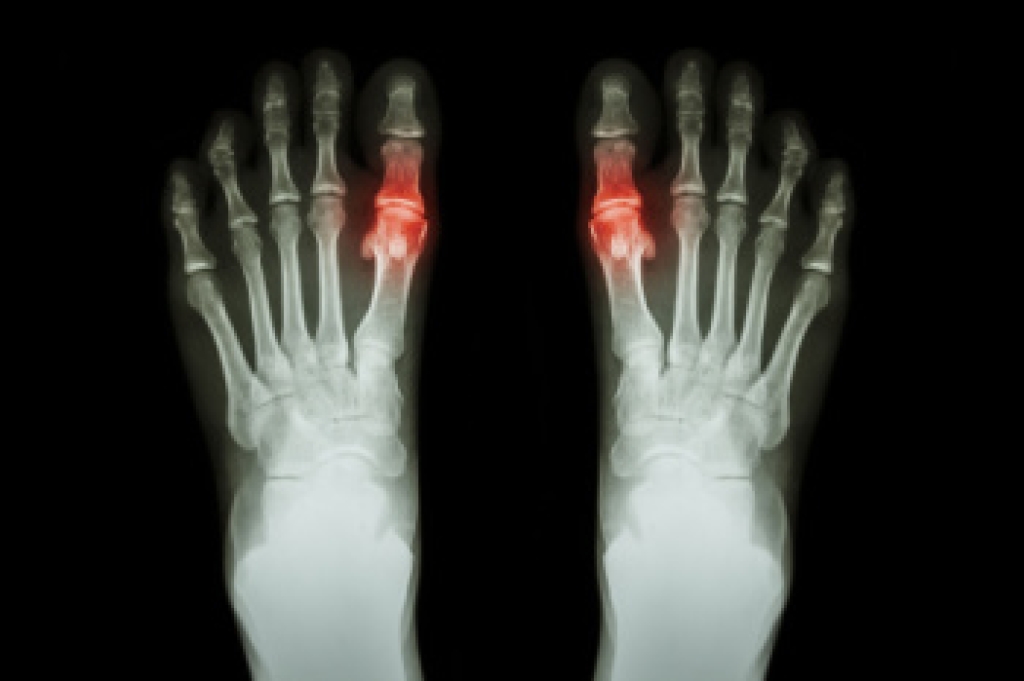
Gout is a form of inflammatory arthritis caused by the buildup of uric acid crystals in the joints, often affecting the big toe. This buildup, known as hyperuricemia, occurs when the body produces too much uric acid or fails to eliminate it efficiently. Common causes include a diet rich in purines, kidney dysfunction, or certain medications. Symptoms involve sudden and intense big toe joint pain, redness, swelling, and warmth. Diagnosis is made through blood tests, imaging, or joint fluid analysis. A podiatrist can help manage gout flares, recommend footwear modifications, and offer strategies to reduce pressure on affected joints. If you have had one or more gout attacks, it is suggested that you are under the care of a podiatrist who can help you to manage this painful condition.
Gout is a foot condition that requires certain treatment and care. If you are seeking treatment, contact Rahil Baxamusa, DPM from Illinois. Our doctor will treat your foot and ankle needs.
What Is Gout?
Gout is a type of arthritis caused by a buildup of uric acid in the bloodstream. It often develops in the foot, especially the big toe area, although it can manifest in other parts of the body as well. Gout can make walking and standing very painful and is especially common in diabetics and the obese.
People typically get gout because of a poor diet. Genetic predisposition is also a factor. The children of parents who have had gout frequently have a chance of developing it themselves.
Gout can easily be identified by redness and inflammation of the big toe and the surrounding areas of the foot. Other symptoms include extreme fatigue, joint pain, and running high fevers. Sometimes corticosteroid drugs can be prescribed to treat gout, but the best way to combat this disease is to get more exercise and eat a better diet.
If you have any questions, please feel free to contact our office located in Crystal Lake, IL . We offer the newest diagnostic and treatment technologies for all your foot care needs.
Connect With Us
