The Importance of Diabetic Foot Care

Diabetes can cause nerve damage and impair wound healing in the feet, leading to serious complications like ulcers. Proper foot care is essential for diabetics to maintain foot health. This includes always wearing well-fitting shoes to prevent injuries, even indoors, where unnoticed cuts can occur. Daily foot inspections are important in order to detect any abnormalities, such as abrasions or discolorations early. Promptly seeking care from a podiatrist for any concerning signs can prevent minor issues from escalating into ulcerated wounds, or gangrene. By prioritizing foot health with these proactive measures, diabetics can significantly reduce the risk of complications and ensure their feet remain healthy and functional. For detailed information on diabetic foot care as well as regular foot checkups, it is suggested you make an appointment with a podiatrist.

Diabetic foot care is important in preventing foot ailments such as ulcers. If you are suffering from diabetes or have any other concerns about your feet, contact Rahil Baxamusa, DPM from Illinois. Our doctor can provide the care you need to keep you pain-free and on your feet.

Diabetic Foot Care

Diabetes affects millions of people every year. The condition can damage blood vessels in many parts of the body, especially the feet. Because of this, taking care of your feet is essential if you have diabetes, and having a podiatrist help monitor your foot health is highly recommended.

The Importance of Caring for Your Feet

  • Routinely inspect your feet for bruises or sores.
  • Wear socks that fit your feet comfortably.
  • Wear comfortable shoes that provide adequate support.

Patients with diabetes should have their doctor monitor their blood levels, as blood sugar levels play such a huge role in diabetic care. Monitoring these levels on a regular basis is highly advised.

It is always best to inform your healthcare professional of any concerns you may have regarding your feet, especially for diabetic patients. Early treatment and routine foot examinations are keys to maintaining proper health, especially because severe complications can arise if proper treatment is not applied.

If you have any questions, please feel free to contact our office located in Crystal Lake, IL . We offer the newest diagnostic and treatment technologies for all your foot care needs.
Read more about Diabetic Foot Care

What Is a Metatarsal Stress Fracture?

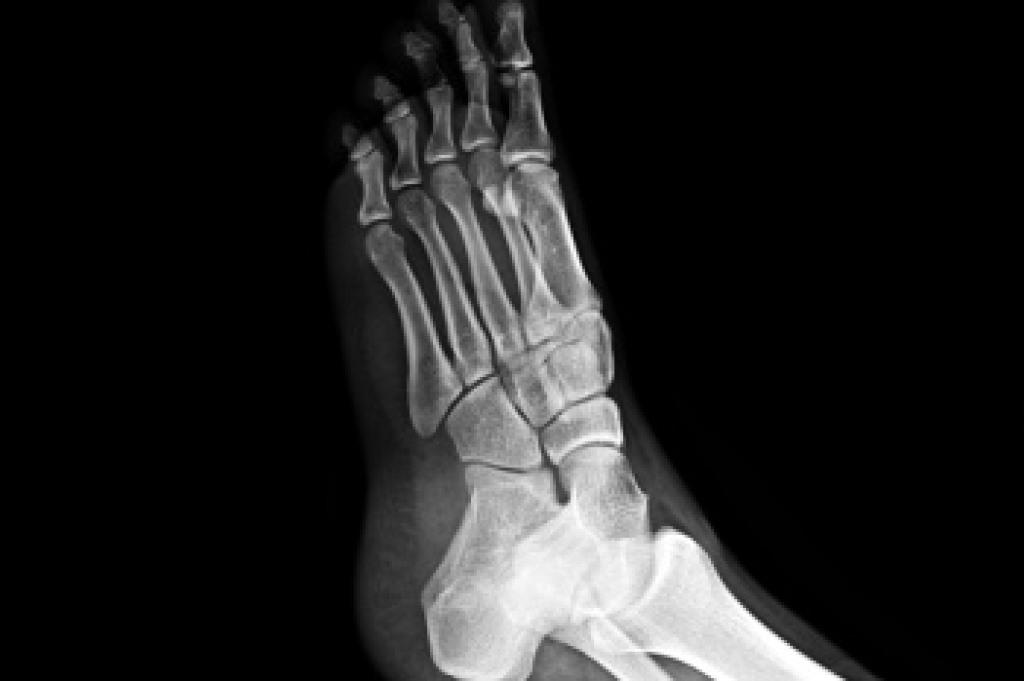
A metatarsal stress fracture is a tiny crack in one of the long bones of the foot, often caused by repetitive stress or overuse during activities like running or jumping. Symptoms include localized pain, swelling, and tenderness that worsens with activity. Preventing metatarsal stress fractures involves gradually increasing activity levels, wearing supportive footwear, and incorporating rest days into your exercise routine. Proper warm-up and stretching before activities can also reduce the risk. Treatment typically includes rest, icing the affected area, and using orthotics or supportive footwear to relieve pressure on the foot. In severe cases, immobilization with a cast or walking boot may be necessary. A podiatrist can conduct a thorough evaluation, possibly using imaging studies, and recommend appropriate treatments to promote healing and prevent further injury. Early intervention can speed up recovery and prevent long-term complications. If you suspect a metatarsal stress fracture or experience persistent foot pain, it is suggested that you make an appointment with a podiatrist.

Foot Pain

Foot pain can be extremely painful and debilitating. If you have a foot pain, consult with Rahil Baxamusa, DPM from Illinois. Our doctor will assess your condition and provide you with quality foot and ankle treatment.

Causes

Foot pain is a very broad condition that could be caused by one or more ailments. The most common include:

  • Bunions
  • Hammertoes
  • Plantar Fasciitis
  • Bone Spurs
  • Corns
  • Tarsal Tunnel Syndrome
  • Ingrown Toenails
  • Arthritis (such as Gout, Rheumatoid, and Osteoarthritis)
  • Flat Feet
  • Injury (from stress fractures, broken toe, foot, ankle, Achilles tendon ruptures, and sprains)
  • And more

Diagnosis

To figure out the cause of foot pain, podiatrists utilize several different methods. This can range from simple visual inspections and sensation tests to X-rays and MRI scans. Prior medical history, family medical history, and any recent physical traumatic events will all be taken into consideration for a proper diagnosis.

Treatment

Treatment depends upon the cause of the foot pain. Whether it is resting, staying off the foot, or having surgery; podiatrists have a number of treatment options available for foot pain.

If you have any questions, please feel free to contact our office located in Crystal Lake, IL . We offer the newest diagnostic and treatment technologies for all your foot care needs.

Read more about Foot Pain

How Psoriatic Arthritis Affects the Feet

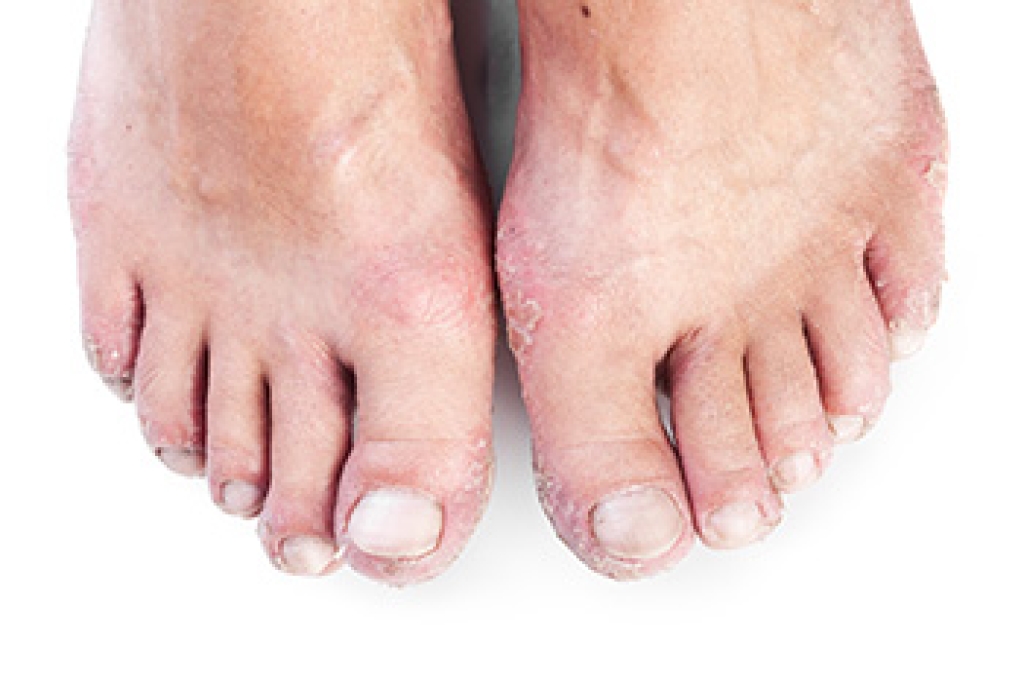
Psoriatic arthritis, or PsA, can significantly affect the feet, leading to symptoms like swelling, soreness, and stiffness. Walking or standing for prolonged periods may become uncomfortable, and shoes might feel tight due to swelling. Common issues resulting from psoriatic arthritis can include swelling of the ankle and big toe, plantar fasciitis, and pain in the Achilles tendon. Symptoms can fluctuate, so it is important to monitor and address them early. This can help to prevent long-term problems, such as an elongated big toe and stiff toe joints. A podiatrist can play a key role in managing symptoms of psoriatic arthritis by providing a treatment plan, which may include specific exercises and stretches that protect and maintain joint flexibility. A podiatrist also can recommend proper footwear and prescribe custom shoe orthotics to relieve pressure and offer stability. If you are experiencing foot pain resulting from psoriatic arthritis, it is suggested that you schedule an appointment with a podiatrist for an exam, diagnosis, and treatment options.


Arthritis can be a difficult condition to live with. If you are seeking treatment, contact Rahil Baxamusa, DPM from Illinois. Our doctor can provide the care you need to keep you pain-free and on your feet.

Arthritic Foot Care  

Arthritis is a term that is commonly used to describe joint pain.  The condition itself can occur to anyone of any age, race, or gender, and there are over 100 types of it.  Nevertheless, arthritis is more commonly found in women compared to men, and it is also more prevalent in those who are overweight. The causes of arthritis vary depending on which type of arthritis you have. Osteoarthritis for example, is often caused by injury, while rheumatoid arthritis is caused by a misdirected immune system.

Symptoms

  • Swelling
  • Pain
  • Stiffness
  • Decreased Range of Motion

Arthritic symptoms range in severity, and they may come and go. Some symptoms stay the same for several years but could potentially get worse with time. Severe cases of arthritis can prevent its sufferers from performing daily activities and make walking difficult.

Risk Factors

  • Occupation – Occupations requiring repetitive knee movements have been linked to osteoarthritis
  • Obesity – Excess weight can contribute to osteoarthritis development
  • Infection – Microbial agents can infect the joints and trigger arthritis
  • Joint Injuries – Damage to joints may lead to osteoarthritis
  • Age – Risk increases with age
  • Gender –Most types are more common in women
  • Genetics – Arthritis can be hereditary

If you suspect your arthritis is affecting your feet, it is crucial that you see a podiatrist immediately. Your doctor will be able to address your specific case and help you decide which treatment method is best for you.

If you have any questions please feel free to contact our office located in Crystal Lake, IL . We offer the newest diagnostic tools and technology to treat your foot and ankle needs.

Read more about Arthritic Foot Care

What Are Diabetic Foot Ulcers?

 Diabetic foot ulcers are serious complications of diabetes, characterized by open sores or wounds that typically develop on the feet. They result from poor circulation, nerve damage, also called neuropathy, and impaired immune function associated with diabetes. Treatment involves meticulous wound care, which includes cleaning the ulcer with gentle soap and water, applying antibiotic ointment, and covering it with a sterile dressing. Offloading pressure from the affected foot is important to prevent further irritation and aid healing. Podiatrists can conduct regular exams to monitor ulcers, assess circulation, and provide guidance on footwear and hygiene. Timely intervention can prevent complications such as infections or amputations. If you have diabetes, it is strongly suggested you visit a podiatrist who can help you to manage this condition.

Wound care is an important part in dealing with diabetes. If you have diabetes and a foot wound or would like more information about wound care for diabetics, consult with Rahil Baxamusa, DPM from Illinois. Our doctor will assess your condition and provide you with quality foot and ankle treatment.

What Is Wound Care?

Wound care is the practice of taking proper care of a wound. This can range from the smallest to the largest of wounds. While everyone can benefit from proper wound care, it is much more important for diabetics. Diabetics often suffer from poor blood circulation which causes wounds to heal much slower than they would in a non-diabetic. 

What Is the Importance of Wound Care?

While it may not seem apparent with small ulcers on the foot, for diabetics, any size ulcer can become infected. Diabetics often also suffer from neuropathy, or nerve loss. This means they might not even feel when they have an ulcer on their foot. If the wound becomes severely infected, amputation may be necessary. Therefore, it is of the upmost importance to properly care for any and all foot wounds.

How to Care for Wounds

The best way to care for foot wounds is to prevent them. For diabetics, this means daily inspections of the feet for any signs of abnormalities or ulcers. It is also recommended to see a podiatrist several times a year for a foot inspection. If you do have an ulcer, run the wound under water to clear dirt from the wound; then apply antibiotic ointment to the wound and cover with a bandage. Bandages should be changed daily and keeping pressure off the wound is smart. It is advised to see a podiatrist, who can keep an eye on it.

If you have any questions please contact our office located in Crystal Lake, IL . We offer the newest diagnostic and treatment technologies for all your foot and ankle needs.

Read more about Wound Care

Connect With Us