Neuropathy is a condition that can lead to numbness or loss of sensation in the feet, but it can also cause pain. This condition is more likely to develop for those who are diabetic, obese, or with high blood pressure.
Neuropathy is a condition that can lead to numbness or loss of sensation in the feet, but it can also cause pain. This condition is more likely to develop for those who are diabetic, obese, or with high blood pressure.
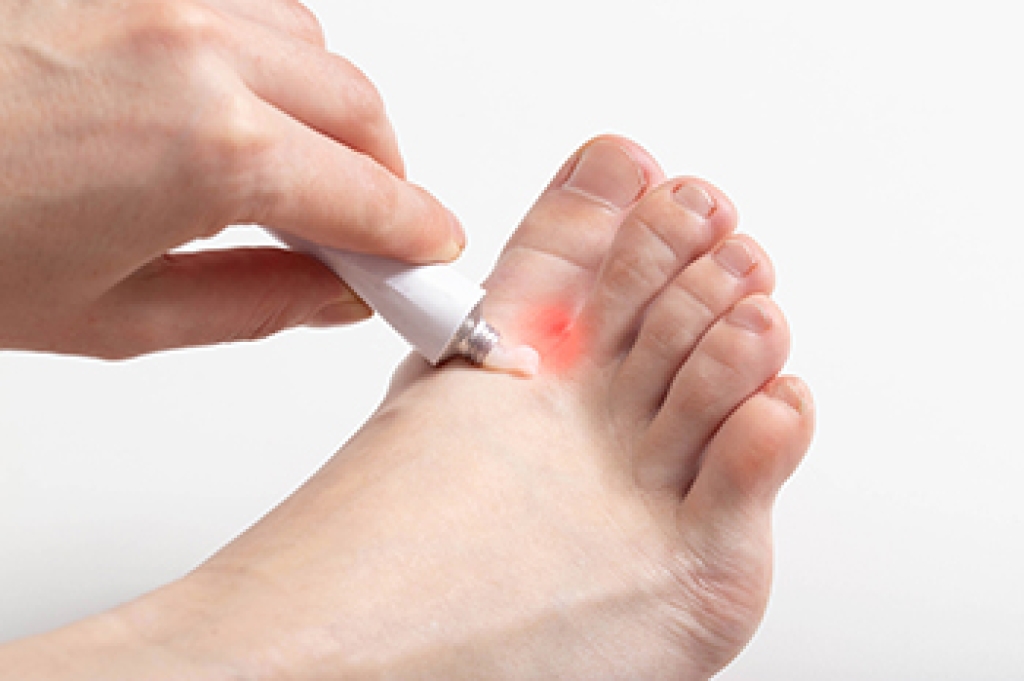
Athlete’s foot is a common fungal infection that affects the skin on the feet, especially between the toes. It thrives in warm, moist environments such as locker rooms, communal showers, and sweaty shoes. Many people first notice itching, burning, or peeling skin that becomes more irritated after activity. As the condition progresses, the skin may crack, blister, or appear scaly and red, making walking or wearing shoes uncomfortable. The fungus spreads easily through shared surfaces, wearing damp socks, or contaminated footwear. Keeping the feet clean and dry, changing socks regularly, and choosing breathable shoes can help reduce risk. Stubborn infections often require professional care to fully clear and prevent recurrence. If the itching persists, the skin becomes painful, or the infection keeps returning, it is suggested that you see a podiatrist for an evaluation and effective treatment.
Athlete’s Foot
Athlete’s foot is often an uncomfortable condition to experience. Thankfully, podiatrists specialize in treating athlete’s foot and offer the best treatment options. If you have any questions about athlete’s foot, consult with Rahil Baxamusa, DPM from Illinois. Our doctor will assess your condition and provide you with quality treatment.
What Is Athlete’s Foot?
Tinea pedis, more commonly known as athlete’s foot, is a non-serious and common fungal infection of the foot. Athlete’s foot is contagious and can be contracted by touching someone who has it or infected surfaces. The most common places contaminated by it are public showers, locker rooms, and swimming pools. Once contracted, it grows on feet that are left inside moist, dark, and warm shoes and socks.
Prevention
The most effective ways to prevent athlete’s foot include:
Symptoms
Athlete’s foot initially occurs as a rash between the toes. However, if left undiagnosed, it can spread to the sides and bottom of the feet, toenails, and if touched by hand, the hands themselves. Symptoms include:
Diagnosis and Treatment
Diagnosis is quick and easy. Skin samples will be taken and either viewed under a microscope or sent to a lab for testing. Sometimes, a podiatrist can diagnose it based on simply looking at it. Once confirmed, treatment options include oral and topical antifungal medications.
If you have any questions, please feel free to contact our office located in Crystal Lake, IL . We offer the newest diagnostic and treatment technologies for all your foot care needs.

Wearing the right shoes while working in the cold weather is essential for protecting your feet, maintaining comfort, and preventing injury. Wool sneakers or high-top shoes provide warmth and flexibility, keeping feet insulated while allowing natural movement. Leather boots offer durability, support, and water resistance, making them ideal for demanding tasks in snowy or wet conditions. For active winter days, lightweight shoes with good traction provide comfort and help prevent slips or falls. Wearing proper footwear also supports circulation and reduces the risk of frostbite or cold-related discomfort. A podiatrist can assess your foot structure, recommend the best shoes for your work environment, and provide guidance to prevent cold-weather foot problems. If you have foot pain from wearing the wrong shoes for the environment during your workday, it is suggested that you schedule a visit with a podiatrist who can offer effective relief tips and guide you on the correct shoes to wear.
While working on the feet, it is important to take the proper care of them. For more information about working on your feet, contact Rahil Baxamusa, DPM from Illinois. Our doctor will treat your foot and ankle needs.
Working on Your Feet
Standing on your feet for long periods of time can cause stress and pain in your feet. Your whole body may experience change in terms of posture, back pain, bunions, callouses and or plantar warts. There are ways to avoid these conditions with proper foot care, smart choices and correct posture.
Positive Changes
Negative heeled shoe – Choosing this shoe type places the heel slightly lower than the ball of the foot. These are great for overall foot health. Find shoes that fit you correctly.
Go barefoot – Our feet were not designed to be enclosed for all hours of the day. Try to periodically expose your feet to air.
Eliminate Pain
Foot Exercises – Performing simple exercises, incorporating yoga and doing stretches are beneficial. This will allow increased blood flow to the area and muscles of the foot.
Achilles tendon – Stretching the foot out flat on the floor will relax the calf muscles and tendon. These exercises can be performed almost anywhere. Make sure you add these exercises to your daily regimen.
With a little bit of this information and knowing more about foot health, you will notice changes. Foot stretches and proper footwear will help with pain and prevent further issues.
If you have any questions please contact our office located in Crystal Lake, IL . We offer the newest diagnostic and treatment technologies for all your foot and ankle needs.

A rupture of the Achilles tendon, the strong cord that connects the calf muscles to the heel bone, often causes sudden pain in the back of the ankle and difficulty pushing off the foot. An Achilles tendon rupture usually occurs during activities that involve a quick change in direction or an explosive push from the foot. When the tendon tears, patients often describe hearing or feeling a “pop,” followed by swelling and weakness when standing on the toes. A podiatrist can diagnose this injury through a physical exam and imaging tests to confirm the extent of the rupture. Treatment depends on the severity of the tear and can involve immobilization with a boot or surgery to repair the tendon. Early, controlled movement during recovery helps maintain strength and flexibility while reducing the chance of re-injury. If you have injured your Achilles tendon, it is suggested that you make an appointment with a podiatrist for a diagnosis and treatment options.
Achilles tendon injuries need immediate attention to avoid future complications. If you have any concerns, contact Rahil Baxamusa, DPM of Illinois. Our doctor can provide the care you need to keep you pain-free and on your feet.
What Is the Achilles Tendon?
The Achilles tendon is a tendon that connects the lower leg muscles and calf to the heel of the foot. It is the strongest tendon in the human body and is essential for making movement possible. Because this tendon is such an integral part of the body, any injuries to it can create immense difficulties and should immediately be presented to a doctor.
What Are the Symptoms of an Achilles Tendon Injury?
There are various types of injuries that can affect the Achilles tendon. The two most common injuries are Achilles tendinitis and ruptures of the tendon.
Achilles Tendinitis Symptoms
Rupture Symptoms
Treatment and Prevention
Achilles tendon injuries are diagnosed by a thorough physical evaluation, which can include an MRI. Treatment involves rest, physical therapy, and in some cases, surgery. However, various preventative measures can be taken to avoid these injuries, such as:
If you have any questions please feel free to contact our office located in Crystal Lake, IL . We offer the newest diagnostic tools and technology to treat your foot and ankle needs.

Arthritis can quietly change how your feet move and feel, making each step more challenging. As joints become inflamed and stiff, the natural padding and flexibility of the foot can diminish, leading to soreness, swelling, and changes in shape. These changes often make regular shoes uncomfortable or even painful. Choosing the right footwear becomes essential. Styles with a wide toe box, soft cushioning, and supportive soles can help reduce strain and improve stability. Custom orthotics or inserts designed by a podiatrist can also provide relief by evenly distributing pressure and improving alignment. When pain persists, additional treatments such as anti-inflammatory medications, targeted exercise, or advanced podiatric care may be needed to restore comfort and mobility. If arthritis-related foot pain is affecting your daily activities, it is suggested that you consult a podiatrist for evaluation and tailored solutions.
Arthritis can be a difficult condition to live with. If you are seeking treatment, contact Rahil Baxamusa, DPM from Illinois. Our doctor can provide the care you need to keep you pain-free and on your feet.
Arthritic Foot Care
Arthritis is a joint disorder that involves the inflammation of different joints in your body, such as those in your feet. Arthritis is often caused by a degenerative joint disease and causes mild to severe pain in all affected areas. In addition to this, swelling and stiffness in the affected joints can also be a common symptom of arthritis.
In many cases, wearing ill-fitting shoes can worsen the effects and pain of arthritis. Wearing shoes that have a lower heel and extra room can help your feet feel more comfortable. In cases of rheumatoid arthritis, the arch in your foot may become problematic. Buying shoes with proper arch support that contour to your feet can help immensely.
Alleviating Arthritic Pain
It is best to see your doctor for the treatment that is right for your needs and symptoms. Conditions vary, and a podiatrist can help you determine the right method of care for your feet.
If you have any questions please feel free to contact our office located in Crystal Lake, IL . We offer the newest diagnostic tools and technology to treat your foot and ankle needs.

Custom orthotics, or shoe inserts, should be periodically replaced. Orthotics must fit properly to give you the best results. Protect your feet and ankles!
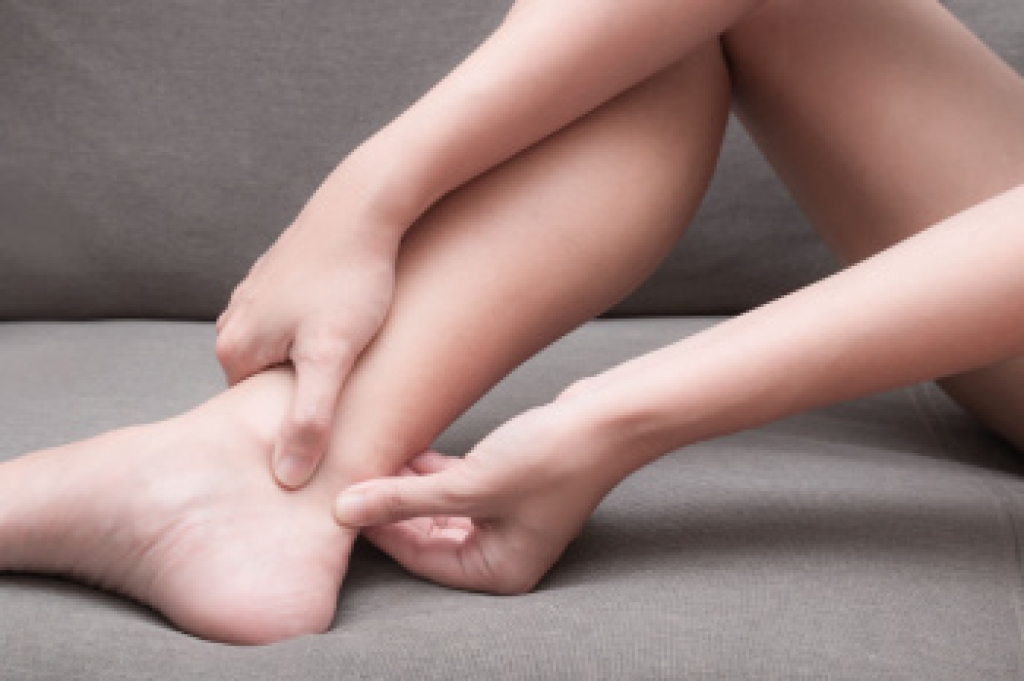
Tarsal tunnel syndrome occurs when the posterior tibial nerve becomes compressed as it travels through the inside of the ankle. This pressure can cause burning, tingling, or numbness that may extend into the arch or toes. The condition often develops from flat feet, injury, swelling, or medical issues such as diabetes or arthritis. Without proper care, symptoms can worsen and affect mobility. Treatment focuses on easing pressure on the nerve and reducing inflammation. Wearing supportive shoes, custom orthotics, and rest can help relieve irritation. In some cases, a podiatrist may recommend targeted exercises, corticosteroid injections, or other advanced treatments to restore comfort and function. If you notice persistent tingling, pain, or weakness in your foot or ankle, it is suggested that you schedule an appointment with a podiatrist for a complete evaluation and appropriate treatment plan.
Tarsal tunnel syndrome can be very uncomfortable to live with. If you are experiencing tarsal tunnel syndrome, contact Rahil Baxamusa, DPM of Illinois. Our doctor can provide the care you need to keep you pain-free and on your feet.
Tarsal Tunnel Syndrome
Tarsal tunnel syndrome, which can also be called tibial nerve dysfunction, is an uncommon condition of misfiring peripheral nerves in the foot. The tibial nerve is the peripheral nerve in the leg responsible for sensation and movement of the foot and calf muscles. In tarsal tunnel syndrome, the tibial nerve is damaged, causing problems with movement and feeling in the foot of the affected leg.
Common Cause of Tarsal Tunnel Syndrome
The Effects of Tarsal Tunnel Syndrome
A physical exam of the leg can help identify the presence of tarsal tunnel syndrome. Medical tests, such as a nerve biopsy, are also used to diagnose the condition. Patients may receive physical therapy and prescriptive medication. In extreme cases, some may require surgery.
If you have any questions please contact our office located in Crystal Lake, IL . We offer the newest diagnostic and treatment technologies for all your foot and ankle needs.

Peripheral artery disease occurs when arteries that supply blood to the legs and feet become narrowed or blocked. This reduces oxygen flow and can cause leg pain, cramping, or fatigue when walking. Some people notice their feet feeling colder than usual or observe slow-healing sores on their legs or toes. Over time, poor circulation can increase the risk of infection and other serious complications. The condition often develops gradually, making early signs easy to overlook. However, paying attention to changes in your legs and feet can make a meaningful difference. A podiatrist can evaluate your circulation, perform noninvasive testing, and recommend treatments that restore blood flow and help prevent further damage. If your legs and feet ache or your feet appear discolored or cool to the touch, it is suggested that you schedule an appointment with a podiatrist who can offer effective relief and management tips.
Peripheral artery disease can pose a serious risk to your health. It can increase the risk of stroke and heart attack. If you have symptoms of peripheral artery disease, consult with Rahil Baxamusa, DPM from Illinois. Our doctor will assess your condition and provide you with quality foot and ankle treatment.
Peripheral artery disease (PAD) is when arteries are constricted due to plaque (fatty deposits) build-up. This results in less blood flow to the legs and other extremities. The main cause of PAD is atherosclerosis, in which plaque builds up in the arteries.
Symptoms
Symptoms of PAD include:
It is important to note that a majority of individuals never show any symptoms of PAD.
Diagnosis
While PAD occurs in the legs and arteries, Podiatrists can diagnose PAD. Podiatrists utilize a test called an ankle-brachial index (ABI). An ABI test compares blood pressure in your arm to you ankle to see if any abnormality occurs. Ultrasound and imaging devices may also be used.
Treatment
Fortunately, lifestyle changes such as maintaining a healthy diet, exercising, managing cholesterol and blood sugar levels, and quitting smoking, can all treat PAD. Medications that prevent clots from occurring can be prescribed. Finally, in some cases, surgery may be recommended.
If you have any questions, please feel free to contact our office located in Crystal Lake, IL . We offer the newest diagnostic and treatment technologies for all your foot care needs.
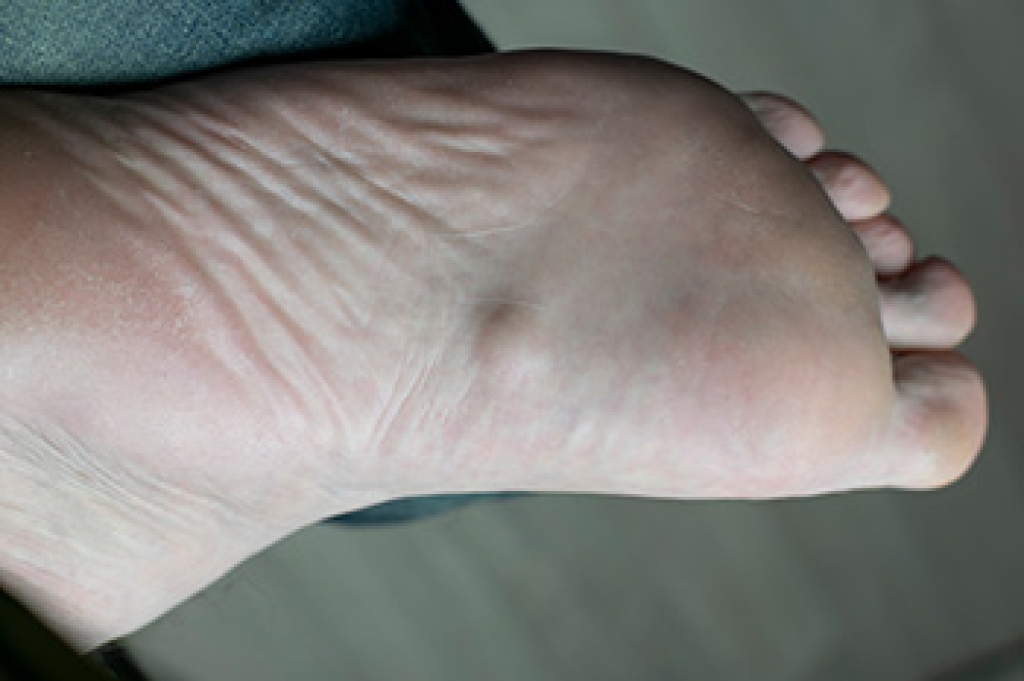
A plantar fibroma is a benign growth that develops in the plantar fascia, the thick band of tissue along the bottom of the foot. It appears as a firm lump that can cause pain or discomfort when walking or standing. The exact cause is unclear, but may involve genetic factors, foot trauma, or repetitive strain. Symptoms include tenderness, pressure pain, and stiffness in the arch. Relief may come from wearing supportive shoes, using orthotics, or applying gentle stretching and massage. A podiatrist can diagnose the condition, provide non-surgical treatments, and recommend advanced options, if needed. If you have developed a growth on the bottom of your foot, it is suggested that you consult a podiatrist who can offer effective relief and treatment solutions.
A plantar fibroma may disrupt your daily activities. If you have any concerns, contact Rahil Baxamusa, DPM of Illinois. Our doctor can provide the care you need to keep you pain-free and on your feet.
Plantar Fibroma
A plantar fibroma is a fibrous knot in the arch of the foot. It is embedded in the plantar fascia which is a band of tissue that extends from the heel to the toes along the bottom of the foot. There can be multiple plantar fibromas in the feet at the same time. There are no known causes for this condition. If you have a plantar fibroma, there will be a bump in the arch of your foot that cannot be missed. Any associated pain is most often due to a shoe rubbing against the nodule. Non-surgical options, such as steroid injections, physical therapy, and orthotics should be tried first. Surgery is a last resort and is the only thing that will remove a plantar fibroma entirely. Consult with a podiatrist for a proper diagnosis and to determine the treatment regimen that is right for you.
What Causes a Plantar Fibroma?
While there are no specific causes identified, a plantar fibroma can possibly come from genetic predisposition or the formation of scar tissue that forms from healing the tears in the plantar fascia.
What Are the Symptoms of a Plantar Fibroma?
There will be a noticeable lump in the arch of the foot that may or may not cause pain. If pain is felt, it is typically because a shoe is rubbing up against the lump or when walking or standing barefoot.
Treatment and Prevention
A plantar fibroma will not disappear without treatment, but it can get smaller and be a non-issue. If pain persists, a podiatrist examines the foot and when the arch of the foot is pressed, pain can be felt down to the toes. An MRI or biopsy might be performed to help diagnose or evaluate the plantar fibroma. The following non-surgical options are generally enough to reduce the size and pain of these nodules:
Surgery is considered if the mass increases in size and the patient continues to feel pain after non-surgical methods are tried.
If you have any questions, please feel free to contact our office located in Crystal Lake, IL . We offer the newest diagnostic and treatment technologies for all your foot care needs.
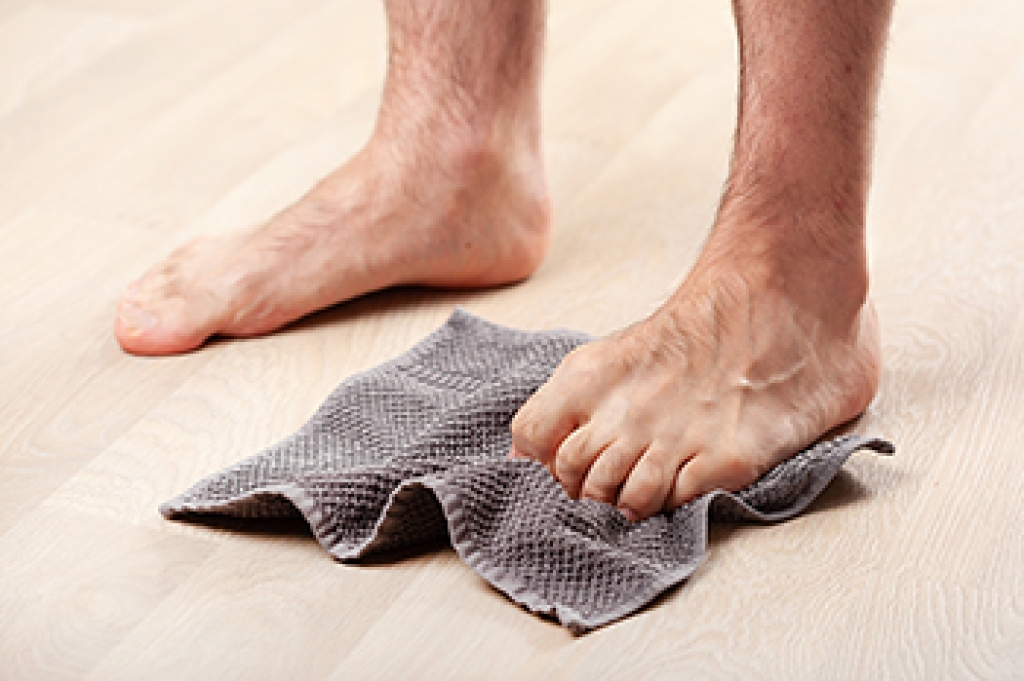
Plantar fasciitis is inflammation of the thick band of tissue that supports the arch of the foot, often causing heel pain. Gentle stretching and strengthening exercises can reduce discomfort and promote healing. A calf stretch is done by standing facing a wall, placing one foot behind the other, and leaning forward to stretch the back calf. A calf stretch on a step involves lowering your heels off the edge of a step to lengthen the calf muscles. Additionally, the towel scrunch strengthens the arch by pulling a towel toward you with your toes, and marble pick-ups train foot control by lifting marbles with your toes. Plantar fasciitis can be painful, and may cause difficulty in completing daily tasks. If you have heel pain,, it is suggested that you consult a podiatrist who can diagnose the problem and offer you relief and treatment solutions, which may include targeted exercises.
Exercising your feet regularly with the proper foot wear is a great way to prevent injuries and build strength. If you have any concerns about your feet, contact Rahil Baxamusa, DPM from Illinois. Our doctor can provide the care you need to keep you pain-free and on your feet.
Exercise for Your Feet
Exercise for your feet can help you gain strength, mobility and flexibility in your feet. They say that strengthening your feet can be just as rewarding as strengthening another part of the body. Your feet are very important, and we often forget about them in our daily tasks. But it is because of our feet that are we able to get going and do what we need to. For those of us fortunate enough to not have any foot problems, it is an important gesture to take care of them to ensure good health in the long run.
Some foot health exercises can include ankle pumps, tip-toeing, toe rises, lifting off the floor doing reps and sets, and flexing the toes. It is best to speak with Our doctor to determine an appropriate regimen for your needs. Everyone’s needs and bodies are different, and the activities required to maintain strength in the feet vary from individual to individual.
Once you get into a routine of doing regular exercise, you may notice a difference in your feet and how strong they may become.
If you have any questions, please feel free to contact our office located in Crystal Lake, IL . We offer the newest diagnostic and treatment technologies for all your foot care needs.
Connect With Us
