Healing Diabetic Foot Ulcers

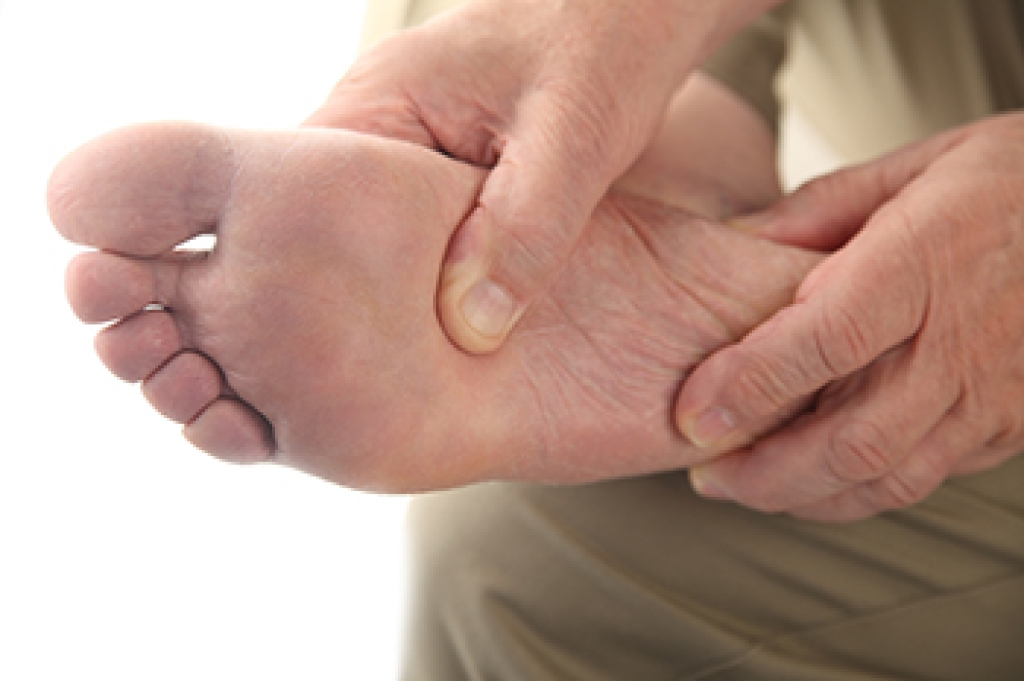
Diabetic foot ulcers are difficult wounds to heal. The size of the ulcer, gender, and potential infection have been linked to healing time.  Larger ulcers and infections tend to lead to longer wound closure times, and men tend to have slower healing time for wounds. One way to have a positive effect on wound healing is by making sure glucose levels are within normal range. It is particularly important for diabetics to examine their feet daily to check for cuts and scrapes that can lead to ulcers. If you have diabetes, it is suggested that you include a podiatrist on your health care team and get your feet checked regularly.

Diabetic foot care is important in preventing foot ailments such as ulcers. If you are suffering from diabetes or have any other concerns about your feet, contact Rahil Baxamusa, DPM from Illinois. Our doctor can provide the care you need to keep you pain-free and on your feet.

Diabetic Foot Care

Diabetes affects millions of people every year. The condition can damage blood vessels in many parts of the body, especially the feet. Because of this, taking care of your feet is essential if you have diabetes, and having a podiatrist help monitor your foot health is highly recommended.

The Importance of Caring for Your Feet

  • Routinely inspect your feet for bruises or sores.
  • Wear socks that fit your feet comfortably.
  • Wear comfortable shoes that provide adequate support.

Patients with diabetes should have their doctor monitor their blood levels, as blood sugar levels play such a huge role in diabetic care. Monitoring these levels on a regular basis is highly advised.

It is always best to inform your healthcare professional of any concerns you may have regarding your feet, especially for diabetic patients. Early treatment and routine foot examinations are keys to maintaining proper health, especially because severe complications can arise if proper treatment is not applied.

If you have any questions, please feel free to contact our office located in Crystal Lake, IL . We offer the newest diagnostic and treatment technologies for all your foot care needs.

Read more about Diabetic Foot Conditions

Buerger Disease

Buerger disease is a condition where the small and medium blood vessels in the arms and legs become inflamed and blocked, resulting in vasculitis. The blood flow is reduced to the affected areas of the body and tissue damage can ensue. Symptoms of this disease include coldness and numbness, in addition to tingling or burning. Changes to the texture and color of the skin may be noticed, along with painful muscle cramps, and skin ulcers. Research has indicated that Buerger disease may be common among tobacco users. Some people might have a genetic predisposition to this ailment, or it can be an autoimmune disease. If you have symptoms of this disease or are experiencing unusual sensations in your lower limbs, it is suggested that you consult a podiatrist for a proper diagnosis and treatment.

Some foot conditions may require additional professional care. If you have any concerns, contact Rahil Baxamusa, DPM of Illinois. Our doctor can provide the care you need to keep you pain-free and on your feet.

Rare Foot Conditions

The majority of foot conditions are common and can be treated by a podiatrist.  Standard diagnostic procedures are generally used to identify specific conditions and treatment can be rendered. A podiatrist also treats rare foot conditions which can be difficult to diagnose and may need extra attention and care. 

There are many rare foot conditions that can affect children. Some of these can include:

  • Freiberg’s disease
  • Kohler’s disease
  • Maffucci syndrome

Freiberg’s disease - This can be seen as a deterioration and flattening of a metatarsal bone that exists in the ball of the foot. It typically affects pre-teen and teenage girls, but can affect anyone at any age. Symptoms that can accompany this can be swelling, stiffness, and the patient may limp. 

Kohler’s disease - This often targets the bone in the arch of the foot and affects younger boys. It can lead to an interruption of the blood supply which ultimately can lead to bone deterioration. The patient may limp or experience tenderness, swelling, and redness.

Maffucci syndrome - This affects the long bones in a child’s foot leading to the development of abnormal bone lesions. They are benign growths and typically develop in early childhood and the bones may be susceptible to breaking. 

A podiatrist can properly diagnose and treat all types of rare foot conditions. If your child is affected by any of these symptoms or conditions, please don’t hesitate to call our office so the correct treatment method can begin.

If you have any questions, please feel free to contact our office located in Crystal Lake, IL . We offer the newest diagnostic and treatment technologies for all your foot care needs.

Read more about Rare Foot Conditions

Dehydration and Swollen Feet

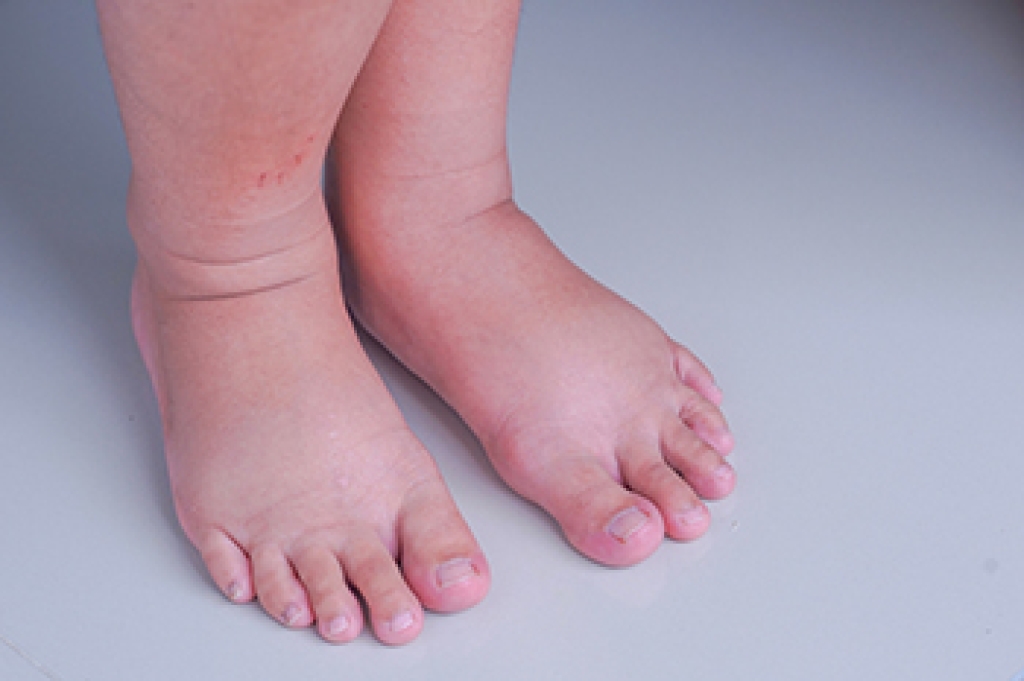
Dehydration can cause swollen feet. It can cause constriction of blood vessels, which forces fluid into spaces between cells leading to retention, especially in lower limbs. The kidneys begin to react by retaining sodium and water and fluid builds up in surrounding tissues, leading to swelling. When one is dehydrated, it can cause water weight by retaining fluids. All of this can lead to puffiness, bloating, and discomfort. Drinking more water can help. Experts suggest consuming eight to 10 glasses of water per day. Doing this may seem counter-intuitive but when the body is not hydrated enough, it holds onto the fluid it has. If your legs swell for no apparent reason, and you have leg pain, difficulty breathing, and other emergent symptoms, contact a medical professional immediately. However, if you are experiencing foot pain, chances are that you are not drinking enough water. If your feet are swollen and uncomfortable and you want to learn more about how to prevent this from happening, seek the counsel of a podiatrist, who can evaluate your situation and provide recommendations.

Swollen feet can be a sign of an underlying condition. If you have any concerns, contact Rahil Baxamusa, DPM of Illinois. Our doctor can provide the care you need to keep you pain-free and on your feet.

Swollen feet are a common ailment among pregnant women and people who stand or sit for extended periods. Aging may increase the possibility of swollen feet and patients who are obese often notice when their feet are swelling too. There may be medical reasons why swollen feet occur:

  • Phlebitis - A condition that causes the veins to become inflamed and can also cause leg pain.
  • Liver disease - This may lead to low blood levels of albumin which is a protein. This can cause fluid in the blood to pass into the tissues and several areas of the body can become swollen.
  • Heart failure - When the heart doesn’t pump properly the blood that is normally pumped back to the heart can pool in the veins of the legs causing swollen feet.
  • Kidney disease - One of the main functions of the kidneys is releasing excess fluid in the body. This type of condition can make it difficult for the kidneys to function properly, and as a result the feet may become swollen.
  • Deep-vein thrombosis (DVT)- This is a serious condition where blood clots form in the veins of the legs. They can block the return of blood from the legs to the heart which may cause the feet to swell. It is important to be treated by a podiatrist if this condition is present.

Swollen feet can also be caused by bone and tendon conditions, including fractures, arthritis, and tendinitis. Additionally, there may be skin and toenail conditions and an infection may cause the feet to swell. Patients who take medicine to treat high blood pressure may be prone to getting swollen feet. 

Many patients elevate their feet to help relieve the swelling and this is generally a temporary remedy. When a podiatrist is consulted the reason behind the swelling can be uncovered and subsequently treated.

If you have any questions please contact our office located in Crystal Lake, IL . We offer the newest diagnostic and treatment technologies for all your foot and ankle needs.

Read more about Swelling of the Feet

Take Action to Prevent Falls in Seniors

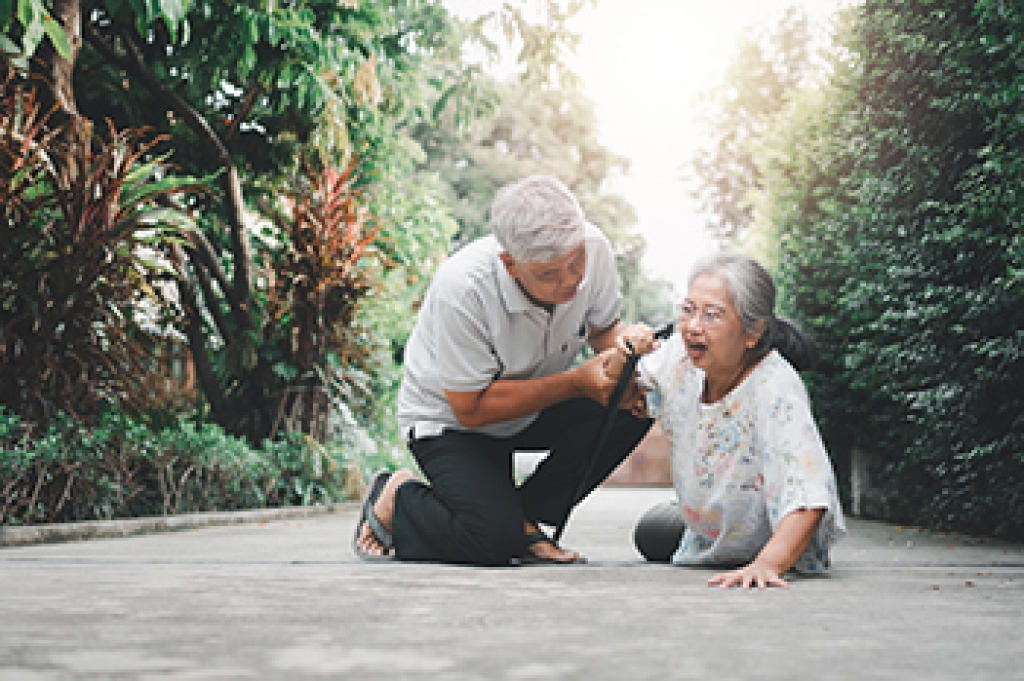
As we age, the idea of independent living becomes a reality that must be faced. One of the chief factors in remaining independent as a senior is preventing falls. Risks of falls are directly related to muscle strength, fatigue, loss of balance, and numbness in the feet. Balance problems include dizziness when standing up suddenly, vertigo when the head turns, and feeling unsteady when walking. Actions that can be taken by seniors to help prevent falls include, using a walking aid if you are unsure about your balance. This action can give you the confidence to be more active, as becoming sedentary contributes to the loss of muscle strength. Checking prescriptions of any medication you take for side effects, such as dizziness, is a good idea. Experts also recommend having your eyesight checked to see if you may need new glasses. Balance exercises and light exercise are suggested, as long as you stop to rest when you get tired. Supportive and properly fitting footwear with ample cushioning and non-skid soles are also a good idea. For more ways to prevent falling, please consult a podiatrist.

Preventing falls among the elderly is very important. If you are older and have fallen or fear that you are prone to falling, consult with Rahil Baxamusa, DPM from Illinois. Our doctor will assess your condition and provide you with quality advice and care.

Every 11 seconds, an elderly American is being treated in an emergency room for a fall related injury. Falls are the leading cause of head and hip injuries for those 65 and older. Due to decreases in strength, balance, senses, and lack of awareness, elderly persons are very susceptible to falling. Thankfully, there are a number of things older persons can do to prevent falls.

How to Prevent Falls

Some effective methods that older persons can do to prevent falls include:

  • Enrolling in strength and balance exercise program to increase balance and strength
  • Periodically having your sight and hearing checked
  • Discuss any medications you have with a doctor to see if it increases the risk of falling
  • Clearing the house of falling hazards and installing devices like grab bars and railings
  • Utilizing a walker or cane
  • Wearing shoes that provide good support and cushioning
  • Talking to family members about falling and increasing awareness

Falling can be a traumatic and embarrassing experience for elderly persons; this can make them less willing to leave the house, and less willing to talk to someone about their fears of falling. Doing such things, however, will increase the likelihood of tripping or losing one’s balance. Knowing the causes of falling and how to prevent them is the best way to mitigate the risk of serious injury.  

If you have any questions, please feel free to contact our office located in Crystal Lake, IL . We offer the newest diagnostic and treatment technologies for all your foot care needs.
Read more about Falls Prevention

Connect With Us