Heel Pain in Children May Indicate Sever’s Disease

Heel pain can be common in children and young teenagers who frequently participate in running and jumping activities. It may indicate Sever’s disease, which is an inflammation of the growth plate in the heel. Sever's disease occurs due to overuse and increased body weight, and it generally happens in the early teenage years during a growth spurt. Parents may notice their child is limping or walking on their tiptoes, and the pain may be worse in the morning. A diagnosis consists of having a physical examination performed, and treatment can begin by learning how to manage the symptoms. It is beneficial to stop the activity that caused the condition. Some relief may be found when the foot is frequently elevated. There are specific stretches that can be performed to strengthen the affected foot. If your active child has heel pain, it is strongly suggested that a podiatrist is contacted who can diagnose and treat Sever’s disease. 

Sever's disease often occurs in children and teens. If your child is experiencing foot or ankle pain, see Rahil Baxamusa, DPM from Illinois. Our doctor can treat your child’s foot and ankle needs.

Sever’s Disease

Sever’s disease is also known as calcaneal apophysitis, which is a medical condition that causes heel pain I none or both feet. The disease is known to affect children between the ages of 8 and 14.

Sever’s disease occurs when part of the child’s heel known as the growth plate (calcaneal epiphysis) is attached to the Achilles tendon. This area can suffer injury when the muscles and tendons of the growing foot do not keep pace with bone growth. Therefore, the constant pain which one experiences at the back of the heel will make the child unable to put any weight on the heel. The child is then forced to walk on their toes.

Symptoms

Acute pain – Pain associated with Sever’s disease is usually felt in the heel when the child engages in physical activity such as walking, jumping and or running.

Highly active – Children who are very active are among the most susceptible in experiencing Sever’s disease, because of the stress and tension placed on their feet.

If you have any questions, please feel free to contact our office located in Crystal Lake, IL . We offer the newest diagnostic and treatment technologies for all your foot care needs.

Read more about Sever's Disease

Bunion Surgery and the Elderly

Bunions are uncomfortable bony bumps that can develop on the side of the feet. Typically, bunions form on the outside of the foot near the big toe. However, smaller bunions may also develop on the outside of the foot near the pinky toe. When an individual ages, they may become increasingly susceptible to foot conditions, such as bunions. Many senior adults who have bunions often wonder whether  bunion surgery is a suitable option for them. The answer is slightly complicated and dependent on each individual patient. It is important to note that an older individual can undergo a surgery to address their bunions. However, it is equally important to note that several age-related conditions may make bunion surgery less feasible. For example, diabetes, obesity, and weak bone health may increase the risks associated with surgery for bunions. If you are a senior living with bunions and would like to inquire about possible surgical procedures, it is recommended that you consult a podiatrist today.

If you are suffering from bunions, contact Rahil Baxamusa, DPM of Illinois. Our doctor can provide the care you need to keep you pain-free and on your feet.

What Is a Bunion?

A bunion is formed of swollen tissue or an enlargement of boney growth, usually located at the base joint of the toe that connects to the foot. The swelling occurs due to the bones in the big toe shifting inward, which impacts the other toes of the foot. This causes the area around the base of the big toe to become inflamed and painful.

Why Do Bunions Form?

Genetics – Susceptibility to bunions are often hereditary

Stress on the feet – Poorly fitted and uncomfortable footwear that places stress on feet, such as heels, can worsen existing bunions

How Are Bunions Diagnosed?

Doctors often perform two tests – blood tests and x-rays – when trying to diagnose bunions, especially in the early stages of development. Blood tests help determine if the foot pain is being caused by something else, such as arthritis, while x-rays provide a clear picture of your bone structure to your doctor.

How Are Bunions Treated?

  • Refrain from wearing heels or similar shoes that cause discomfort
  • Select wider shoes that can provide more comfort and reduce pain
  • Anti-inflammatory and pain management drugs
  • Orthotics or foot inserts
  • Surgery

If you have any questions, please feel free to contact our office located in Crystal Lake, IL . We offer the newest diagnostic and treatment technologies for all your foot care needs.

Read more about What Are Bunions?

Athlete’s Foot and the Hands

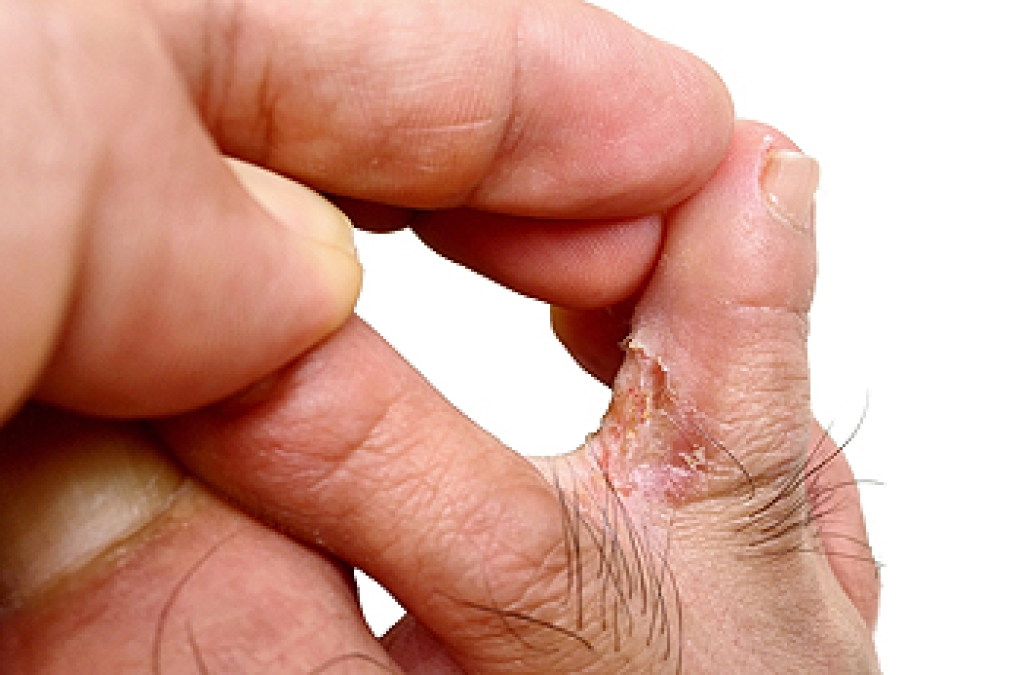
Athlete’s foot is a relatively well-known fungal infection that commonly affects the feet. This highly contagious foot condition, called tinea pedis, can be spread by walking around barefoot in warm, moist environments where the fungal infection thrives. Many patients wonder whether the feet are the only areas of the body that can be impacted by this foot condition. The answer is that the fungal infection might also spread to the hands in certain special cases. When this occurs, this is known as tinea manuum. When this occurs in a patient, they might notice similarities between the symptoms experienced in the hands and the feet. This is one reason why it might be prudent to wash the hands immediately after touching feet infected by athlete’s foot. If you are someone that is currently living with athlete’s foot, it is highly suggested that you contact a podiatrist before it spreads to other parts of the body.

Athlete’s foot is an inconvenient condition that can be easily reduced with the proper treatment. If you have any concerns about your feet and ankles, contact Rahil Baxamusa, DPM from Illinois.  Our doctor will treat your foot and ankle needs.

Athlete’s Foot: The Sole Story

Athlete's foot, also known as tinea pedis, can be an extremely contagious foot infection. It is commonly contracted in public changing areas and bathrooms, dormitory style living quarters, around locker rooms and public swimming pools, or anywhere your feet often come into contact with other people.

Solutions to Combat Athlete’s Foot

  • Hydrate your feet by using lotion
  • Exfoliate
  • Buff off nails
  • Use of anti-fungal products
  • Examine your feet and visit your doctor if any suspicious blisters or cuts develop

Athlete’s foot can cause many irritating symptoms such as dry and flaking skin, itching, and redness. Some more severe symptoms can include bleeding and cracked skin, intense itching and burning, and even pain when walking. In the worst cases, Athlete’s foot can cause blistering as well. Speak to your podiatrist for a better understanding of the different causes of Athlete’s foot, as well as help in determining which treatment options are best for you.

If you have any questions please feel free to contact our office located in Crystal Lake, IL . We offer the newest diagnostic and treatment technologies for all your foot and ankle needs.

Read more about How to Deal with Athlete's Foot

We Can Treat Your Foot or Ankle Pain

Foot or ankle pain can negatively affect your day-to-day life and can occur due to several different conditions. Pain can also be an indicator of a more serious underlying condition, which is why you should seek professional help as soon as you notice any abnormalities in your feet.

Who Gets Gout?

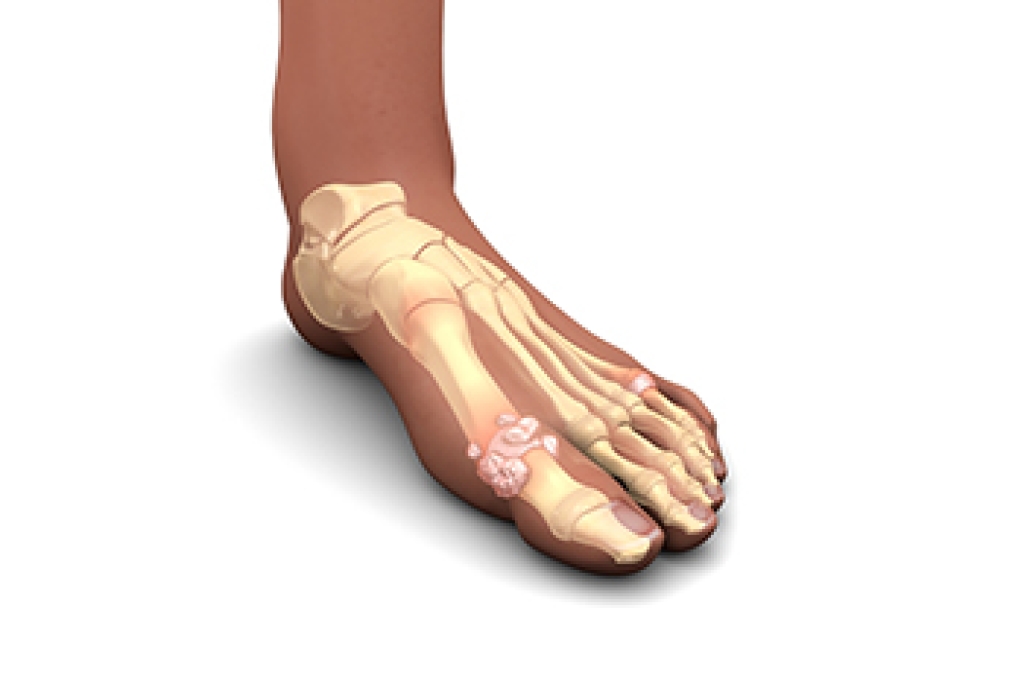
The pain from the arthritic condition, known as gout, is generally found in the joints of the big toe. It happens due to excess uric acid in the bloodstream that converts into crystals. People who eat large amounts of specific foods such as shellfish and red meat or that drink excessive amounts of alcohol may be prone to developing gout. Additionally, people with high blood pressure, diabetes, or heart disease may develop gout, and immediate care is often needed. It may also occur for genetic reasons, and common symptoms of this condition can include extreme pain. Patients may notice the affected joints are tender and warm when touched. Prevention methods can include drinking plenty of water daily and consuming nutrient-rich foods. If you have developed gout, it is strongly suggested that you are under the care of a podiatrist who can effectively diagnose and treat this condition. 

Gout is a painful condition that can be treated. If you are seeking treatment, contact Rahil Baxamusa, DPM from Illinois. Our doctor will treat your foot and ankle needs.

What Is Gout?

Gout is a form of arthritis that is characterized by sudden, severe attacks of pain, redness, and tenderness in the joints. The condition usually affects the joint at the base of the big toe. A gout attack can occur at any random time, such as the middle of the night while you are asleep.

Symptoms

  • Intense Joint Pain - Usually around the large joint of your big toe, and it most severe within the first four to twelve hours
  • Lingering Discomfort - Joint discomfort may last from a few days to a few weeks
  • Inflammation and Redness -Affected joints may become swollen, tender, warm and red
  • Limited Range of Motion - May experience a decrease in joint mobility

Risk Factors

  • Genetics - If family members have gout, you’re more likely to have it
  • Medications - Diuretic medications can raise uric acid levels
  • Gender/Age - Gout is more common in men until the age of 60. It is believed that estrogen protects women until that point
  • Diet - Eating red meat and shellfish increases your risk
  • Alcohol - Having more than two alcoholic drinks per day increases your risk
  • Obesity - Obese people are at a higher risk for gout

Prior to visiting your podiatrist to receive treatment for gout, there are a few things you should do beforehand. If you have gout you should write down your symptoms--including when they started and how often you experience them, important medical information you may have, and any questions you may have. Writing down these three things will help your podiatrist in assessing your specific situation so that he or she may provide the best route of treatment for you.

If you have any questions, please feel free to contact our office located in Crystal Lake, IL . We offer the newest diagnostic and treatment technologies for all your foot care needs.
Read more about Gout

Connect With Us