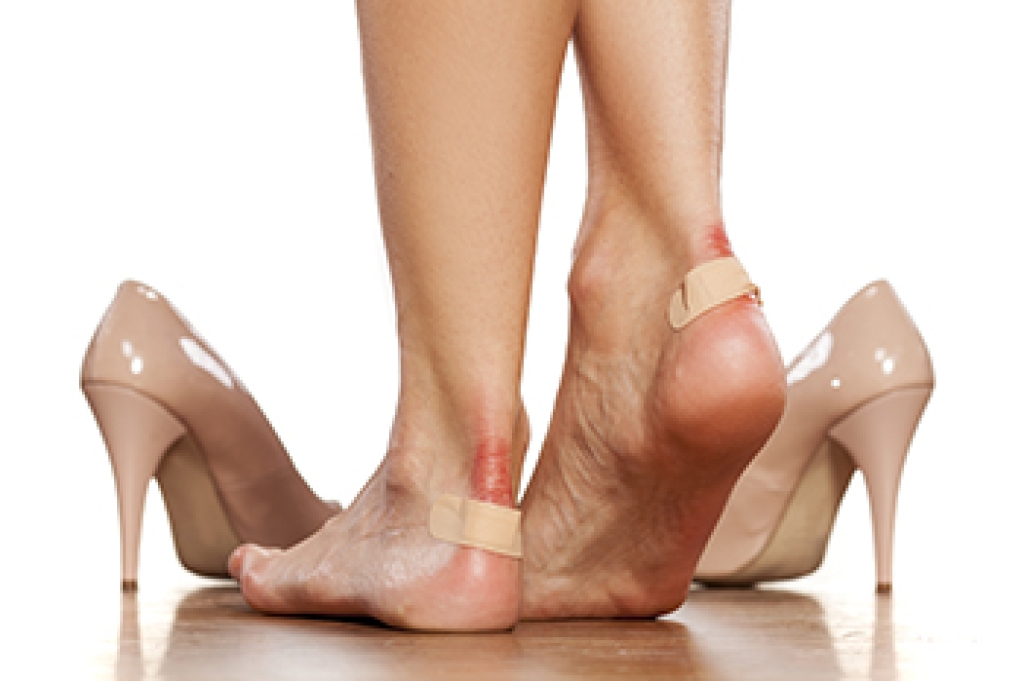
When Foot Blisters Get In the Way

Foot blisters are small pockets of fluid that form from repeated friction, often caused by wearing tight shoes, sweaty feet, or long periods of walking. They usually appear on the toes, heels, or soles and can be painful or tender. While it may be tempting to pop a blister, doing so increases the risk of infection. Instead, keep it clean, dry, and protected with a bandage or blister pad. Letting the blister heal naturally is best when possible. If it breaks, clean it gently and cover it with a clean dressing. Wearing moisture-wicking socks and properly fitted shoes can help prevent future blisters. For athletes or those with diabetes, blisters should be watched closely. If a blister becomes red, warm or filled with pus, it is suggested you see a podiatrist for appropriate treatment.

Blisters may appear as a single bubble or in a cluster. They can cause a lot of pain and may be filled with pus, blood, or watery serum. If your feet are hurting, contact Rahil Baxamusa, DPM of Illinois. Our doctor can provide the care you need to keep you pain-free and on your feet.

Foot Blisters

Foot blisters are often the result of friction. This happens due to the constant rubbing from shoes, which can lead to pain.

What Are Foot Blisters?

A foot blister is a small fluid-filled pocket that forms on the upper-most layer of the skin. Blisters are filled with clear fluid and can lead to blood drainage or pus if the area becomes infected.

Symptoms

(Blister symptoms may vary depending on what is causing them)

  • Bubble of skin filled with fluid
  • Redness
  • Moderate to severe pain
  • Itching

Prevention & Treatment

In order to prevent blisters, you should be sure to wear comfortable shoes with socks that cushion your feet and absorb sweat. Breaking a blister open may increase your chances of developing an infection. However, if your blister breaks, you should wash the area with soap and water immediately and then apply a bandage to the affected area. If your blisters cause severe pain it is important that you call your podiatrist right away.

If you have any questions, please feel free to contact our office located in Crystal Lake, IL . We offer the newest diagnostic and treatment technologies for all your foot care needs.
Read more about Blisters

Sever's Disease and Its Rarity in Adults

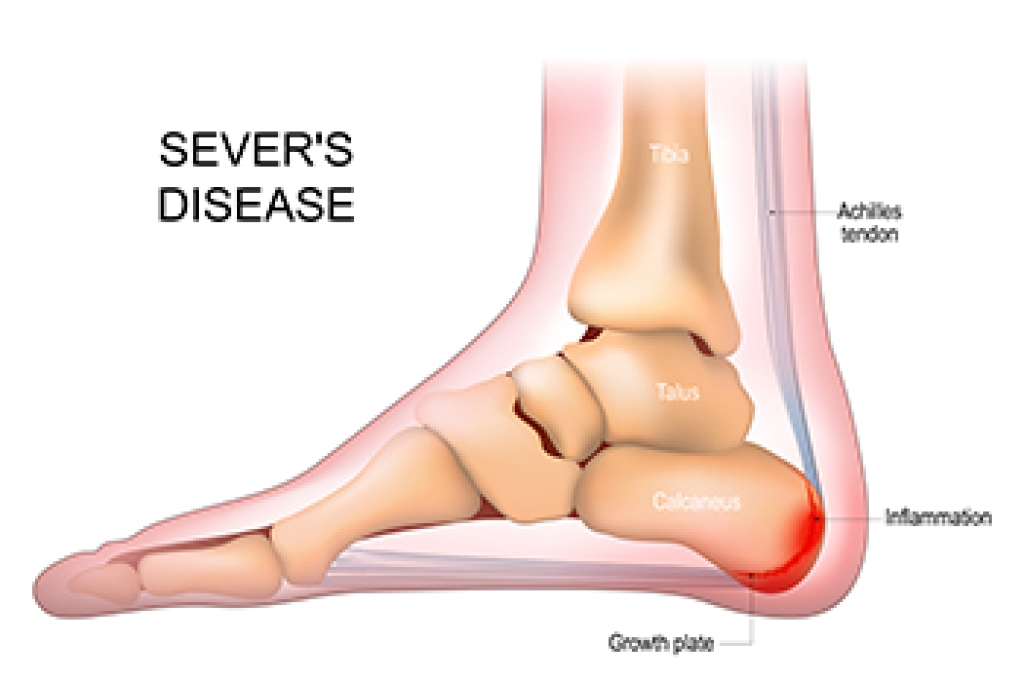
Sever's disease, also known as calcaneal apophysitis, is an inflammatory condition that affects the growth plate in the heel bone. It is typically seen in children and adolescents who are experiencing growth spurts and engaging in repetitive physical activity. The causes in young patients include overuse, excessive running or jumping, and wearing poor footwear. In adults, Symptoms often involve heel pain, tenderness, and stiffness, especially after activity. Sever's disease is extremely rare because the growth plates close after puberty. When heel pain occurs in adults, it is usually caused by other conditions, such as plantar fasciitis or Achilles tendinitis, rather than true Sever's disease. It is suggested that adults with similar heel pain symptoms consult a podiatrist to determine the correct diagnosis and begin an appropriate treatment plan.

Sever's disease often occurs in children and teens. If your child is experiencing foot or ankle pain, see Rahil Baxamusa, DPM from Illinois. Our doctor can treat your child’s foot and ankle needs.

Sever’s Disease

Sever’s disease is also known as calcaneal apophysitis, which is a medical condition that causes heel pain I none or both feet. The disease is known to affect children between the ages of 8 and 14.

Sever’s disease occurs when part of the child’s heel known as the growth plate (calcaneal epiphysis) is attached to the Achilles tendon. This area can suffer injury when the muscles and tendons of the growing foot do not keep pace with bone growth. Therefore, the constant pain which one experiences at the back of the heel will make the child unable to put any weight on the heel. The child is then forced to walk on their toes.

Symptoms

Acute pain – Pain associated with Sever’s disease is usually felt in the heel when the child engages in physical activity such as walking, jumping and or running.

Highly active – Children who are very active are among the most susceptible in experiencing Sever’s disease, because of the stress and tension placed on their feet.

If you have any questions, please feel free to contact our office located in Crystal Lake, IL . We offer the newest diagnostic and treatment technologies for all your foot care needs.
Read more about Sever's Disease

Clubfoot Symptoms

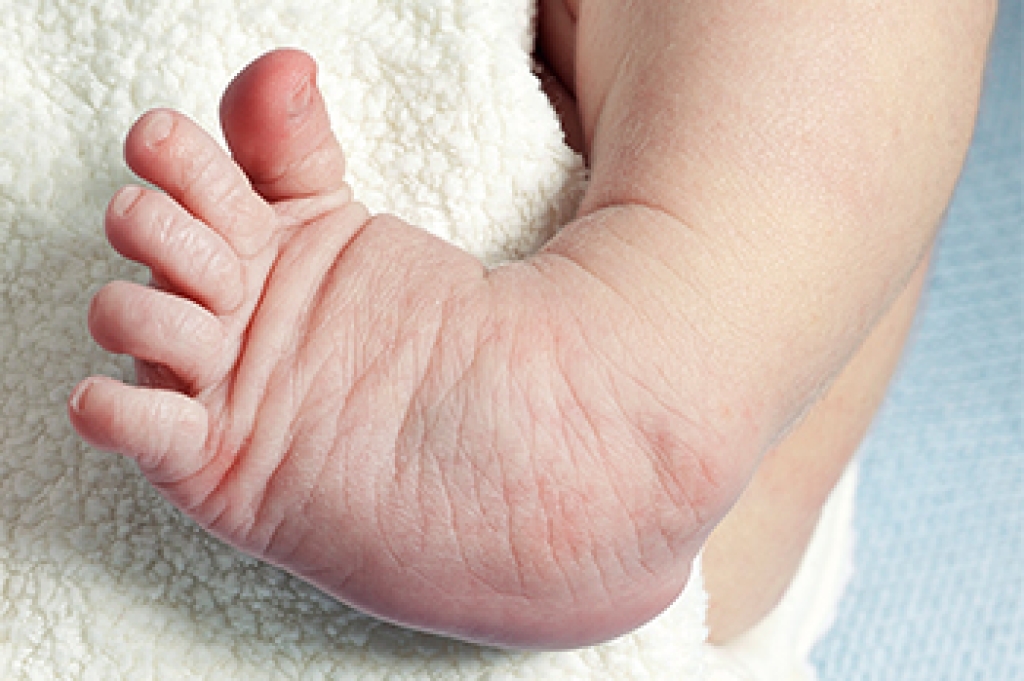
Clubfoot is a congenital condition where a baby’s foot or feet are twisted inward and downward, making them appear abnormal in shape and position. The exact cause of clubfoot is not fully understood, but it is believed to be a combination of genetic and environmental factors. It may occur when the tendons in the foot are too tight or shortened, causing the foot to rotate. In some cases, it can be associated with other conditions such as spina bifida or cerebral palsy. Symptoms of clubfoot include the foot appearing rotated, with the sole facing inward and the heel pointing downward. The affected foot may be smaller than normal, and the calf muscles may appear underdeveloped. If your child has been born with clubfoot, it is strongly suggested that you include a podiatrist on your healthcare team for effective treatment results.

Congenital foot problems require immediate attention to avoid future complications. If you have any concerns, contact Rahil Baxamusa, DPM of Illinois. Our doctor can provide the care you need to keep you pain-free and on your feet.

Congenital foot problems are deformities affecting the feet, toes, and/or ankles that children are born with. Some of these conditions have a genetic cause while others just happen. Some specific foot ailments that children may be born with include clubfeet, polydactyly/macrodactyly, and cleft foot. There are several other foot anomalies that can occur congenitally. What all of these conditions have in common is that a child may experience difficulty walking or performing everyday activities, as well as trouble finding footwear that fits their foot deformity. Some of these conditions are more serious than others. Consulting with a podiatrist as early as possible will help in properly diagnosing a child’s foot condition while getting the necessary treatment underway.

What are Causes of Congenital Foot Problem?

A congenital foot problem is one that happens to a child at birth. These conditions can be caused by a genetic predisposition, developmental or positional abnormalities during gestation, or with no known cause.

What are Symptoms of Congenital Foot Problems?

Symptoms vary by the congenital condition. Symptoms may consist of the following:

  • Clubfoot, where tendons are shortened, bones are shaped differently, and the Achilles tendon is tight, causing the foot to point in and down. It is also possible for the soles of the feet to face each other.
  • Polydactyly, which usually consists of a nubbin or small lump of tissue without a bone, a toe that is partially formed but has no joints, or an extra toe.
  • Vertical talus, where the talus bone forms in the wrong position causing other bones in the foot to line up improperly, the front of the foot to point up, and the bottom of the foot to stiffen, with no arch, and to curve out.
  • Tarsal coalition, when there is an abnormal connection of two or more bones in the foot leading to severe, rigid flatfoot.
  • Cleft foot, where there are missing toes, a V-shaped cleft, and other anatomical differences.
  • Macrodactyly, when the toes are abnormally large due to overgrowth of the underlying bone or soft tissue.

Treatment and Prevention

While there is nothing one can do to prevent congenital foot problems, raising awareness and receiving neonatal screenings are important. Early detection by taking your child to a podiatrist leads to the best outcome possible.

If you have any questions, please feel free to contact our office located in Crystal Lake, IL . We offer the newest diagnostic and treatment technologies for all your foot care needs.

Read more about Congenital Foot Problems

Symptoms and Causes of Poor Foot Circulation

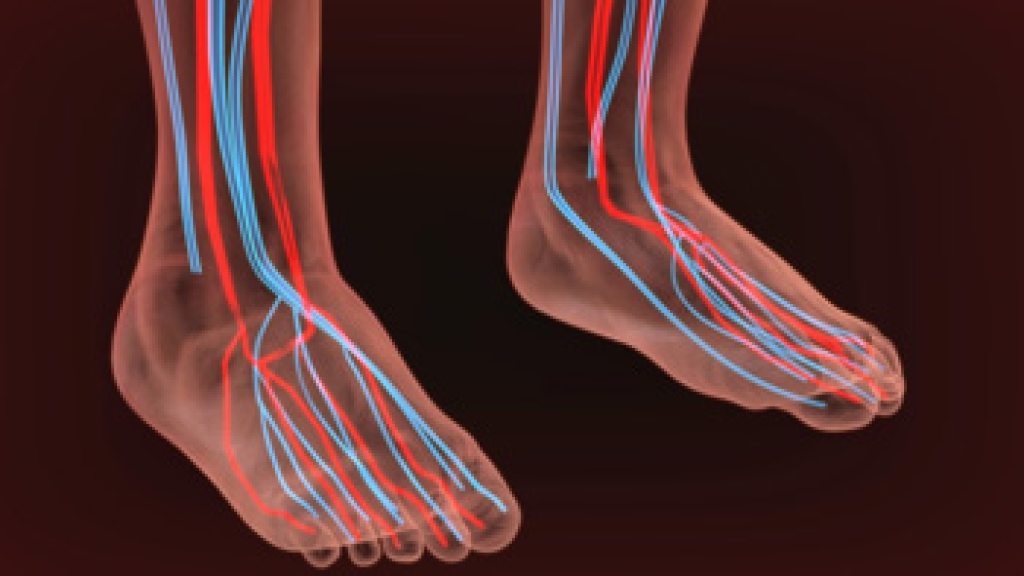
Poor circulation in the feet can lead to several uncomfortable symptoms that may interfere with daily life. Numbness and tingling are often the first signs, creating a pins and needles sensation that can spread across the feet or toes. Swelling may also occur as blood flow becomes sluggish, causing fluid to build up in the tissues. Feet may feel unusually cold, and skin color can appear pale or bluish. Common causes of poor circulation include diabetes, peripheral artery disease, smoking, and prolonged inactivity. Wearing tight shoes or sitting for long periods may also restrict blood flow. Identifying and addressing the underlying cause is important, as poor circulation can lead to serious complications. If you have any of the above symptoms, it is suggested that you consult a podiatrist who can offer you effective relief and management tips.

While poor circulation itself isn’t a condition; it is a symptom of another underlying health condition you may have. If you have any concerns with poor circulation in your feet contact Rahil Baxamusa, DPM of Illinois. Our doctor will treat your foot and ankle needs.

Poor Circulation in the Feet

Peripheral artery disease (PAD) can potentially lead to poor circulation in the lower extremities. PAD is a condition that causes the blood vessels and arteries to narrow. In a linked condition called atherosclerosis, the arteries stiffen up due to a buildup of plaque in the arteries and blood vessels. These two conditions can cause a decrease in the amount of blood that flows to your extremities, therefore resulting in pain.

Symptoms

Some of the most common symptoms of poor circulation are:

  • Numbness
  • Tingling
  • Throbbing or stinging pain in limbs
  • Pain
  • Muscle Cramps

Treatment for poor circulation often depends on the underlying condition that causes it. Methods for treatment may include insulin for diabetes, special exercise programs, surgery for varicose veins, or compression socks for swollen legs.

As always, see a podiatrist as he or she will assist in finding a regimen that suits you. A podiatrist can also prescribe you any needed medication. 

If you have any questions, please feel free to contact our office located in Crystal Lake, IL . We offer the newest diagnostic and treatment technologies for all your foot care needs.

Read more about Causes Symptoms and Treatment for Poor Circulation in the Feet

Do You Suffer From Painful Feet?

Painful deformities, such as hammertoes, can be treated. Stop living with foot pain, and have beautiful feet again!

Connect With Us