Toes and Balance

The toes are often overlooked in adulthood, but they play a vital role in our balance and mobility. Each toe, except the big toe, is comprised of three bones each and supports roughly 75% of our body weight during walking, balance, and movement. Proper toe function involves spreading them wide for stability and providing a boost as the foot lifts off the ground, aiding stride length and speed. Toes also serve as information conduits, relaying shifts in body weight to the brain for adjustments. When toes are injured or stiff, it can impact your gait and lead to imbalances in other muscles and joints, potentially causing issues like knee, hip, or lower back pain. Ill-fitting shoes and tight socks can lead to cramped toes, resulting in painful bunions and an increased risk of fungal infections. Treatment for toe pain varies, with anti-inflammatories or pain relief for conditions like gout or arthritis. Mechanical issues in the foot can also cause toe pain, affecting muscles, tendons, and ligaments. If you have toe pain, it is suggested that you make an appointment with a podiatrist to assess your feet and gait to identify the underlying cause and prevent it from affecting other body parts

Toe pain can disrupt your daily activities. If you have any concerns, contact Rahil Baxamusa, DPM of Illinois. Our doctor can provide the care you need to keep you pain-free and on your feet.

What Causes Toe Pain?

Most severe toe pain is caused due to a sports injury, trauma from dropping something heavy on the toe, or bumping into something rigid. Other problems can develop over time for various reasons.

Toe pain can be caused by one or more ailments. The most common include:

  • Trauma
  • Sports injury
  • Wearing shoes that are too tight
  • Arthritis
  • Gout
  • Corns and calluses
  • Hammertoe
  • Bunions
  • Blisters
  • Ingrown toenails
  • Sprains
  • Fractures (broken bones)
  • Dislocations

When to See a Podiatrist

  • Severe pain
  • Persistent pain that lasts more than a week
  • Signs of infection
  • Continued swelling
  • Pain that prevents walking

Diagnosis

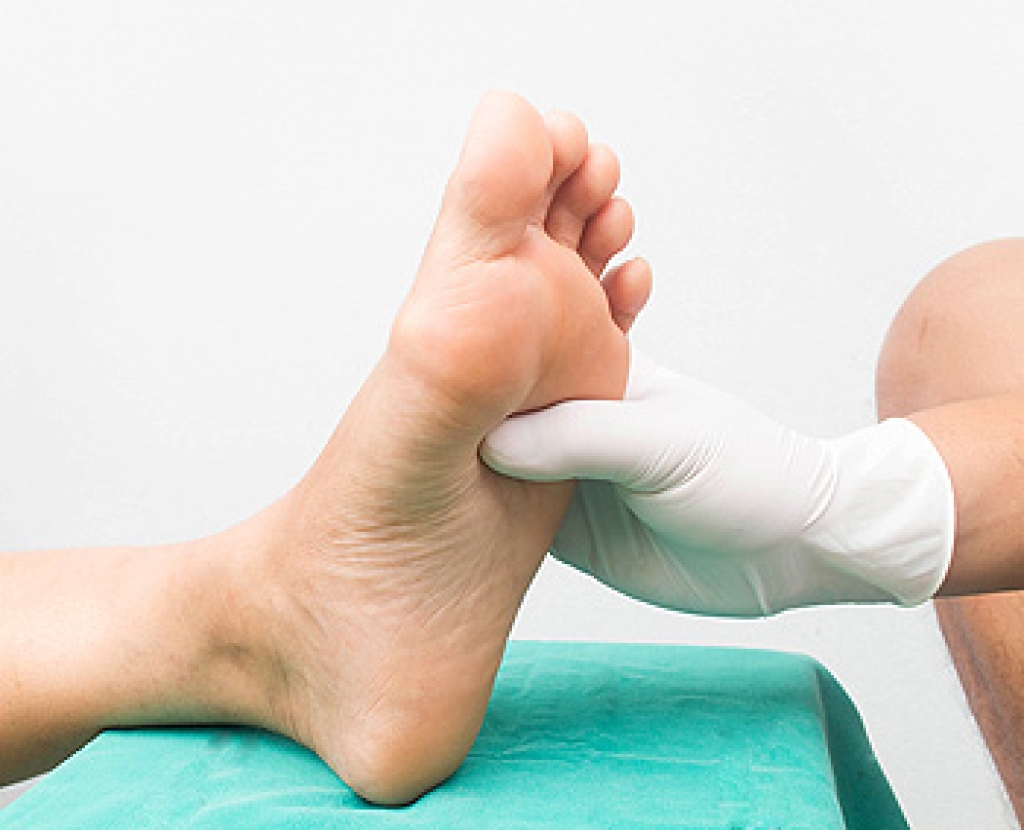
In many cases the cause of toe pain is obvious, but in others, a podiatrist may want to use more advanced methods to determine the problem. These can range from simple visual inspections and sensation tests to X-rays and MRI scans. Prior medical history, family medical history, and any recent physical traumatic events will all be taken into consideration for a proper diagnosis.

Treatment

Treatments for toe pain and injuries vary and may include shoe inserts, padding, taping, medicines, injections, and in some cases, surgery. If you believe that you have broken a toe, please see a podiatrist as soon as possible.

If you have any questions please contact our office located in Crystal Lake, IL . We offer the newest diagnostic and treatment technologies for all your foot and ankle needs.
Read more about Toe Pain

Nurturing the Feet Is Essential for Diabetic Patients

For individuals living with diabetes, maintaining foot care takes on paramount importance. Elevated blood sugar levels can lead to nerve damage and reduced blood flow in the feet, making them vulnerable to infections and slow healing. Regularly inspecting the feet for any cuts, blisters, or sores, can help to prevent infections. It is helpful to moisturize the feet but avoid applying lotion between the toes. Wearing well-fitting shoes made from breathable materials may help to ensure maximum comfort. It is beneficial to choose seamless socks that can prevent friction. Trimming the nails straight across can help to avoid ingrown nails, and elevating the feet while sitting may promote healthy circulation. Prioritizing your foot health is crucial to having a comfortable and active life with diabetes. If you have diabetes, it is strongly suggested that you are under the care of a podiatrist who can help you to manage this serious condition.

Diabetic foot care is important in preventing foot ailments such as ulcers. If you are suffering from diabetes or have any other concerns about your feet, contact Rahil Baxamusa, DPM from Illinois. Our doctor can provide the care you need to keep you pain-free and on your feet.

Diabetic Foot Care

Diabetes affects millions of people every year. The condition can damage blood vessels in many parts of the body, especially the feet. Because of this, taking care of your feet is essential if you have diabetes, and having a podiatrist help monitor your foot health is highly recommended.

The Importance of Caring for Your Feet

  • Routinely inspect your feet for bruises or sores.
  • Wear socks that fit your feet comfortably.
  • Wear comfortable shoes that provide adequate support.

Patients with diabetes should have their doctor monitor their blood levels, as blood sugar levels play such a huge role in diabetic care. Monitoring these levels on a regular basis is highly advised.

It is always best to inform your healthcare professional of any concerns you may have regarding your feet, especially for diabetic patients. Early treatment and routine foot examinations are keys to maintaining proper health, especially because severe complications can arise if proper treatment is not applied.

If you have any questions, please feel free to contact our office located in Crystal Lake, IL . We offer the newest diagnostic and treatment technologies for all your foot care needs.

Read more about Diabetic Foot Care

Wound Debridement

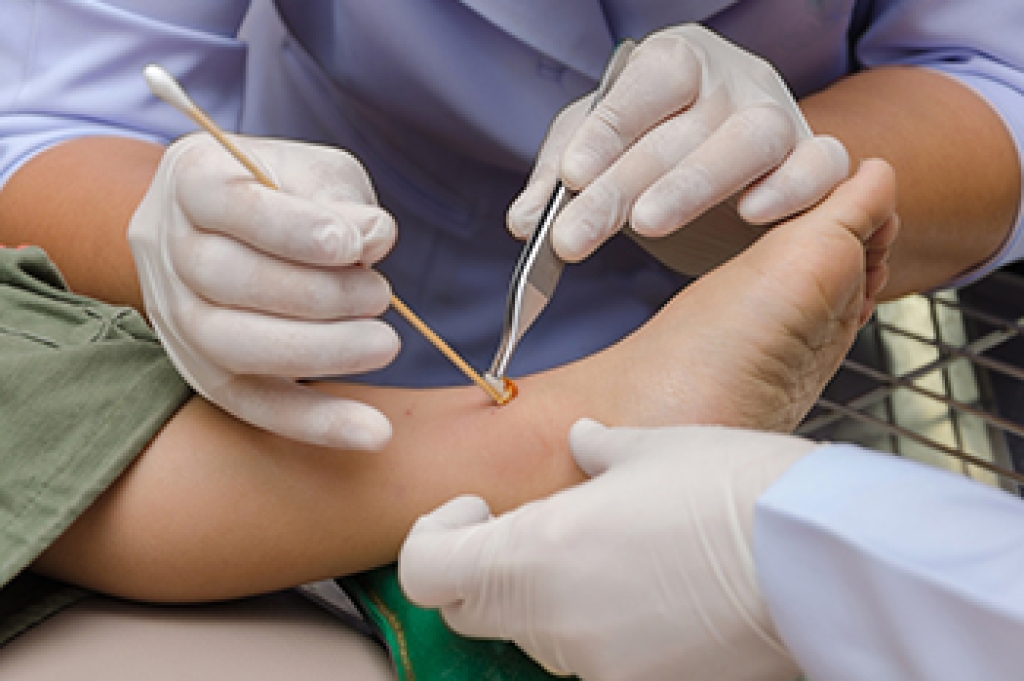
The removal of dead or infected skin tissue is known as debridement. This procedure also eliminates foreign materials from tissue. Debridement promotes the growth of healthy tissue, minimizes scarring, and reduces infection complications. Not all wounds require debridement. It is typically used for non-healing old wounds, chronically infected wounds, or those at risk of infections. Severe or new wounds might also need debridement. The choice of debridement depends on factors like wound type, age, overall health, and risk for complications. Methods include biological debridement using sterile maggots, enzymatic debridement with ointments, autolytic debridement harnessing the body's enzymes, and mechanical debridement as the most common approach. Sharp debridement, both conservative and surgical, involves cutting off unhealthy tissue. Recovery varies but typically takes 6 to 12 weeks. Careful wound management, including regular dressing changes and hygiene, is crucial. Although complications are possible, debridement's benefits often outweigh the risks. If you have a foot wound that persists or appears infected, it is strongly suggested that you see a podiatrist for immediate treatment, which might include debridement.

Wound care is an important part in dealing with diabetes. If you have diabetes and a foot wound or would like more information about wound care for diabetics, consult with Rahil Baxamusa, DPM from Illinois. Our doctor will assess your condition and provide you with quality foot and ankle treatment.

What Is Wound Care?

Wound care is the practice of taking proper care of a wound. This can range from the smallest to the largest of wounds. While everyone can benefit from proper wound care, it is much more important for diabetics. Diabetics often suffer from poor blood circulation which causes wounds to heal much slower than they would in a non-diabetic. 

What Is the Importance of Wound Care?

While it may not seem apparent with small ulcers on the foot, for diabetics, any size ulcer can become infected. Diabetics often also suffer from neuropathy, or nerve loss. This means they might not even feel when they have an ulcer on their foot. If the wound becomes severely infected, amputation may be necessary. Therefore, it is of the upmost importance to properly care for any and all foot wounds.

How to Care for Wounds

The best way to care for foot wounds is to prevent them. For diabetics, this means daily inspections of the feet for any signs of abnormalities or ulcers. It is also recommended to see a podiatrist several times a year for a foot inspection. If you do have an ulcer, run the wound under water to clear dirt from the wound; then apply antibiotic ointment to the wound and cover with a bandage. Bandages should be changed daily and keeping pressure off the wound is smart. It is advised to see a podiatrist, who can keep an eye on it.

If you have any questions please contact our office located in Crystal Lake, IL . We offer the newest diagnostic and treatment technologies for all your foot and ankle needs.

Read more about Wound Care

Do Your Child's Feet Hurt?

Have your child's feet been examined lately? Healthy feet are happy feet. If your child is complaining of foot pain, it may be a sign of underlying problems.

Common Myths About Heel Spurs

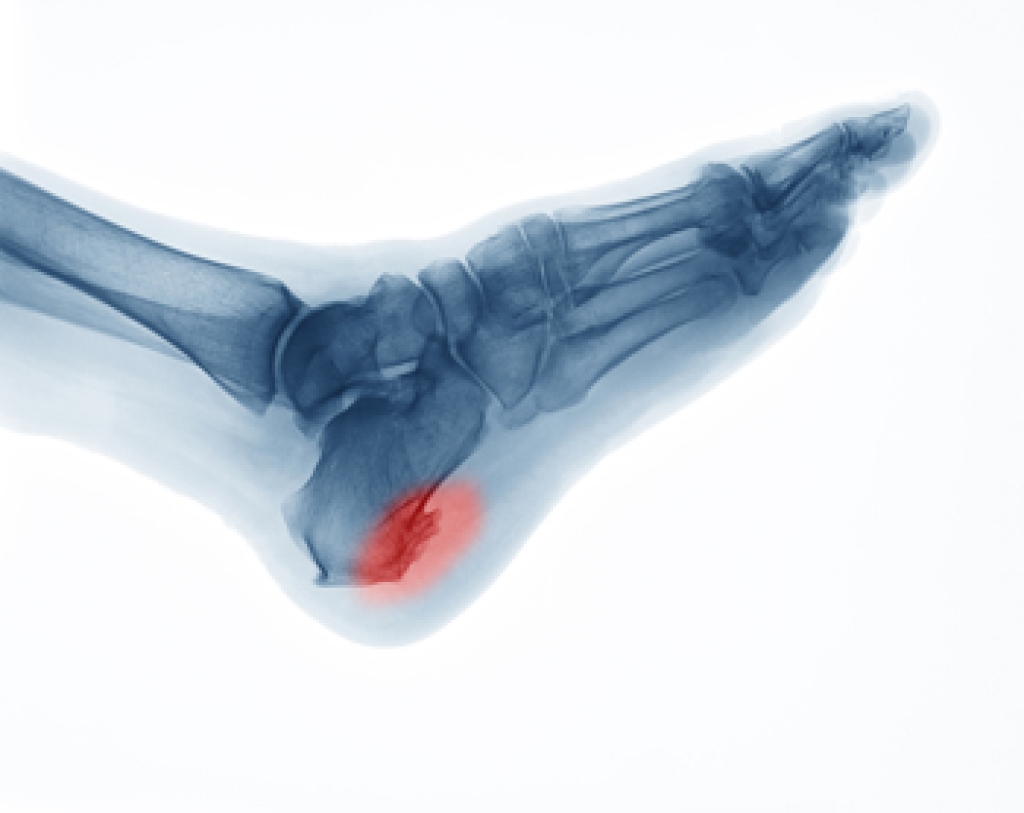
Heel spurs are commonly misunderstood and usually do not cause heel pain. In fact, most heel pain is attributed to plantar fasciitis, a condition where the ligament on the bottom of the foot, termed the plantar fascia, becomes chronically inflamed. It then can get calcified where it attaches to the heel bone. It may even appear as a heel spur on an X-ray. The pain stems from the strain on the plantar fascia, due to overuse or repetitive exertion, and often is made worse by wearing inadequately supportive footwear. Symptoms include discomfort on the bottom of the heel, which occasionally extends into the arch. Surgical removal of heel spurs is largely considered unnecessary, as relief from the pain can often occur without addressing the spur itself. Wearing shoe inserts and incorporating simple stretches can lead to significant relief from this type of heel pain. Proper arch support and cushioning are often effective ways to relieve heel pain. So, while heel spurs may appear concerning, they may not be the main cause of discomfort. Instead, it is suggested that you make an appointment with a podiatrist who can conduct imaging tests and identify the cause and suggest the appropriate treatment measures. 

Heel spurs can be incredibly painful and sometimes may make you unable to participate in physical activities. To get medical care for your heel spurs, contact Rahil Baxamusa, DPM from Illinois. Our doctor will do everything possible to treat your condition.

Heels Spurs

Heel spurs are formed by calcium deposits on the back of the foot where the heel is. This can also be caused by small fragments of bone breaking off one section of the foot, attaching onto the back of the foot. Heel spurs can also be bone growth on the back of the foot and may grow in the direction of the arch of the foot.

Older individuals usually suffer from heel spurs and pain sometimes intensifies with age. One of the main condition's spurs are related to is plantar fasciitis.

Pain

The pain associated with spurs is often because of weight placed on the feet. When someone is walking, their entire weight is concentrated on the feet. Bone spurs then have the tendency to affect other bones and tissues around the foot. As the pain continues, the feet will become tender and sensitive over time.

Treatments

There are many ways to treat heel spurs. If one is suffering from heel spurs in conjunction with pain, there are several methods for healing. Medication, surgery, and herbal care are some options.

If you have any questions, please feel free to contact our office located in Crystal Lake, IL . We offer the newest diagnostic and treatment technologies for all your foot care needs.

Read more about How to Treat Heel Spurs

Connect With Us