
Do you work on your feet all day and find your feet in pain? Don't go to work in pain each day. Your foot pain can be treated, and we can help.
Do you work on your feet all day and find your feet in pain? Don't go to work in pain each day. Your foot pain can be treated, and we can help.
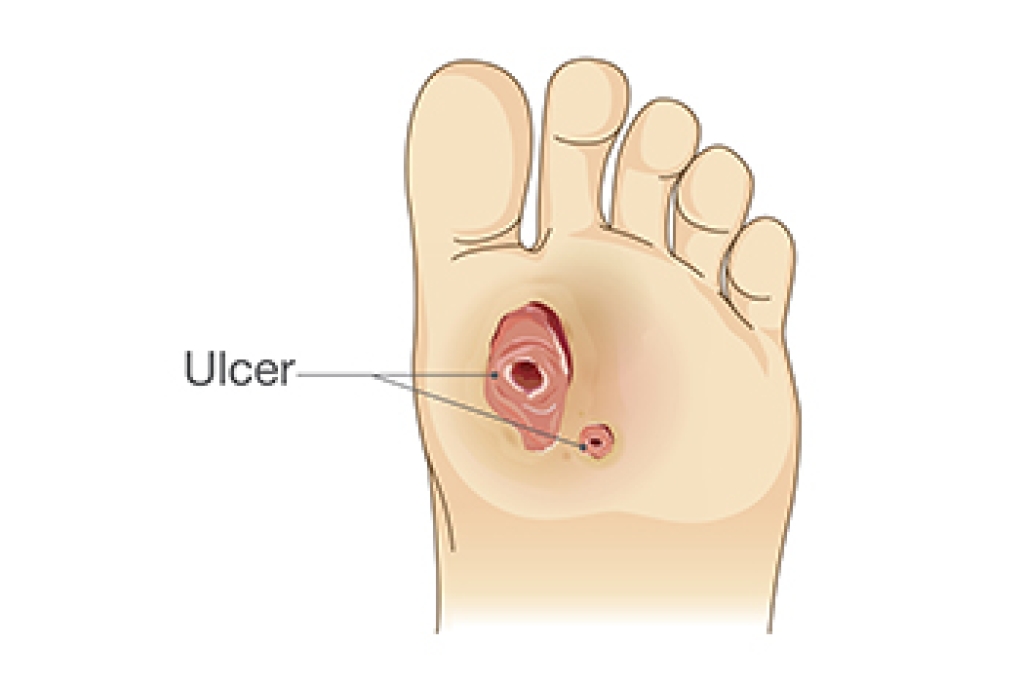
Diabetic foot ulcers are serious complications of diabetes, characterized by open sores or wounds that typically develop on the feet. They result from poor circulation, nerve damage, also called neuropathy, and impaired immune function associated with diabetes. Treatment involves meticulous wound care, which includes cleaning the ulcer with gentle soap and water, applying antibiotic ointment, and covering it with a sterile dressing. Offloading pressure from the affected foot is important to prevent further irritation and aid healing. Podiatrists can conduct regular exams to monitor ulcers, assess circulation, and provide guidance on footwear and hygiene. Timely intervention can prevent complications such as infections or amputations. If you have diabetes, it is strongly suggested you visit a podiatrist who can help you to manage this condition.
Wound care is an important part in dealing with diabetes. If you have diabetes and a foot wound or would like more information about wound care for diabetics, consult with Rahil Baxamusa, DPM from Illinois. Our doctor will assess your condition and provide you with quality foot and ankle treatment.
What Is Wound Care?
Wound care is the practice of taking proper care of a wound. This can range from the smallest to the largest of wounds. While everyone can benefit from proper wound care, it is much more important for diabetics. Diabetics often suffer from poor blood circulation which causes wounds to heal much slower than they would in a non-diabetic.
What Is the Importance of Wound Care?
While it may not seem apparent with small ulcers on the foot, for diabetics, any size ulcer can become infected. Diabetics often also suffer from neuropathy, or nerve loss. This means they might not even feel when they have an ulcer on their foot. If the wound becomes severely infected, amputation may be necessary. Therefore, it is of the upmost importance to properly care for any and all foot wounds.
How to Care for Wounds
The best way to care for foot wounds is to prevent them. For diabetics, this means daily inspections of the feet for any signs of abnormalities or ulcers. It is also recommended to see a podiatrist several times a year for a foot inspection. If you do have an ulcer, run the wound under water to clear dirt from the wound; then apply antibiotic ointment to the wound and cover with a bandage. Bandages should be changed daily and keeping pressure off the wound is smart. It is advised to see a podiatrist, who can keep an eye on it.
If you have any questions please contact our office located in Crystal Lake, IL . We offer the newest diagnostic and treatment technologies for all your foot and ankle needs.
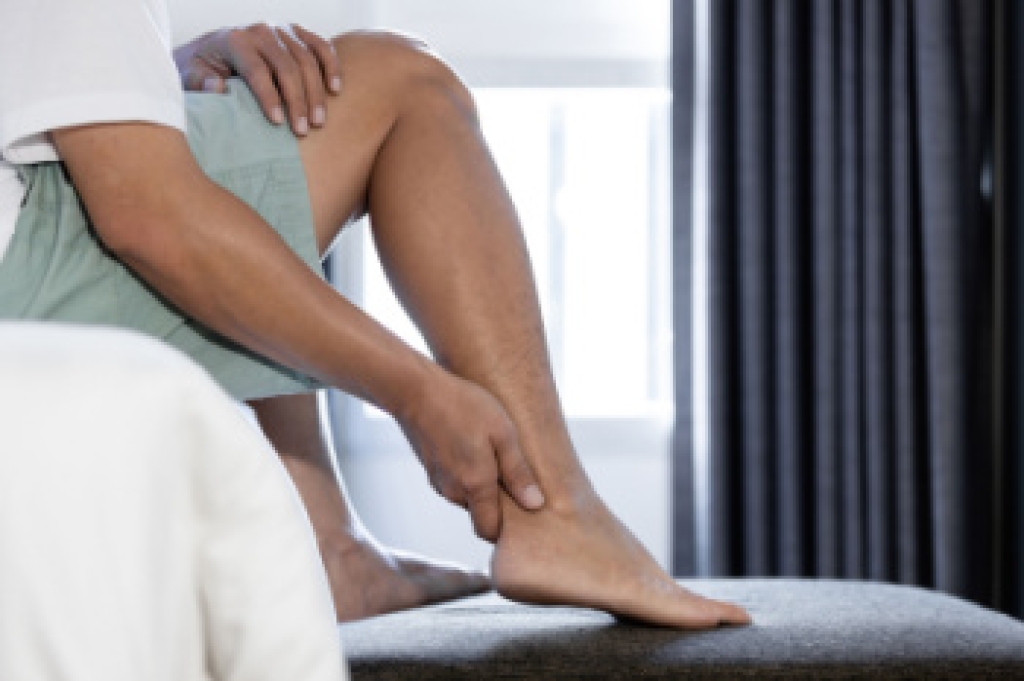 An Achilles tendon rupture is a serious injury that requires immediate attention. Common signs include a sudden, sharp pain in the back of the ankle or calf, often described as feeling like a direct hit or a snap. Swelling and bruising typically develop quickly surrounding the heel and lower leg. Individuals may also experience difficulty while walking, standing on tiptoe, or pushing off the injured foot. A noticeable gap or indentation above the heel is a clear indication of a rupture. Weakness in the affected leg and a decrease in range of motion are also symptoms. If you have pain in the back of the ankle, it is suggested that you confer with a podiatrist who can diagnose and treat Achilles tendon injuries.
Achilles tendon injuries need immediate attention to avoid future complications. If you have any concerns, contact Rahil Baxamusa, DPM of Illinois. Our doctor can provide the care you need to keep you pain-free and on your feet.
What Is the Achilles Tendon?
The Achilles tendon is a tendon that connects the lower leg muscles and calf to the heel of the foot. It is the strongest tendon in the human body and is essential for making movement possible. Because this tendon is such an integral part of the body, any injuries to it can create immense difficulties and should immediately be presented to a doctor.
What Are the Symptoms of an Achilles Tendon Injury?
There are various types of injuries that can affect the Achilles tendon. The two most common injuries are Achilles tendinitis and ruptures of the tendon.
Achilles Tendinitis Symptoms
Rupture Symptoms
Treatment and Prevention
Achilles tendon injuries are diagnosed by a thorough physical evaluation, which can include an MRI. Treatment involves rest, physical therapy, and in some cases, surgery. However, various preventative measures can be taken to avoid these injuries, such as:
If you have any questions please feel free to contact our office located in Crystal Lake, IL . We offer the newest diagnostic tools and technology to treat your foot and ankle needs.

Congenital foot problems encompass a range of conditions that affect foot development from birth. Clubfoot is characterized by inwardly turned feet and twisted ankles, often requiring corrective casting or surgery early in infancy. Larsen syndrome involves multiple joint abnormalities, including clubfoot, and requires comprehensive manipulation. Metatarsus adductus causes the front part of the foot to turn inward, usually resolving with stretching exercises or corrective shoes. Metatarsus varus results in a curved appearance of the foot bones, treated similarly to metatarsus adductus. These conditions can impact mobility and foot alignment if left untreated, potentially leading to discomfort and difficulties in walking. Early diagnosis and intervention are essential for addressing congenital foot problems, often involving a combination of specific techniques to promote proper foot development and functionality from infancy through childhood. If your child has been born with a congenital foot condition, it is strongly suggested that you have a podiatrist on your healthcare team who can guide you to an effective treatment strategy.
Congenital foot problems require immediate attention to avoid future complications. If you have any concerns, contact Rahil Baxamusa, DPM of Illinois. Our doctor can provide the care you need to keep you pain-free and on your feet.
Congenital foot problems are deformities affecting the feet, toes, and/or ankles that children are born with. Some of these conditions have a genetic cause while others just happen. Some specific foot ailments that children may be born with include clubfeet, polydactyly/macrodactyly, and cleft foot. There are several other foot anomalies that can occur congenitally. What all of these conditions have in common is that a child may experience difficulty walking or performing everyday activities, as well as trouble finding footwear that fits their foot deformity. Some of these conditions are more serious than others. Consulting with a podiatrist as early as possible will help in properly diagnosing a child’s foot condition while getting the necessary treatment underway.
What are Causes of Congenital Foot Problem?
A congenital foot problem is one that happens to a child at birth. These conditions can be caused by a genetic predisposition, developmental or positional abnormalities during gestation, or with no known cause.
What are Symptoms of Congenital Foot Problems?
Symptoms vary by the congenital condition. Symptoms may consist of the following:
Treatment and Prevention
While there is nothing one can do to prevent congenital foot problems, raising awareness and receiving neonatal screenings are important. Early detection by taking your child to a podiatrist leads to the best outcome possible.
If you have any questions, please feel free to contact our office located in Crystal Lake, IL . We offer the newest diagnostic and treatment technologies for all your foot care needs.

Running shoes come in various designs, each tailored for specific activities and impacting how feet hit the ground. Racing flats are lightweight and designed for speed, offering minimal cushioning to promote a natural, efficient stride. They allow runners to feel the ground more closely, encouraging a forefoot or midfoot strike. Distance spikes, on the other hand, feature spikes on the outsole for enhanced traction on track surfaces. These shoes are also lightweight but provide slightly more support than racing flats, helping runners maintain speed over longer distances. The spikes encourage a forefoot strike, maximizing propulsion and grip. Understanding these differences is vital for selecting the right shoe for your running goals, whether it is achieving maximum speed in a race or maintaining performance over a longer distance. Many people wear the wrong shoes for their style of running, and can endure foot injuries. If this applies to you, it is suggested that you consult a podiatrist who can treat any foot condition and educate you on what type of running shoes to wear.
If you are a runner, wearing the right running shoe is essential. For more information, contact Rahil Baxamusa, DPM from Illinois. Our doctor can provide the care you need to keep you pain-free and on your feet.
Choosing the Right Running Shoe for Your Foot Type
To increase performance and avoid the risk of injury, it is important to choose the right running shoe based on your foot type. The general design of running shoes revolves around pronation, which is how the ankle rolls from outside to inside when the foot strikes the ground.
If you have any questions, please feel free to contact our office located in Crystal Lake, IL . We offer the newest diagnostic and treatment technologies for all your foot care needs.
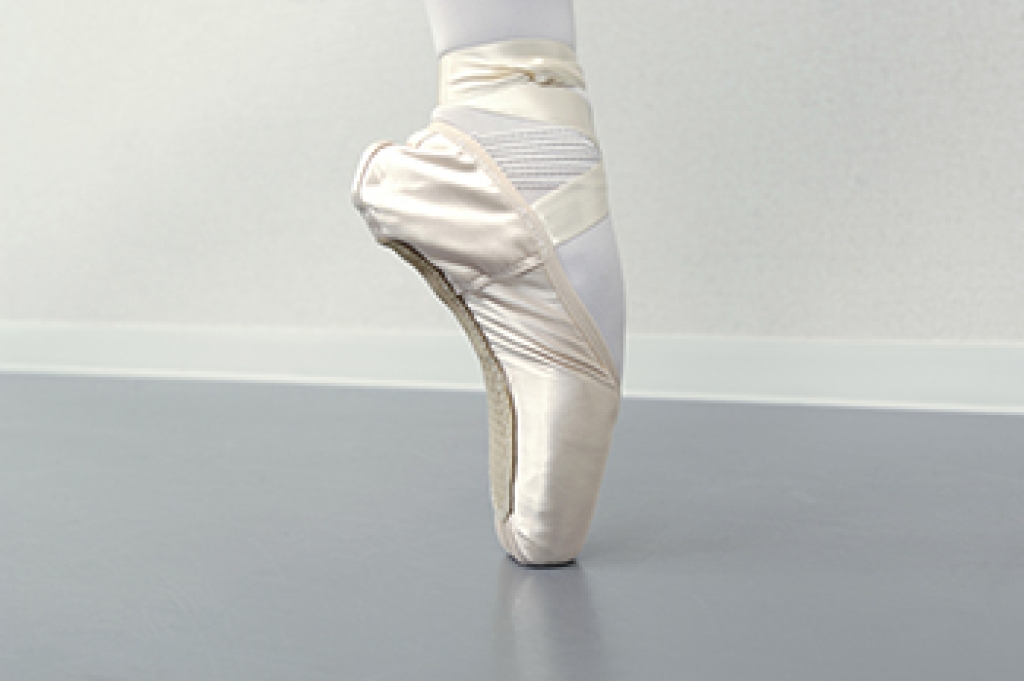
In the intricate world of dance, understanding the biomechanics and anatomy of the foot is paramount. The foot is a complex structure comprising bones, muscles, tendons, and ligaments, all working together to support movement and balance. Dancers rely heavily on their feet to execute precise movements, requiring a deep understanding of foot mechanics. The arches of the foot act as shock absorbers, absorbing impact and providing stability during jumps and landings. Muscles in the foot and lower leg work in harmony to create intricate footwork and maintain proper alignment. Ligaments and tendons provide support and allow for fluid movement, while the toes play a vital role in balance and propulsion. By comprehending the biomechanics and anatomy of the foot, dancers can optimize their technique, prevent injuries, and enhance their performance on stage. It is essential for dancers to understand how their feet move for their desired style of dancing. If you have suffered a foot injury while dancing, it is suggested that you consult a podiatrist who can accurately diagnose and treat your foot condition.
If you have any concerns about your feet, contact Rahil Baxamusa, DPM from Illinois. Our doctor can provide the care you need to keep you pain-free and on your feet.
Biomechanics in Podiatry
Podiatric biomechanics is a particular sector of specialty podiatry with licensed practitioners who are trained to diagnose and treat conditions affecting the foot, ankle and lower leg. Biomechanics deals with the forces that act against the body, causing an interference with the biological structures. It focuses on the movement of the ankle, the foot and the forces that interact with them.
A History of Biomechanics
Modern technological improvements are based on past theories and therapeutic processes that provide a better understanding of podiatric concepts for biomechanics. Computers can provide accurate information about the forces and patterns of the feet and lower legs.
Understanding biomechanics of the feet can help improve and eliminate pain, stopping further stress to the foot.
If you have any questions please feel free to contact our office located in Crystal Lake, IL . We offer the newest diagnostic and treatment technologies for all your foot and ankle needs.
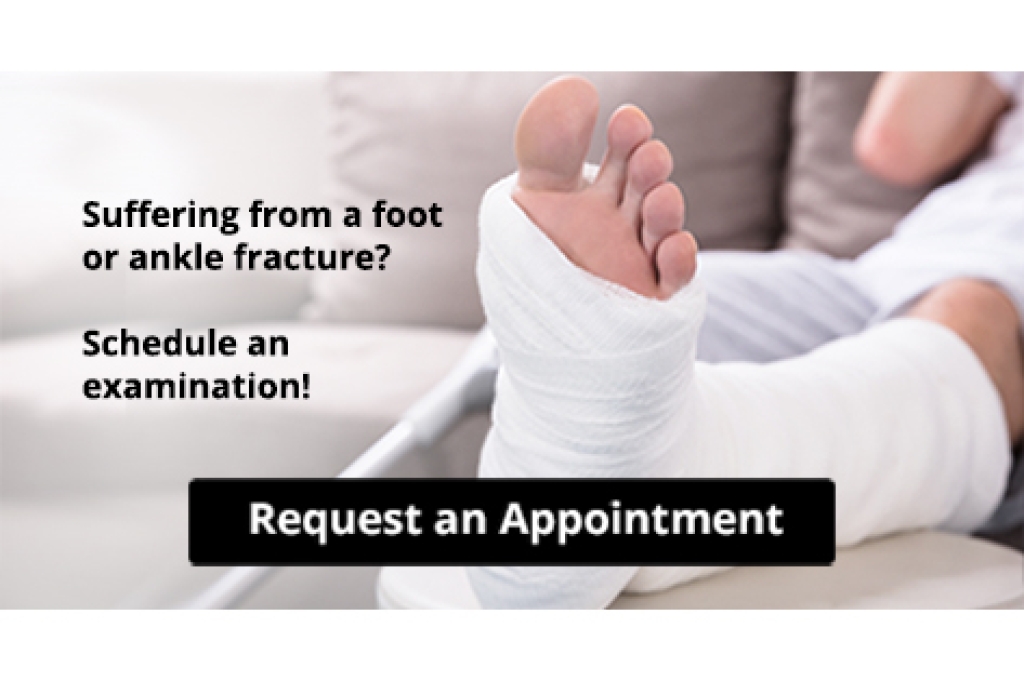
Constant care and regular evaluation are important for a foot or ankle fracture. If left untreated, foot or ankle fractures can worsen over time and create more serious problems.
Don't wait to be examined if you believe you've experienced a foot or ankle fracture.

Fungal toenail infections, or onychomycosis, account for approximately 50 percent of all nail diseases, particularly affecting toenails. Laboratory diagnosis through microscopy and culture of nail clippings is recommended before starting treatment to confirm the infection type. For patients requiring treatment of fungal toenails, oral antifungal medications are typically used for severe infections, while topical antifungals are suitable for superficial or minor cases and for those unable to take oral medications. The duration of treatment varies, with systemic medications typically requiring a few months and topical treatments possibly extending up to two years. Patients should be aware that treatment success rates vary, and nails may not return to a completely normal appearance even after successful therapy. Additionally, there is a risk of treatment failure or relapse, necessitating further diagnosis and possibly alternative treatment strategies. Ultimately, the decision to treat fungal nails should be individualized, considering the patient's overall health, risk factors such as diabetes or vascular disease, and the severity of the infection. If you have developed a fungal toenail infection, it is suggested that you schedule an appointment with a podiatrist for a diagnosis and treatment suggestions.
For more information about treatment, contact Rahil Baxamusa, DPM of Illinois. Our doctor can provide the care you need to keep you pain-free and on your feet.
Toenail Fungus Treatment
Toenail fungus is a condition that affects many people and can be especially hard to get rid of. Fortunately, there are several methods to go about treating and avoiding it.
Antifungals & Deterrence
Oral antifungal medicine has been shown to be effective in many cases. It is important to consult with a podiatrist to determine the proper regiment for you, or potentially explore other options.
Applying foot powder on the feet and shoes helps keep the feet free of moisture and sweat.
Sandals or open toed shoes – Wearing these will allow air movement and help keep feet dry. They also expose your feet to light, which fungus cannot tolerate. Socks with moisture wicking material also help as well.
If you have any questions please contact our office located in Crystal Lake, IL . We offer the newest diagnostic and treatment technologies for all your foot and ankle needs.
 Children's foot health is imperative as they grow, with different stages requiring specific care and attention. Babies have soft and pliable feet that gradually develop bone structure and muscle strength. During the toddler years, as children begin to walk, their feet undergo significant changes, necessitating support and wearing well-fitted shoes to aid proper development. Choosing the right shoes is vital. They should be flexible, have a wide toe box, and provide adequate arch support without being too tight. Common foot problems in children include flat feet, in-toeing, out-toeing, and excessive pronation, which can affect gait and posture. Early detection and intervention are key to preventing long-term issues. Regular foot inspections, proper hygiene, and encouraging barefoot play when safe can promote healthy foot development. If any abnormalities or persistent issues arise, visit a podiatrist for a thorough assessment and appropriate guidance on maintaining optimal foot health as children grow.
The health of a child’s feet is vital to their overall well-being. If you have any questions regarding foot health, contact Rahil Baxamusa, DPM of Illinois. Our doctor can provide the care you need to keep you pain-free and on your feet.
Tips for Keeping Children's Feet Healthy
If you have any questions, please feel free to contact our office located in Crystal Lake, IL . We offer the newest diagnostic and treatment technologies for all your foot care needs.
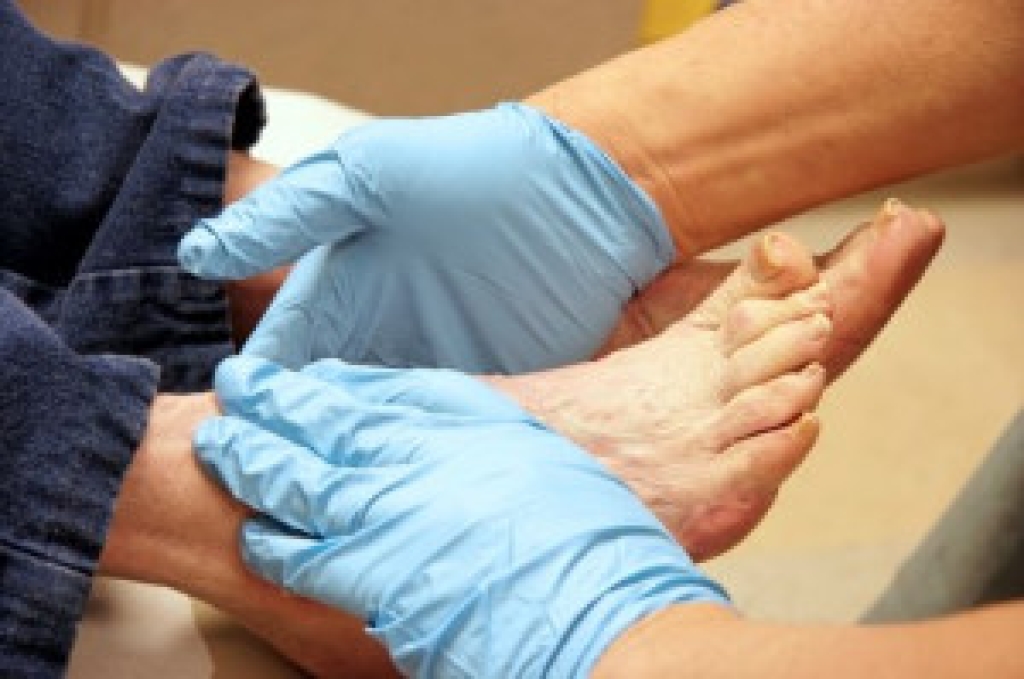
Diabetes can pose significant risks to foot health due to potential nerve and blood vessel damage. Reduced sensation in the feet increases the likelihood of injuries, which may lead to serious complications like foot ulcers, often requiring hospitalization. It is important for anyone with diabetes to prioritize foot care to prevent such issues. Daily foot inspections are vital, checking for dry skin, blisters, sores, bruises, and any abnormalities. Regular washing with mild soap, careful drying, and moisturizing are also essential steps. Proper toenail trimming techniques help to prevent ingrown nails and other complications, with assistance from a podiatrist recommended for thick or discolored nails that may be infected. Corns and calluses should also be managed by a podiatrist, ensuring safe removal. Wearing well-fitting shoes and clean, dry socks are recommended at all times to prevent injuries. Any foot issues should be promptly reported to a podiatrist, rather than attempting self-treatment. It is suggested that diabetic patients seek assistance from a podiatrist for regular evaluations and necessary foot care.
Diabetic foot care is important in preventing foot ailments such as ulcers. If you are suffering from diabetes or have any other concerns about your feet, contact Rahil Baxamusa, DPM from Illinois. Our doctor can provide the care you need to keep you pain-free and on your feet.
Diabetic Foot Care
Diabetes affects millions of people every year. The condition can damage blood vessels in many parts of the body, especially the feet. Because of this, taking care of your feet is essential if you have diabetes, and having a podiatrist help monitor your foot health is highly recommended.
The Importance of Caring for Your Feet
Patients with diabetes should have their doctor monitor their blood levels, as blood sugar levels play such a huge role in diabetic care. Monitoring these levels on a regular basis is highly advised.
It is always best to inform your healthcare professional of any concerns you may have regarding your feet, especially for diabetic patients. Early treatment and routine foot examinations are keys to maintaining proper health, especially because severe complications can arise if proper treatment is not applied.
If you have any questions, please feel free to contact our office located in Crystal Lake, IL . We offer the newest diagnostic and treatment technologies for all your foot care needs.
Connect With Us
