Can Exercises Help Heel Spurs?

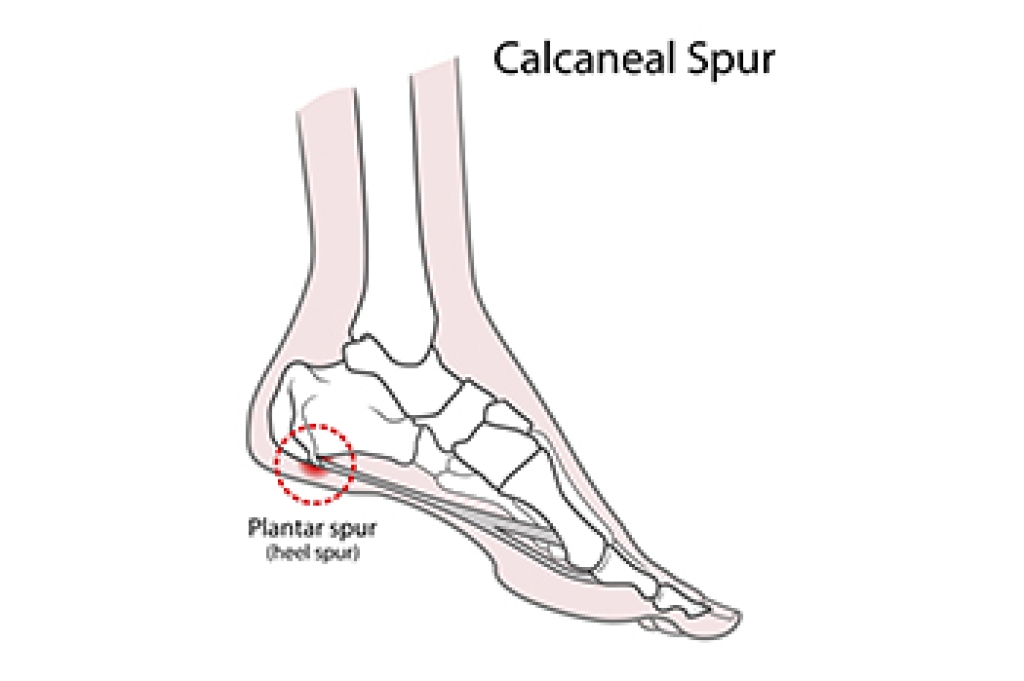
Heel spurs, bony outgrowths at the bottom of the heel bone, can be a source of persistent foot discomfort. Formed due to calcium deposits, heel spurs often accompany conditions like plantar fasciitis. The pain associated with heel spurs typically arises during weight-bearing activities, especially after rest periods. While rest and proper footwear are important components of managing heel spurs, specific exercises can provide relief. Stretching exercises, such as calf stretches and towel curls, may help to alleviate tension in the Achilles tendon and plantar fascia. Rolling a frozen water bottle under the foot can reduce inflammation. Strengthening exercises, like toe-tapping and marble pickups, enhance foot and ankle muscles, promoting better support. A podiatrist treats heel spurs. If you have developed this condition, it is suggested that you visit this type of doctor who can help you with appropriate treatment and guide you toward additional stretches. 

Heel spurs can be incredibly painful and sometimes may make you unable to participate in physical activities. To get medical care for your heel spurs, contact Rahil Baxamusa, DPM from Illinois. Our doctor will do everything possible to treat your condition.

Heels Spurs

Heel spurs are formed by calcium deposits on the back of the foot where the heel is. This can also be caused by small fragments of bone breaking off one section of the foot, attaching onto the back of the foot. Heel spurs can also be bone growth on the back of the foot and may grow in the direction of the arch of the foot.

Older individuals usually suffer from heel spurs and pain sometimes intensifies with age. One of the main condition's spurs are related to is plantar fasciitis.

Pain

The pain associated with spurs is often because of weight placed on the feet. When someone is walking, their entire weight is concentrated on the feet. Bone spurs then have the tendency to affect other bones and tissues around the foot. As the pain continues, the feet will become tender and sensitive over time.

Treatments

There are many ways to treat heel spurs. If one is suffering from heel spurs in conjunction with pain, there are several methods for healing. Medication, surgery, and herbal care are some options.

If you have any questions, please feel free to contact our office located in Crystal Lake, IL . We offer the newest diagnostic and treatment technologies for all your foot care needs.
Read more about Heel Spurs

What is a Sports Podiatrist?

A sports podiatrist is a healthcare specialist focused on treating and preventing foot and lower limb issues in athletes and other active individuals. They have a deep understanding of how the feet and legs function during physical activities and the specific stresses different sports place on these body parts. The role of a sports podiatrist is vital in enhancing athletic performance and preventing injuries. Sports podiatrists conduct thorough assessments, including gait analysis and biomechanical evaluations, to understand an athlete's foot structure and movement patterns. They offer expert advice on appropriate footwear and can design custom orthotic devices to correct biomechanical imbalances, enhance performance, or prevent injuries. They also treat a range of sports-related foot and ankle problems, ranging from overuse injuries to acute traumas. While all podiatrists can treat sports injuries to some degree, a sports podiatrist offers a more focused expertise in managing and preventing injuries specifically in athletes and those engaged in regular physical activities. If you are an athlete and are experiencing foot or ankle problems, it is suggested that you schedule an appointment with a podiatrist who has experience with sports injuries for an evaluation.

If you are experiencing pain in the feet or ankles, don’t join the stubborn majority refusing treatment. Feel free to contact Rahil Baxamusa, DPM from Illinois. Our doctor can provide the care you need to keep you pain-free and on your feet.

What Is a Podiatrist?

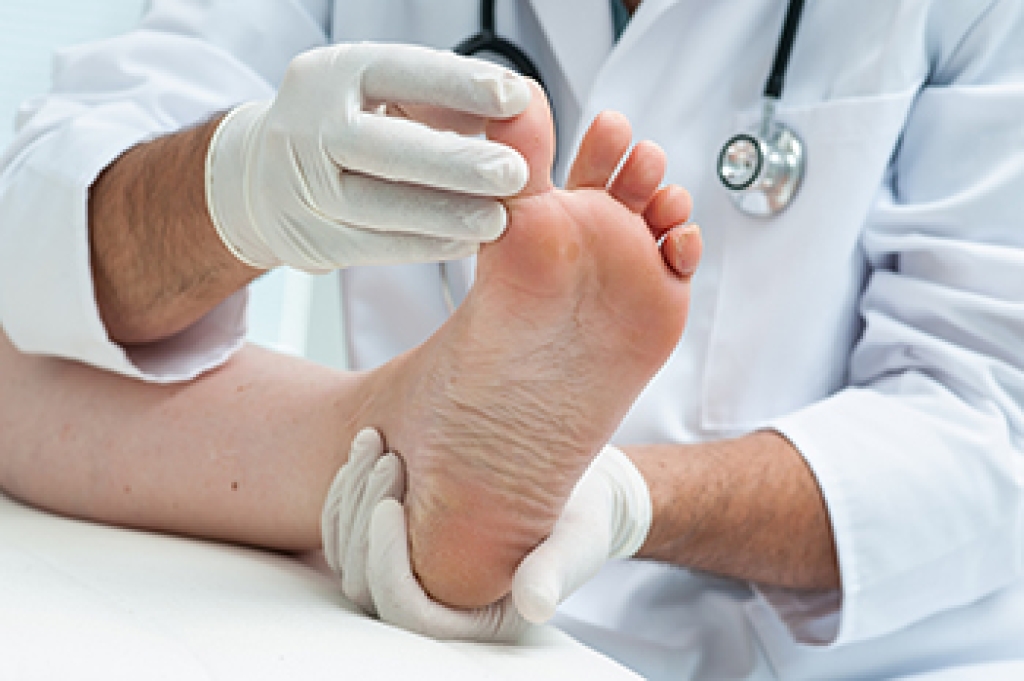
Someone would seek the care of a podiatrist if they have suffered a foot injury or have common foot ailments such as heal spurs, bunions, arch problems, deformities, ingrown toenails, corns, foot and ankle problems, etc.

Podiatric Treatment

A podiatrist will treat the problematic areas of the feet, ankle or lower leg by prescribing the following:

  • Physical therapy
  • Drugs
  • Orthotic inserts or soles
  • Surgery on lower extremity fractures

A common podiatric procedure a podiatrist will use is a scanner or force plate which will allow the podiatrist to know the designs of orthotics. Patients are then told to follow a series of tasks to complete the treatment. The computer will scan the foot a see which areas show weight distribution and pressure points. The podiatrist will read the analysis and then determine which treatment plans are available.

If you have any questions, please feel free to contact our office located in Crystal Lake, IL . We offer the newest diagnostic and treatment technologies for all your foot care needs.

Read more about What is a Podiatrist?

Definition and Underlying Causes of a Bunion

A bunion, or hallux valgus, is a common and often painful foot deformity that affects the joint at the base of the big toe. It manifests as a bony protrusion on the side of the foot, causing the big toe to drift towards the second toe. This misalignment of the joint results in the characteristic bump and can lead to discomfort, inflammation, and difficulty in finding properly fitting footwear. The primary cause of bunions is a combination of genetic and environmental factors. Inherited foot structures that predispose individuals to bunions, like flat feet or low arches, can increase the likelihood of developing this condition. Wearing tight-fitting shoes, particularly those with pointed toes or high heels, can exacerbate the problem or speed up its progression. High levels of stress on the foot or repetitive motion can also contribute to bunion formation. Understanding the causes of bunions is the first step in managing and preventing this condition. When detected early, conservative treatment methods can be helpful. In more severe cases, surgical intervention may be necessary to correct the alignment and provide lasting relief. If you have a bunion, it is suggested that you consult a podiatrist who can guide you toward the most appropriate course of treatment based on your specific condition.

If you are suffering from bunion pain, contact Rahil Baxamusa, DPM of Illinois. Our doctor can provide the care you need to keep you pain-free and on your feet.

What Is a Bunion?

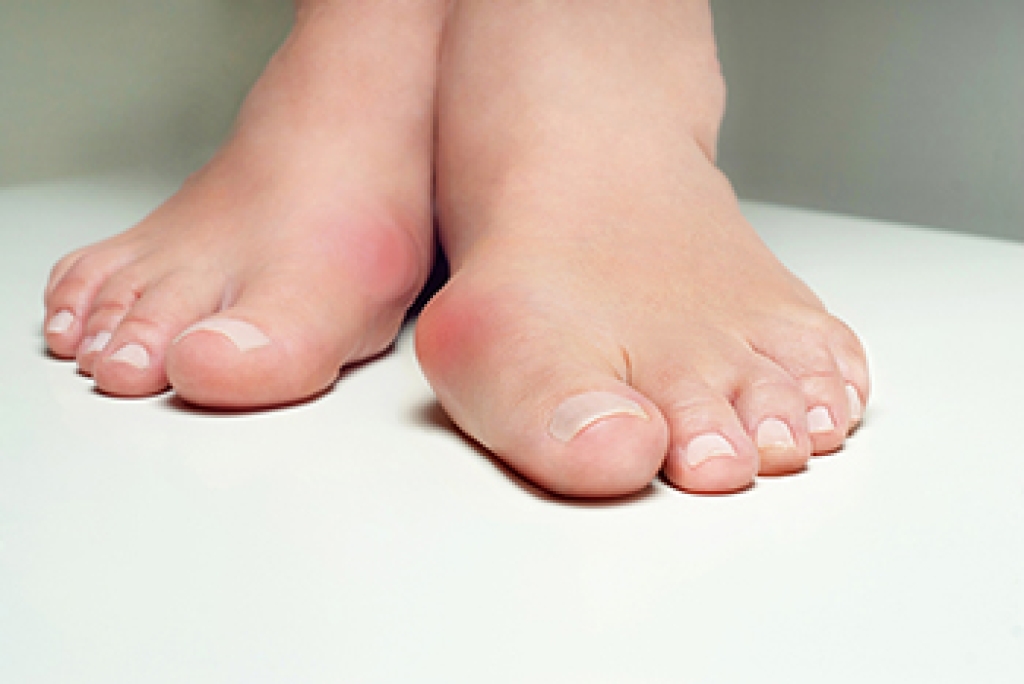
Bunions are painful bony bumps that usually develop on the inside of the foot at the joint of the big toe. As the deformity increases over time, it may become painful to walk and wear shoes. Women are more likely to exacerbate existing bunions since they often wear tight, narrow shoes that shift their toes together. Bunion pain can be relieved by wearing wider shoes with enough room for the toes.

Causes

  • Genetics – some people inherit feet that are more prone to bunion development
  • Inflammatory Conditions - rheumatoid arthritis and polio may cause bunion development

Symptoms

  • Redness and inflammation
  • Pain and tenderness
  • Callus or corns on the bump
  • Restricted motion in the big toe

In order to diagnose your bunion, your podiatrist may ask about your medical history, symptoms, and general health. Your doctor might also order an x-ray to take a closer look at your feet. Nonsurgical treatment options include orthotics, padding, icing, changes in footwear, and medication. If nonsurgical treatments don’t alleviate your bunion pain, surgery may be necessary.

If you have any questions, please feel free to contact our office located in Crystal Lake, IL . We offer the newest diagnostic and treatment technologies for all your foot care needs.

Read more about Bunions

Are You Suffering From Ingrown Toenails?

If left untreated, an ingrown toenail can lead to more serious concerns, such as an infection. Knowing proper nail care can help in the prevention of an ingrown toenail. Give us a call, and get treated!

Foot Injury From Playing Baseball

Baseball is a dynamic sport that requires players to engage in varied physical activities such as sprinting to bases, batting, throwing, and pitching. Players often experience rapid changes in movement, from running in straight sprints to shifting side to side while taking leads or fielding. Stability is vital, particularly in the lower body, to manage the force from these movements. The right foot is especially important due to its frequent contact with the base corners while running. Sliding injuries are common, with feet-first slides presenting a higher injury rate than head-first ones. Most injuries from sliding are minor, although some can sideline players for over a week. The introduction of breakaway bases has helped reduce such injuries. Pitchers need shoes with rigid soles for effective push-off, while catchers require flexibility in the forefoot due to their crouched position. All foot types, whether arched or flat, can adapt to the sport. Baseball injuries can vary, but a comprehensive approach to treatment includes a full history and physical exam, including an assessment of the player's shoes and gait. If you have endured a baseball foot injury, it is suggested that you make an appointment with a podiatrist for a proper diagnosis and treatment plan.

Sports related foot and ankle injuries require proper treatment before players can go back to their regular routines. For more information, contact Rahil Baxamusa, DPM of Illinois. Our doctor can provide the care you need to keep you pain-free and on your feet.

Sports Related Foot and Ankle Injuries

Foot and ankle injuries are a common occurrence when it comes to athletes of any sport. While many athletes dismiss the initial aches and pains, the truth is that ignoring potential foot and ankle injuries can lead to serious problems. As athletes continue to place pressure and strain the area further, a mild injury can turn into something as serious as a rupture and may lead to a permanent disability. There are many factors that contribute to sports related foot and ankle injuries, which include failure to warm up properly, not providing support or wearing bad footwear. Common injuries and conditions athletes face, including:

  • Plantar Fasciitis
  • Achilles Tendinitis
  • Achilles Tendon Rupture
  • Ankle Sprains

Sports related injuries are commonly treated using the RICE method. This includes rest, applying ice to the injured area, compression and elevating the ankle. More serious sprains and injuries may require surgery, which could include arthroscopic and reconstructive surgery. Rehabilitation and therapy may also be required in order to get any recovering athlete to become fully functional again. Any unusual aches and pains an athlete sustains must be evaluated by a licensed, reputable medical professional.

If you have any questions please contact our office located in Crystal Lake, IL . We offer the newest diagnostic and treatment technologies for all your foot and ankle needs.

Read more about Sports Related Foot And Ankle Injuries

Connect With Us