Foot or ankle pain can negatively affect your day-to-day life and can occur due to several different conditions. Pain can also be an indicator of a more serious underlying condition, which is why you should seek professional help as soon as you notice any abnormalities in your feet.
Achilles tendonitis and Achilles tendinosis are two distinct conditions affecting the Achilles tendon, each with different characteristics and causes. Achilles tendonitis is an acute inflammation of the tendon, often resulting from overuse or sudden increases in physical activity. Common symptoms include pain, swelling, and stiffness, particularly during movement. On the other hand, Achilles tendinosis refers to a chronic degeneration of the tendon due to prolonged stress and lack of proper healing. This condition often causes persistent pain and stiffness, especially in the morning or after periods of inactivity. Causes of both conditions include repetitive strain from sports, improper footwear, and biomechanical issues like flat feet or high arches. If you have developed an Achilles tendon injury, it is suggested that you consult a podiatrist who can guide you toward the right treatment solutions for the type of condition you have.
Achilles tendon injuries need immediate attention to avoid future complications. If you have any concerns, contact Rahil Baxamusa, DPM of Illinois. Our doctor can provide the care you need to keep you pain-free and on your feet.
What Is the Achilles Tendon?
The Achilles tendon is a tendon that connects the lower leg muscles and calf to the heel of the foot. It is the strongest tendon in the human body and is essential for making movement possible. Because this tendon is such an integral part of the body, any injuries to it can create immense difficulties and should immediately be presented to a doctor.
What Are the Symptoms of an Achilles Tendon Injury?
There are various types of injuries that can affect the Achilles tendon. The two most common injuries are Achilles tendinitis and ruptures of the tendon.
Achilles Tendinitis Symptoms
Inflammation
Dull to severe pain
Increased blood flow to the tendon
Thickening of the tendon
Rupture Symptoms
Extreme pain and swelling in the foot
Total immobility
Treatment and Prevention
Achilles tendon injuries are diagnosed by a thorough physical evaluation, which can include an MRI. Treatment involves rest, physical therapy, and in some cases, surgery. However, various preventative measures can be taken to avoid these injuries, such as:
Thorough stretching of the tendon before and after exercise
Strengthening exercises like calf raises, squats, leg curls, leg extensions, leg raises, lunges, and leg presses
If you have any questions please feel free to contact our office located in Crystal Lake, IL. We offer the newest diagnostic tools and technology to treat your foot and ankle needs.
A trimalleolar fracture refers to a specific type of ankle injury that involves three distinct bony structures. It typically includes fractures of the lateral malleolus, medial malleolus, and the posterior malleolus of the tibia. This injury often occurs due to high-impact trauma, such as falling from a height or a severe twisting motion of the ankle. The resulting instability of the ankle joint can lead to significant pain, swelling, and difficulty in bearing weight. Diagnosis is typically confirmed through imaging studies like X-rays or CT scans, which reveal the extent of the fractures. Treatment often requires surgery to realign the fractured bones and stabilize the joint. If you have fractured your ankle, it is suggested that you consult a podiatrist who can accurately diagnose and treat this injury.
Broken ankles need immediate treatment. If you are seeking treatment, contact Rahil Baxamusa, DPM from Illinois. Our doctor can provide the care you need to keep you pain-free and on your feet.
Broken Ankles A broken ankle is experienced when a person fractures their tibia or fibula in the lower leg and ankle area. Both of these bones are attached at the bottom of the leg and combine to form what we know to be our ankle.
When a physician is referring to a break of the ankle, he or she is usually referring to a break in the area where the tibia and fibula are joined to create our ankle joint. Ankles are more prone to fractures because the ankle is an area that suffers a lot of pressure and stress. There are some obvious signs when a person experiences a fractured ankle, and the following symptoms may be present.
Symptoms of a Fractured Ankle
Excessive pain when the area is touched or when any pressure is placed on the ankle
Swelling around the area
Bruising of the area
Area appears to be deformed
If you suspect an ankle fracture, it is recommended to seek treatment as soon as possible. The sooner you have your podiatrist diagnose the fracture, the quicker you’ll be on the way towards recovery.
If you have any questions, please feel free to contact our office located in Crystal Lake, IL. We offer the newest diagnostic and treatment technologies for all your foot care needs.
The development of children's feet begins during pregnancy when the basic structures form in the early weeks. By the second trimester, the bones of the feet start to develop, and by birth, a newborn's feet contain approximately 26 bones, many of which are still made of cartilage. As children grow, their feet undergo significant changes, with arches developing around age two to three. To support healthy foot development, parents can make proper footwear choices, opting for shoes that provide ample room for toes to move and grow. Allowing children to walk barefoot on safe surfaces helps strengthen foot muscles and improve balance. Regularly monitoring foot growth and ensuring that shoes fit correctly can prevent issues such as flat feet or other alignment problems. If your child’s feet are not growing as expected, it is suggested that you consult a podiatrist who can monitor your child’s foot health and development and provide necessary treatment.
Making sure that your children maintain good foot health is very important as they grow. If you have any questions, contact Rahil Baxamusa, DPM of Illinois. Our doctor can provide the care you need to keep you pain-free and on your feet.
Keeping Children's Feet Healthy
Having healthy feet during childhood can help prevent medical problems later in life, namely in the back and legs. As children grow, their feet require different types of care. Here are some things to consider...
Although babies do not walk yet, it is still very important to take care of their feet.
Avoid putting tight shoes or socks on his or her feet.
Allow the baby to stretch and kick his or her feet to feel comfortable.
As a toddler, kids are now on the move and begin to develop differently. At this age, toddlers are getting a feel for walking, so don’t be alarmed if your toddler is unsteady or ‘walks funny’.
As your child gets older, it is important to teach them how to take care of their feet.
Show them proper hygiene to prevent infections such as fungus.
Be watchful for any pain or injury.
Have all injuries checked by a doctor as soon as possible.
Comfortable, protective shoes should always be worn, especially at play.
If you have any questions, please feel free to contact our office located in Crystal Lake, IL. We offer the newest diagnostic and treatment technologies for all your foot care needs.
Daily foot care is essential for people with diabetes, as they are at higher risk for foot complications. Regularly inspecting the feet for cuts, blisters, or discoloration is essential, as even minor injuries can lead to serious infections. Keeping the feet clean and dry is important. Washing with mild soap and thoroughly drying them, especially between the toes, helps prevent fungal infections. Moisturizing the skin can combat dryness, but it is vital to avoid applying lotion between the toes to reduce the risk of moisture buildup. Wearing well-fitting, supportive shoes can help prevent friction and pressure points. Regular visits to a podiatrist for foot examinations are a good way to identify potential issues early. If you have diabetes, it is strongly suggested that you are under the care of a podiatrist who can help you to manage this condition.
Diabetic foot care is important in preventing foot ailments such as ulcers. If you are suffering from diabetes or have any other concerns about your feet, contact Rahil Baxamusa, DPM from Illinois. Our doctor can provide the care you need to keep you pain-free and on your feet.
Diabetic Foot Care
Diabetes affects millions of people every year. The condition can damage blood vessels in many parts of the body, especially the feet. Because of this, taking care of your feet is essential if you have diabetes, and having a podiatrist help monitor your foot health is highly recommended.
The Importance of Caring for Your Feet
Routinely inspect your feet for bruises or sores.
Wear socks that fit your feet comfortably.
Wear comfortable shoes that provide adequate support.
Patients with diabetes should have their doctor monitor their blood levels, as blood sugar levels play such a huge role in diabetic care. Monitoring these levels on a regular basis is highly advised.
It is always best to inform your healthcare professional of any concerns you may have regarding your feet, especially for diabetic patients. Early treatment and routine foot examinations are keys to maintaining proper health, especially because severe complications can arise if proper treatment is not applied.
If you have any questions, please feel free to contact our office located in Crystal Lake, IL. We offer the newest diagnostic and treatment technologies for all your foot care needs.
Have your feet inspected by a professional before starting a new sport or physical activity. Taking charge of your foot health will keep you in good physical condition and can help you avoid a potential injury, such as a fracture or sprained ankle.
Running shoes are specifically designed footwear that provides support, cushioning, and protection for runners during their activities. When selecting the best pair of running shoes, consider essential features like cushioning, shock absorption, and energy return, as these elements enhance comfort and performance. Runners can choose from various types of shoes to suit their needs. Lightweight shoes are ideal for speed, while road shoes offer a smoother ride on pavement. Motion control shoes provide added stability for those with overpronation, and trail shoes are designed for off-road conditions, featuring rugged outsoles for better grip. Training shoes are versatile for various activities, whereas zero-drop shoes promote a more natural running posture with no height difference between the heel and toe. Many runners develop foot conditions as a result of wearing shoes that are not right for their style or running. If this applies to you, it is suggested that you consult a podiatrist who can offer you relief solutions and guide you on how to choose running shoes that are right for you.
You should always make sure your running shoes fit properly in order to avoid injury. For more information, contact Rahil Baxamusa, DPM from Illinois. Our doctor can provide the care you need to keep you pain-free and on your feet.
Choosing the Right Running Shoe for Your Foot Type
Improper shoe sizing can cause a myriad of problems for your feet. Shoes that don’t fit you properly can lead to muscular imbalances in your body, which can result in foot, knee, and hip injuries.
Tips for Finding the Right Running Shoe
Make sure you have a thumb’s width of wiggle room between the end of your longest toe and the front of the shoe.
There should be little to no slipping at the heel
Don’t assume your size in one shoe brand will be your size in another
Do not lace up your shoes too tightly
Walk around in the store with your new shoes before you buy them
If you have any questions, please feel free to contact our office located in Crystal Lake, IL. We offer the newest diagnostic and treatment technologies for all your foot care needs.
Morton's neuroma affects the foot, specifically involving a thickening of the tissue that surrounds a nerve leading to the toes. It is often found between the third and fourth metatarsals. This condition typically causes significant discomfort, resulting in a sharp, burning pain in the ball of the foot. Individuals may also experience tingling or numbness in the toes, which can feel like there is a pebble in the shoe. Symptoms often worsen during activities that put pressure on the forefoot, such as wearing tight shoes or high heels. Swelling may also occur, further complicating the discomfort. Recognizing these symptoms early is essential for effective management and relief. If you suspect you have Morton's neuroma, it is suggested that you seek medical advice from a podiatrist who can make a proper diagnosis and help you explore treatment options.
A plantar fibroma may disrupt your daily activities. If you have any concerns, contact Rahil Baxamusa, DPM of Illinois. Our doctor can provide the care you need to keep you pain-free and on your feet.
Plantar Fibroma
A plantar fibroma is a fibrous knot in the arch of the foot. It is embedded in the plantar fascia which is a band of tissue that extends from the heel to the toes along the bottom of the foot. There can be multiple plantar fibromas in the feet at the same time. There are no known causes for this condition. If you have a plantar fibroma, there will be a bump in the arch of your foot that cannot be missed. Any associated pain is most often due to a shoe rubbing against the nodule. Non-surgical options, such as steroid injections, physical therapy, and orthotics should be tried first. Surgery is a last resort and is the only thing that will remove a plantar fibroma entirely. Consult with a podiatrist for a proper diagnosis and to determine the treatment regimen that is right for you.
What Causes a Plantar Fibroma?
While there are no specific causes identified, a plantar fibroma can possibly come from genetic predisposition or the formation of scar tissue that forms from healing the tears in the plantar fascia.
What Are the Symptoms of a Plantar Fibroma?
There will be a noticeable lump in the arch of the foot that may or may not cause pain. If pain is felt, it is typically because a shoe is rubbing up against the lump or when walking or standing barefoot.
Treatment and Prevention
A plantar fibroma will not disappear without treatment, but it can get smaller and be a non-issue. If pain persists, a podiatrist examines the foot and when the arch of the foot is pressed, pain can be felt down to the toes. An MRI or biopsy might be performed to help diagnose or evaluate the plantar fibroma. The following non-surgical options are generally enough to reduce the size and pain of these nodules:
Steroid injections
Orthotics
Physical therapy to help apply anti-inflammatory creams on the bump
Surgery is considered if the mass increases in size and the patient continues to feel pain after non-surgical methods are tried.
If you have any questions, please feel free to contact our office located in Crystal Lake, IL. We offer the newest diagnostic and treatment technologies for all your foot care needs.
Cracked heels, or heel fissures, occur when the skin on the heels becomes dry and thickened, leading to painful splits or cracks that can sometimes become infected. This condition often arises from a combination of factors, such as prolonged standing, wearing open-back shoes, and exposure to harsh weather conditions. Symptoms include visible cracks in the heel skin, which can become painful, especially when walking. The affected area may also appear dry, rough, sometimes inflamed, and ensuring proper foot hygiene can prevent infection. For persistent or severe cases of heel fissures, it is suggested that you schedule an appointment with a podiatrist for a comprehensive evaluation and treatment plan.
If the skin on your feet starts to crack, you may want to see a podiatrist to find treatment. If you have any concerns, contact Rahil Baxamusa, DPM from Illinois. Our doctor can provide the care you need to keep you pain-free and on your feet.
Cracked Heels
It is important to moisturize your cracked heels in order to prevent pain, bleeding, and infection. The reason cracked heels form is because the skin on the foot is too dry to support the immense pressure placed on them. When the foot expands, the dry skin on the foot begins to split.
Ways to Help Heal Them
Invest in a good foot cream
Try Using Petroleum Jelly
Ease up on Soaps
Drink Plenty of Water
Ways to Prevent Cracked Heels
Moisturize After Showering
Skip a Shower
Keep Shower Water Lukewarm
Don’t Scrub Your Feet
If you are unsure how to proceed in treating cracked heels, seek guidance from a podiatrist. Your doctor will help you with any questions or information you may need.
If you have any questions, please feel free to contact our office located in Crystal Lake, IL. We offer the newest diagnostic and treatment technologies for all your foot care needs.
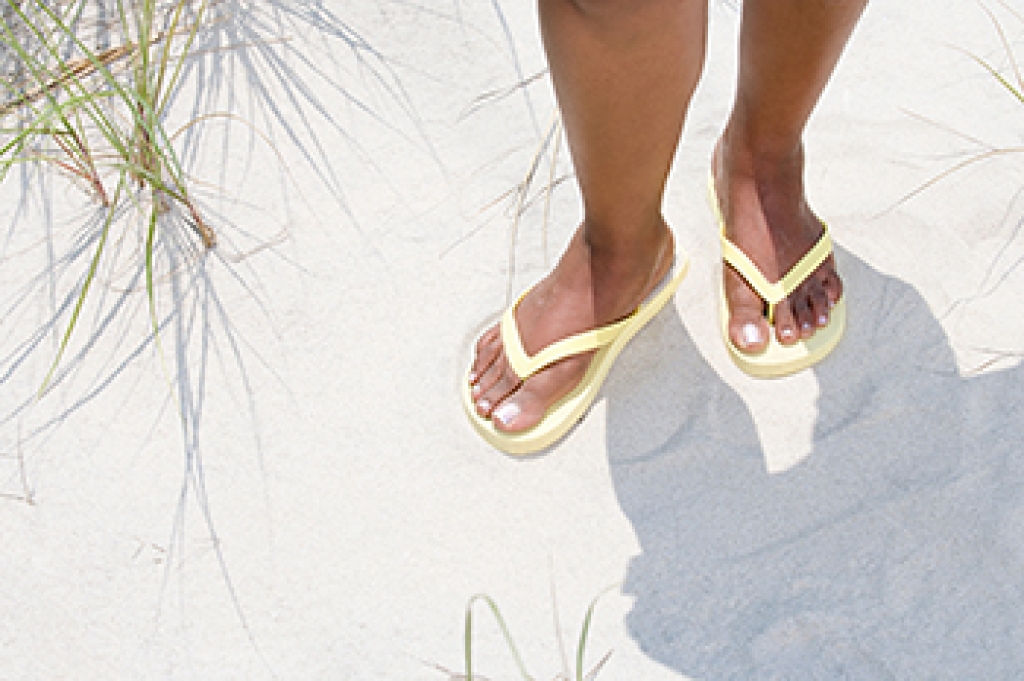
Flip-flops, while popular for their convenience and comfort, can negatively affect foot biomechanics and gait. These minimalistic shoes offer limited support and cushioning, leading to poor alignment of the foot and increased stress on the muscles and joints. The lack of arch support and cushioning can cause abnormal gait patterns, such as overpronation or supination, which may result in foot pain or discomfort. Additionally, the loose fit of flip-flops requires constant gripping with the toes to keep them on, which can strain the foot muscles and contribute to imbalance. Over time, frequent use of flip-flops may worsen existing foot problems or lead to new issues such as plantar fasciitis or metatarsalgia. If you have developed one or more foot conditions from wearing flip-flops, it is suggested that you consult a podiatrist for effective treatment.
Flip-flops are not always the best choice of footwear. If you have any concerns about your feet or ankles, contact Rahil Baxamusa, DPM from Illinois. Our doctor will assist you with all of your foot and ankle needs.
Flip-Flops and Feet
When the weather starts warming up, people enjoy wearing flip-flops. Flip-flops are comfortable, stylish, and easy to slip on and off; they're perfect for any summer beach goer. However, these shoes can cause harm to the feet.
How Can Flip-Flops Affect Me Long-Term?
Ankle problems
Hip problems
Lower back problems
Pain in the balls of the feet
Problems with foot arches
Changes in the way you walk
Are There Injuries Associated with Flip-Flops?
Yes. Since flip-flops are relatively weak and do not provide the same amount of support as sneakers, people who wear flip-flops regularly are more susceptible to injuries. On top of that, the open nature of the shoe makes your feet more prone to other problems, such as cuts and even infections. Common injuries and ailments include:
Sprained ankles
Blisters
Infections
Cuts and Scrapes
I like Wearing Flip-Flops. Are There Safe Alternatives?
When buying flip-flops, try to find ones that have sturdy soles and that are made of high-quality materials that will support for your feet. These flip-flops will cost more but will also last longer as a result.
If you have any questions, please feel free to contact our office located in Crystal Lake, IL. We offer the newest diagnostic and treatment technologies for all your foot care needs.