The Relationship Between Arthritis and Bunions

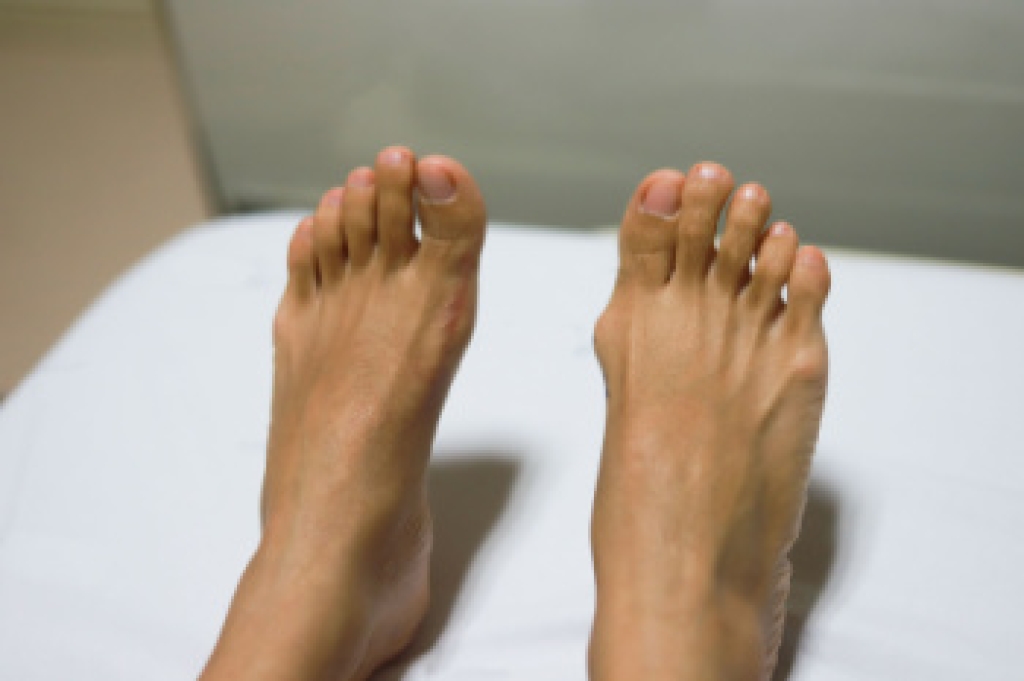
Arthritis, encompassing various inflammatory conditions, can contribute to bunion formation, affecting the feet in distinct ways. A bunion, characterized by a bony protrusion at the base of the big toe, often results from joint misalignment. Types of arthritis such as rheumatoid arthritis, osteoarthritis, psoriatic arthritis, and gout can all play a role in its development. Rheumatoid arthritis induces joint damage and inflammation, leading to joint instability and eventual bunion formation. Osteoarthritis contributes by wearing down cartilage, promoting joint misalignment. Psoriatic arthritis, a condition linked to psoriasis, can also cause bunion formation, often accompanied by inflammation in toes. Additionally, gout, characterized by sudden, intense joint pain, commonly targets the big toe joint, potentially leading to bunion development. A podiatrist's involvement is important in managing arthritis-related bunions. They can provide personalized treatment plans, including pain management strategies, footwear recommendations, custom orthotic devices, and surgical options if necessary, ensuring optimal foot health and mobility. If you have a painful bunion, it is suggested that you schedule an appointment with a podiatrist who can help you to manage this and other arthritis-related foot conditions.

If you are suffering from bunions, contact Rahil Baxamusa, DPM of Illinois. Our doctor can provide the care you need to keep you pain-free and on your feet.

What Is a Bunion?

A bunion is formed of swollen tissue or an enlargement of boney growth, usually located at the base joint of the toe that connects to the foot. The swelling occurs due to the bones in the big toe shifting inward, which impacts the other toes of the foot. This causes the area around the base of the big toe to become inflamed and painful.

Why Do Bunions Form?

Genetics – Susceptibility to bunions are often hereditary

Stress on the feet – Poorly fitted and uncomfortable footwear that places stress on feet, such as heels, can worsen existing bunions

How Are Bunions Diagnosed?

Doctors often perform two tests – blood tests and x-rays – when trying to diagnose bunions, especially in the early stages of development. Blood tests help determine if the foot pain is being caused by something else, such as arthritis, while x-rays provide a clear picture of your bone structure to your doctor.

How Are Bunions Treated?

  • Refrain from wearing heels or similar shoes that cause discomfort
  • Select wider shoes that can provide more comfort and reduce pain
  • Anti-inflammatory and pain management drugs
  • Orthotics or foot inserts
  • Surgery

If you have any questions, please feel free to contact our office located in Crystal Lake, IL . We offer the newest diagnostic and treatment technologies for all your foot care needs.

Read more about Bunions

Are You Suffering From Nerve Damage?

Neuropathy is a condition that can lead to numbness or loss of sensation in the feet, but it can also cause pain. This condition is more likely to develop for those who are diabetic, obese, or with high blood pressure.

Osteoporosis and Fractures of the Feet

Osteoporosis isn't just about fragile bones. It can impact balance, leading to falls and injuries beyond just the ankle and foot. Even without a specific foot or ankle injury, you might notice pain and swelling in these areas, signaling potential bone issues. Several factors contribute to the likelihood of developing osteoporosis, some within your control and others not. Age is a significant factor, with the risk rising notably for women over 50 and men over 70. Women are more predisposed to osteoporosis and genetics can further increase the risk. While you can't change your age, gender, or genetics, certain lifestyle factors help to reduce your risk. A balanced diet rich in essential nutrients helps maintain bone strength. Hormonal changes, such as low estrogen levels in women and testosterone in men, can affect bone mass and should be monitored. Excessive alcohol consumption and smoking can weaken bones and overall health. Regular exercise, especially weight-bearing activities, can strengthen bones and improve bone density. Even moderate daily exercise, like taking a walk, can make a significant difference in bone health. By understanding these factors and making informed choices, you can take proactive steps to protect your bone health and minimize the risk of osteoporosis-related complications in your feet. If you are experiencing foot or ankle pain that may be connected to osteoporosis, it is suggested that you make an appointment with a podiatrist for an exam and treatment options. 

A broken foot requires immediate medical attention and treatment. If you need your feet checked, contact Rahil Baxamusa, DPM from Illinois. Our doctor can provide the care you need to keep you pain-free and on your feet.

Broken Foot Causes, Symptoms, and Treatment

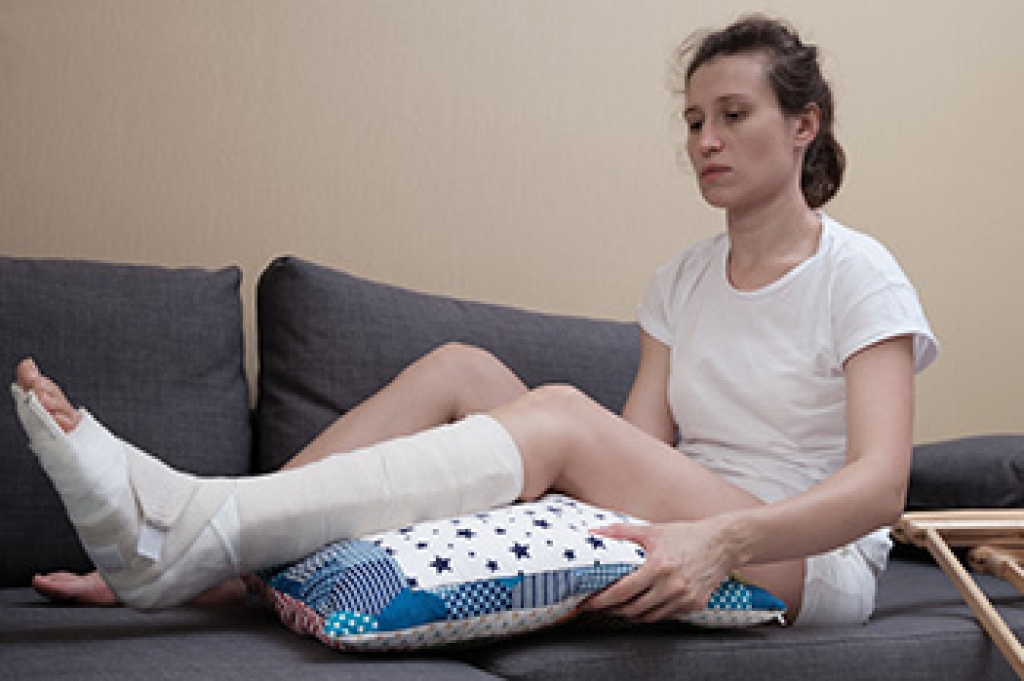
A broken foot is caused by one of the bones in the foot typically breaking when bended, crushed, or stretched beyond its natural capabilities. Usually the location of the fracture indicates how the break occurred, whether it was through an object, fall, or any other type of injury. 

Common Symptoms of Broken Feet:

  • Bruising
  • Pain
  • Redness
  • Swelling
  • Blue in color
  • Numbness
  • Cold
  • Misshapen
  • Cuts
  • Deformities

Those that suspect they have a broken foot shoot seek urgent medical attention where a medical professional could diagnose the severity.

Treatment for broken bones varies depending on the cause, severity and location. Some will require the use of splints, casts or crutches while others could even involve surgery to repair the broken bones. Personal care includes the use of ice and keeping the foot stabilized and elevated.

If you have any questions, please feel free to contact our office located in Crystal Lake, IL . We offer the newest diagnostic and treatment technologies for all your foot care needs.
Read more about Causes, Symptoms, and Treatment for a Broken Foot

Sever’s Disease and Children’s Heel Pain

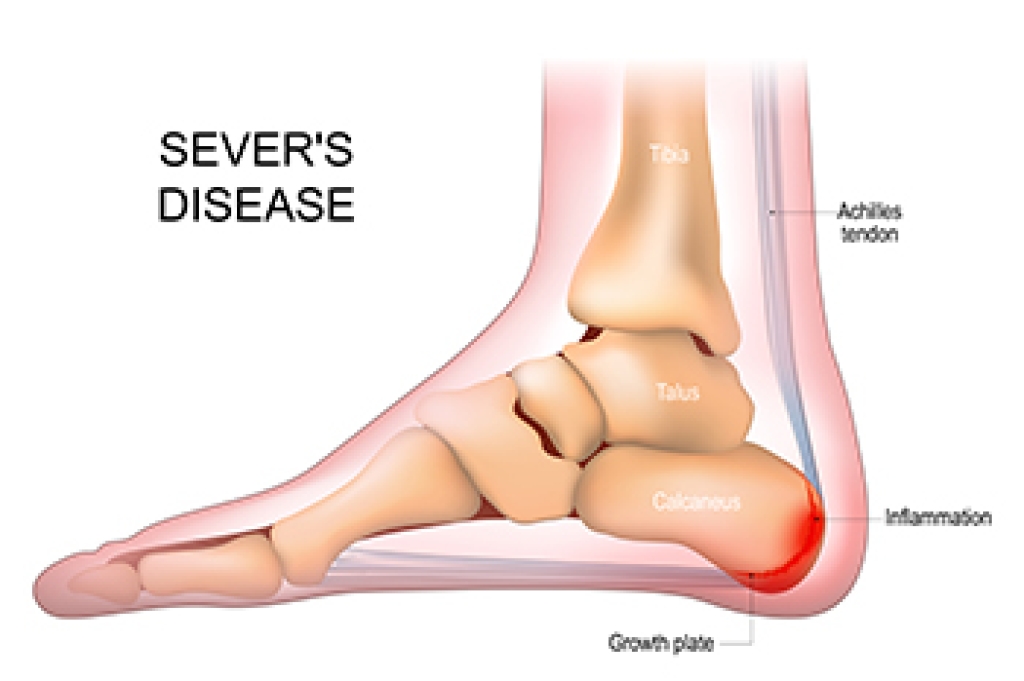
Sever's disease, also known as calcaneal apophysitis, is a common cause of heel pain in growing children and adolescents, especially in those who play sports. This condition occurs when the growth plate in the heel becomes inflamed, often due to repetitive stress from activities like running and jumping. This, combined with the pressure of rapid bone growth during puberty, can create painful heels. The pain may worsen during or after physical activity and include tenderness to the touch. It may also lead to limping, especially after waking up or more intense physical activities. Treatment typically involves rest and various exercises that stretch and strengthen the leg muscles and tendons. Footwear with proper cushioning and support is also suggested to help alleviate symptoms. With appropriate management, symptoms usually resolve with the completion of the growth spurt, as the heel bone matures. If your child has painful heels and you suspect Sever’s disease, it is suggested that you make an appointment with a podiatrist for a diagnosis and management techniques. 

Sever's disease often occurs in children and teens. If your child is experiencing foot or ankle pain, see Rahil Baxamusa, DPM from Illinois. Our doctor can treat your child’s foot and ankle needs.

Sever’s Disease

Sever’s disease is also known as calcaneal apophysitis, which is a medical condition that causes heel pain I none or both feet. The disease is known to affect children between the ages of 8 and 14.

Sever’s disease occurs when part of the child’s heel known as the growth plate (calcaneal epiphysis) is attached to the Achilles tendon. This area can suffer injury when the muscles and tendons of the growing foot do not keep pace with bone growth. Therefore, the constant pain which one experiences at the back of the heel will make the child unable to put any weight on the heel. The child is then forced to walk on their toes.

Symptoms

Acute pain – Pain associated with Sever’s disease is usually felt in the heel when the child engages in physical activity such as walking, jumping and or running.

Highly active – Children who are very active are among the most susceptible in experiencing Sever’s disease, because of the stress and tension placed on their feet.

If you have any questions, please feel free to contact our office located in Crystal Lake, IL . We offer the newest diagnostic and treatment technologies for all your foot care needs.

Read more about Sever's Disease

Origins of Blisters on the Feet

Blisters on the feet can be an unwelcome nuisance, often causing discomfort and hindering mobility. These fluid-filled sacs typically form in response to friction or repetitive rubbing against the skin. When excessive pressure or irritation occurs, the outer layer of the skin separates from the underlying tissue, creating a protective bubble filled with fluid. Common culprits behind blister formation include wearing ill-fitting shoes, prolonged periods of walking or running, and friction caused by sweaty or damp conditions. Additionally, certain activities, such as hiking or wearing new shoes without proper breaking in, can increase the likelihood of developing blisters. Individuals with foot deformities or abnormalities may also be more prone to blister formation due to uneven pressure distribution. If you have a blister on your foot that has become infected, it is suggested that you consult a podiatrist who can safely treat it and provide effective prevention techniques for future knowledge.

Blisters may appear as a single bubble or in a cluster. They can cause a lot of pain and may be filled with pus, blood, or watery serum. If your feet are hurting, contact Rahil Baxamusa, DPM of Illinois. Our doctor can provide the care you need to keep you pain-free and on your feet.

Foot Blisters

Foot blisters are often the result of friction. This happens due to the constant rubbing from shoes, which can lead to pain.

What Are Foot Blisters?

A foot blister is a small fluid-filled pocket that forms on the upper-most layer of the skin. Blisters are filled with clear fluid and can lead to blood drainage or pus if the area becomes infected.

Symptoms

(Blister symptoms may vary depending on what is causing them)

  • Bubble of skin filled with fluid
  • Redness
  • Moderate to severe pain
  • Itching

Prevention & Treatment

In order to prevent blisters, you should be sure to wear comfortable shoes with socks that cushion your feet and absorb sweat. Breaking a blister open may increase your chances of developing an infection. However, if your blister breaks, you should wash the area with soap and water immediately and then apply a bandage to the affected area. If your blisters cause severe pain it is important that you call your podiatrist right away.

If you have any questions, please feel free to contact our office located in Crystal Lake, IL . We offer the newest diagnostic and treatment technologies for all your foot care needs.

Read more about Blisters

Causes of Big Toe Joint Pain

Big toe joint pain can be a nagging and debilitating issue, affecting mobility and daily activities. Understanding the root causes is imperative to finding effective relief and restoring comfort to your feet. One common culprit is osteoarthritis, a degenerative joint disease characterized by the breakdown of cartilage in the joints. When osteoarthritis affects the big toe joint, it can lead to pain, stiffness, and swelling, particularly during movement or weight-bearing activities. Another potential cause is gout, a type of arthritis caused by the buildup of uric acid crystals in the joints, resulting in sudden and intense pain in the big toe joint. Additionally, injuries such as sprains or fractures, as well as conditions like bunions or sesamoiditis, can contribute to big toe joint pain. Identifying the specific cause through a thorough evaluation by a podiatrist is essential for developing an appropriate treatment plan tailored to your needs. If you have big toe pain, it is suggested that you consult a podiatrist who can accurately determine what the cause is, and offer appropriate treatment methods.

Toe pain can disrupt your daily activities. If you have any concerns, contact Rahil Baxamusa, DPM of Illinois. Our doctor can provide the care you need to keep you pain-free and on your feet.

What Causes Toe Pain?

Most severe toe pain is caused due to a sports injury, trauma from dropping something heavy on the toe, or bumping into something rigid. Other problems can develop over time for various reasons.

Toe pain can be caused by one or more ailments. The most common include:

  • Trauma
  • Sports injury
  • Wearing shoes that are too tight
  • Arthritis
  • Gout
  • Corns and calluses
  • Hammertoe
  • Bunions
  • Blisters
  • Ingrown toenails
  • Sprains
  • Fractures (broken bones)
  • Dislocations

When to See a Podiatrist

  • Severe pain
  • Persistent pain that lasts more than a week
  • Signs of infection
  • Continued swelling
  • Pain that prevents walking

Diagnosis

In many cases the cause of toe pain is obvious, but in others, a podiatrist may want to use more advanced methods to determine the problem. These can range from simple visual inspections and sensation tests to X-rays and MRI scans. Prior medical history, family medical history, and any recent physical traumatic events will all be taken into consideration for a proper diagnosis.

Treatment

Treatments for toe pain and injuries vary and may include shoe inserts, padding, taping, medicines, injections, and in some cases, surgery. If you believe that you have broken a toe, please see a podiatrist as soon as possible.

If you have any questions please contact our office located in Crystal Lake, IL . We offer the newest diagnostic and treatment technologies for all your foot and ankle needs.

Read more about Toe Pain

Reminder: When Was the Last Time...?

Custom orthotics, or shoe inserts, should be periodically replaced. Orthotics must fit properly to give you the best results. Protect your feet and ankles!

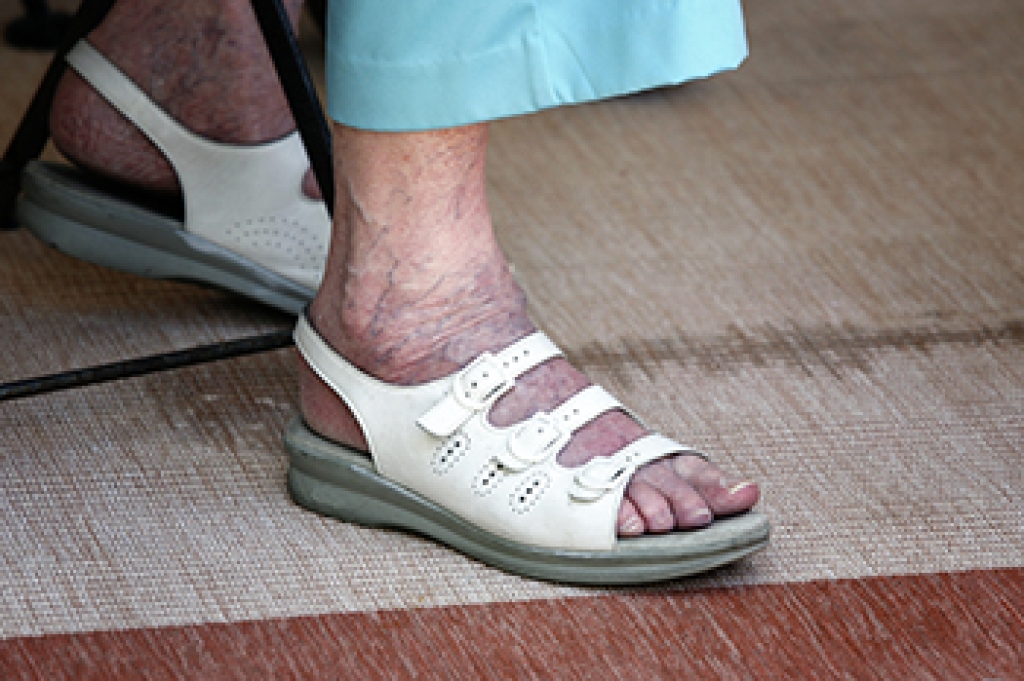
The Importance of Caring for Elderly Feet

Elderly feet require special attention and care due to the natural aging process and the accumulation of years of wear and tear. As individuals age, the skin becomes thinner and loses elasticity, making it more susceptible to injury and infection. Conditions like arthritis and diabetes, common among the elderly, further compound foot health issues, increasing the risk of complications such as neuropathy, deformities, and slow wound healing. Reduced mobility and circulation also contribute to foot ailments, including swelling, stiffness, and decreased sensation. Neglecting foot health can lead to discomfort, pain, and mobility limitations, significantly impacting quality of life. Regular foot inspections, proper hygiene, and wearing supportive footwear are essential preventative measures. Seeking prompt medical attention for any signs of infection, injury, or discomfort is essential to prevent complications and maintain overall well-being. If you are a senior, or caring for an elderly individual, it is suggested that routine visits are made to a podiatrist where various foot conditions can be treated.

Proper foot care is something many older adults forget to consider. If you have any concerns about your feet and ankles, contact Rahil Baxamusa, DPM from Illinois. Our doctor can provide the care you need to keep you pain-free and on your feet.

The Elderly and Their Feet

As we age we start to notice many changes in our body, but the elder population may not notice them right away. Medical conditions may prevent the elderly to take notice of their foot health right away. Poor vision is a lead contributor to not taking action for the elderly.

Common Conditions 

  • Neuropathy – can reduce feeling in the feet and can hide many life-threatening medical conditions.
  • Reduced flexibility – prevents the ability of proper toenail trimming, and foot cleaning. If left untreated, it may lead to further medical issues.
  • Foot sores – amongst the older population can be serious before they are discovered. Some of the problematic conditions they may face are:
  • Gouging toenails affecting nearby toe
  • Shoes that don’t fit properly
  • Pressure sores
  • Loss of circulation in legs & feet
  • Edema & swelling of feet and ankles

Susceptible Infections

Diabetes and poor circulation can cause general loss of sensitivity over the years, turning a simple cut into a serious issue.

If you have any questions, please feel free to contact our office located in Crystal Lake, IL . We offer the newest diagnostic and treatment technologies for all your foot care needs.

Read more about Elderly and their Feet

Common Causes of Ankle Pain

Ankle pain, a prevalent discomfort that can significantly impede daily activities, stems from various underlying factors. One primary cause is ankle sprains, resulting from sudden twists or rolls of the foot, leading to ligament damage and inflammation. Similarly, overuse injuries, such as tendinitis, occur when tendons become inflamed due to repetitive stress or strain, commonly observed in athletes or individuals engaged in strenuous physical activities. Additionally, arthritis, a condition characterized by joint inflammation, can affect the ankle joint, causing pain, stiffness, and swelling. Fractures, often caused by falls, accidents, or high-impact injuries, also contribute to ankle pain, necessitating immediate medical attention. Furthermore, conditions like Achilles tendinitis, plantar fasciitis, and nerve compression syndromes can manifest as ankle discomfort. If you have ankle pain, it is suggested that you visit a podiatrist who can determine what the cause is, and offer you effective relief and treatment options.

Ankle pain can be caused by a number of problems and may be potentially serious. If you have ankle pain, consult with Rahil Baxamusa, DPM from Illinois. Our doctor will assess your condition and provide you with quality foot and ankle treatment.

Ankle pain is any condition that causes pain in the ankle. Due to the fact that the ankle consists of tendons, muscles, bones, and ligaments, ankle pain can come from a number of different conditions.

Causes

The most common causes of ankle pain include:

  • Types of arthritis (rheumatoid, osteoarthritis, and gout)
  • Ankle sprains
  • Broken ankles
  • Achilles tendonitis
  • Achilles tendon rupture
  • Stress fractures
  • Bursitis
  • Tarsal tunnel syndrome
  • Plantar fasciitis

Symptoms

Symptoms of ankle injury vary based upon the condition. Pain may include general pain and discomfort, swelling, aching, redness, bruising, burning or stabbing sensations, and/or loss of sensation.

Diagnosis

Due to the wide variety of potential causes of ankle pain, podiatrists will utilize a number of different methods to properly diagnose ankle pain. This can include asking for personal and family medical histories and of any recent injuries. Further diagnosis may include sensation tests, a physical examination, and potentially x-rays or other imaging tests.

Treatment

Just as the range of causes varies widely, so do treatments. Some more common treatments are rest, ice packs, keeping pressure off the foot, orthotics and braces, medication for inflammation and pain, and surgery.

If you have any questions please feel free to contact our office located in Crystal Lake, IL . We offer the newest diagnostic tools and technology to treat your foot and ankle needs.

Read more about Various Causes of Ankle Pain

Facts About Cuboid Syndrome

Cuboid syndrome, a lesser-known foot ailment, often eludes mainstream attention. However, its impact can be significant for those affected. This condition occurs when the cuboid bone, situated in the outer midfoot, becomes dislocated or irritated, leading to discomfort and limited mobility. Typically overlooked or misdiagnosed, Cuboid syndrome manifests through symptoms like pain along the outer foot, swelling, and difficulty in bearing weight. One of the perplexing aspects of cuboid syndrome is its elusive nature, often mimicking other foot conditions, complicating accurate diagnosis. It commonly arises from activities involving repetitive stress or sudden trauma to the foot, such as running, dancing, or jumping. Additionally, certain foot structures and gait abnormalities can predispose individuals to this syndrome. Despite its obscurity, recognizing the signs and seeking timely treatment is critical for managing cuboid syndrome effectively. If you have pain in this part of your foot, it is suggested that you consult a podiatrist who can accurately diagnose and treat cuboid syndrome.

Cuboid syndrome, also known as cuboid subluxation, occurs when the joints and ligaments near the cuboid bone in the foot become torn. If you have cuboid syndrome, consult with Rahil Baxamusa, DPM from Illinois. Our doctor will assess your condition and provide you with quality foot and ankle treatment.

Cuboid syndrome is a common cause of lateral foot pain, which is pain on the outside of the foot. The condition may happen suddenly due to an ankle sprain, or it may develop slowly overtime from repetitive tension through the bone and surrounding structures.

Causes

The most common causes of cuboid syndrome include:

  • Injury – The most common cause of this ailment is an ankle sprain.
  • Repetitive Strain – Tension placed through the peroneus longus muscle from repetitive activities such as jumping and running may cause excessive traction on the bone causing it to sublux.
  • Altered Foot Biomechanics – Most people suffering from cuboid subluxation have flat feet.

Symptoms

A common symptom of cuboid syndrome is pain along the outside of the foot which can be felt in the ankle and toes. This pain may create walking difficulties and may cause those with the condition to walk with a limp.

Diagnosis

Diagnosis of cuboid syndrome is often difficult, and it is often misdiagnosed. X-rays, MRIs and CT scans often fail to properly show the cuboid subluxation. Although there isn’t a specific test used to diagnose cuboid syndrome, your podiatrist will usually check if pain is felt while pressing firmly on the cuboid bone of your foot.

Treatment

Just as the range of causes varies widely, so do treatments. Some more common treatments are ice therapy, rest, exercise, taping, and orthotics.

If you have any questions, please feel free to contact our office located in Crystal Lake, IL . We offer the newest diagnostic and treatment technologies for all your foot care needs.

Read more about All About Cuboid Syndrome

Connect With Us