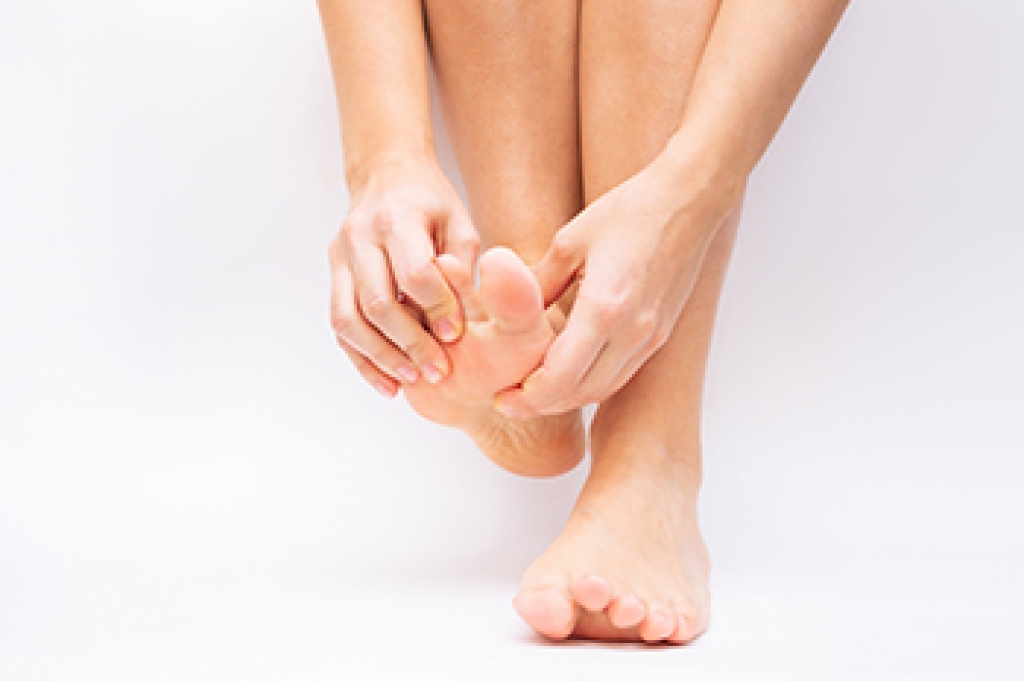
My Big Toe Hurts

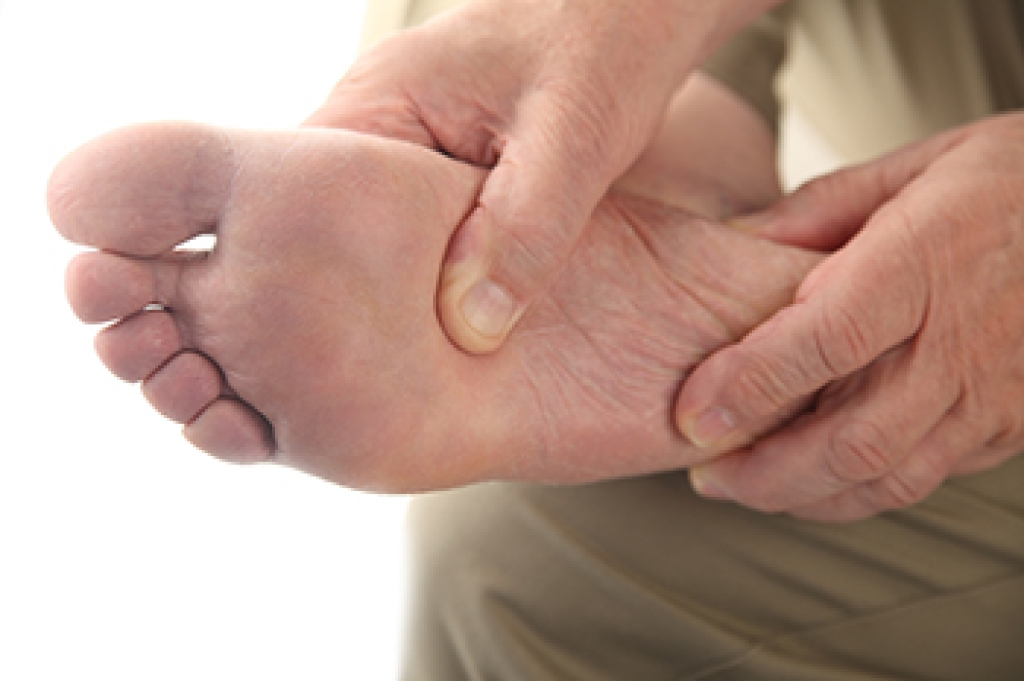
An injury that occurs to the big toe can wreak havoc on people who enjoy running. Toe pain can be a common injury that may cause difficulty maintaining leverage while running. There are several joints in the big toe, and they work together to create balance. Older people may experience toe injuries more frequently than younger runners due to degenerative joint changes that occur with aging. There are various reasons for big toe pain, including a form of arthritis known as hallux rigidus. A bunion can also cause big toe pain as the toe may gradually shift toward the smaller toes. Additionally, the condition known as turf toe can be more common among athletes and may cause damage to the ligaments. If you have toe pain for any reason, it is suggested that you seek the counsel of a podiatrist who can effectively diagnose and treat your ailment.

Toe pain can disrupt your daily activities. If you have any concerns, contact Rahil Baxamusa, DPM of Illinois. Our doctor can provide the care you need to keep you pain-free and on your feet.

What Causes Toe Pain?

Most severe toe pain is caused due to a sports injury, trauma from dropping something heavy on the toe, or bumping into something rigid. Other problems can develop over time for various reasons.

Toe pain can be caused by one or more ailments. The most common include:

  • Trauma
  • Sports injury
  • Wearing shoes that are too tight
  • Arthritis
  • Gout
  • Corns and calluses
  • Hammertoe
  • Bunions
  • Blisters
  • Ingrown toenails
  • Sprains
  • Fractures (broken bones)
  • Dislocations

When to See a Podiatrist

  • Severe pain
  • Persistent pain that lasts more than a week
  • Signs of infection
  • Continued swelling
  • Pain that prevents walking

Diagnosis

In many cases the cause of toe pain is obvious, but in others, a podiatrist may want to use more advanced methods to determine the problem. These can range from simple visual inspections and sensation tests to X-rays and MRI scans. Prior medical history, family medical history, and any recent physical traumatic events will all be taken into consideration for a proper diagnosis.

Treatment

Treatments for toe pain and injuries vary and may include shoe inserts, padding, taping, medicines, injections, and in some cases, surgery. If you believe that you have broken a toe, please see a podiatrist as soon as possible.

If you have any questions please contact our office located in Crystal Lake, IL . We offer the newest diagnostic and treatment technologies for all your foot and ankle needs.

Read more about Toe Pain

Where Is a Plantar Wart Found?

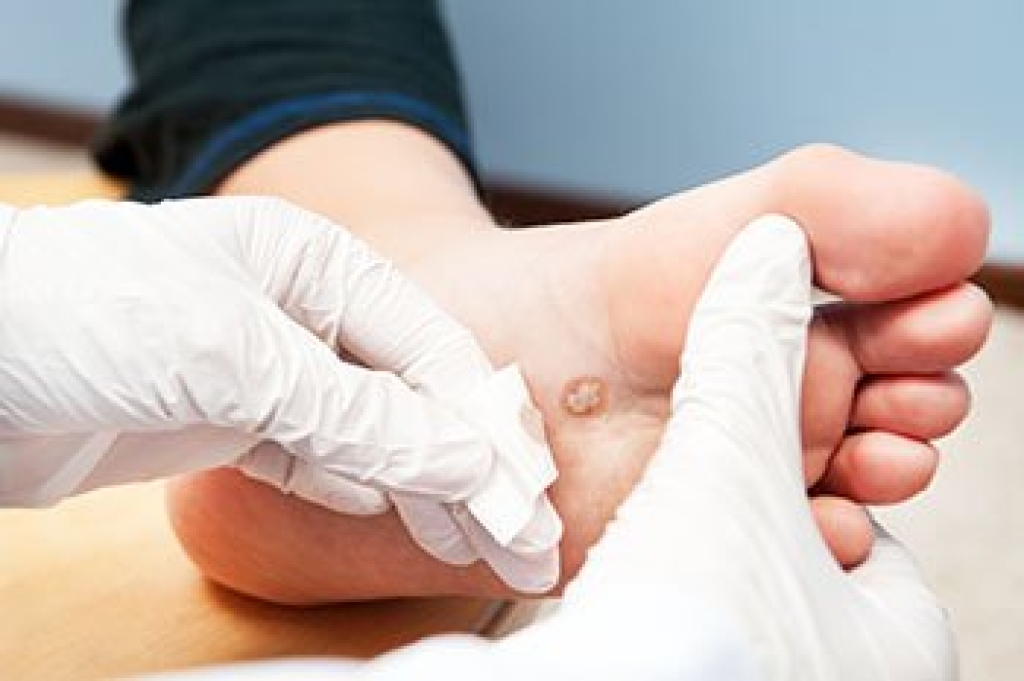
Plantar warts can cause a considerable amount of pain and discomfort. They occur when the human papillomavirus, which is abbreviated as HPV, enters the body through small cracks in the skin on the feet. They are found on the soles of the feet and grow inward as a result of the weight the feet endure while walking and running, possibly causing severe pain. A plantar wart is a small bump with a rough consistency, and it often has small black dots in the center. Certain people may be prone to getting a plantar wart, including people who have a weakened immune system, or it may come from sharing shoes, towels, and socks. There are various treatment methods that can be used on plantar warts, and it is suggested that you confer with a podiatrist who can determine what the best course of treatment is for you. 

Plantar warts can be very uncomfortable. If you need your feet checked, contact Rahil Baxamusa, DPM from Illinois. Our doctor will assist you with all of your foot and ankle needs.

About Plantar Warts

Plantar warts are the result of HPV, or human papillomavirus, getting into open wounds on the feet. They are mostly found on the heels or balls of the feet.

While plantar warts are generally harmless, those experiencing excessive pain or those suffering from diabetes or a compromised immune system require immediate medical care. Plantar warts are easily diagnosed, usually through scraping off a bit of rough skin or by getting a biopsy.

Symptoms

  • Lesions on the bottom of your feet, usually rough and grainy
  • Hard or thick callused spots
  • Wart seeds, which are small clotted blood vessels that look like little black spots
  • Pain, discomfort, or tenderness of your feet when walking or standing

Treatment

  • Freezing
  • Electric tool removal
  • Laser Treatment
  • Topical Creams (prescription only)
  • Over-the-counter medications

To help prevent developing plantar warts, avoid walking barefoot over abrasive surfaces that can cause cuts or wounds for HPV to get into. Avoiding direct contact with other warts, as well as not picking or rubbing existing warts, can help prevent the further spread of plantar warts. However, if you think you have developed plantar warts, speak to your podiatrist. He or she can diagnose the warts on your feet and recommend the appropriate treatment options.

If you have any questions, please feel free to contact our office located in Crystal Lake, IL . We offer the newest diagnostic and treatment technologies for all your foot care needs.

Read more about All About Plantar Warts

Heel Pain in the Morning?

Heel pain can negatively affect your day-to-day life. Simple activities like walking can become incredibly uncomfortable or painful due to heel pain.

Don’t live with heel pain and get treated.

Chunky Heels May Be Ideal for High Heel Wearers

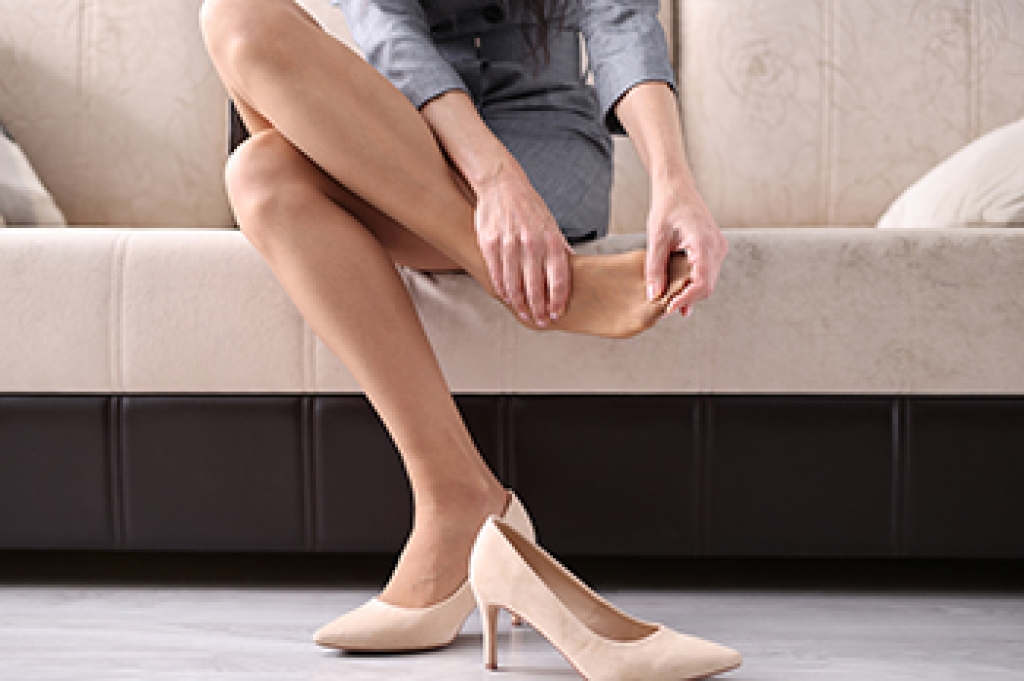
Many women enjoy wearing high heels for the style. Studies have even indicated that women who frequently wear high heels have sensed a renewed confidence level, in addition gaining a few inches in height. Despite these seemingly positive aspects, high heels can be uncomfortable, possibly causing painful foot conditions. These types of shoes come in various shapes and colors, and it is possible that stylish, yet comfortable high heels can be worn. This can be done by choosing a shoe that has a lower heel and a platform under the toe, which can be successful in giving the illusion of wearing a larger heel. The chunky heel, also known as the block heel, is a popular choice among women who wear high heels for the majority of the day. The feet often feel better in these types of shoes, and harmful foot conditions may be prevented. If you have questions about what type of high heel is best to wear for the health of the foot, please ask a podiatrist who can provide you with the information you are seeking. 

High heels have a history of causing foot and ankle problems. If you have any concerns about your feet or ankles, contact Rahil Baxamusa, DPM from Illinois. Our doctor can provide the care you need to keep you pain-free and on your feet.

Effects of High Heels on the Feet

High heels are popular shoes among women because of their many styles and societal appeal.  Despite this, high heels can still cause many health problems if worn too frequently.

Which Parts of My Body Will Be Affected by High Heels?

  • Ankle Joints
  • Achilles Tendon – May shorten and stiffen with prolonged wear
  • Balls of the Feet
  • Knees – Heels cause the knees to bend constantly, creating stress on them
  • Back – They decrease the spine’s ability to absorb shock, which may lead to back pain.  The vertebrae of the lower back may compress.

What Kinds of Foot Problems Can Develop from Wearing High Heels?

  • Corns
  • Calluses
  • Hammertoe
  • Bunions
  • Morton’s Neuroma
  • Plantar Fasciitis

How Can I Still Wear High Heels and Maintain Foot Health?

If you want to wear high heeled shoes, make sure that you are not wearing them every day, as this will help prevent long term physical problems.  Try wearing thicker heels as opposed to stilettos to distribute weight more evenly across the feet.  Always make sure you are wearing the proper shoes for the right occasion, such as sneakers for exercising.  If you walk to work, try carrying your heels with you and changing into them once you arrive at work.  Adding inserts to your heels can help cushion your feet and absorb shock. Full foot inserts or metatarsal pads are available. 

If you have any questions, please feel free to contact our office located in Crystal Lake, IL . We offer the newest diagnostic and treatment technologies for all your foot care needs.

Read more about Effect of High Heels on the Feet

Several Reasons Why Blisters Form on the Feet

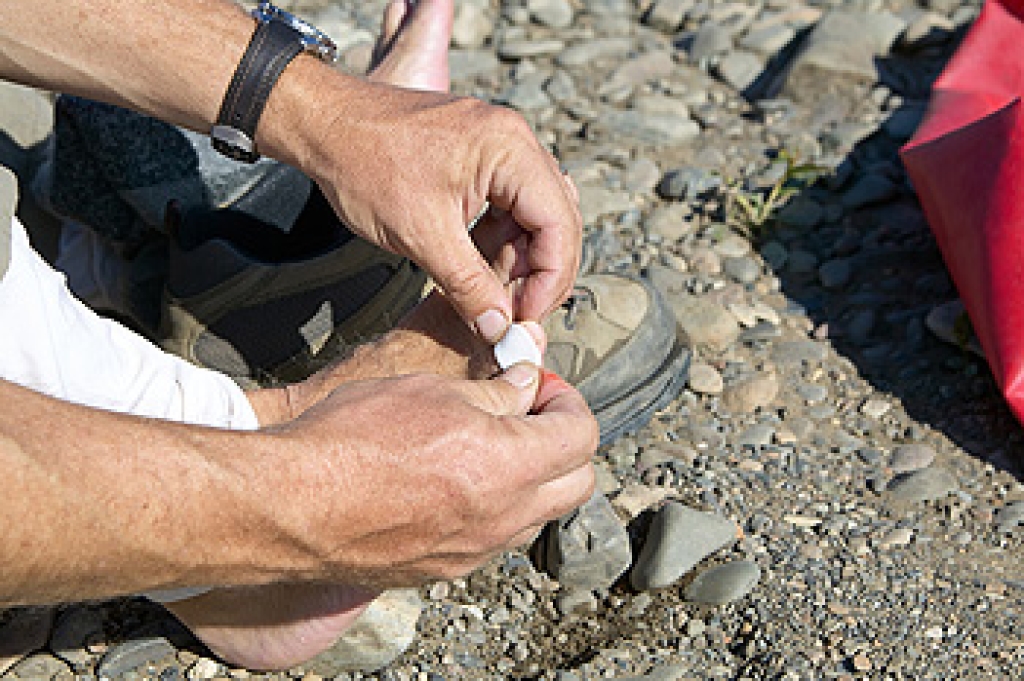
Blisters on the feet are common. Many people experience this uncomfortable condition as a result of wearing shoes that do not fit correctly. Blisters are caused by excessive friction, and may easily become infected if not cared for properly. A blister is defined as a small area, which resembles a bubble that is filled with fluid and develops over the raw skin. It is the body’s natural method of protecting the area until new skin has formed, and will drain gradually when it is no longer needed. While the blister is intact, it is beneficial to wear a protective covering over it, which may help to keep it from draining prematurely. Blisters can form for other reasons, including existing medical conditions, such as eczema or psoriasis, or they can occur as an allergic reaction to an insect bite. There are various types of bandages and prevention methods for blisters, and it is suggested to consult with a podiatrist if you would like to learn more about how to manage blisters on the feet.

Blisters may appear as a single bubble or in a cluster. They can cause a lot of pain and may be filled with pus, blood, or watery serum. If your feet are hurting, contact Rahil Baxamusa, DPM of Illinois. Our doctor can provide the care you need to keep you pain-free and on your feet.

Foot Blisters

Foot blisters are often the result of friction. This happens due to the constant rubbing from shoes, which can lead to pain.

What Are Foot Blisters?

A foot blister is a small fluid-filled pocket that forms on the upper-most layer of the skin. Blisters are filled with clear fluid and can lead to blood drainage or pus if the area becomes infected.

Symptoms

(Blister symptoms may vary depending on what is causing them)

  • Bubble of skin filled with fluid
  • Redness
  • Moderate to severe pain
  • Itching

Prevention & Treatment

In order to prevent blisters, you should be sure to wear comfortable shoes with socks that cushion your feet and absorb sweat. Breaking a blister open may increase your chances of developing an infection. However, if your blister breaks, you should wash the area with soap and water immediately and then apply a bandage to the affected area. If your blisters cause severe pain it is important that you call your podiatrist right away.

If you have any questions, please feel free to contact our office located in Crystal Lake, IL . We offer the newest diagnostic and treatment technologies for all your foot care needs.

Read more about Blisters on the Feet

Are Your Shoes Correct for Your Running Style?

There are various forms of running and most require a specific type of running shoe to be worn. Running can range from training for a marathon to a new hobby. Studies suggest that it is beneficial to begin the process of purchasing running shoes by examining the wear patterns on existing shoes. A person who pronates normally will often notice wear and tear on the sole where the ball of the foot is. If there is excessive wear on the inside of the sole, the runner may have overpronation. Conversely, wear on the outside of the sole can indicate underpronation, and knowing these patterns can make it easier to choose running shoes that fit correctly. Additionally, it is beneficial to decide what surface you will be running on, such as trail, road, or treadmill running. Buying running shoes can be overwhelming, so it is suggested that you confer with a podiatrist who can provide additional information as well as their recommendation for you. 

If you are a runner, wearing the right running shoe is essential. For more information, contact Rahil Baxamusa, DPM from Illinois. Our doctor can provide the care you need to keep you pain-free and on your feet.

Choosing the Right Running Shoe for Your Foot Type

To increase performance and avoid the risk of injury, it is important to choose the right running shoe based on your foot type. The general design of running shoes revolves around pronation, which is how the ankle rolls from outside to inside when the foot strikes the ground.

  • Neutral runners are able to choose from a wide variety of shoes, including minimalist shoes or even going barefoot.
  • Runners who overpronate, or experience an over-abundance of ankle rolling, should choose shoes that provide extra motion control and stability.
  • Runners who underpronate, or supinate, have feet that have high arches and lack flexibility, preventing shock absorption. They require shoes with more flexibility and cushion.

If you have any questions, please feel free to contact our office located in Crystal Lake, IL . We offer the newest diagnostic and treatment technologies for all your foot care needs.

Read more about Choosing the Right Running Shoe for Your Foot Type

Wearing Normal Shoes After a Fracture

When an individual breaks a bone in their feet, they will develop a condition that is known as a fractured foot. A fractured, or broken, foot can make it significantly difficult to put weight on the foot, and a patient may experience pain or discomfort. Often, patients with a fractured foot want to know if they are able to wear their normal shoes or when it is appropriate to do so. Unfortunately, there is no definite or universal answer to this question, as each case of fractured feet is highly specific and unique to each individual. However, as a general rule, someone who fractures their foot might have to wear some kind of medical boot or cast on the affected foot for some time after an injury. During this time, it might not be advisable to wear normal shoes. Although recovery time may vary from case to case, generally, foot fractures may take a few months to fully heal. To get treatment for a fractured foot, contact a podiatrist today.

A broken foot requires immediate medical attention and treatment. If you need your feet checked, contact Rahil Baxamusa, DPM from Illinois. Our doctor can provide the care you need to keep you pain-free and on your feet.

Broken Foot Causes, Symptoms, and Treatment

A broken foot is caused by one of the bones in the foot typically breaking when bended, crushed, or stretched beyond its natural capabilities. Usually the location of the fracture indicates how the break occurred, whether it was through an object, fall, or any other type of injury. 

Common Symptoms of Broken Feet:

  • Bruising
  • Pain
  • Redness
  • Swelling
  • Blue in color
  • Numbness
  • Cold
  • Misshapen
  • Cuts
  • Deformities

Those that suspect they have a broken foot shoot seek urgent medical attention where a medical professional could diagnose the severity.

Treatment for broken bones varies depending on the cause, severity and location. Some will require the use of splints, casts or crutches while others could even involve surgery to repair the broken bones. Personal care includes the use of ice and keeping the foot stabilized and elevated.

If you have any questions, please feel free to contact our office located in Crystal Lake, IL . We offer the newest diagnostic and treatment technologies for all your foot care needs.

Read more about Causes, Symptoms, and Treatment for a Broken Foot

Let the Expert Treat Your Ingrown Toenails

Ingrown toenails can be painful and can make wearing shoes or walking uncomfortable. Seek professional help if you believe you've developed an ingrown toenail and be treated safely. 

Poor Circulation and Health Issues

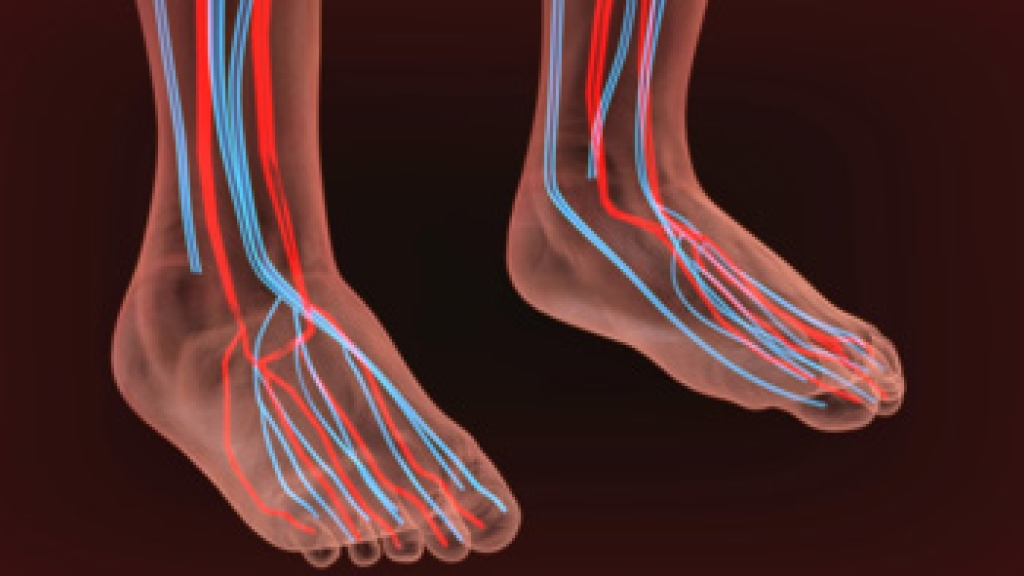
Poor circulation may be common among older people. It may lead to a lack of oxygen, that is intended to reach the extremities, and a numbing or tingling sensation may occur. Some people begin to have memory loss and may cause serious consequences. Common telltale signs you may have poor circulation consists of cold feet, cramps, and joint pain. In addition to becoming fatigued, someone with poor circulation may be concerned with digestive issues. Existing conditions and habits such as obesity, smoking, and drinking excess alcohol may contribute to having poor circulation, and a lifestyle change is often considered. People who are diabetic may be prone to poor circulation, possibly as a result of high glucose levels that may cause damaged blood vessels. If your feet are generally cold, please schedule an appointment with a podiatrist who can guide you toward treatment of poor circulation.

Poor circulation is a serious condition and needs immediate medical attention. If you have any concerns with poor circulation in your feet contact Rahil Baxamusa, DPM of Illinois. Our doctor will treat your foot and ankle needs.

Poor Circulation in the Feet

Poor blood circulation in the feet and legs is can be caused by peripheral artery disease (PAD), which is the result of a buildup of plaque in the arteries.

Plaque buildup or atherosclerosis results from excess calcium and cholesterol in the bloodstream. This can restrict the amount of blood which can flow through the arteries. Poor blood circulation in the feet and legs are sometimes caused by inflammation in the blood vessels, known as vasculitis.

Causes

Lack of oxygen and oxygen from poor blood circulation restricts muscle growth and development. It can also cause:

  • Muscle pain, stiffness, or weakness 
  • Numbness or cramping in the legs
  • Skin discoloration
  • Slower nail & hair growth
  • Erectile dysfunction

Those who have diabetes or smoke are at greatest risk for poor circulation, as are those who are over 50. If you have poor circulation in the feet and legs it may be caused by PAD and is important to make changes to your lifestyle in order to reduce risk of getting a heart attack or stroke. Exercise and maintaining a healthy lifestyle will dramatically improve conditions.

As always, see a podiatrist as he or she will assist in finding a regimen that suits you. A podiatrist can also prescribe you any needed medication. 

If you have any questions, please feel free to contact our office located in Crystal Lake, IL . We offer the newest diagnostic and treatment technologies for all your foot care needs.

Read more about Causes, Symptoms, and Treatment of Poor Blood Circulation in the Feet

Healing Diabetic Foot Ulcers

Diabetic foot ulcers are difficult wounds to heal. The size of the ulcer, gender, and potential infection have been linked to healing time.  Larger ulcers and infections tend to lead to longer wound closure times, and men tend to have slower healing time for wounds. One way to have a positive effect on wound healing is by making sure glucose levels are within normal range. It is particularly important for diabetics to examine their feet daily to check for cuts and scrapes that can lead to ulcers. If you have diabetes, it is suggested that you include a podiatrist on your health care team and get your feet checked regularly.

Diabetic foot care is important in preventing foot ailments such as ulcers. If you are suffering from diabetes or have any other concerns about your feet, contact Rahil Baxamusa, DPM from Illinois. Our doctor can provide the care you need to keep you pain-free and on your feet.

Diabetic Foot Care

Diabetes affects millions of people every year. The condition can damage blood vessels in many parts of the body, especially the feet. Because of this, taking care of your feet is essential if you have diabetes, and having a podiatrist help monitor your foot health is highly recommended.

The Importance of Caring for Your Feet

  • Routinely inspect your feet for bruises or sores.
  • Wear socks that fit your feet comfortably.
  • Wear comfortable shoes that provide adequate support.

Patients with diabetes should have their doctor monitor their blood levels, as blood sugar levels play such a huge role in diabetic care. Monitoring these levels on a regular basis is highly advised.

It is always best to inform your healthcare professional of any concerns you may have regarding your feet, especially for diabetic patients. Early treatment and routine foot examinations are keys to maintaining proper health, especially because severe complications can arise if proper treatment is not applied.

If you have any questions, please feel free to contact our office located in Crystal Lake, IL . We offer the newest diagnostic and treatment technologies for all your foot care needs.

Read more about Diabetic Foot Conditions

Connect With Us