Common Myths About Heel Spurs

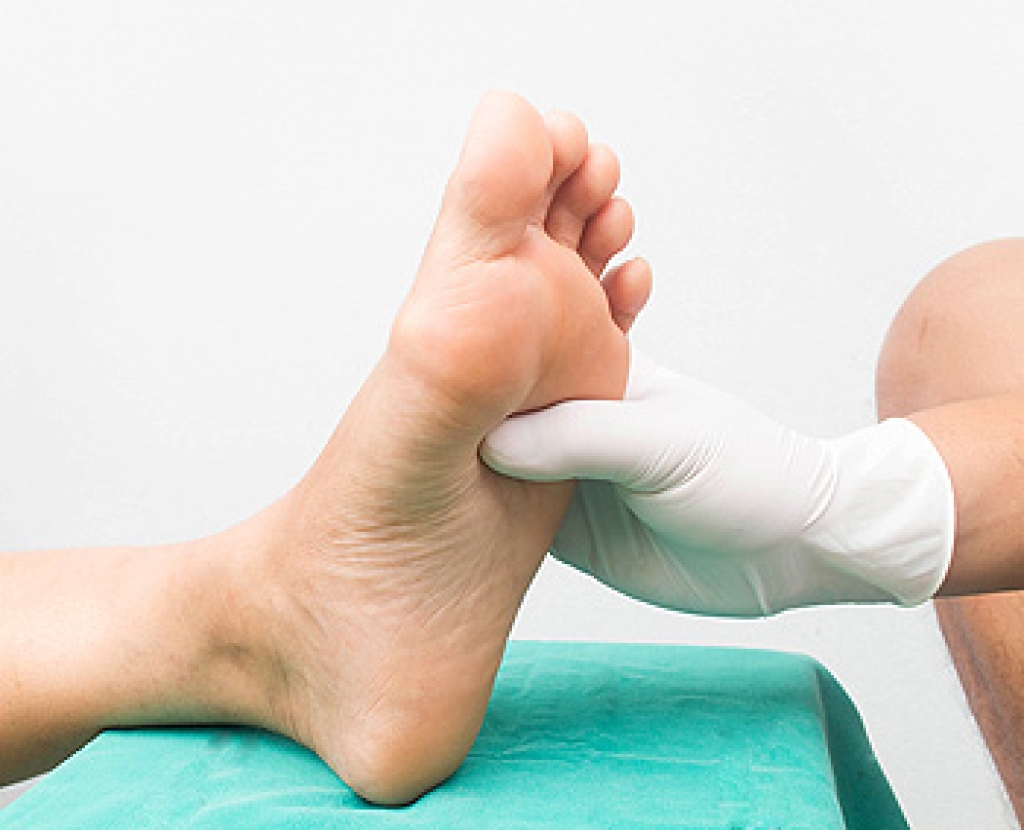
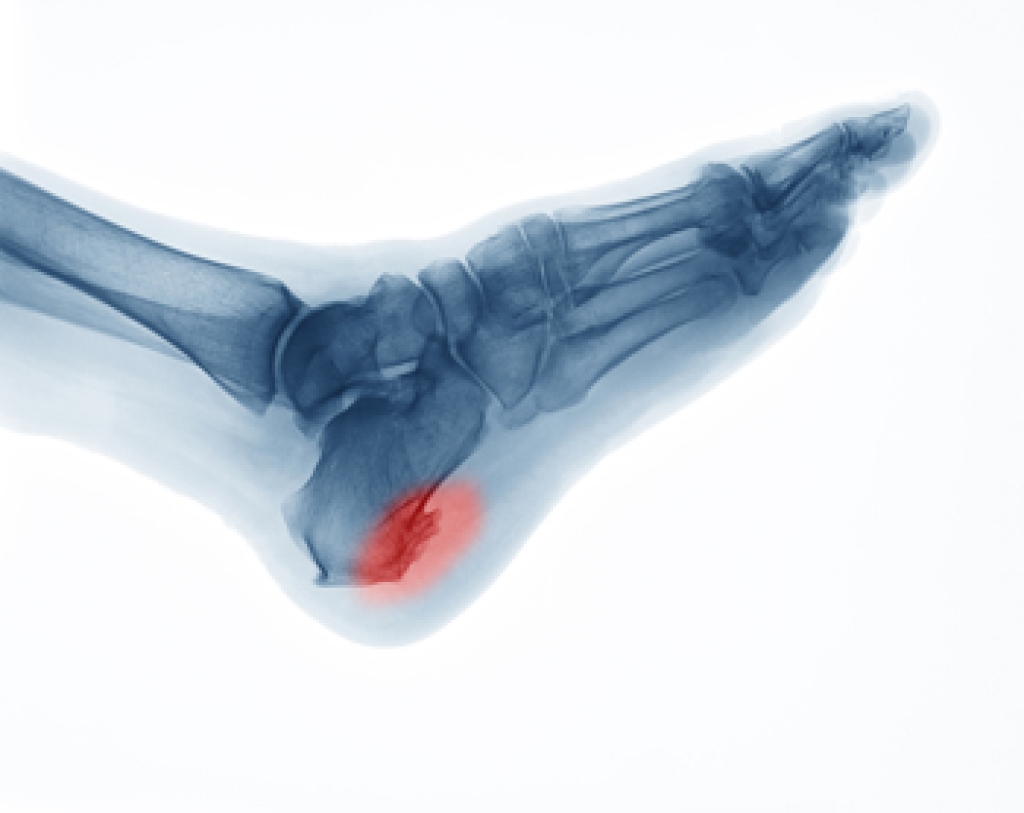
Heel spurs are commonly misunderstood and usually do not cause heel pain. In fact, most heel pain is attributed to plantar fasciitis, a condition where the ligament on the bottom of the foot, termed the plantar fascia, becomes chronically inflamed. It then can get calcified where it attaches to the heel bone. It may even appear as a heel spur on an X-ray. The pain stems from the strain on the plantar fascia, due to overuse or repetitive exertion, and often is made worse by wearing inadequately supportive footwear. Symptoms include discomfort on the bottom of the heel, which occasionally extends into the arch. Surgical removal of heel spurs is largely considered unnecessary, as relief from the pain can often occur without addressing the spur itself. Wearing shoe inserts and incorporating simple stretches can lead to significant relief from this type of heel pain. Proper arch support and cushioning are often effective ways to relieve heel pain. So, while heel spurs may appear concerning, they may not be the main cause of discomfort. Instead, it is suggested that you make an appointment with a podiatrist who can conduct imaging tests and identify the cause and suggest the appropriate treatment measures. 

Heel spurs can be incredibly painful and sometimes may make you unable to participate in physical activities. To get medical care for your heel spurs, contact Rahil Baxamusa, DPM from Illinois. Our doctor will do everything possible to treat your condition.

Heels Spurs

Heel spurs are formed by calcium deposits on the back of the foot where the heel is. This can also be caused by small fragments of bone breaking off one section of the foot, attaching onto the back of the foot. Heel spurs can also be bone growth on the back of the foot and may grow in the direction of the arch of the foot.

Older individuals usually suffer from heel spurs and pain sometimes intensifies with age. One of the main condition's spurs are related to is plantar fasciitis.

Pain

The pain associated with spurs is often because of weight placed on the feet. When someone is walking, their entire weight is concentrated on the feet. Bone spurs then have the tendency to affect other bones and tissues around the foot. As the pain continues, the feet will become tender and sensitive over time.

Treatments

There are many ways to treat heel spurs. If one is suffering from heel spurs in conjunction with pain, there are several methods for healing. Medication, surgery, and herbal care are some options.

If you have any questions, please feel free to contact our office located in Crystal Lake, IL . We offer the newest diagnostic and treatment technologies for all your foot care needs.
Read more about How to Treat Heel Spurs

Managing Foot Arthritis

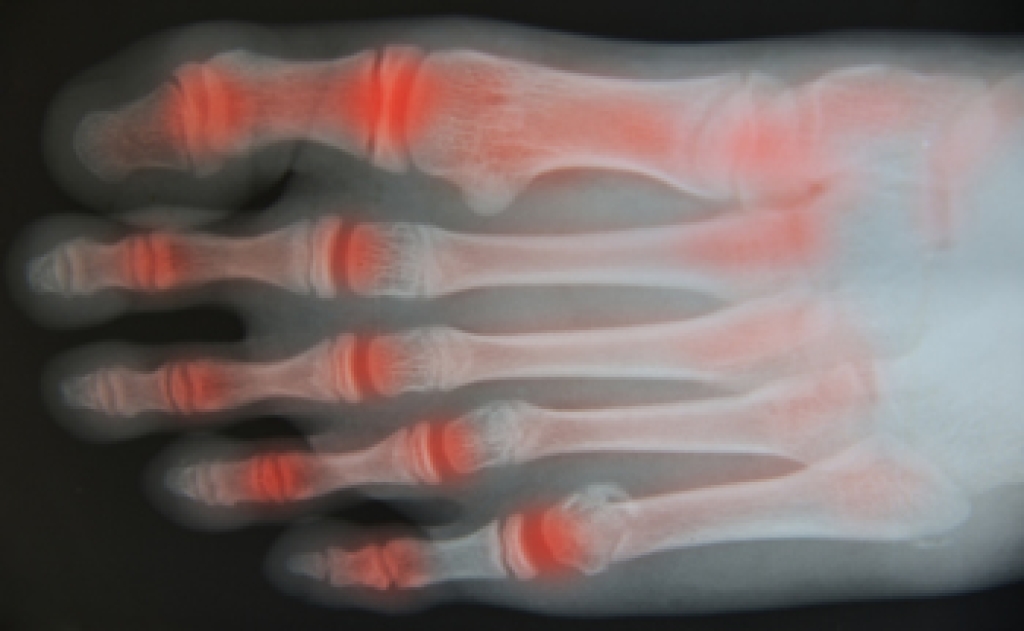
Osteoarthritis, or OA, is a chronic condition that involves the deterioration of the cartilage in joints over time, leading to pain and stiffness. The foot, with its numerous weight-bearing joints, is a common location for OA to develop. Symptoms of foot OA may include aching, reduced range of motion, pain in the ball of the foot or heel, joint soreness, stiffness, and joint swelling. Without proper treatment, foot OA can lead to complications such as bunions, calluses, corns, and arthritis in the big toe joint. Range of motion exercises and foot stretches can strengthen foot muscles and improve symptoms. Wearing proper footwear and shoe insoles, and a diet rich in omega-3 fatty acids, vitamin D, and calcium can help reduce inflammation and joint pain. Maintaining a moderate weight also helps reduce pressure on the foot joints. If you have foot arthritis, it is strongly suggested that you make an appointment with a podiatrist who can provide individualized treatment to alleviate your discomfort.

Arthritis can be a difficult condition to live with. If you are seeking treatment, contact Rahil Baxamusa, DPM from Illinois. Our doctor can provide the care you need to keep you pain-free and on your feet.

Arthritic Foot Care  

Arthritis is a joint disorder that involves the inflammation of different joints in your body, such as those in your feet. Arthritis is often caused by a degenerative joint disease and causes mild to severe pain in all affected areas. In addition to this, swelling and stiffness in the affected joints can also be a common symptom of arthritis.

In many cases, wearing ill-fitting shoes can worsen the effects and pain of arthritis. Wearing shoes that have a lower heel and extra room can help your feet feel more comfortable. In cases of rheumatoid arthritis, the arch in your foot may become problematic. Buying shoes with proper arch support that contour to your feet can help immensely.

Alleviating Arthritic Pain

  • Exercises that stretch the foot can prevent further pain and injury and increase mobility
  • Most of the pain can be alleviated with anti-inflammatory drugs, heat, and topical medications
  • Massages can help temporarily alleviate pain.

It is best to see your doctor for the treatment that is right for your needs and symptoms. Conditions vary, and a podiatrist can help you determine the right method of care for your feet.

If you have any questions please feel free to contact our office located in Crystal Lake, IL . We offer the newest diagnostic tools and technology to treat your foot and ankle needs.

Read more about How to Care for Your Arthritic Foot

Reasons for Cracked Heels

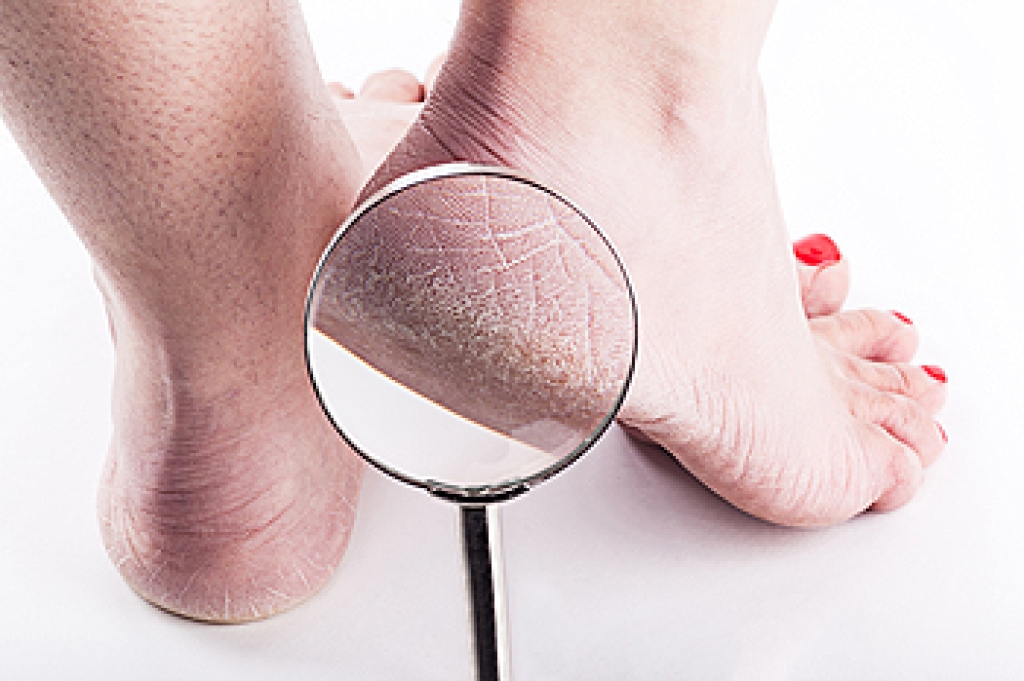
Mildly cracked heels are generally not a serious foot condition unless they develop into fissures, which may bleed and become infected. Cracked heels are caused by standing on hard or uneven surfaces for most of the day, or from wearing shoes that do not have a back. Flip-flops fall into this category, and it is beneficial to limit wearing these types of shoes. Patients who have existing medical conditions, such as psoriasis, diabetes, or a thyroid disorder, may be prone to getting cracked heels. One of the first signs that cracked heels may be developing is the hard, thickened skin surrounding the heel. This is referred to as a callus and can be yellow or brown in color. Cracks can form over the callus and can become worse when pressure of standing or running is exerted. Effective prevention methods can include washing and drying the feet daily, followed by applying a good moisturizer on them. If you have cracked heels that are causing problems, it is suggested that you speak with a podiatrist who can successfully treat this condition.

Cracked heels are unsightly and can cause further damage to your shoes and feet. If you have any concerns, contact Rahil Baxamusa, DPM from Illinois. Our doctor can provide the care you need to keep you pain-free and on your feet.

Cracked Heels

Cracked heels appear unappealing and can make it harder for you walk around in sandals. Aside from looking unpleasant, cracked heels can also tear stockings, socks, and wear out your shoes. There are several methods to help restore a cracked heel and prevent further damage.

How Do You Get Them?

Dry skin is the number one culprit in creating cracked heels. Many athletes, walkers, joggers, and even swimmers suffer from cracked heels. Age and skin oil production play a role to getting cracked heels as well.

Promote Healing

Over the counter medicines can help, especially for those that need instant relief or who suffer from chronic dry feet.

Wear Socks – Wearing socks with medicated creams helps lock in moisture.

Moisturizers – Applying both day and night will help alleviate dryness which causes cracking.

Pumice Stones – These exfoliate and remove dead skin, which allows for smoother moisturizer application and better absorption into the skin. 

Change in Diet

Eating healthy with a well-balanced diet will give the skin a fresh and radiant look. Your body responds to the kinds of food you ingest. Omega-3 fatty acids and zinc supplements can also revitalize skin tissue.

Most importantly, seek professional help if unsure how to proceed in treating cracked heels. A podiatrist will help you with any questions or information needed. 

If you have any questions, please feel free to contact our office located in Crystal Lake, IL . We offer the newest diagnostic and treatment technologies for all your foot care needs.

Read more about Solutions for Cracked Heels

Causes of Ankle Pain

Ankle pain can affect the ability to complete your daily activities and in some cases, if left untreated can develop into a chronic condition. The main causes of ankle pain include sprains, arthritis, and Achilles tendonitis. Other causes are gout, damage to cartilage, and fractures. If you have broken an ankle bone, seeking immediate medical attention is a must. Other symptoms that indicate a trip to the podiatrist include the inability to bear weight, a deformity developing on the ankle, and pain occurring at night or while the ankle is at rest. Further indicators are pain that persists over a few days, trouble bending the ankle joint, swelling into the calf area, or signs of infection. Treatment options for ankle pain are dependent on the cause and can range from rest to surgery. In many cases, changes in footwear and wearing a brace or other orthotic device will be necessary. Specific stretching exercises and types of medication can help to relieve the pain. If you believe you have injured your ankle, it is suggested that you make an appointment with a podiatrist for an exam and appropriate treatment. 

Ankle pain can have many different causes and the pain may potentially be serious. If you have ankle pain, consult with Rahil Baxamusa, DPM from Illinois. Our doctor will assess your condition and provide you with quality foot and ankle treatment.

Ankle pain is any condition that causes pain in the ankle. Due to the fact that the ankle consists of tendons, muscles, bones, and ligaments, ankle pain can come from a number of different conditions.

Causes

The most common causes of ankle pain include:

  • Types of arthritis (rheumatoid, osteoarthritis, and gout)
  • Ankle sprains
  • Broken ankles
  • Achilles tendinitis
  • Achilles tendon rupture
  • Stress fractures
  • Tarsal tunnel syndrome
  • Plantar fasciitis

Symptoms

Symptoms of ankle injury vary based upon the condition. Pain may include general pain and discomfort, swelling, aching, redness, bruising, burning or stabbing sensations, and/or loss of sensation.

Diagnosis

Due to the wide variety of potential causes of ankle pain, podiatrists will utilize a number of different methods to properly diagnose ankle pain. This can include asking for personal and family medical histories and of any recent injuries. Further diagnosis may include sensation tests, a physical examination, and potentially x-rays or other imaging tests.

Treatment

Just as the range of causes varies widely, so do treatments. Some more common treatments are rest, ice packs, keeping pressure off the foot, orthotics and braces, medication for inflammation and pain, and surgery.

If you have any questions please feel free to contact our office located in Crystal Lake, IL . We offer the newest diagnostic tools and technology to treat your foot and ankle needs.

Read more about Ankle Pain

Wounds That Don't Heal Need to Be Checked

Your feet are covered most of the day. If you're diabetic, periodic screening is important for good health. Numbness is often a sign of diabetic foot and can mask a sore or wound.

Understanding Polydactyly

Polydactyly is a congenital foot defect where a child is born with extra fingers or toes. The name comes from a combination of Greek words, “poly” for many and “dactylos” for digits. There are different types of polydactyly of the feet. The most frequent form is an extra toe next to the fifth toe. The extra digit can be complete and fully functional or partially formed with some bone. It can also present as a small mass of soft tissue. When polydactyly occurs without other abnormalities, it is referred to as isolated or non-syndromic polydactyly. When there is another genetic condition present, such as a cognitive and developmental abnormality, it is called syndromic polydactyly. This condition tends to be hereditary and can occur from genetic mutations and environmental reasons. The left foot is most often affected and is twice as common among males. Treatment for polydactyly is dependent on where the extra toe is. Surgery to remove the extra toe is frequently done in the first two years of a child’s life to allow typical use of the foot and a better ability to fit into shoes. If you have a baby born with polydactyly, it is strongly suggested that you take them to a podiatrist as soon as possible who can consult with you on the best way to treat this condition.

Congenital foot problems require immediate attention to avoid future complications. If you have any concerns, contact Rahil Baxamusa, DPM of Illinois. Our doctor can provide the care you need to keep you pain-free and on your feet.

Congenital foot problems are deformities affecting the feet, toes, and/or ankles that children are born with. Some of these conditions have a genetic cause while others just happen. Some specific foot ailments that children may be born with include clubfeet, polydactyly/macrodactyly, and cleft foot. There are several other foot anomalies that can occur congenitally. What all of these conditions have in common is that a child may experience difficulty walking or performing everyday activities, as well as trouble finding footwear that fits their foot deformity. Some of these conditions are more serious than others. Consulting with a podiatrist as early as possible will help in properly diagnosing a child’s foot condition while getting the necessary treatment underway.

What are Causes of Congenital Foot Problem?

A congenital foot problem is one that happens to a child at birth. These conditions can be caused by a genetic predisposition, developmental or positional abnormalities during gestation, or with no known cause.

What are Symptoms of Congenital Foot Problems?

Symptoms vary by the congenital condition. Symptoms may consist of the following:

  • Clubfoot, where tendons are shortened, bones are shaped differently, and the Achilles tendon is tight, causing the foot to point in and down. It is also possible for the soles of the feet to face each other.
  • Polydactyly, which usually consists of a nubbin or small lump of tissue without a bone, a toe that is partially formed but has no joints, or an extra toe.
  • Vertical talus, where the talus bone forms in the wrong position causing other bones in the foot to line up improperly, the front of the foot to point up, and the bottom of the foot to stiffen, with no arch, and to curve out.
  • Tarsal coalition, when there is an abnormal connection of two or more bones in the foot leading to severe, rigid flatfoot.
  • Cleft foot, where there are missing toes, a V-shaped cleft, and other anatomical differences.
  • Macrodactyly, when the toes are abnormally large due to overgrowth of the underlying bone or soft tissue.

Treatment and Prevention

While there is nothing one can do to prevent congenital foot problems, raising awareness and receiving neonatal screenings are important. Early detection by taking your child to a podiatrist leads to the best outcome possible.

If you have any questions, please feel free to contact our office located in Crystal Lake, IL . We offer the newest diagnostic and treatment technologies for all your foot care needs.

Read more about Congenital Foot Problems

How Footwear Can Help Prevent Injuries at Work

Foot injuries in the workplace are classified into two general categories, injuries or slips and falls. Common foot injuries include punctures, crushing, sprains, and cuts. Among the other conditions that result in pain are calluses, ingrown toenails, and tired feet. Long periods of standing and the type of shoes worn may also contribute to foot pain on the job. High heels, pointed shoes, lack of arch support, and shoes that are too loose or tight may contribute to foot pain. Workplace safety experts recommend replacing footwear with better options. Included are shoes that grip the heel firmly, while the front of the shoe allows the toes to move freely. Choose shoes that fasten across the instep to help prevent tripping. The heels of the shoe should be no higher than 2.5 inches and no lower than the ball of the foot. Have the feet measured properly before purchase, and if the feet are different sizes, it is best to purchase the larger size. Wearing socks and stockings that are too tight can also contribute to foot pain. If you are having trouble with job-related foot pain, it is suggested that you make an appointment with a podiatrist.

While working on the feet, it is important to take the proper care of them. For more information about working on your feet, contact Rahil Baxamusa, DPM from Illinois. Our doctor will treat your foot and ankle needs.

Working on Your Feet

Standing on your feet for long periods of time can cause stress and pain in your feet. Your whole body may experience change in terms of posture, back pain, bunions, callouses and or plantar warts. There are ways to avoid these conditions with proper foot care, smart choices and correct posture.

Positive Changes

Negative heeled shoe – Choosing this shoe type places the heel slightly lower than the ball of the foot. These are great for overall foot health. Find shoes that fit you correctly.

Go barefoot – Our feet were not designed to be enclosed for all hours of the day. Try to periodically expose your feet to air.

Eliminate Pain

Foot Exercises – Performing simple exercises, incorporating yoga and doing stretches are beneficial. This will allow increased blood flow to the area and muscles of the foot.

Achilles tendon – Stretching the foot out flat on the floor will relax the calf muscles and tendon. These exercises can be performed almost anywhere. Make sure you add these exercises to your daily regimen. 

With a little bit of this information and knowing more about foot health, you will notice changes. Foot stretches and proper footwear will help with pain and prevent further issues.

If you have any questions please contact our office located in Crystal Lake, IL . We offer the newest diagnostic and treatment technologies for all your foot and ankle needs.

Read more about How to Handle a Long Work Day on Your Feet

Causes and Treatments of Ankle Sprains

There are some people who roll their ankle, and refer to it as an ankle sprain. It is considered to be one of the most common injuries among people who participate in sporting activities, and affects the ligaments in the ankle. It can also happen from unexpectedly stepping off of a curb, where the ankle can suddenly twist. A diagnosis is often performed, which consists of having an X-ray taken. This is generally successful in confirming the sprain and ruling out a fractured foot. Treatment can begin with resting the affected foot as often as possible, and elevating it may help to reduce existing swelling. It is beneficial to keep weight off of the foot, and wearing a protective boot or using crutches may help with mobility. Relief may be found when the ankle is wrapped in an elastic bandage, which can  provide the necessary support as the healing process occurs. If you have sprained your ankle, it is suggested that you confer with a podiatrist who can accurately diagnose it, and offer relief and treatment solutions.

Ankle sprains are common but need immediate attention. If you need your feet checked, contact Rahil Baxamusa, DPM from Illinois. Our doctor can provide the care you need to keep you pain-free and on your feet.

How Does an Ankle Sprain Occur?

Ankle sprains take place when the ligaments in your ankle are torn or stretched beyond their limits. There are multiple ways that the ankle can become injured, including twisting or rolling over onto your ankle, putting undue stress on it, or causing trauma to the ankle itself.

What Are the Symptoms?

  • Mild to moderate bruising
  • Limited mobility
  • Swelling
  • Discoloration of the skin (depending on severity)

Preventing a Sprain

  • Wearing appropriate shoes for the occasion
  • Stretching before exercises and sports
  • Knowing your limits

Treatment of a Sprain

Treatment of a sprain depends on the severity.  Many times, people are told to rest and remain off their feet completely, while others are given an air cast. If the sprain is very severe, surgery may be required.

If you have suffered an ankle sprain previously, you may want to consider additional support such as a brace and regular exercises to strengthen the ankle.

If you have any questions please feel free to contact our office located in Crystal Lake, IL . We offer the newest diagnostic tools and technology to treat your foot and ankle needs.

Read more about Three Grades of Ankle Sprains

The Do's and Don’ts of Diabetic Foot Care

Diabetes is a condition that can affect the feet. Maintaining proper diabetic foot care is crucial in preventing unwanted foot ailments from developing. This can begin by washing and drying the feet every day, followed by applying a moisturizer on them. It is helpful to refrain from using any creams between the toes, as this may lead to additional foot conditions. Diabetic patients may have neuropathy, which is the inability to feel sensations in the feet and lower legs. As a result,  using a mirror is a good way to check the soles of the feet for any cuts or scrapes that may have developed. It is beneficial to have the toenails properly trimmed weekly, and this helps to prevent an ingrown toenail from developing. Many people who are diabetic know the importance of refraining from walking barefoot, which can be detrimental to the feet. If you have diabetes, it is strongly suggested that you are under the care of a podiatrist who can help you to manage this serious condition.

Diabetic foot care is important in preventing foot ailments such as ulcers. If you are suffering from diabetes or have any other concerns about your feet, contact Rahil Baxamusa, DPM from Illinois. Our doctor can provide the care you need to keep you pain-free and on your feet.

Diabetic Foot Care

Diabetes affects millions of people every year. The condition can damage blood vessels in many parts of the body, especially the feet. Because of this, taking care of your feet is essential if you have diabetes, and having a podiatrist help monitor your foot health is highly recommended.

The Importance of Caring for Your Feet

  • Routinely inspect your feet for bruises or sores.
  • Wear socks that fit your feet comfortably.
  • Wear comfortable shoes that provide adequate support.

Patients with diabetes should have their doctor monitor their blood levels, as blood sugar levels play such a huge role in diabetic care. Monitoring these levels on a regular basis is highly advised.

It is always best to inform your healthcare professional of any concerns you may have regarding your feet, especially for diabetic patients. Early treatment and routine foot examinations are keys to maintaining proper health, especially because severe complications can arise if proper treatment is not applied.

If you have any questions, please feel free to contact our office located in Crystal Lake, IL . We offer the newest diagnostic and treatment technologies for all your foot care needs.

Read more about How to Care for Diabetic Foot

Mandatory Education for Podiatrists

Many people who have foot pain often hope to find relief and seek medical advice from a podiatrist. These are physicians who specialize in treating disorders of the feet and ankles and can provide a diagnosis for existing foot pain. The mandatory education to become a podiatrist begins with obtaining a bachelor's degree, followed by enrolling in a podiatry medical school. This will take four years to complete, and a Doctor of Podiatric Medicine, or DPM, degree will be earned. During the last two years, some of the topics that are covered can include biomechanics, sports medicine, and podiatric pathology. Once the medical school is completed, a residency program can begin and can last between 24 and 36 months. Podiatrists have options such as practicing in a private or group practice or a hospital setting, or may choose sports podiatry. If you are interested in pursuing a career in podiatry, it is suggested that you speak with this type of doctor who can answer any questions you may have.

If you are dealing with pain in your feet and ankles, you may want to seek help from a podiatrist. Feel free to contact Rahil Baxamusa, DPM from Illinois. Our doctor can provide the care you need to keep you pain-free and on your feet.

What Is a Podiatrist?

A podiatrist is a doctor of podiatric medicine who diagnoses and treats conditions of the foot, ankle, and related structures of the leg. Your podiatrist may specialize in a certain field such as sports medicine, wound care, pediatrics, and diabetic care. Podiatrists have the ability to become board certified through training, clinical experience, and then taking an exam.

What Do Podiatrists Do?

On a daily basis, a podiatrist may perform the following activities:

  • Diagnose foot ailments such as ulcers, tumors, fractures, etc.
  • Use innovative methods to treat conditions
  • Use corrective orthotics, casts, and strappings to correct deformities
  • Correct walking patterns and balance
  • Provide individual consultations to patients

It is very important that you take care of your feet. It’s easy to take having healthy feet for granted, however foot problems tend to be among the most common health conditions. Podiatrists can help diagnose and treat a variety of feet related conditions, so it is crucial that you visit one if you need assistance.

If you have any questions, please feel free to contact our office located in Crystal Lake, IL . We offer the newest diagnostic and treatment technologies for all your foot care needs.

Read more about What is a Podiatrist?

Connect With Us