Understanding Painful Gout

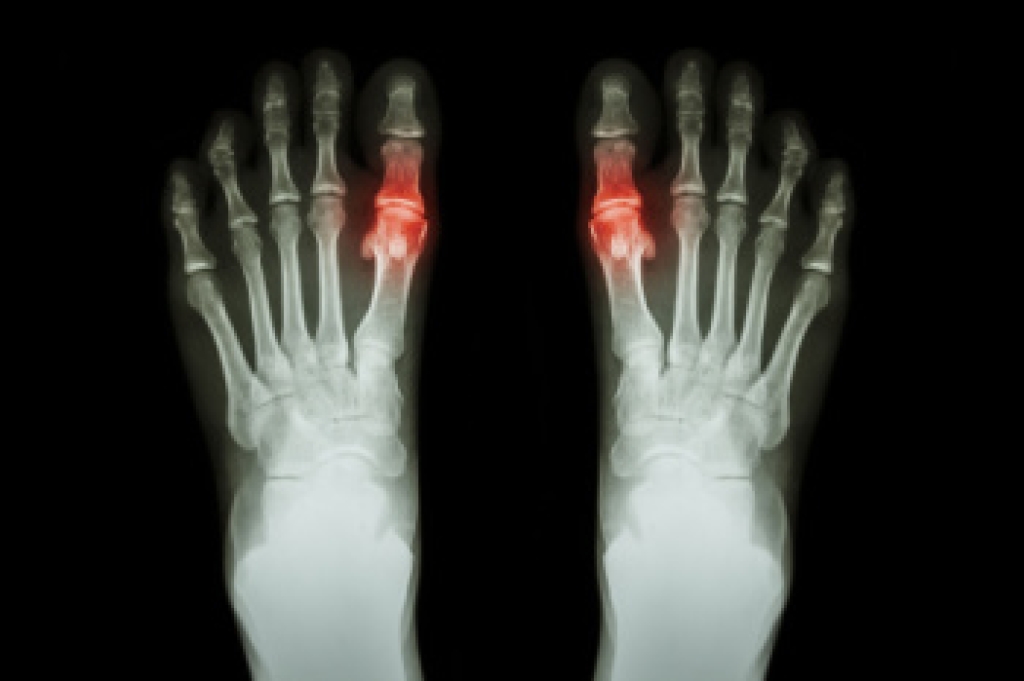
Gout is a form of inflammatory arthritis caused by the buildup of uric acid crystals in the joints, often affecting the big toe. This buildup, known as hyperuricemia, occurs when the body produces too much uric acid or fails to eliminate it efficiently. Common causes include a diet rich in purines, kidney dysfunction, or certain medications. Symptoms involve sudden and intense big toe joint pain, redness, swelling, and warmth. Diagnosis is made through blood tests, imaging, or joint fluid analysis. A podiatrist can help manage gout flares, recommend footwear modifications, and offer strategies to reduce pressure on affected joints. If you have had one or more gout attacks, it is suggested that you are under the care of a podiatrist who can help you to manage this painful condition. 

Gout is a foot condition that requires certain treatment and care. If you are seeking treatment, contact Rahil Baxamusa, DPM from Illinois. Our doctor will treat your foot and ankle needs.

What Is Gout?

Gout is a type of arthritis caused by a buildup of uric acid in the bloodstream. It often develops in the foot, especially the big toe area, although it can manifest in other parts of the body as well. Gout can make walking and standing very painful and is especially common in diabetics and the obese.

People typically get gout because of a poor diet. Genetic predisposition is also a factor. The children of parents who have had gout frequently have a chance of developing it themselves.

Gout can easily be identified by redness and inflammation of the big toe and the surrounding areas of the foot. Other symptoms include extreme fatigue, joint pain, and running high fevers. Sometimes corticosteroid drugs can be prescribed to treat gout, but the best way to combat this disease is to get more exercise and eat a better diet.

If you have any questions, please feel free to contact our office located in Crystal Lake, IL . We offer the newest diagnostic and treatment technologies for all your foot care needs.

Read more about Everything You Need to Know About Gout

What Is a Heel Spur?

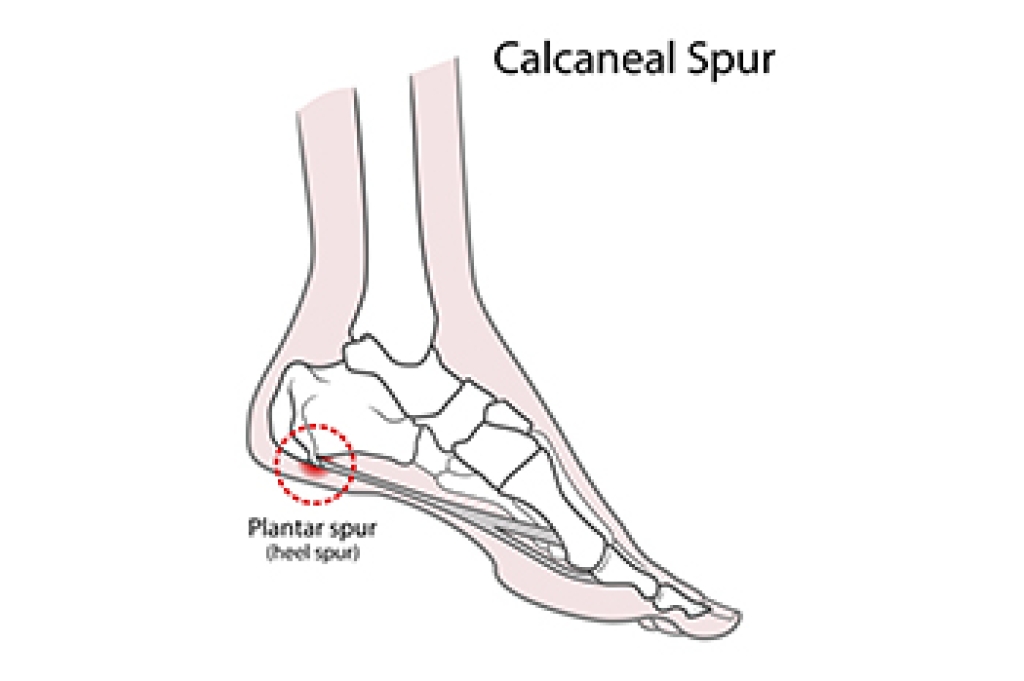
A heel spur is a bony growth that forms on the underside of the heel bone, often due to long-term strain on foot muscles and ligaments. It is commonly associated with plantar fasciitis and may not cause symptoms, but when it does, it can result in sharp pain during walking or standing. Risk factors include obesity, flat feet, high-impact activities, and wearing poorly fitted footwear. A podiatrist can assess heel pain through imaging and physical evaluation, then recommend treatments such as orthotics or stretching exercises. If you are experiencing persistent heel discomfort, it is suggested that you consult a podiatrist for a personalized plan to relieve pain and prevent further complications.

Many people suffer from bouts of heel pain. For more information, contact Rahil Baxamusa, DPM of Illinois. Our doctor can provide the care you need to keep you pain-free and on your feet.

Causes of Heel Pain

Heel pain is often associated with plantar fasciitis. The plantar fascia is a band of tissues that extends along the bottom of the foot. A rip or tear in this ligament can cause inflammation of the tissue.

Achilles tendonitis is another cause of heel pain. Inflammation of the Achilles tendon will cause pain from fractures and muscle tearing. Lack of flexibility is also another symptom.

Heel spurs are another cause of pain. When the tissues of the plantar fascia undergo a great deal of stress, it can lead to ligament separation from the heel bone, causing heel spurs.

Why Might Heel Pain Occur?

  • Wearing ill-fitting shoes                
  • Wearing non-supportive shoes
  • Weight change           
  • Excessive running

Treatments

Heel pain should be treated as soon as possible for immediate results. Keeping your feet in a stress-free environment will help. If you suffer from Achilles tendonitis or plantar fasciitis, applying ice will reduce the swelling. Stretching before an exercise like running will help the muscles. Using all these tips will help make heel pain a condition of the past.

If you have any questions, please feel free to contact our office located in Crystal Lake, IL . We offer the newest diagnostic and treatment technologies for all your foot care needs.
Read more about Heel Pain

Are You Suffering From Ingrown Toenails?

If left untreated, an ingrown toenail can lead to more serious concerns, such as an infection. Knowing proper nail care can help in the prevention of an ingrown toenail. Give us a call, and get treated!

Why Safety Footwear Matters in the Construction Field

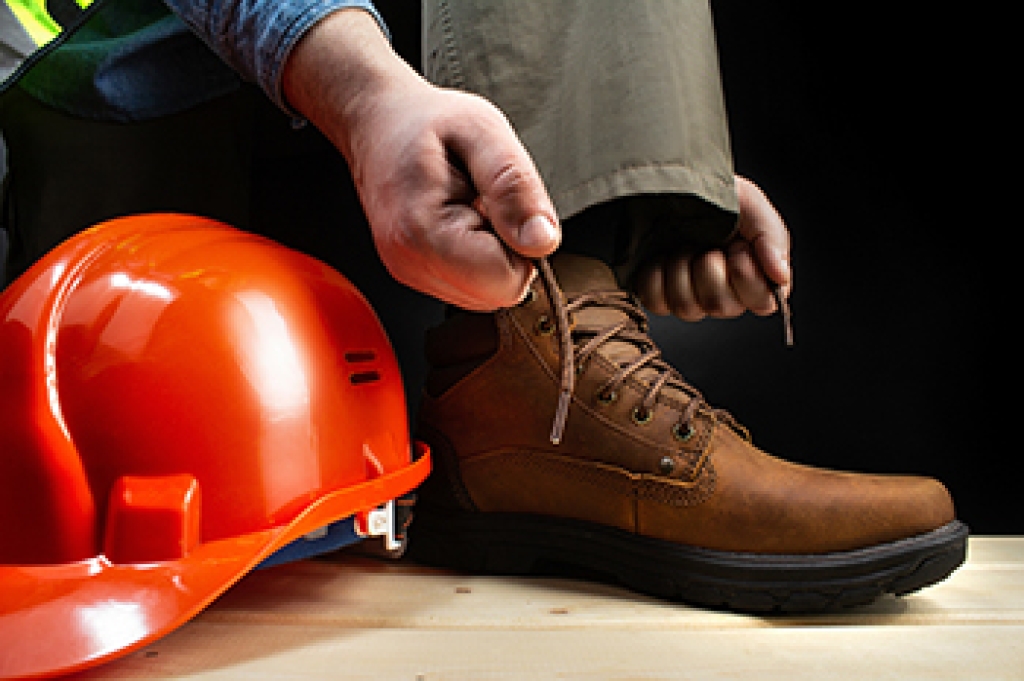
Wearing proper safety footwear in the construction field is essential for protecting workers from common job site hazards. Puncture resistant soles help guard against sharp objects on the ground, while slip resistant materials reduce the risk of falls on wet or uneven surfaces. For long hours on the job, breathable materials and ergonomic design support comfort and reduce fatigue. Poor footwear can lead to muscle strain, joint pain, and spinal stress. A podiatrist can assist by addressing foot issues caused by wearing improper shoes, relieving pain, and offering advice on supportive footwear choices. If you have developed foot conditions from wearing the wrong shoes, it is suggested that you contact a podiatrist who can treat various foot issues, and guide you on the proper shoes to wear for your workday.

While working on the feet, it is important to take the proper care of them. For more information about working on your feet, contact Rahil Baxamusa, DPM from Illinois. Our doctor will treat your foot and ankle needs.

Working on Your Feet

Standing on your feet for long periods of time can cause stress and pain in your feet. Your whole body may experience change in terms of posture, back pain, bunions, callouses and or plantar warts. There are ways to avoid these conditions with proper foot care, smart choices and correct posture.

Positive Changes

Negative heeled shoe – Choosing this shoe type places the heel slightly lower than the ball of the foot. These are great for overall foot health. Find shoes that fit you correctly.

Go barefoot – Our feet were not designed to be enclosed for all hours of the day. Try to periodically expose your feet to air.

Eliminate Pain

Foot Exercises – Performing simple exercises, incorporating yoga and doing stretches are beneficial. This will allow increased blood flow to the area and muscles of the foot.

Achilles tendon – Stretching the foot out flat on the floor will relax the calf muscles and tendon. These exercises can be performed almost anywhere. Make sure you add these exercises to your daily regimen. 

With a little bit of this information and knowing more about foot health, you will notice changes. Foot stretches and proper footwear will help with pain and prevent further issues.

If you have any questions please contact our office located in Crystal Lake, IL . We offer the newest diagnostic and treatment technologies for all your foot and ankle needs.

Read more about Working on Your Feet

What Causes Foot Cramps?

Foot cramps are painful muscle spasms that can strike suddenly and interfere with daily activities. Common causes include wearing tight footwear that restricts circulation and strains foot muscles. Dehydration can reduce electrolyte balance, leading to poor muscle function. Overexertion from prolonged walking, exercise, or standing places stress on the muscles, making cramps more likely. Low potassium levels can also contribute by affecting nerve signals that control muscle movements. While occasional cramps are common, frequent or severe episodes may signal an underlying issue. A podiatrist can assess your symptoms, identify possible causes, and recommend solutions such as wearing better footwear, stretching routines, or dietary adjustments. If foot cramps are disrupting your routine, it is suggested that you consult a podiatrist for professional guidance and relief.

Foot Pain

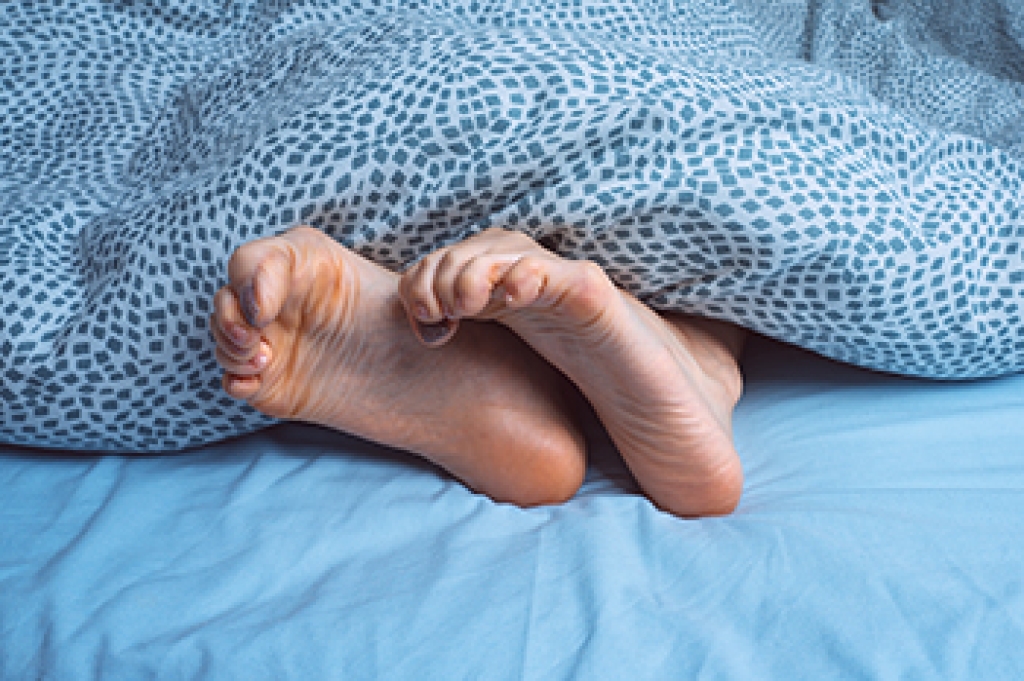
Foot pain can be extremely painful and debilitating. If you have a foot pain, consult with Rahil Baxamusa, DPM from Illinois. Our doctor will assess your condition and provide you with quality foot and ankle treatment.

Causes

Foot pain is a very broad condition that could be caused by one or more ailments. The most common include:

  • Bunions
  • Hammertoes
  • Plantar Fasciitis
  • Bone Spurs
  • Corns
  • Tarsal Tunnel Syndrome
  • Ingrown Toenails
  • Arthritis (such as Gout, Rheumatoid, and Osteoarthritis)
  • Flat Feet
  • Injury (from stress fractures, broken toe, foot, ankle, Achilles tendon ruptures, and sprains)
  • And more

Diagnosis

To figure out the cause of foot pain, podiatrists utilize several different methods. This can range from simple visual inspections and sensation tests to X-rays and MRI scans. Prior medical history, family medical history, and any recent physical traumatic events will all be taken into consideration for a proper diagnosis.

Treatment

Treatment depends upon the cause of the foot pain. Whether it is resting, staying off the foot, or having surgery; podiatrists have a number of treatment options available for foot pain.

If you have any questions, please feel free to contact our office located in Crystal Lake, IL . We offer the newest diagnostic and treatment technologies for all your foot care needs.
Read more about Foot Pain

Recovering From a Broken Ankle

Recovering from a broken ankle depends on the type and severity of the fracture. A podiatrist can assess the injury and recommend proper treatment, which may involve immobilization using a cast or walking boot. In more complex cases, surgery might be necessary to reposition fractured bones and stabilize them with screws or plates. A broken ankle can take several weeks to heal, and additional time may be required to restore full ankle motion and strength. If the ligaments or tendons are also affected, this can lengthen recovery. A podiatrist will monitor your progress, evaluate healing through imaging, and determine when it is safe to begin gradual weight-bearing. Improper healing can lead to long-term instability, pain, or limited function, so close medical supervision is important. A podiatrist can also help prevent reinjury through supportive devices or orthotics and ongoing monitoring of the foot and ankle during recovery. If you have fractured an ankle, it is suggested that you make an immediate appointment with a podiatrist for an exam and appropriate treatment.

Broken ankles need immediate treatment. If you are seeking treatment, contact Rahil Baxamusa, DPM from Illinois. Our doctor can provide the care you need to keep you pain-free and on your feet. 

Broken Ankles
A broken ankle is experienced when a person fractures their tibia or fibula in the lower leg and ankle area. Both of these bones are attached at the bottom of the leg and combine to form what we know to be our ankle.

When a physician is referring to a break of the ankle, he or she is usually referring to a break in the area where the tibia and fibula are joined to create our ankle joint. Ankles are more prone to fractures because the ankle is an area that suffers a lot of pressure and stress. There are some obvious signs when a person experiences a fractured ankle, and the following symptoms may be present.

Symptoms of a Fractured Ankle

  • Excessive pain when the area is touched or when any pressure is placed on the ankle
  • Swelling around the area
  • Bruising of the area
  • Area appears to be deformed

If you suspect an ankle fracture, it is recommended to seek treatment as soon as possible. The sooner you have your podiatrist diagnose the fracture, the quicker you’ll be on the way towards recovery.

If you have any questions, please feel free to contact our office located in Crystal Lake, IL . We offer the newest diagnostic and treatment technologies for all your foot care needs.

Read more about All About Broken Ankle

When Is Bunion Surgery Necessary?

If you are struggling with daily pain from a bunion, you may wonder if having surgery is the right choice. A bunion is not just a bump on the side of the big toe. It develops when the joint at the base of the big toe shifts out of place as the tip pushes toward the other toes. This can lead to pressure, skin sores, and even affect the alignment of the second toe. Surgery is the only way to correct the position of the bones and relieve pressure caused by the bunion. A podiatrist may recommend one of several procedures, including cutting and repositioning the bones, or fusing parts of the foot to stabilize the joint. The main benefit of bunion surgery is long-term relief from pain and improved foot function. However, recovery can take weeks. Risks include swelling, stiffness, and rare complications like infection or nerve irritation. If you have a painful bunion, it is suggested that you schedule an appointment with a podiatrist to find out if surgery is the right option for you.

If you are suffering from bunions, contact Rahil Baxamusa, DPM of Illinois. Our doctor can provide the care you need to keep you pain-free and on your feet.

What Is a Bunion?

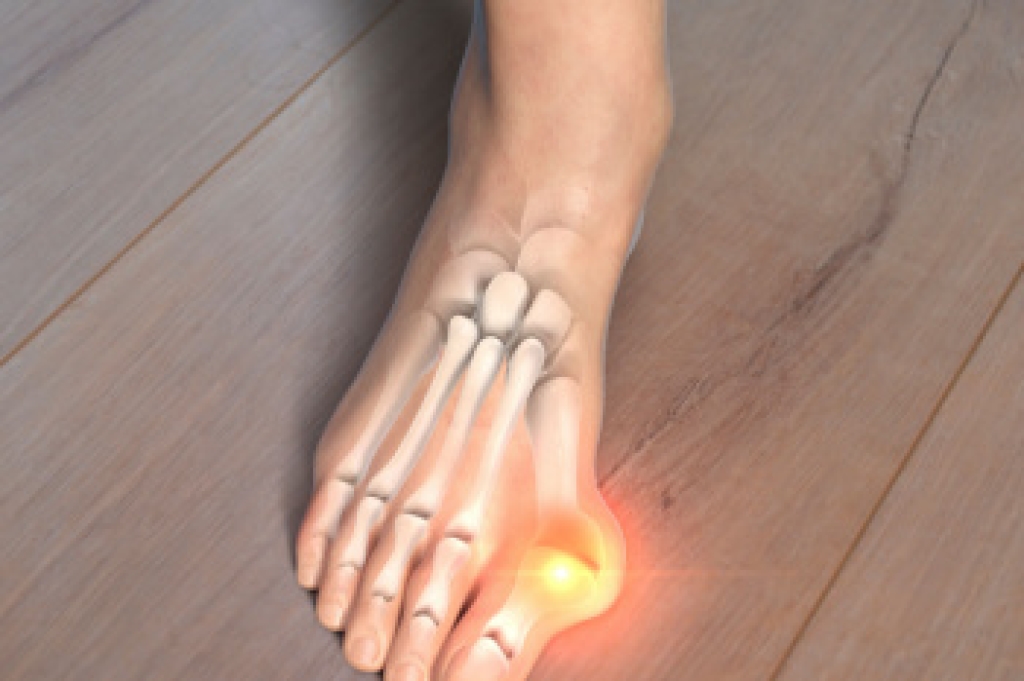
A bunion is formed of swollen tissue or an enlargement of boney growth, usually located at the base joint of the toe that connects to the foot. The swelling occurs due to the bones in the big toe shifting inward, which impacts the other toes of the foot. This causes the area around the base of the big toe to become inflamed and painful.

Why Do Bunions Form?

Genetics – Susceptibility to bunions are often hereditary

Stress on the feet – Poorly fitted and uncomfortable footwear that places stress on feet, such as heels, can worsen existing bunions

How Are Bunions Diagnosed?

Doctors often perform two tests – blood tests and x-rays – when trying to diagnose bunions, especially in the early stages of development. Blood tests help determine if the foot pain is being caused by something else, such as arthritis, while x-rays provide a clear picture of your bone structure to your doctor.

How Are Bunions Treated?

  • Refrain from wearing heels or similar shoes that cause discomfort
  • Select wider shoes that can provide more comfort and reduce pain
  • Anti-inflammatory and pain management drugs
  • Orthotics or foot inserts
  • Surgery

If you have any questions, please feel free to contact our office located in Crystal Lake, IL . We offer the newest diagnostic and treatment technologies for all your foot care needs.
Read more about Bunions

Why Live with Pain and Numbness in Your Feet?

Suffering from this type of pain? You may have the foot condition known as Morton's neuroma. Morton's neuroma may develop as a result of ill-fitting footwear and existing foot deformities. We can help.

When Foot Blisters Get In the Way

Foot blisters are small pockets of fluid that form from repeated friction, often caused by wearing tight shoes, sweaty feet, or long periods of walking. They usually appear on the toes, heels, or soles and can be painful or tender. While it may be tempting to pop a blister, doing so increases the risk of infection. Instead, keep it clean, dry, and protected with a bandage or blister pad. Letting the blister heal naturally is best when possible. If it breaks, clean it gently and cover it with a clean dressing. Wearing moisture-wicking socks and properly fitted shoes can help prevent future blisters. For athletes or those with diabetes, blisters should be watched closely. If a blister becomes red, warm or filled with pus, it is suggested you see a podiatrist for appropriate treatment.

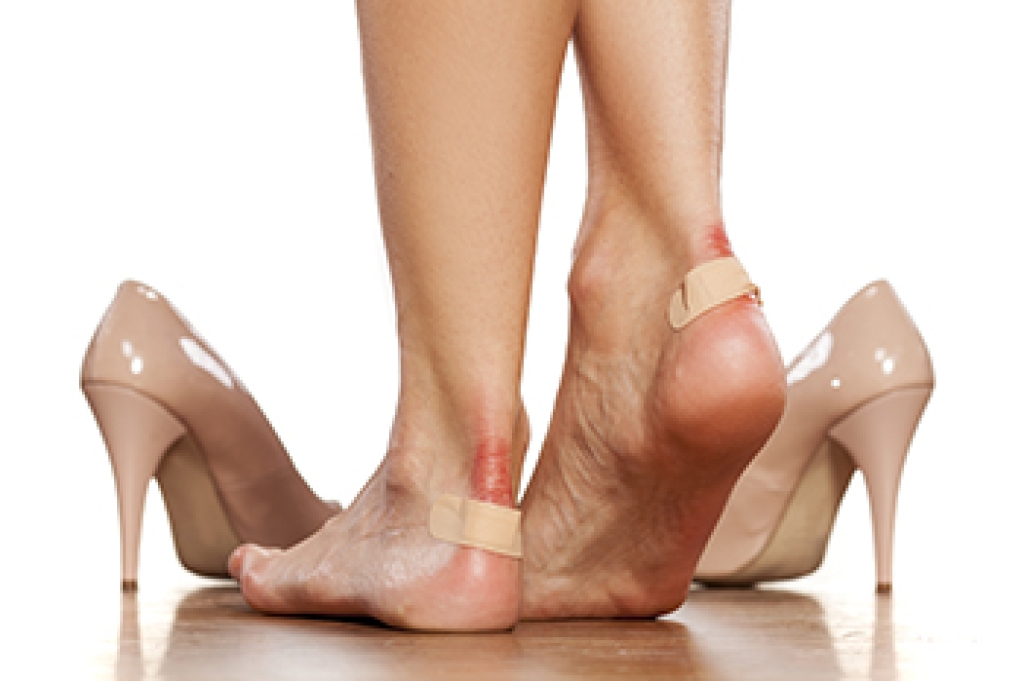
Blisters may appear as a single bubble or in a cluster. They can cause a lot of pain and may be filled with pus, blood, or watery serum. If your feet are hurting, contact Rahil Baxamusa, DPM of Illinois. Our doctor can provide the care you need to keep you pain-free and on your feet.

Foot Blisters

Foot blisters are often the result of friction. This happens due to the constant rubbing from shoes, which can lead to pain.

What Are Foot Blisters?

A foot blister is a small fluid-filled pocket that forms on the upper-most layer of the skin. Blisters are filled with clear fluid and can lead to blood drainage or pus if the area becomes infected.

Symptoms

(Blister symptoms may vary depending on what is causing them)

  • Bubble of skin filled with fluid
  • Redness
  • Moderate to severe pain
  • Itching

Prevention & Treatment

In order to prevent blisters, you should be sure to wear comfortable shoes with socks that cushion your feet and absorb sweat. Breaking a blister open may increase your chances of developing an infection. However, if your blister breaks, you should wash the area with soap and water immediately and then apply a bandage to the affected area. If your blisters cause severe pain it is important that you call your podiatrist right away.

If you have any questions, please feel free to contact our office located in Crystal Lake, IL . We offer the newest diagnostic and treatment technologies for all your foot care needs.

Read more about Blisters

Sever's Disease and Its Rarity in Adults

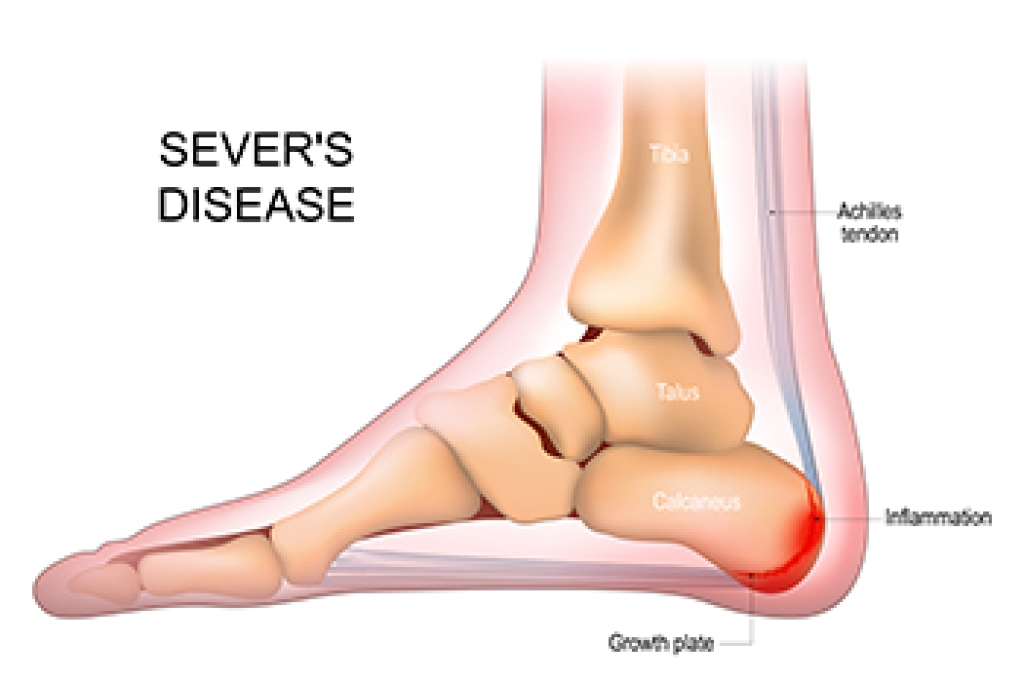
Sever's disease, also known as calcaneal apophysitis, is an inflammatory condition that affects the growth plate in the heel bone. It is typically seen in children and adolescents who are experiencing growth spurts and engaging in repetitive physical activity. The causes in young patients include overuse, excessive running or jumping, and wearing poor footwear. In adults, Symptoms often involve heel pain, tenderness, and stiffness, especially after activity. Sever's disease is extremely rare because the growth plates close after puberty. When heel pain occurs in adults, it is usually caused by other conditions, such as plantar fasciitis or Achilles tendinitis, rather than true Sever's disease. It is suggested that adults with similar heel pain symptoms consult a podiatrist to determine the correct diagnosis and begin an appropriate treatment plan.

Sever's disease often occurs in children and teens. If your child is experiencing foot or ankle pain, see Rahil Baxamusa, DPM from Illinois. Our doctor can treat your child’s foot and ankle needs.

Sever’s Disease

Sever’s disease is also known as calcaneal apophysitis, which is a medical condition that causes heel pain I none or both feet. The disease is known to affect children between the ages of 8 and 14.

Sever’s disease occurs when part of the child’s heel known as the growth plate (calcaneal epiphysis) is attached to the Achilles tendon. This area can suffer injury when the muscles and tendons of the growing foot do not keep pace with bone growth. Therefore, the constant pain which one experiences at the back of the heel will make the child unable to put any weight on the heel. The child is then forced to walk on their toes.

Symptoms

Acute pain – Pain associated with Sever’s disease is usually felt in the heel when the child engages in physical activity such as walking, jumping and or running.

Highly active – Children who are very active are among the most susceptible in experiencing Sever’s disease, because of the stress and tension placed on their feet.

If you have any questions, please feel free to contact our office located in Crystal Lake, IL . We offer the newest diagnostic and treatment technologies for all your foot care needs.
Read more about Sever's Disease

Connect With Us