
Five Essential Characteristics for Choosing Running Shoes

When selecting running shoes, it is essential to consider several key characteristics to ensure comfort, performance, and injury prevention. First, assess the level of cushioning provided by the shoes, which should offer adequate shock absorption to minimize impact on joints and muscles. Next, consider the level of support and stability the shoes offer, especially if you have specific foot biomechanics or pronation issues. Opt for shoes with a supportive midsole and a secure heel counter to help maintain proper foot alignment. Additionally, pay attention to the shoe's flexibility and responsiveness, as these qualities can enhance agility and energy return during runs. Another important factor is the shoe's breathability, which allows for proper airflow and can help to prevent moisture buildup and blisters. Lastly, ensure a proper fit by trying on shoes in the afternoon when your feet are slightly swollen and leaving a thumb's width of space between your longest toe and the shoe's end. By considering these five characteristics, you can find the ideal pair of running shoes to support your training and performance goals while keeping your feet happy and healthy. If you are seeking additional tips on what to look for in running shoes, it is suggested that you consult a podiatrist who can provide you with the information you are seeking.

You should always make sure your running shoes fit properly in order to avoid injury. For more information, contact Rahil Baxamusa, DPM from Illinois. Our doctor can provide the care you need to keep you pain-free and on your feet.

Choosing the Right Running Shoe for Your Foot Type

Improper shoe sizing can cause a myriad of problems for your feet. Shoes that don’t fit you properly can lead to muscular imbalances in your body, which can result in foot, knee, and hip injuries.

Tips for Finding the Right Running Shoe

  • Make sure you have a thumb’s width of wiggle room between the end of your longest toe and the front of the shoe.
  • There should be little to no slipping at the heel
  • Don’t assume your size in one shoe brand will be your size in another
  • Do not lace up your shoes too tightly
  • Walk around in the store with your new shoes before you buy them

If you have any questions, please feel free to contact our office located in Crystal Lake, IL . We offer the newest diagnostic and treatment technologies for all your foot care needs.
Read more about Choosing the Right Running Shoe

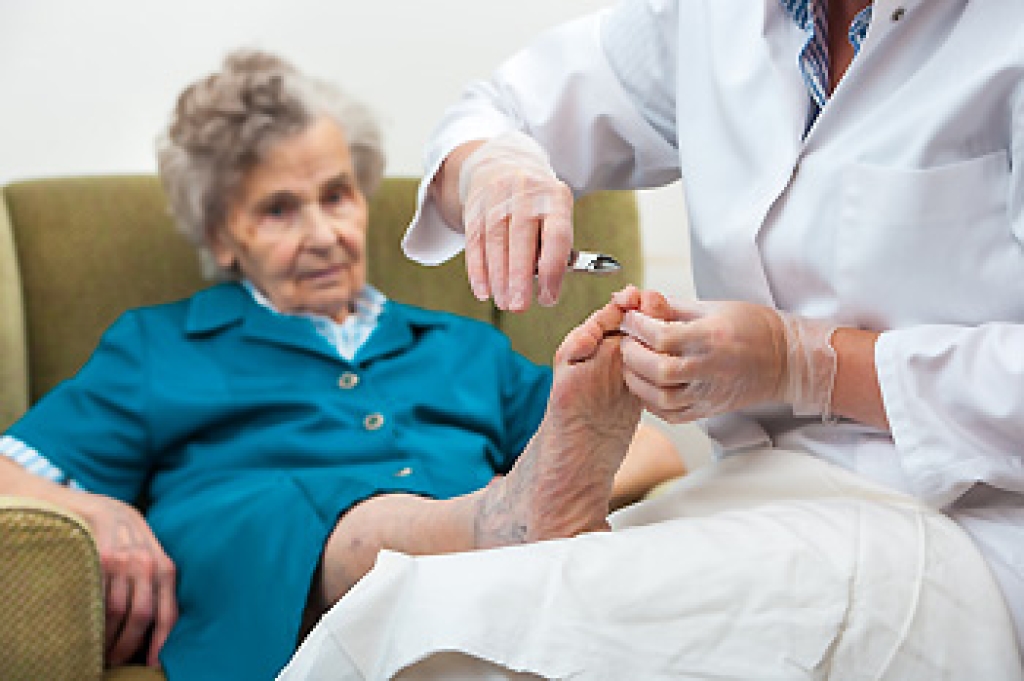
Foot Health Tips for Seniors

Maintaining healthy feet as you age is an important way to improve overall well-being. Normal changes like foot widening, thinning skin, and reduced padding are common in older adults. However, wearing proper footwear, including well-fitted shoes and custom orthotic inserts, can help to alleviate discomfort. Establishing a regular foot care routine, including washing, moisturizing, and trimming the toenails, is essential. Engaging in light exercise promotes circulation and flexibility, benefiting foot health as well as overall well being. Be vigilant for abnormal signs, such as persistent sores, joint pain, bunions, hammertoes, or frequent falls, which may indicate underlying health issues that require medical attention. Regular podiatric check-ups are a good way to monitor foot health and address concerns as they arise. Opt for foot-friendly shoes with a wide toe box and low heels to reduce pressure and minimize the risk of falls. For help with any foot problems that arise as you age, it is suggested you schedule regular visits with a podiatrist.

Proper foot care is something many older adults forget to consider. If you have any concerns about your feet and ankles, contact Rahil Baxamusa, DPM from Illinois. Our doctor can provide the care you need to keep you pain-free and on your feet.

The Elderly and Their Feet

As we age we start to notice many changes in our body, but the elder population may not notice them right away. Medical conditions may prevent the elderly to take notice of their foot health right away. Poor vision is a lead contributor to not taking action for the elderly.

Common Conditions 

  • Neuropathy – can reduce feeling in the feet and can hide many life-threatening medical conditions.
  • Reduced flexibility – prevents the ability of proper toenail trimming, and foot cleaning. If left untreated, it may lead to further medical issues.
  • Foot sores – amongst the older population can be serious before they are discovered. Some of the problematic conditions they may face are:
  • Gouging toenails affecting nearby toe
  • Shoes that don’t fit properly
  • Pressure sores
  • Loss of circulation in legs & feet
  • Edema & swelling of feet and ankles

Susceptible Infections

Diabetes and poor circulation can cause general loss of sensitivity over the years, turning a simple cut into a serious issue.

If you have any questions, please feel free to contact our office located in Crystal Lake, IL . We offer the newest diagnostic and treatment technologies for all your foot care needs.
Read more about Elderly Foot Care

How to Recognize Charcot Foot

Charcot-Marie-Tooth, or CMT disease, is a genetic condition that affects the peripheral nerves. It can be recognized by progressive muscle weakness, particularly in the arms and legs. The condition is named after Jean Charcot, Pierre Marie, and Howard Henry Tooth, the physicians who first described it. Symptoms of Charcot foot often begin in adolescence or early adulthood and may include weakness and wasting of muscles in the foot and lower leg, as well as a loss of sensation in toes, and lower limbs. Additional symptoms can include abnormalities in foot muscles, unstable ankles, cramping in lower legs, and reduced reflexes. Over time, symptoms may worsen, leading to increased muscle and joint pain, neuropathic pain, and walking and mobility problems. Assistive devices, such as wheelchairs, leg braces, special shoes, or orthopedic devices, play an essential role in managing Charcot-Marie-Tooth disease. If you believe you may be experiencing symptoms of CMT, it is suggested that you schedule an appointment with a podiatrist for a comprehensive assessment and personalized care planning.

Some foot conditions may require additional professional care. If you have any concerns, contact Rahil Baxamusa, DPM of Illinois. Our doctor can provide the care you need to keep you pain-free and on your feet.

Rare Foot Conditions

The majority of foot conditions are common and can be treated by a podiatrist.  Standard diagnostic procedures are generally used to identify specific conditions and treatment can be rendered. A podiatrist also treats rare foot conditions which can be difficult to diagnose and may need extra attention and care. 

There are many rare foot conditions that can affect children. Some of these can include:

  • Freiberg’s disease
  • Kohler’s disease
  • Maffucci syndrome

Freiberg’s disease - This can be seen as a deterioration and flattening of a metatarsal bone that exists in the ball of the foot. It typically affects pre-teen and teenage girls, but can affect anyone at any age. Symptoms that can accompany this can be swelling, stiffness, and the patient may limp. 

Kohler’s disease - This often targets the bone in the arch of the foot and affects younger boys. It can lead to an interruption of the blood supply which ultimately can lead to bone deterioration. The patient may limp or experience tenderness, swelling, and redness.

Maffucci syndrome - This affects the long bones in a child’s foot leading to the development of abnormal bone lesions. They are benign growths and typically develop in early childhood and the bones may be susceptible to breaking. 

A podiatrist can properly diagnose and treat all types of rare foot conditions. If your child is affected by any of these symptoms or conditions, please don’t hesitate to call our office so the correct treatment method can begin.

If you have any questions, please feel free to contact our office located in Crystal Lake, IL . We offer the newest diagnostic and treatment technologies for all your foot care needs.

Read more about Rare Foot Conditions

Causes of Big Toe Pain

Pain in the big toe can be attributed to various causes, including arthritis, fractures, and gout. While most cases are manageable with conservative remedies, certain conditions like sesamoiditis may necessitate more specialized treatment. Arthritis, specifically hallux rigidus, is a common culprit, often affecting individuals over the age of 50, particularly women. Ingrown toenails can also lead to discomfort when toenails are cut too short or improperly. Gout, characterized by the buildup of uric acid in joints, frequently targets the big toe joint. Turf toe, a sports-related injury resulting from repetitive bending or jamming, is more prevalent among athletes on artificial turf. Sesamoiditis, common in runners and ballet dancers, results from inflammation of tendons around the sesamoid bones below the big toe. Toe fractures are commonplace due to various activities or accidents. Bunions, deformities at the base of the big toe, can cause discomfort and joint inflammation. Other potential causes encompass nail infections, Raynaud's disease, Morton's neuroma, and rheumatoid arthritis. If you have unexplained, persistent big toe pain, or if it is worsening, it is suggested that you schedule an appointment with a podiatrist for diagnosis and treatment.

Toe pain can disrupt your daily activities. If you have any concerns, contact Rahil Baxamusa, DPM of Illinois. Our doctor can provide the care you need to keep you pain-free and on your feet.

What Causes Toe Pain?

Most severe toe pain is caused due to a sports injury, trauma from dropping something heavy on the toe, or bumping into something rigid. Other problems can develop over time for various reasons.

Toe pain can be caused by one or more ailments. The most common include:

  • Trauma
  • Sports injury
  • Wearing shoes that are too tight
  • Arthritis
  • Gout
  • Corns and calluses
  • Hammertoe
  • Bunions
  • Blisters
  • Ingrown toenails
  • Sprains
  • Fractures (broken bones)
  • Dislocations

When to See a Podiatrist

  • Severe pain
  • Persistent pain that lasts more than a week
  • Signs of infection
  • Continued swelling
  • Pain that prevents walking

Diagnosis

In many cases the cause of toe pain is obvious, but in others, a podiatrist may want to use more advanced methods to determine the problem. These can range from simple visual inspections and sensation tests to X-rays and MRI scans. Prior medical history, family medical history, and any recent physical traumatic events will all be taken into consideration for a proper diagnosis.

Treatment

Treatments for toe pain and injuries vary and may include shoe inserts, padding, taping, medicines, injections, and in some cases, surgery. If you believe that you have broken a toe, please see a podiatrist as soon as possible.

If you have any questions please contact our office located in Crystal Lake, IL . We offer the newest diagnostic and treatment technologies for all your foot and ankle needs.

Read more about Toe Pain

Connect With Us