Causes and Symptoms of Turf Toe

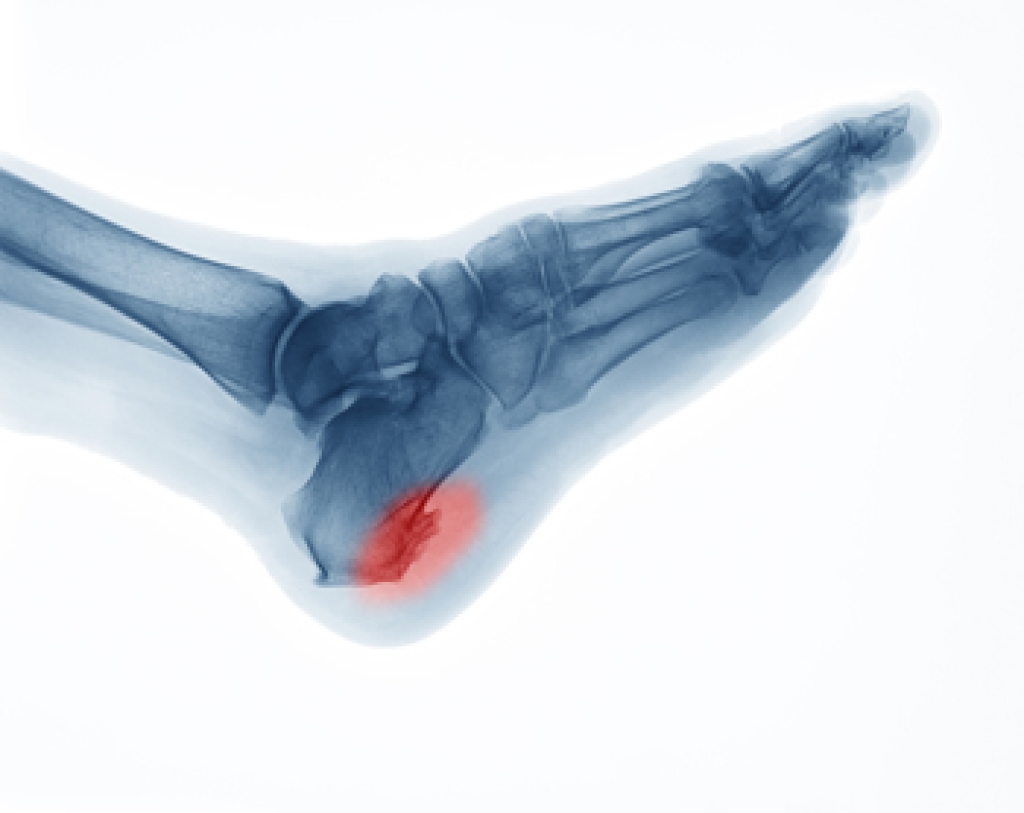
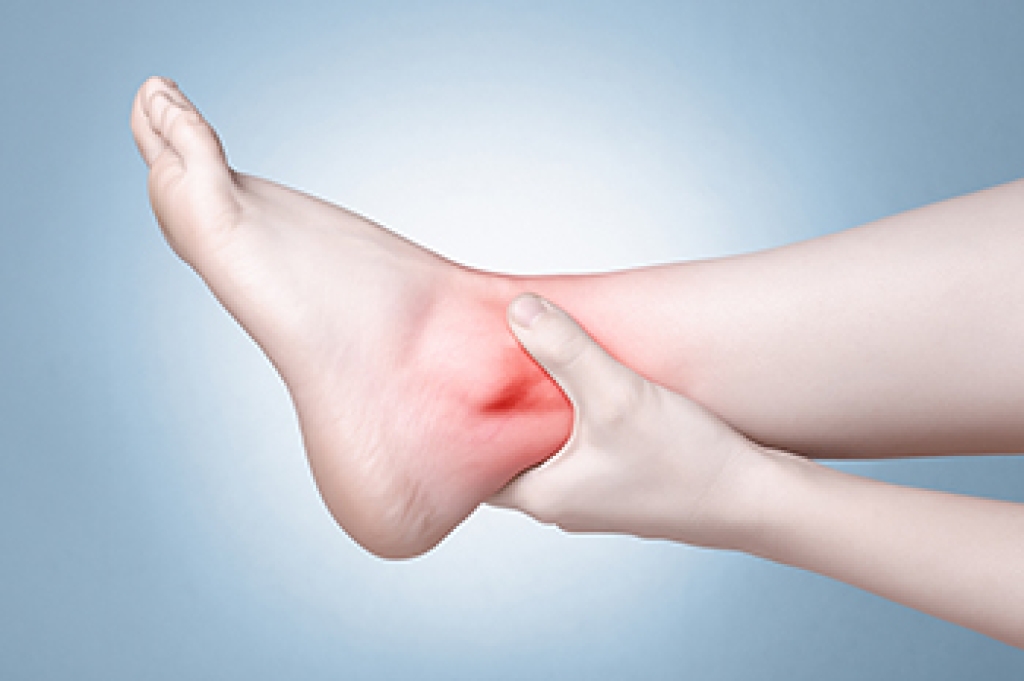
Turf toe is an injury that occurs when the big toe is bent past 90 degrees and the heel is high off the ground. Imagine a runner or football player in the starting position. Pushing off forcefully can cause the joint to extend beyond its natural range of motion. That in turn causes the tissues in the joint to be stretched or torn. Turf toe can also be the result of actions repeated over a long period, such as a ballet dancer jumping or leaping. It can also be caused by trauma, such as  when an athlete makes a sudden change of direction while running. There are three grades of turf toe. Grade 1 is when the tissue is stretched, but not torn. Symptoms include mild pain and swelling. Grade 2 is when the tissue is partially torn, causing intense discomfort over a broader area, along with swelling and some bruising. In Grade 3 injuries, the tissue is more severely torn, and the joint may become dislocated. Pain and swelling increases, and it is difficult to move the toe, let alone participate in physical activity. If you believe you have some form of turf toe, please consult a podiatrist for an immediate exam, diagnosis, and treatment options. 

Toe pain can disrupt your daily activities. If you have any concerns, contact Rahil Baxamusa, DPM of Illinois. Our doctor can provide the care you need to keep you pain-free and on your feet.

What Causes Toe Pain?

Most severe toe pain is caused due to a sports injury, trauma from dropping something heavy on the toe, or bumping into something rigid. Other problems can develop over time for various reasons.

Toe pain can be caused by one or more ailments. The most common include:

  • Trauma
  • Sports injury
  • Wearing shoes that are too tight
  • Arthritis
  • Gout
  • Corns and calluses
  • Hammertoe
  • Bunions
  • Blisters
  • Ingrown toenails
  • Sprains
  • Fractures (broken bones)
  • Dislocations

When to See a Podiatrist

  • Severe pain
  • Persistent pain that lasts more than a week
  • Signs of infection
  • Continued swelling
  • Pain that prevents walking

Diagnosis

In many cases the cause of toe pain is obvious, but in others, a podiatrist may want to use more advanced methods to determine the problem. These can range from simple visual inspections and sensation tests to X-rays and MRI scans. Prior medical history, family medical history, and any recent physical traumatic events will all be taken into consideration for a proper diagnosis.

Treatment

Treatments for toe pain and injuries vary and may include shoe inserts, padding, taping, medicines, injections, and in some cases, surgery. If you believe that you have broken a toe, please see a podiatrist as soon as possible.

If you have any questions please contact our office located in Crystal Lake, IL . We offer the newest diagnostic and treatment technologies for all your foot and ankle needs.

Read more about Toe Pain

Possible Complications From Cuboid Syndrome

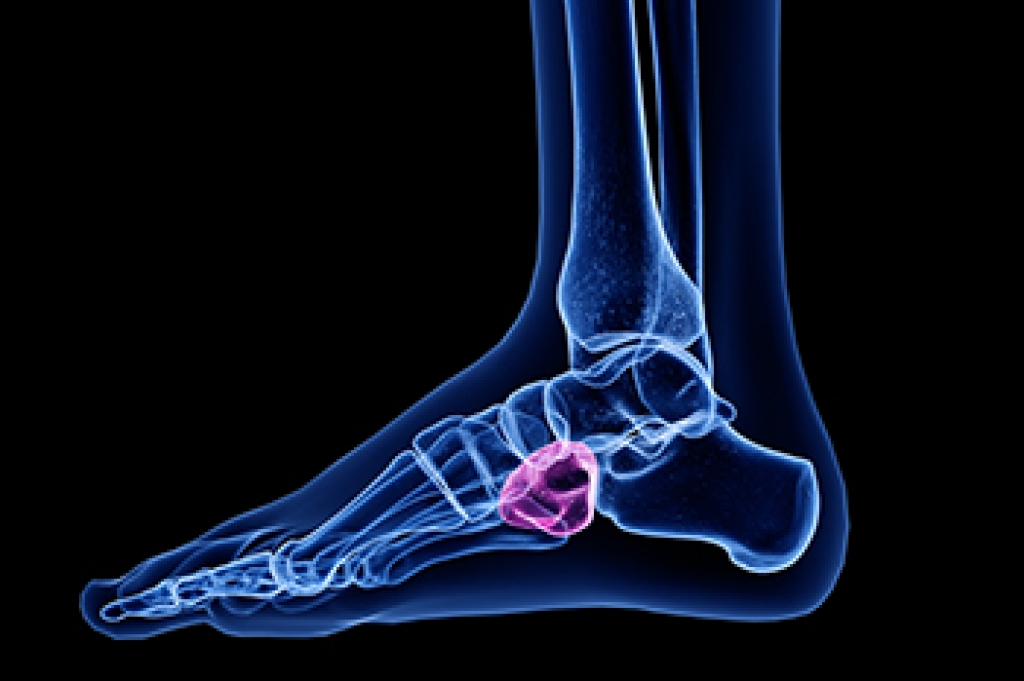
The location of the cuboid bone is on the outside of the foot. When this bone becomes fractured or injured it is referred to as cuboid syndrome. The cuboid bone is the only part of the foot that supports the fourth and fifth toes which significantly contribute to foot movements. Many people who suffer from a cuboid fracture may experience mobility problems and they may have a limited range of motion. This can make it difficult to complete everyday activities and the fracture site may become bruised or appear swollen. Balance may be affected and specific stretches and exercises may need to be performed to improve flexibility and strength of the overall foot. Cuboid syndrome or a fracture may lead to the development of degenerative arthritis. This may be a result of a loss or damage that has been done to the cartilage and the bones may rub together. This can be a serious foot condition. If you are afflicted with foot pain and think it may be cuboid syndrome, please consult with a podiatrist who can offer you the best treatment methods.

Cuboid syndrome, also known as cuboid subluxation, occurs when the joints and ligaments near the cuboid bone in the foot become torn. If you have cuboid syndrome, consult with Rahil Baxamusa, DPM from Illinois. Our doctor will assess your condition and provide you with quality foot and ankle treatment.

Cuboid syndrome is a common cause of lateral foot pain, which is pain on the outside of the foot. The condition may happen suddenly due to an ankle sprain, or it may develop slowly overtime from repetitive tension through the bone and surrounding structures.

Causes

The most common causes of cuboid syndrome include:

  • Injury – The most common cause of this ailment is an ankle sprain.
  • Repetitive Strain – Tension placed through the peroneus longus muscle from repetitive activities such as jumping and running may cause excessive traction on the bone causing it to sublux.
  • Altered Foot Biomechanics – Most people suffering from cuboid subluxation have flat feet.

Symptoms

A common symptom of cuboid syndrome is pain along the outside of the foot which can be felt in the ankle and toes. This pain may create walking difficulties and may cause those with the condition to walk with a limp.

Diagnosis

Diagnosis of cuboid syndrome is often difficult, and it is often misdiagnosed. X-rays, MRIs and CT scans often fail to properly show the cuboid subluxation. Although there isn’t a specific test used to diagnose cuboid syndrome, your podiatrist will usually check if pain is felt while pressing firmly on the cuboid bone of your foot.

Treatment

Just as the range of causes varies widely, so do treatments. Some more common treatments are ice therapy, rest, exercise, taping, and orthotics.

If you have any questions, please feel free to contact our office located in Crystal Lake, IL . We offer the newest diagnostic and treatment technologies for all your foot care needs.

Read more about Cuboid Syndrome

Three Grades of Ankle Sprains

A common form of ankle pain is a sprain. It can be painful and is often difficult to walk. Ankle sprains can happen as a result of twisting the ankle unexpectedly while stepping off a curb, and from changing direction when running on uneven surfaces. Many times the ligament on the outside of the ankle becomes damaged from the twist and this is known as the lateral ligament. The best way to diagnose an ankle sprain is via X-ray. This imaging is an effective method of ruling out a broken ankle. The symptoms that many patients experience include bruising, swelling, and the inability to walk. There are three grades of ankle sprains that people can endure. Grade one is the least painful, and consists of a few tissue fibers that are torn. Considerable pain often accompanies grade two and involves more fibrous tissues torn. Patients are often unable to walk with a grade three sprain, and this is classified as a complete tear of the ligament. Mild relief may come from elevating the affected ankle frequently during the day as this may reduce existing swelling. An ankle sprain can be treated by a podiatrist, and it is important to schedule an appointment as quickly as possible so the correct treatment can begin.

Ankle sprains are common but need immediate attention. If you need your feet checked, contact Rahil Baxamusa, DPM from Illinois. Our doctor can provide the care you need to keep you pain-free and on your feet.

How Does an Ankle Sprain Occur?

Ankle sprains take place when the ligaments in your ankle are torn or stretched beyond their limits. There are multiple ways that the ankle can become injured, including twisting or rolling over onto your ankle, putting undue stress on it, or causing trauma to the ankle itself.

What Are the Symptoms?

  • Mild to moderate bruising
  • Limited mobility
  • Swelling
  • Discoloration of the skin (depending on severity)

Preventing a Sprain

  • Wearing appropriate shoes for the occasion
  • Stretching before exercises and sports
  • Knowing your limits

Treatment of a Sprain

Treatment of a sprain depends on the severity.  Many times, people are told to rest and remain off their feet completely, while others are given an air cast. If the sprain is very severe, surgery may be required.

If you have suffered an ankle sprain previously, you may want to consider additional support such as a brace and regular exercises to strengthen the ankle.

If you have any questions please feel free to contact our office located in Crystal Lake, IL . We offer the newest diagnostic tools and technology to treat your foot and ankle needs.

Read more about Ankle Sprains

You Can Get Achilles Tendon Pain From Cycling

If you cycle and have pain near the bottom of the calf or back of the ankle, it could be Achilles pain. The Achilles tendons are at the back of the ankle and connect the calf muscle to the heel. If this area is sore during or after riding your bike, you likely have Achilles tendonitis or tendinosis. If your Achilles tendon gets inflamed or you sustain micro tears or compromised blood flow to the area, it could halt your cycling. Paying attention to the proper bike fit, saddle height, and pedal/cleat set-up for your frame and feet, as well as doing stretching and strengthening exercises before and after riding, could prevent these injuries. Similarly, consider that you may need more support inside your shoes to prevent over pronation of the knees and leg stress while pedaling. If issues arise and you feel pain in your ankles or feet from cycling, seek out a podiatrist for the proper diagnosis and treatment of your condition.

Achilles tendon injuries need immediate attention to avoid future complications. If you have any concerns, contact Rahil Baxamusa, DPM of Illinois. Our doctor can provide the care you need to keep you pain-free and on your feet.

What Is the Achilles Tendon?

The Achilles tendon is a tendon that connects the lower leg muscles and calf to the heel of the foot. It is the strongest tendon in the human body and is essential for making movement possible. Because this tendon is such an integral part of the body, any injuries to it can create immense difficulties and should immediately be presented to a doctor.

What Are the Symptoms of an Achilles Tendon Injury?

There are various types of injuries that can affect the Achilles tendon. The two most common injuries are Achilles tendinitis and ruptures of the tendon.

Achilles Tendinitis Symptoms

  • Inflammation
  • Dull to severe pain
  • Increased blood flow to the tendon
  • Thickening of the tendon

Rupture Symptoms

  • Extreme pain and swelling in the foot
  • Total immobility

Treatment and Prevention

Achilles tendon injuries are diagnosed by a thorough physical evaluation, which can include an MRI. Treatment involves rest, physical therapy, and in some cases, surgery. However, various preventative measures can be taken to avoid these injuries, such as:

  • Thorough stretching of the tendon before and after exercise
  • Strengthening exercises like calf raises, squats, leg curls, leg extensions, leg raises, lunges, and leg presses

If you have any questions please feel free to contact our office located in Crystal Lake, IL . We offer the newest diagnostic tools and technology to treat your foot and ankle needs.

Read more about What are Achilles Tendon Injuries

Wearing Orthotics May Help Heel Spurs

A bony growth that forms on the back of the heel bone is known as a heel spur. It can gradually produce severe pain and discomfort, and it may become difficult to walk. A heel spur can develop for several reasons, including wearing shoes that do not fit correctly, exercising on hard surfaces, or standing for long periods. A common symptom that many people experience is a sharp pain in the bottom of the heel, and this may diminish while walking. After a proper diagnosis is performed, correct treatment can begin. It may be beneficial to practice specific stretches that can help to ease the pain of a heel spur. An effective stretch consists of standing on a step and lowering the heel until a gentle pull is felt. Some patients find it can help to wear custom-made orthotics that can control the excess motion that affects the bottom of the foot. Additionally, orthotics can help take the pressure off of a heel spur. If you are affected by this painful foot condition, please consult with a podiatrist who can determine what the best form of treatment is for you.

Heel spurs can be incredibly painful and sometimes may make you unable to participate in physical activities. To get medical care for your heel spurs, contact Rahil Baxamusa, DPM from Illinois. Our doctor will do everything possible to treat your condition.

Heels Spurs

Heel spurs are formed by calcium deposits on the back of the foot where the heel is. This can also be caused by small fragments of bone breaking off one section of the foot, attaching onto the back of the foot. Heel spurs can also be bone growth on the back of the foot and may grow in the direction of the arch of the foot.

Older individuals usually suffer from heel spurs and pain sometimes intensifies with age. One of the main condition's spurs are related to is plantar fasciitis.

Pain

The pain associated with spurs is often because of weight placed on the feet. When someone is walking, their entire weight is concentrated on the feet. Bone spurs then have the tendency to affect other bones and tissues around the foot. As the pain continues, the feet will become tender and sensitive over time.

Treatments

There are many ways to treat heel spurs. If one is suffering from heel spurs in conjunction with pain, there are several methods for healing. Medication, surgery, and herbal care are some options.

If you have any questions, please feel free to contact our office located in Crystal Lake, IL . We offer the newest diagnostic and treatment technologies for all your foot care needs.

Read more about Heel Spurs

How Long Is the Education Process for Podiatry?

Doctors who treat ailments of the foot are referred to as podiatrists. They are skilled in diagnosing various foot conditions in addition to providing quality treatment. Podiatric medicine is considered to be a specialty, involving the feet and ankles. There are several areas of this type of medicine to be proficient in, including public health, orthopedics, or surgery. These doctors are able to correct foot deformities, and can advise patients on how to care for their foot conditions. The education process starts with earning a bachelor's degree, followed by completing a Doctor of Podiatric Medicine (DPM) program. This takes approximately four years to complete. The next step is to enroll in a podiatric medicine and surgery residency program. It is mandatory for podiatrists to obtain a license to practice podiatry in their specific state, in addition to passing a state exam. Many podiatrists choose to work in an office or hospital, or can become part of a group practice. If you are interested in pursuing podiatry as a career, it is suggested that you speak with a podiatrist about any questions or concerns you may have.

If you are experiencing pain in the feet or ankles, don’t join the stubborn majority refusing treatment. Feel free to contact Rahil Baxamusa, DPM from Illinois. Our doctor can provide the care you need to keep you pain-free and on your feet.

What Is a Podiatrist?

Someone would seek the care of a podiatrist if they have suffered a foot injury or have common foot ailments such as heal spurs, bunions, arch problems, deformities, ingrown toenails, corns, foot and ankle problems, etc.

Podiatric Treatment

A podiatrist will treat the problematic areas of the feet, ankle or lower leg by prescribing the following:

  • Physical therapy
  • Drugs
  • Orthotic inserts or soles
  • Surgery on lower extremity fractures

A common podiatric procedure a podiatrist will use is a scanner or force plate which will allow the podiatrist to know the designs of orthotics. Patients are then told to follow a series of tasks to complete the treatment. The computer will scan the foot a see which areas show weight distribution and pressure points. The podiatrist will read the analysis and then determine which treatment plans are available.

If you have any questions, please feel free to contact our office located in Crystal Lake, IL . We offer the newest diagnostic and treatment technologies for all your foot care needs.

Read more about What is a Podiatrist?

Injuries to the Peroneal Tendons of the Ankle

The ankle is a complex structure of bones, muscles, ligaments, and tendons that work together to help you stand, walk, and run. A tendon is a band of tissue that connects muscles to bones. Two peroneal tendons are located on the outer side of the ankle. One connects the bone to the metatarsal on the outside of the foot, and the other runs beneath the foot and connects to the arch. Their job is to stabilize the foot and ankle muscles, helping to prevent strains. Injury to these tendons is common among athletes and people with high arches. The three main categories of peroneal tendon injuries are tendonitis, acute tears, and subluxation. Tendonitis, or inflammation, is most likely the result of repetitive use or overuse that causes pain, swelling, and warmth to the touch. Acute tears are commonly caused by repetitive activity or trauma that results in pain, swelling, and ankle joint instability. Subluxation occurs when the tendon slips out of position, often after an ankle sprain. Symptoms include a snapping feeling in the ankle, along with weakness and instability. If you have injured your ankle, it is suggested you consult a podiatrist as soon as possible for an exam and diagnosis. 

Ankle pain can be caused by a number of problems and may be potentially serious. If you have ankle pain, consult with Rahil Baxamusa, DPM from Illinois. Our doctor will assess your condition and provide you with quality foot and ankle treatment.

Ankle pain is any condition that causes pain in the ankle. Due to the fact that the ankle consists of tendons, muscles, bones, and ligaments, ankle pain can come from a number of different conditions.

Causes

The most common causes of ankle pain include:

  • Types of arthritis (rheumatoid, osteoarthritis, and gout)
  • Ankle sprains
  • Broken ankles
  • Achilles tendonitis
  • Achilles tendon rupture
  • Stress fractures
  • Bursitis
  • Tarsal tunnel syndrome
  • Plantar fasciitis

Symptoms

Symptoms of ankle injury vary based upon the condition. Pain may include general pain and discomfort, swelling, aching, redness, bruising, burning or stabbing sensations, and/or loss of sensation.

Diagnosis

Due to the wide variety of potential causes of ankle pain, podiatrists will utilize a number of different methods to properly diagnose ankle pain. This can include asking for personal and family medical histories and of any recent injuries. Further diagnosis may include sensation tests, a physical examination, and potentially x-rays or other imaging tests.

Treatment

Just as the range of causes varies widely, so do treatments. Some more common treatments are rest, ice packs, keeping pressure off the foot, orthotics and braces, medication for inflammation and pain, and surgery.

If you have any questions please feel free to contact our office located in Crystal Lake, IL . We offer the newest diagnostic tools and technology to treat your foot and ankle needs.

Read more about Ankle Pain

How Blisters on the Feet Can Be Prevented

Many runners know the pain and discomfort of a blister on their feet while trying to walk or run. Most blisters develop from friction due to wearing shoes and socks that do not fit correctly which can damage the skin. At first, a blister looks like a bubble filled with liquid that protects the raw skin. When new skin has formed the blister will gradually drain on its own. To help prevent blisters from forming ensure running shoes fit correctly and observe the surfaces that you walk or run on. People who enjoy running marathons may be aware of blister prevention by using tape and adhesive on a specific area on the foot, followed by performing a test run to determine if it's placed properly. Runners find that having a blister on the foot changes the way their practice is done, and it can affect the biomechanics of the foot. It could lead to slower running, which may lead to running in the elements longer than expected. If you would like more information about blisters and their prevention, please confer with a podiatrist.

Blisters are prone to making everyday activities extremely uncomfortable. If your feet are hurting, contact Rahil Baxamusa, DPM of Illinois. Our doctor can provide the care you need to keep you pain-free and on your feet.

Foot Blisters

Foot blisters develop as a result of constantly wearing tight or ill-fitting footwear. This happens due to the constant rubbing from the shoe, which can often lead to pain.

What Are Foot Blisters?

A foot blister is a small fluid-filled pocket that forms on the upper-most layer of the skin. Blisters are filled with clear fluid and can lead to blood drainage or pus if the area becomes infected.

How Do Blisters Form?

Blisters on the feet are often the result of constant friction of skin and material, usually by shoe rubbing. Walking in sandals, boots, or shoes that don’t fit properly for long periods of time can result in a blister. Having consistent foot moisture and humidity can easily lead to blister formation.

Prevention & Treatment

It is important to properly care for the affected area in order to prevent infection and ease the pain. Do not lance the blister and use a Band-Aid to provide pain relief. Also, be sure to keep your feet dry and wear proper fitting shoes. If you see blood or pus in a blister, seek assistance from a podiatrist.

If you have any questions, please feel free to contact our office located in Crystal Lake, IL . We offer the newest diagnostic and treatment technologies for all your foot care needs.

Read more about Blisters on the Feet

Connect With Us