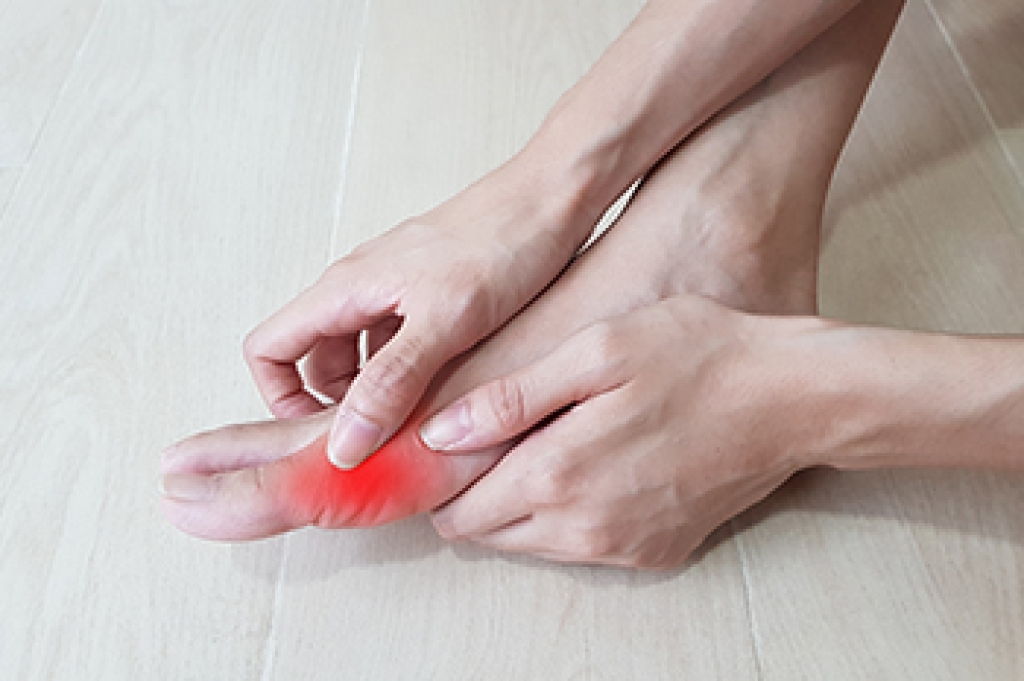
How Gout Differs From Rheumatoid Arthritis

Gout and rheumatoid arthritis, also known as RA, are two distinct medical conditions that can affect joints in the feet and ankles, and they can be differentiated based on various factors. Gout is caused by the accumulation of uric acid crystals in the joints, usually due to an overproduction or under-excretion of uric acid. In contrast, RA is an autoimmune disease where the body's immune system mistakenly attacks its own joints, leading to inflammation. The symptoms of gout and RA also vary. Gout typically presents with sudden and intense pain in one joint, often the big toe, along with redness and swelling. RA, on the other hand, typically affects multiple joints symmetrically and causes chronic pain, morning stiffness, and joint deformities over time. Laboratory tests can help distinguish between the two conditions. Elevated levels of uric acid in the blood or the presence of uric acid crystals in joint fluid are indicative of gout. RA is characterized by the presence of specific auto-antibodies, like rheumatoid factor and anti-cyclic citrullinated peptide antibodies. If you have pain in your foot or ankle joints, it is suggested that you schedule an appointment with a podiatrist for proper testing and a diagnosis so that the right treatment can be administered.

Gout is a painful condition that can be treated. If you are seeking treatment, contact Rahil Baxamusa, DPM from Illinois. Our doctor will treat your foot and ankle needs.

What Is Gout?

Gout is a form of arthritis that is characterized by sudden, severe attacks of pain, redness, and tenderness in the joints. The condition usually affects the joint at the base of the big toe. A gout attack can occur at any random time, such as the middle of the night while you are asleep.

Symptoms

  • Intense Joint Pain - Usually around the large joint of your big toe, and it most severe within the first four to twelve hours
  • Lingering Discomfort - Joint discomfort may last from a few days to a few weeks
  • Inflammation and Redness -Affected joints may become swollen, tender, warm and red
  • Limited Range of Motion - May experience a decrease in joint mobility

Risk Factors

  • Genetics - If family members have gout, you’re more likely to have it
  • Medications - Diuretic medications can raise uric acid levels
  • Gender/Age - Gout is more common in men until the age of 60. It is believed that estrogen protects women until that point
  • Diet - Eating red meat and shellfish increases your risk
  • Alcohol - Having more than two alcoholic drinks per day increases your risk
  • Obesity - Obese people are at a higher risk for gout

Prior to visiting your podiatrist to receive treatment for gout, there are a few things you should do beforehand. If you have gout you should write down your symptoms--including when they started and how often you experience them, important medical information you may have, and any questions you may have. Writing down these three things will help your podiatrist in assessing your specific situation so that he or she may provide the best route of treatment for you.

If you have any questions, please feel free to contact our office located in Crystal Lake, IL . We offer the newest diagnostic and treatment technologies for all your foot care needs.


Read more about Gout

Plantar Warts Can Be Treated!

Plantar warts are small growths that develop on parts of the feet that bear weight. They're typically found on the bottom of the foot. Don't live with plantar warts, and call us today!

High Heels and Foot Deformities

Wearing high heels can have long-lasting effects on your feet and overall health. While they may be a fashionable choice, prolonged use can lead to various problems. Ankle injuries and stress fractures can occur even with short-term wear, especially if you are not accustomed to wearing heels. Additionally, high heels can contribute to arthritis in the knees and foot joints due to altered posture and gait. If you already have foot issues such as hammertoes, ingrown toenails, corns, or bunions, wearing high heels can exacerbate these problems. Pump bumps, or Haglund deformities, may form on the back of the heel due to friction. High heels can also lead to plantar fasciitis, Achilles tendinopathies, and calf problems.. If you enjoy wearing high heels and you would like to learn about how to protect the health of your feet and prevent foot deformities, it is suggested that you schedule an appointment with a podiatrist for professional advice.

High heels have a history of causing foot and ankle problems. If you have any concerns about your feet or ankles, contact Rahil Baxamusa, DPM from Illinois. Our doctor can provide the care you need to keep you pain-free and on your feet.

Effects of High Heels on the Feet

High heels are popular shoes among women because of their many styles and societal appeal.  Despite this, high heels can still cause many health problems if worn too frequently.

Which Parts of My Body Will Be Affected by High Heels?

  • Ankle Joints
  • Achilles Tendon – May shorten and stiffen with prolonged wear
  • Balls of the Feet
  • Knees – Heels cause the knees to bend constantly, creating stress on them
  • Back – They decrease the spine’s ability to absorb shock, which may lead to back pain.  The vertebrae of the lower back may compress.

What Kinds of Foot Problems Can Develop from Wearing High Heels?

  • Corns
  • Calluses
  • Hammertoe
  • Bunions
  • Morton’s Neuroma
  • Plantar Fasciitis

How Can I Still Wear High Heels and Maintain Foot Health?

If you want to wear high heeled shoes, make sure that you are not wearing them every day, as this will help prevent long term physical problems.  Try wearing thicker heels as opposed to stilettos to distribute weight more evenly across the feet.  Always make sure you are wearing the proper shoes for the right occasion, such as sneakers for exercising.  If you walk to work, try carrying your heels with you and changing into them once you arrive at work.  Adding inserts to your heels can help cushion your feet and absorb shock. Full foot inserts or metatarsal pads are available. 

If you have any questions, please feel free to contact our office located in Crystal Lake, IL . We offer the newest diagnostic and treatment technologies for all your foot care needs.
Read more about Why High Heels Are Not Ideal for Healthy Feet

Can Exercises Help Heel Spurs?

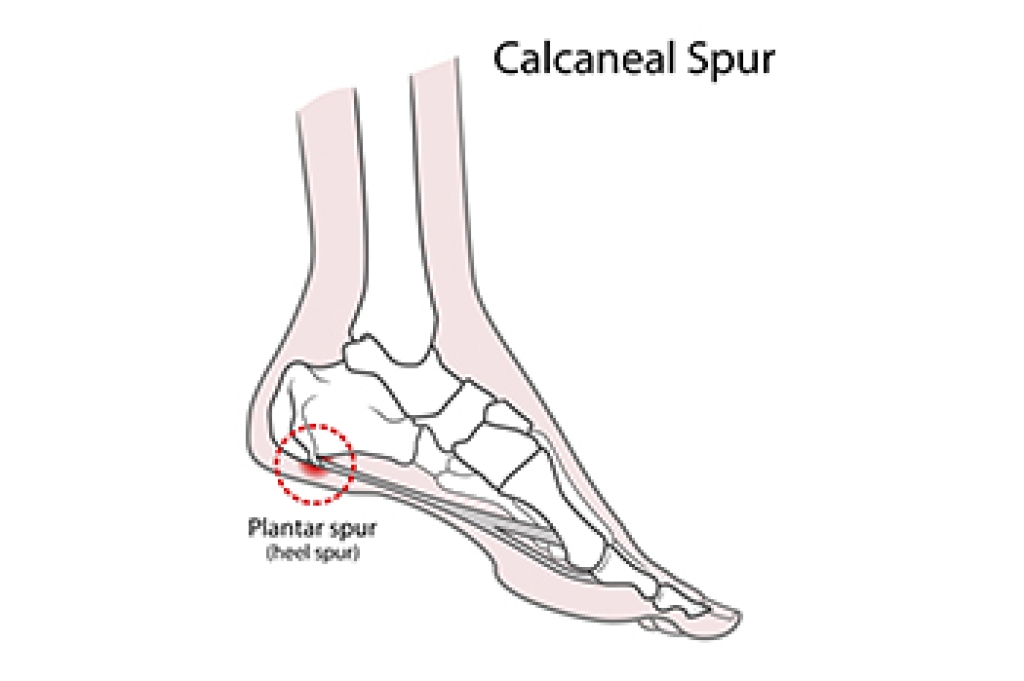
Heel spurs, bony outgrowths at the bottom of the heel bone, can be a source of persistent foot discomfort. Formed due to calcium deposits, heel spurs often accompany conditions like plantar fasciitis. The pain associated with heel spurs typically arises during weight-bearing activities, especially after rest periods. While rest and proper footwear are important components of managing heel spurs, specific exercises can provide relief. Stretching exercises, such as calf stretches and towel curls, may help to alleviate tension in the Achilles tendon and plantar fascia. Rolling a frozen water bottle under the foot can reduce inflammation. Strengthening exercises, like toe-tapping and marble pickups, enhance foot and ankle muscles, promoting better support. A podiatrist treats heel spurs. If you have developed this condition, it is suggested that you visit this type of doctor who can help you with appropriate treatment and guide you toward additional stretches. 

Heel spurs can be incredibly painful and sometimes may make you unable to participate in physical activities. To get medical care for your heel spurs, contact Rahil Baxamusa, DPM from Illinois. Our doctor will do everything possible to treat your condition.

Heels Spurs

Heel spurs are formed by calcium deposits on the back of the foot where the heel is. This can also be caused by small fragments of bone breaking off one section of the foot, attaching onto the back of the foot. Heel spurs can also be bone growth on the back of the foot and may grow in the direction of the arch of the foot.

Older individuals usually suffer from heel spurs and pain sometimes intensifies with age. One of the main condition's spurs are related to is plantar fasciitis.

Pain

The pain associated with spurs is often because of weight placed on the feet. When someone is walking, their entire weight is concentrated on the feet. Bone spurs then have the tendency to affect other bones and tissues around the foot. As the pain continues, the feet will become tender and sensitive over time.

Treatments

There are many ways to treat heel spurs. If one is suffering from heel spurs in conjunction with pain, there are several methods for healing. Medication, surgery, and herbal care are some options.

If you have any questions, please feel free to contact our office located in Crystal Lake, IL . We offer the newest diagnostic and treatment technologies for all your foot care needs.
Read more about Heel Spurs

What is a Sports Podiatrist?

A sports podiatrist is a healthcare specialist focused on treating and preventing foot and lower limb issues in athletes and other active individuals. They have a deep understanding of how the feet and legs function during physical activities and the specific stresses different sports place on these body parts. The role of a sports podiatrist is vital in enhancing athletic performance and preventing injuries. Sports podiatrists conduct thorough assessments, including gait analysis and biomechanical evaluations, to understand an athlete's foot structure and movement patterns. They offer expert advice on appropriate footwear and can design custom orthotic devices to correct biomechanical imbalances, enhance performance, or prevent injuries. They also treat a range of sports-related foot and ankle problems, ranging from overuse injuries to acute traumas. While all podiatrists can treat sports injuries to some degree, a sports podiatrist offers a more focused expertise in managing and preventing injuries specifically in athletes and those engaged in regular physical activities. If you are an athlete and are experiencing foot or ankle problems, it is suggested that you schedule an appointment with a podiatrist who has experience with sports injuries for an evaluation.

If you are experiencing pain in the feet or ankles, don’t join the stubborn majority refusing treatment. Feel free to contact Rahil Baxamusa, DPM from Illinois. Our doctor can provide the care you need to keep you pain-free and on your feet.

What Is a Podiatrist?

Someone would seek the care of a podiatrist if they have suffered a foot injury or have common foot ailments such as heal spurs, bunions, arch problems, deformities, ingrown toenails, corns, foot and ankle problems, etc.

Podiatric Treatment

A podiatrist will treat the problematic areas of the feet, ankle or lower leg by prescribing the following:

  • Physical therapy
  • Drugs
  • Orthotic inserts or soles
  • Surgery on lower extremity fractures

A common podiatric procedure a podiatrist will use is a scanner or force plate which will allow the podiatrist to know the designs of orthotics. Patients are then told to follow a series of tasks to complete the treatment. The computer will scan the foot a see which areas show weight distribution and pressure points. The podiatrist will read the analysis and then determine which treatment plans are available.

If you have any questions, please feel free to contact our office located in Crystal Lake, IL . We offer the newest diagnostic and treatment technologies for all your foot care needs.

Read more about What is a Podiatrist?

Connect With Us