Why Pronation of the Feet Matters

Understanding supination and pronation as they relate to the feet is essential for maintaining proper foot health. Supination refers to the positioning of your foot when your weight tends to be more on the outside during walking or running, essentially causing your foot to lean outward. Pronation means your weight tends to be more on the inside of your foot during these activities, causing your foot to lean inward. Ideally, during a proper stride, your foot should roll forward from heel to toe with neutral pronation, ensuring even weight distribution. Excessive supination places stress on the outer side of your foot and can lead to uneven wear on the outside of your shoe. It may result in various issues, including calluses, bunions, and pain in your heels and the balls of your feet. Excessive pronation involves your foot rolling toward the inside, leading to uneven wear on the inside of your shoe and potential pain in your arch, heel, and ankle. The causes of these pronation issues can be genetic, such as having a high arch or uneven leg lengths, or they can result from injuries, overuse, or walking on hard surfaces. Obesity or pregnancy may also increase overpronation. If you suspect issues with your foot mechanics, it is suggested that you make an appointment with a podiatrist for an exam and treatment plan options. 

If you have any concerns about your feet, contact Rahil Baxamusa, DPM from Illinois. Our doctor can provide the care you need to keep you pain-free and on your feet.

Biomechanics in Podiatry

Podiatric biomechanics is a particular sector of specialty podiatry with licensed practitioners who are trained to diagnose and treat conditions affecting the foot, ankle and lower leg. Biomechanics deals with the forces that act against the body, causing an interference with the biological structures. It focuses on the movement of the ankle, the foot and the forces that interact with them.

A History of Biomechanics

  • Biomechanics dates back to the BC era in Egypt where evidence of professional foot care has been recorded.
  • In 1974, biomechanics gained a higher profile from the studies of Merton Root, who claimed that by changing or controlling the forces between the ankle and the foot, corrections or conditions could be implemented to gain strength and coordination in the area.

Modern technological improvements are based on past theories and therapeutic processes that provide a better understanding of podiatric concepts for biomechanics. Computers can provide accurate information about the forces and patterns of the feet and lower legs.

Understanding biomechanics of the feet can help improve and eliminate pain, stopping further stress to the foot.

If you have any questions please feel free to contact our office located in Crystal Lake, IL . We offer the newest diagnostic and treatment technologies for all your foot and ankle needs.

Read more about The Importance of Biomechanics in Podiatry

How Shoes Can Affect Your Foot Health

Proper footwear is essential for preventing various foot conditions and discomfort. Here are some key considerations to keep in mind when choosing your footwear. Those who stand for extended periods on hard surfaces like concrete may experience heel and forefoot pain and calluses and corns. Opt for supportive shoes with softer soles and arch support to alleviate these stresses. This helps distribute your weight more evenly and reduces pressure on the feet. If you have foot soreness, consider lace-up boots. These boots can help maintain leg alignment and distribute even pressure on the muscles and ligaments around your foot. While high heels may be fashionable, they can cause forefoot pressure and deformities. By limiting their use, you can promote better foot health. For those engaged in physical activities, look for shoes that provide cushioning for shock absorption during activities such as running and jumping. Flexibility at the ball of the foot and proper heel support are other essential features. For further help with taking care of your feet through appropriate footwear, it is suggested that you seek the help of a podiatrist.

Everyday foot care is very important to prevent infection and other foot ailments. If you need your feet checked, contact Rahil Baxamusa, DPM from Illinois. Our doctor can provide the care you need to keep you pain-free and on your feet.

Everyday Foot Care

Often, people take care of their bodies, face and hair more so than they do for their feet. But the feet are a very important aspect of our bodies, and one that we should pay more attention to. Without our feet, we would not be able to perform most daily tasks.

It is best to check your feet regularly to make sure there are no new bruises or cuts that you may not have noticed before. For dry feet, moisturizer can easily be a remedy and can be applied as often as necessary to the affected areas. Wearing shoes that fit well can also help you maintain good foot health, as well as making it easier to walk and do daily activities without the stress or pain of ill-fitting shoes, high heels, or even flip flops. Wearing clean socks with closed shoes is important to ensure that sweat and bacteria do not accumulate within the shoe. Clean socks help to prevent Athlete’s foot, fungi problems, bad odors, and can absorb sweat.

If you have any questions, please feel free to contact our office located in Crystal Lake, IL . We offer the newest diagnostic and treatment technologies for all your foot care needs.

Read more about Every Day Foot Care

Understanding the Basics of Ingrown Toenails

Ingrown toenails are a common and often painful foot condition that can disrupt daily life. Understanding the definition and recognizing the symptoms is essential for managing this ailment effectively. An ingrown toenail occurs when the edge of a toenail, usually the big toe, grows into the surrounding skin instead of over it. This can lead to redness, swelling, and tenderness along the side of the affected toe. As the nail continues to dig into the skin, it can cause pain and discomfort, making it a challenge to wear shoes or walk comfortably. In some cases, ingrown toenails can become infected, resulting in pus drainage and increased pain. The common culprits behind ingrown toenails include improper nail trimming, wearing tight-fitting shoes, hereditary factors, or injury. It is helpful for individuals with diabetes, poor circulation, or weakened immunity to be especially cautious, as ingrown toenails can lead to more severe complications. Timely intervention is important. Soaking the foot in warm, soapy water, gently lifting the ingrown edge of the nail, and keeping the area clean can help alleviate symptoms. If you have developed an ingrown toenail, it is strongly suggested that you are under the care of a podiatrist who can effectively treat this condition.

Ingrown toenails can become painful if they are not treated properly. For more information about ingrown toenails, contact Rahil Baxamusa, DPM of Illinois. Our doctor can provide the care you need to keep you pain-free and on your feet.

Ingrown Toenails

Ingrown toenails occur when a toenail grows sideways into the bed of the nail, causing pain, swelling, and possibly infection.

Causes

  • Bacterial infections
  • Improper nail cutting such as cutting it too short or not straight across
  • Trauma to the toe, such as stubbing, which causes the nail to grow back irregularly
  • Ill-fitting shoes that bunch the toes too close together
  • Genetic predisposition

Prevention

Because ingrown toenails are not something found outside of shoe-wearing cultures, going barefoot as often as possible will decrease the likeliness of developing ingrown toenails. Wearing proper fitting shoes and using proper cutting techniques will also help decrease your risk of developing ingrown toenails.

Treatment

Ingrown toenails are a very treatable foot condition. In minor cases, soaking the affected area in salt or antibacterial soaps will not only help with the ingrown nail itself, but also help prevent any infections from occurring. In more severe cases, surgery is an option. In either case, speaking to your podiatrist about this condition will help you get a better understanding of specific treatment options that are right for you.

If you have any questions, please feel free to contact our office located in Crystal Lake, IL . We offer the newest diagnostic and treatment technologies for all your foot care needs.

Read more about Ingrown Toenails

Negative Effects of Wearing High Heels

Wearing high heels can have serious consequences for your feet and overall well-being. While they may not be the most comfortable footwear, they are occasionally a desired shoe choice. Beyond the immediate discomfort, high heels can lead to several issues including foot and ankle injuries, arthritis, and aggravation of existing foot problems. These can include bunions, hammertoes, and an altered gait. To mitigate these issues, it is important to wear high heels in moderation, stretch regularly, and consider various foot therapy practices, such as reflexology and foot soaks. Choosing more supportive footwear is the ultimate cure for high-heel troubles. If you have foot or ankle pain associated with wearing high heels, it is suggested that you make an appointment with a podiatrist, the health care expert of the feet and ankles.

High heels have a history of causing foot and ankle problems. If you have any concerns about your feet or ankles, contact Rahil Baxamusa, DPM from Illinois. Our doctor can provide the care you need to keep you pain-free and on your feet.

Effects of High Heels on the Feet

High heels are popular shoes among women because of their many styles and societal appeal.  Despite this, high heels can still cause many health problems if worn too frequently.

Which Parts of My Body Will Be Affected by High Heels?

  • Ankle Joints
  • Achilles Tendon – May shorten and stiffen with prolonged wear
  • Balls of the Feet
  • Knees – Heels cause the knees to bend constantly, creating stress on them
  • Back – They decrease the spine’s ability to absorb shock, which may lead to back pain.  The vertebrae of the lower back may compress.

What Kinds of Foot Problems Can Develop from Wearing High Heels?

  • Corns
  • Calluses
  • Hammertoe
  • Bunions
  • Morton’s Neuroma
  • Plantar Fasciitis

How Can I Still Wear High Heels and Maintain Foot Health?

If you want to wear high heeled shoes, make sure that you are not wearing them every day, as this will help prevent long term physical problems.  Try wearing thicker heels as opposed to stilettos to distribute weight more evenly across the feet.  Always make sure you are wearing the proper shoes for the right occasion, such as sneakers for exercising.  If you walk to work, try carrying your heels with you and changing into them once you arrive at work.  Adding inserts to your heels can help cushion your feet and absorb shock. Full foot inserts or metatarsal pads are available. 

If you have any questions, please feel free to contact our office located in Crystal Lake, IL . We offer the newest diagnostic and treatment technologies for all your foot care needs.

Read more about Effect of High Heels on the Feet

Risk Factors for Gout

Gout, a painful form of arthritis, can disrupt your daily life, and if left untreated can cause serious joint damage. Recognizing the risk factors associated with gout is needed for prevention and early management. Diet plays a significant role, because a high intake of purine-rich foods like red meat, seafood, and alcohol increases uric acid levels, a primary trigger of gout. Genetics also play a role, as a family history of gout can elevate your risk. Certain genetic factors may predispose individuals to higher uric acid production or decreased excretion. Additionally, obesity is a contributing factor, as being overweight places added stress on joints and can lead to higher uric acid levels. Gout is more common in men, especially after the age of 30, and in women, the risk tends to increase after menopause. Certain medications can raise uric acid levels, and underlying health conditions like high blood pressure, diabetes, and kidney disease can further increase the risk of developing gout. To create a personalized prevention or treatment plan to battle gout it is suggested that you make an appointment with a podiatrist.

Gout is a foot condition that requires certain treatment and care. If you are seeking treatment, contact Rahil Baxamusa, DPM from Illinois. Our doctor will treat your foot and ankle needs.

What Is Gout?

Gout is a type of arthritis caused by a buildup of uric acid in the bloodstream. It often develops in the foot, especially the big toe area, although it can manifest in other parts of the body as well. Gout can make walking and standing very painful and is especially common in diabetics and the obese.

People typically get gout because of a poor diet. Genetic predisposition is also a factor. The children of parents who have had gout frequently have a chance of developing it themselves.

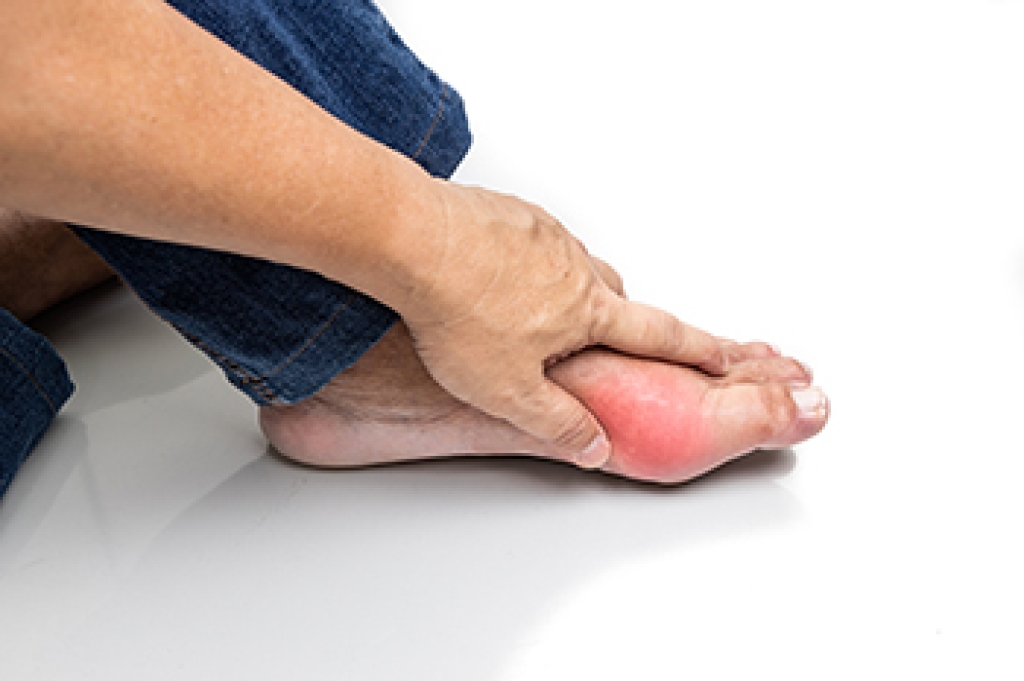
Gout can easily be identified by redness and inflammation of the big toe and the surrounding areas of the foot. Other symptoms include extreme fatigue, joint pain, and running high fevers. Sometimes corticosteroid drugs can be prescribed to treat gout, but the best way to combat this disease is to get more exercise and eat a better diet.

If you have any questions, please feel free to contact our office located in Crystal Lake, IL . We offer the newest diagnostic and treatment technologies for all your foot care needs.

Read more about Everything You Need to Know About Gout

Connect With Us