Clubfoot Symptoms

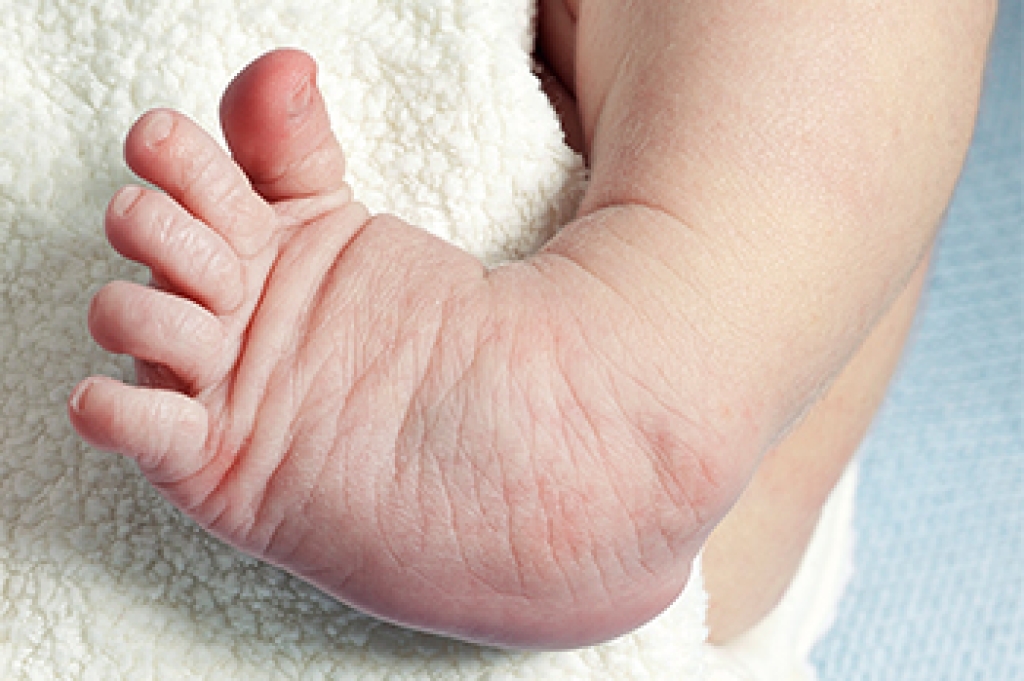
Clubfoot is a congenital condition where a baby’s foot or feet are twisted inward and downward, making them appear abnormal in shape and position. The exact cause of clubfoot is not fully understood, but it is believed to be a combination of genetic and environmental factors. It may occur when the tendons in the foot are too tight or shortened, causing the foot to rotate. In some cases, it can be associated with other conditions such as spina bifida or cerebral palsy. Symptoms of clubfoot include the foot appearing rotated, with the sole facing inward and the heel pointing downward. The affected foot may be smaller than normal, and the calf muscles may appear underdeveloped. If your child has been born with clubfoot, it is strongly suggested that you include a podiatrist on your healthcare team for effective treatment results.

Congenital foot problems require immediate attention to avoid future complications. If you have any concerns, contact Rahil Baxamusa, DPM of Illinois. Our doctor can provide the care you need to keep you pain-free and on your feet.

Congenital foot problems are deformities affecting the feet, toes, and/or ankles that children are born with. Some of these conditions have a genetic cause while others just happen. Some specific foot ailments that children may be born with include clubfeet, polydactyly/macrodactyly, and cleft foot. There are several other foot anomalies that can occur congenitally. What all of these conditions have in common is that a child may experience difficulty walking or performing everyday activities, as well as trouble finding footwear that fits their foot deformity. Some of these conditions are more serious than others. Consulting with a podiatrist as early as possible will help in properly diagnosing a child’s foot condition while getting the necessary treatment underway.

What are Causes of Congenital Foot Problem?

A congenital foot problem is one that happens to a child at birth. These conditions can be caused by a genetic predisposition, developmental or positional abnormalities during gestation, or with no known cause.

What are Symptoms of Congenital Foot Problems?

Symptoms vary by the congenital condition. Symptoms may consist of the following:

  • Clubfoot, where tendons are shortened, bones are shaped differently, and the Achilles tendon is tight, causing the foot to point in and down. It is also possible for the soles of the feet to face each other.
  • Polydactyly, which usually consists of a nubbin or small lump of tissue without a bone, a toe that is partially formed but has no joints, or an extra toe.
  • Vertical talus, where the talus bone forms in the wrong position causing other bones in the foot to line up improperly, the front of the foot to point up, and the bottom of the foot to stiffen, with no arch, and to curve out.
  • Tarsal coalition, when there is an abnormal connection of two or more bones in the foot leading to severe, rigid flatfoot.
  • Cleft foot, where there are missing toes, a V-shaped cleft, and other anatomical differences.
  • Macrodactyly, when the toes are abnormally large due to overgrowth of the underlying bone or soft tissue.

Treatment and Prevention

While there is nothing one can do to prevent congenital foot problems, raising awareness and receiving neonatal screenings are important. Early detection by taking your child to a podiatrist leads to the best outcome possible.

If you have any questions, please feel free to contact our office located in Crystal Lake, IL . We offer the newest diagnostic and treatment technologies for all your foot care needs.
Read more about Congenital Foot Problems

Symptoms and Causes of Poor Foot Circulation

Poor circulation in the feet can lead to several uncomfortable symptoms that may interfere with daily life. Numbness and tingling are often the first signs, creating a pins and needles sensation that can spread across the feet or toes. Swelling may also occur as blood flow becomes sluggish, causing fluid to build up in the tissues. Feet may feel unusually cold, and skin color can appear pale or bluish. Common causes of poor circulation include diabetes, peripheral artery disease, smoking, and prolonged inactivity. Wearing tight shoes or sitting for long periods may also restrict blood flow. Identifying and addressing the underlying cause is important, as poor circulation can lead to serious complications. If you have any of the above symptoms, it is suggested that you consult a podiatrist who can offer you effective relief and management tips.

While poor circulation itself isn’t a condition; it is a symptom of another underlying health condition you may have. If you have any concerns with poor circulation in your feet contact Rahil Baxamusa, DPM of Illinois. Our doctor will treat your foot and ankle needs.

Poor Circulation in the Feet

Peripheral artery disease (PAD) can potentially lead to poor circulation in the lower extremities. PAD is a condition that causes the blood vessels and arteries to narrow. In a linked condition called atherosclerosis, the arteries stiffen up due to a buildup of plaque in the arteries and blood vessels. These two conditions can cause a decrease in the amount of blood that flows to your extremities, therefore resulting in pain.

Symptoms

Some of the most common symptoms of poor circulation are:

  • Numbness
  • Tingling
  • Throbbing or stinging pain in limbs
  • Pain
  • Muscle Cramps

Treatment for poor circulation often depends on the underlying condition that causes it. Methods for treatment may include insulin for diabetes, special exercise programs, surgery for varicose veins, or compression socks for swollen legs.

As always, see a podiatrist as he or she will assist in finding a regimen that suits you. A podiatrist can also prescribe you any needed medication. 

If you have any questions, please feel free to contact our office located in Crystal Lake, IL . We offer the newest diagnostic and treatment technologies for all your foot care needs.

Read more about Causes Symptoms and Treatment for Poor Circulation in the Feet

Do You Suffer From Painful Feet?

Painful deformities, such as hammertoes, can be treated. Stop living with foot pain, and have beautiful feet again!

Improving Balance Can Help Prevent Falls

As people age, changes in the feet, toes, and ankles can increase their risk of falling. Reduced joint flexibility, weaker muscles in the lower legs, and diminished sensation in the soles of the feet all contribute to poor balance. Common foot issues, such as bunions, hammertoes, or flat feet, may alter walking patterns and decrease stability. Limited ankle mobility also affects how the body responds to uneven surfaces or sudden shifts in direction. Even dry or thickened skin on the soles can affect grip and lead to slips. A podiatrist can evaluate these factors and provide care that supports balance. Options include suggesting supportive footwear, addressing biomechanical concerns, and prescribing custom orthotics to correct alignment. In some cases, foot or ankle surgery may be needed to correct structural problems that reduce stability. Strengthening the feet and ankles through guided exercises, along with proper foot care, can play an important role in fall prevention. If you are at risk for falling, it is suggested that you schedule an appointment with a podiatrist for an exam and suggestions for maintaining stability.

Preventing falls among the elderly is very important. If you are older and have fallen or fear that you are prone to falling, consult with Rahil Baxamusa, DPM from Illinois. Our doctor will assess your condition and provide you with quality advice and care.

Every 11 seconds, an elderly American is being treated in an emergency room for a fall related injury. Falls are the leading cause of head and hip injuries for those 65 and older. Due to decreases in strength, balance, senses, and lack of awareness, elderly persons are very susceptible to falling. Thankfully, there are a number of things older persons can do to prevent falls.

How to Prevent Falls

Some effective methods that older persons can do to prevent falls include:

  • Enrolling in strength and balance exercise program to increase balance and strength
  • Periodically having your sight and hearing checked
  • Discuss any medications you have with a doctor to see if it increases the risk of falling
  • Clearing the house of falling hazards and installing devices like grab bars and railings
  • Utilizing a walker or cane
  • Wearing shoes that provide good support and cushioning
  • Talking to family members about falling and increasing awareness

Falling can be a traumatic and embarrassing experience for elderly persons; this can make them less willing to leave the house, and less willing to talk to someone about their fears of falling. Doing such things, however, will increase the likelihood of tripping or losing one’s balance. Knowing the causes of falling and how to prevent them is the best way to mitigate the risk of serious injury.  

If you have any questions, please feel free to contact our office located in Crystal Lake, IL . We offer the newest diagnostic and treatment technologies for all your foot care needs.

Read more about Falls Prevention

The Three Grades of Ankle Sprains

An ankle sprain occurs when the ligaments that stabilize the ankle joint are stretched or torn, usually from rolling or twisting the foot. Ankle sprains are categorized into three grades, based on their severity. A Grade 1 sprain is mild and involves overstretched ligaments with minor swelling and tenderness. Most people can still walk, although with some discomfort. A Grade 2 sprain is considered moderate and includes only partial tearing of the ligament. This injury leads to more noticeable swelling, bruising, and joint instability. Walking may be painful, often causing a limp. A Grade 3 sprain is the most severe because it involves a complete ligament tear. This type of ankle sprain causes intense pain, pronounced swelling, and an inability to bear weight on the foot. A popping sound is sometimes heard at the time of injury. A podiatrist can assess your ankle injury, confirm the sprain grade, and provide the appropriate care. In severe cases, surgery may be necessary to restore stability. If you have sprained your ankle, it is suggested that you make an emergency appointment with a podiatrist for an exam and treatment.

Although ankle sprains are common, they aren’t always minor injuries. If you need your ankle injury looked at, contact Rahil Baxamusa, DPM from Illinois. Our doctor can provide the care you need to keep you pain-free and on your feet.

How Does an Ankle Sprain Occur?

Ankle sprains are the result of a tear in the ligaments within the ankle. These injuries may happen when you make a rapid shifting movement while your foot is planted. A less common way to sprain your ankle is when your ankle rolls inward while your foot turns outward.

What Are the Symptoms?

  • Pain at the sight of the tear
  • Bruising/Swelling
  • Ankle area is tender to touch
  • In severe cases, may hear/feel something tear
  • Skin discoloration

Preventing a Sprain

  • Wearing appropriate shoes for the occasion
  • Stretching before exercises and sports
  • Knowing your limits

Treatment of a Sprain

In many cases, the RICE method (Rest, Ice, Compression, and Elevate) is used to treat ankle sprains. However, you should see a podiatrist to see which treatment option would work best with your injury. In severe cases, surgery may be required.

It is important to ask your doctor about rehab options after you receive treatment for your injury. Stretching, strength training, and balance exercises may help the ankle heal while also preventing further injury.

If you have any questions, please feel free to contact our office located in Crystal Lake, IL . We offer the newest diagnostic and treatment technologies for all your foot care needs.

Read more about Ankle Sprains

Managing Bunions

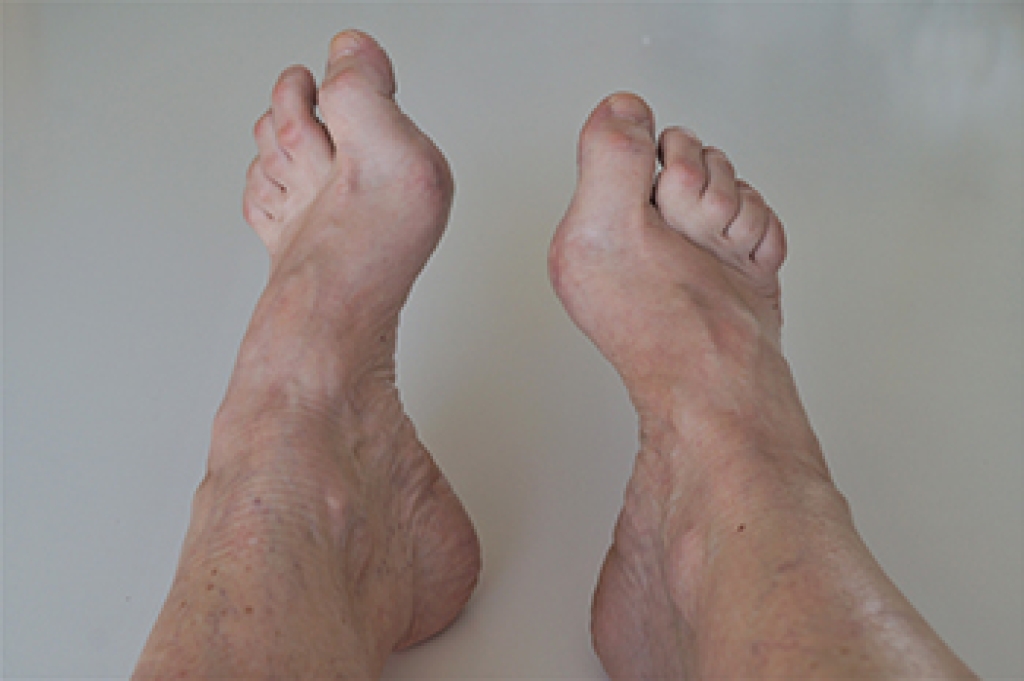
Bunions are bony bumps that form at the base of the big toe as the tip of the toe angles toward the second toe. Bunions are common among women, especially those who wear tight or high-heeled shoes, and older adults, whose joints may naturally weaken over time. Symptoms include pain, swelling, and redness surrounding the affected area, with the bunion becoming more noticeable as it grows. The condition can make walking uncomfortable and cause difficulty fitting into shoes. The primary cause of bunions is abnormal foot mechanics, often made worse by wearing ill-fitting shoes or having a family history of the condition. Arthritis or other joint conditions can also contribute to bunion development. A podiatrist can help by offering custom orthotics, padding, or shoe modifications to alleviate pain. In severe cases, surgery may be prescribed to correct the deformity. If you are have a painful bunion, it is suggested that you schedule an appointment with a podiatrist.

If you are suffering from bunion pain, contact Rahil Baxamusa, DPM of Illinois. Our doctor can provide the care you need to keep you pain-free and on your feet.

What Is a Bunion?

Bunions are painful bony bumps that usually develop on the inside of the foot at the joint of the big toe. As the deformity increases over time, it may become painful to walk and wear shoes. Women are more likely to exacerbate existing bunions since they often wear tight, narrow shoes that shift their toes together. Bunion pain can be relieved by wearing wider shoes with enough room for the toes.

Causes

  • Genetics – some people inherit feet that are more prone to bunion development
  • Inflammatory Conditions - rheumatoid arthritis and polio may cause bunion development

Symptoms

  • Redness and inflammation
  • Pain and tenderness
  • Callus or corns on the bump
  • Restricted motion in the big toe

In order to diagnose your bunion, your podiatrist may ask about your medical history, symptoms, and general health. Your doctor might also order an x-ray to take a closer look at your feet. Nonsurgical treatment options include orthotics, padding, icing, changes in footwear, and medication. If nonsurgical treatments don’t alleviate your bunion pain, surgery may be necessary.

If you have any questions, please feel free to contact our office located in Crystal Lake, IL . We offer the newest diagnostic and treatment technologies for all your foot care needs.
Read more about What Are Bunions?

Symptoms and Treatment of High Arched Feet

High arches, or cavus foot, can cause significant pain due to the excessive pressure placed on the heel and the ball of the foot. People with high arches may experience pain when walking or standing, calluses from uneven weight distribution, curled toes, and ankle instability. Without proper support, high arches can contribute to an unsteady gait, increasing the risk of ankle sprains. A podiatrist may recommend custom orthotics to improve foot alignment and provide cushioning, foot pads to relieve pressure, or ankle braces to enhance stability. If non-surgical methods do not alleviate symptoms, surgery may be considered. For instance, a tendon transfer can help balance muscle function, while an osteotomy may be used to realign bones. In more severe cases, the plantar fascia can be partially cut to reduce arch tension and relieve pain caused by excessive tightness. Another option is fusing two or more bones in the foot to create a more stable structure. If you have high arches that cause discomfort, it is suggested that you schedule an appointment with a podiatrist for an exam, diagnosis, and treatment options, which may include surgery.

If you have any concerns about your feet, contact Rahil Baxamusa, DPM from Illinois. Our doctor can provide the care you need to keep you pain-free and on your feet.

Biomechanics in Podiatry

Podiatric biomechanics is a particular sector of specialty podiatry with licensed practitioners who are trained to diagnose and treat conditions affecting the foot, ankle and lower leg. Biomechanics deals with the forces that act against the body, causing an interference with the biological structures. It focuses on the movement of the ankle, the foot and the forces that interact with them.

A History of Biomechanics

  • Biomechanics dates back to the BC era in Egypt where evidence of professional foot care has been recorded.
  • In 1974, biomechanics gained a higher profile from the studies of Merton Root, who claimed that by changing or controlling the forces between the ankle and the foot, corrections or conditions could be implemented to gain strength and coordination in the area.

Modern technological improvements are based on past theories and therapeutic processes that provide a better understanding of podiatric concepts for biomechanics. Computers can provide accurate information about the forces and patterns of the feet and lower legs.

Understanding biomechanics of the feet can help improve and eliminate pain, stopping further stress to the foot.

If you have any questions please feel free to contact our office located in Crystal Lake, IL . We offer the newest diagnostic and treatment technologies for all your foot and ankle needs.

Read more about The Importance of Biomechanics in Podiatry

Conditions That Can Cause Heel Pain

Pain on the bottom of the heel, also termed plantar heel pain, can make walking and standing difficult. Such heel pain is often caused by plantar fasciitis, which is the inflammation of the thick band of tissue along the bottom of the foot. Other causes include heel fat pad atrophy, stress fractures in the heel bone, nerve entrapment, or systemic conditions like rheumatoid arthritis. Symptoms of plantar heel pain include sharp or aching pain that is often worse in the morning or after prolonged standing. A podiatrist can diagnose the condition through a physical examination and imaging tests, such as X-rays, ultrasounds, or MRI scans.Treatment options include custom orthotics, footwear modifications, or medical interventions such as corticosteroid injections to reduce inflammation and pain. If symptoms persist, surgery may be considered to address any structural issues in the foot. If you are experiencing pain on the bottom of your heel, it is suggested that you schedule an appointment with a podiatrist for an exam, diagnosis, and treatment.

Many people suffer from bouts of heel pain. For more information, contact Rahil Baxamusa, DPM of Illinois. Our doctor can provide the care you need to keep you pain-free and on your feet.

Causes of Heel Pain

Heel pain is often associated with plantar fasciitis. The plantar fascia is a band of tissues that extends along the bottom of the foot. A rip or tear in this ligament can cause inflammation of the tissue.

Achilles tendonitis is another cause of heel pain. Inflammation of the Achilles tendon will cause pain from fractures and muscle tearing. Lack of flexibility is also another symptom.

Heel spurs are another cause of pain. When the tissues of the plantar fascia undergo a great deal of stress, it can lead to ligament separation from the heel bone, causing heel spurs.

Why Might Heel Pain Occur?

  • Wearing ill-fitting shoes                
  • Wearing non-supportive shoes
  • Weight change           
  • Excessive running

Treatments

Heel pain should be treated as soon as possible for immediate results. Keeping your feet in a stress-free environment will help. If you suffer from Achilles tendonitis or plantar fasciitis, applying ice will reduce the swelling. Stretching before an exercise like running will help the muscles. Using all these tips will help make heel pain a condition of the past.

If you have any questions, please feel free to contact our office located in Crystal Lake, IL . We offer the newest diagnostic and treatment technologies for all your foot care needs.
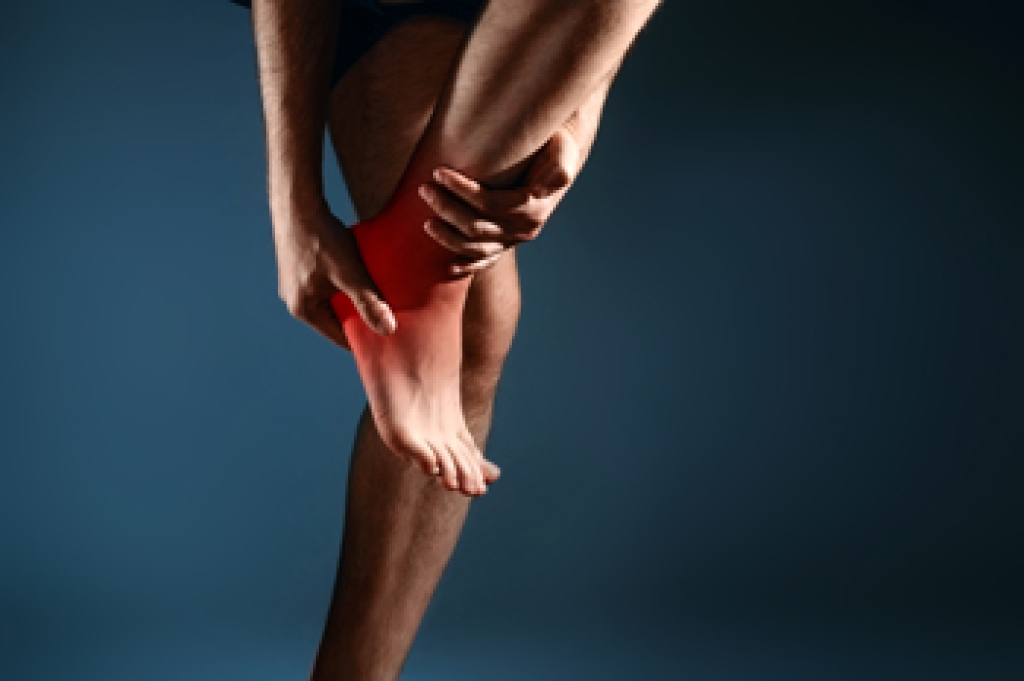
Read more about Heel Pain

Do Your Child's Feet Hurt?

Have your child's feet been examined lately? Healthy feet are happy feet. If your child is complaining of foot pain, it may be a sign of underlying problems.

Are Orthotics Right for You?

Custom orthotics can help alleviate foot pain, improve alignment, and support mobility, but not everyone needs them. If you are experiencing persistent discomfort, instability, or issues related to gait, a podiatrist can determine if orthotics are the right solution. Before your appointment, take note of your symptoms, when they occur, and what activities make them worse. Bring your most frequently worn shoes and any previous orthotics if you have them. Your podiatrist will assess your foot structure, walking pattern, and overall biomechanics, and  may recommend custom orthotics tailored to your needs. Be prepared to discuss your lifestyle, activity level, and any underlying conditions like diabetes or arthritis that may impact your foot health. If you are having foot problems, it is suggested that you visit a podiatrist for an evaluation and treatment options, which may include orthotics.

If you are having discomfort in your feet and would like to try orthotics, contact Rahil Baxamusa, DPM from Illinois. Our doctor can provide the care you need to keep you pain-free and on your feet.

What Are Orthotics?

Orthotics are inserts you can place into your shoes to help with a variety of foot problems such as flat feet or foot pain. Orthotics provide relief and comfort for minor foot and heel pain but can’t correct serious biomechanical problems in your feet.

Over-the-Counter Inserts

Orthotics come in a wide variety of over-the-counter inserts that are used to treat foot pain, heel pain, and minor problems. For example, arch supports can be inserted into your shoes to help correct overarched or flat feet, while gel insoles are often used because they provide comfort and relief from foot and heel pain by alleviating pressure.

Prescription Orthotics

If over-the-counter inserts don’t work for you or if you have a more severe foot concern, it is possible to have your podiatrist prescribe custom orthotics. These high-quality inserts are designed to treat problems such as abnormal motion, plantar fasciitis, and severe forms of heel pain. They can even be used to help patients suffering from diabetes by treating foot ulcers and painful calluses and are usually molded to your feet individually, which allows them to provide full support and comfort.

If you are experiencing minor to severe foot or heel pain, it’s recommended to speak with your podiatrist about the possibilities of using orthotics. A podiatrist can determine which type of orthotic is right for you and allow you to take the first steps towards being pain-free.

If you have any questions, please feel free to contact our office located in Crystal Lake, IL . We offer the newest diagnostic and treatment technologies for all your foot care needs.

Read more about Foot Orthotics

Connect With Us