
Heel pain can negatively affect your day-to-day life. Simple activities like walking can become incredibly uncomfortable or painful due to heel pain.
Don’t live with heel pain and get treated.
Heel pain can negatively affect your day-to-day life. Simple activities like walking can become incredibly uncomfortable or painful due to heel pain.
Don’t live with heel pain and get treated.
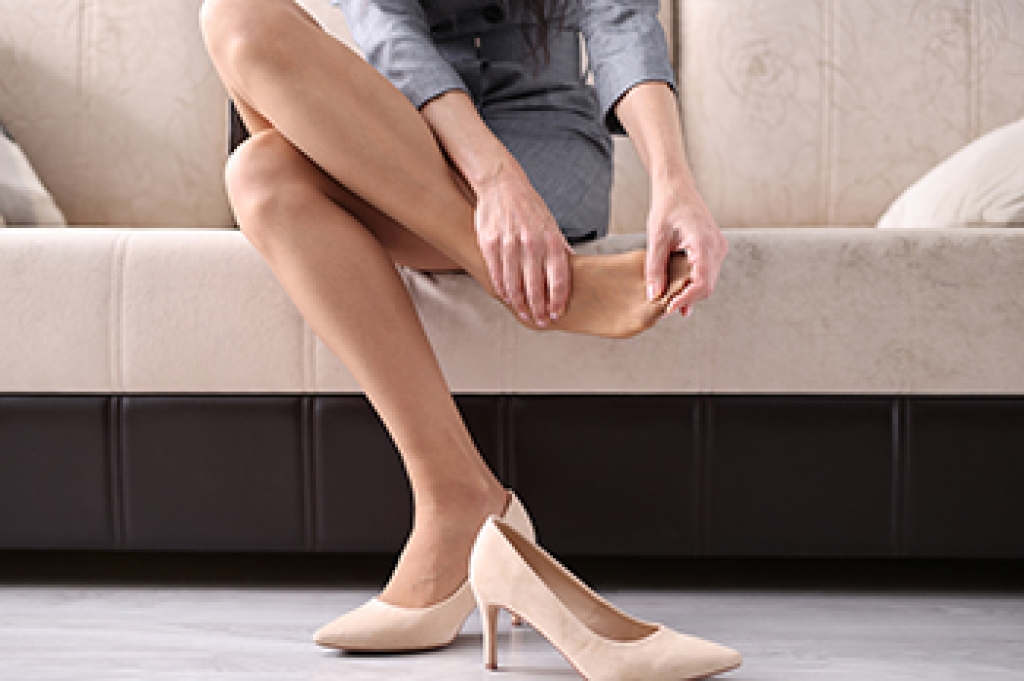
Many women enjoy wearing high heels for the style. Studies have even indicated that women who frequently wear high heels have sensed a renewed confidence level, in addition gaining a few inches in height. Despite these seemingly positive aspects, high heels can be uncomfortable, possibly causing painful foot conditions. These types of shoes come in various shapes and colors, and it is possible that stylish, yet comfortable high heels can be worn. This can be done by choosing a shoe that has a lower heel and a platform under the toe, which can be successful in giving the illusion of wearing a larger heel. The chunky heel, also known as the block heel, is a popular choice among women who wear high heels for the majority of the day. The feet often feel better in these types of shoes, and harmful foot conditions may be prevented. If you have questions about what type of high heel is best to wear for the health of the foot, please ask a podiatrist who can provide you with the information you are seeking.
High heels have a history of causing foot and ankle problems. If you have any concerns about your feet or ankles, contact Rahil Baxamusa, DPM from Illinois. Our doctor can provide the care you need to keep you pain-free and on your feet.
Effects of High Heels on the Feet
High heels are popular shoes among women because of their many styles and societal appeal. Despite this, high heels can still cause many health problems if worn too frequently.
Which Parts of My Body Will Be Affected by High Heels?
What Kinds of Foot Problems Can Develop from Wearing High Heels?
How Can I Still Wear High Heels and Maintain Foot Health?
If you want to wear high heeled shoes, make sure that you are not wearing them every day, as this will help prevent long term physical problems. Try wearing thicker heels as opposed to stilettos to distribute weight more evenly across the feet. Always make sure you are wearing the proper shoes for the right occasion, such as sneakers for exercising. If you walk to work, try carrying your heels with you and changing into them once you arrive at work. Adding inserts to your heels can help cushion your feet and absorb shock. Full foot inserts or metatarsal pads are available.
If you have any questions, please feel free to contact our office located in Crystal Lake, IL . We offer the newest diagnostic and treatment technologies for all your foot care needs.
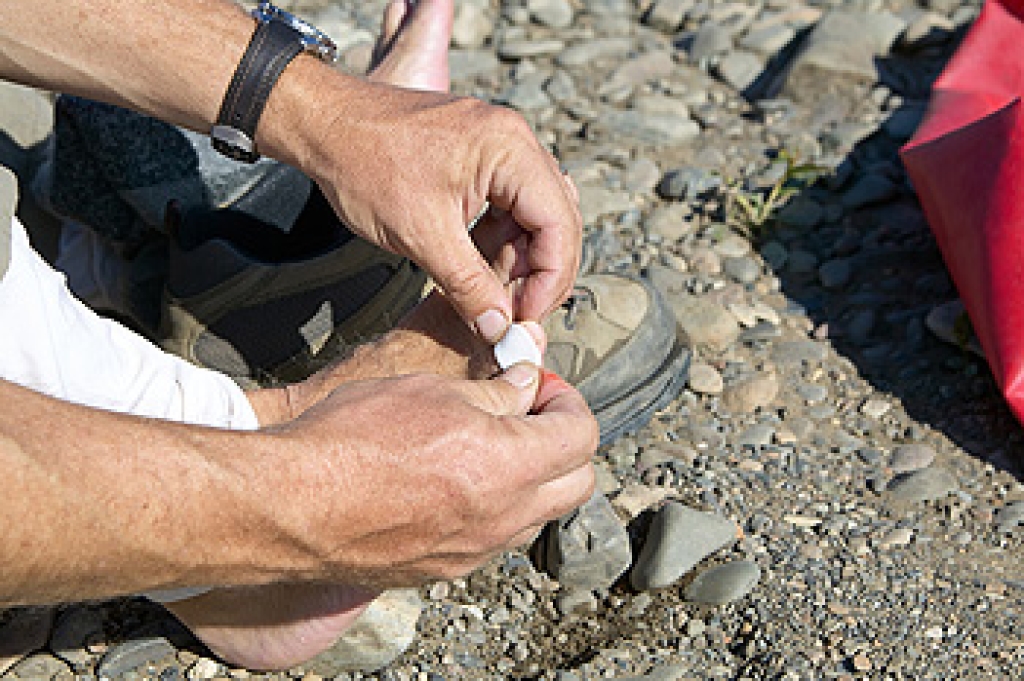
Blisters on the feet are common. Many people experience this uncomfortable condition as a result of wearing shoes that do not fit correctly. Blisters are caused by excessive friction, and may easily become infected if not cared for properly. A blister is defined as a small area, which resembles a bubble that is filled with fluid and develops over the raw skin. It is the body’s natural method of protecting the area until new skin has formed, and will drain gradually when it is no longer needed. While the blister is intact, it is beneficial to wear a protective covering over it, which may help to keep it from draining prematurely. Blisters can form for other reasons, including existing medical conditions, such as eczema or psoriasis, or they can occur as an allergic reaction to an insect bite. There are various types of bandages and prevention methods for blisters, and it is suggested to consult with a podiatrist if you would like to learn more about how to manage blisters on the feet.
Blisters may appear as a single bubble or in a cluster. They can cause a lot of pain and may be filled with pus, blood, or watery serum. If your feet are hurting, contact Rahil Baxamusa, DPM of Illinois. Our doctor can provide the care you need to keep you pain-free and on your feet.
Foot Blisters
Foot blisters are often the result of friction. This happens due to the constant rubbing from shoes, which can lead to pain.
What Are Foot Blisters?
A foot blister is a small fluid-filled pocket that forms on the upper-most layer of the skin. Blisters are filled with clear fluid and can lead to blood drainage or pus if the area becomes infected.
Symptoms
(Blister symptoms may vary depending on what is causing them)
Prevention & Treatment
In order to prevent blisters, you should be sure to wear comfortable shoes with socks that cushion your feet and absorb sweat. Breaking a blister open may increase your chances of developing an infection. However, if your blister breaks, you should wash the area with soap and water immediately and then apply a bandage to the affected area. If your blisters cause severe pain it is important that you call your podiatrist right away.
If you have any questions, please feel free to contact our office located in Crystal Lake, IL . We offer the newest diagnostic and treatment technologies for all your foot care needs.
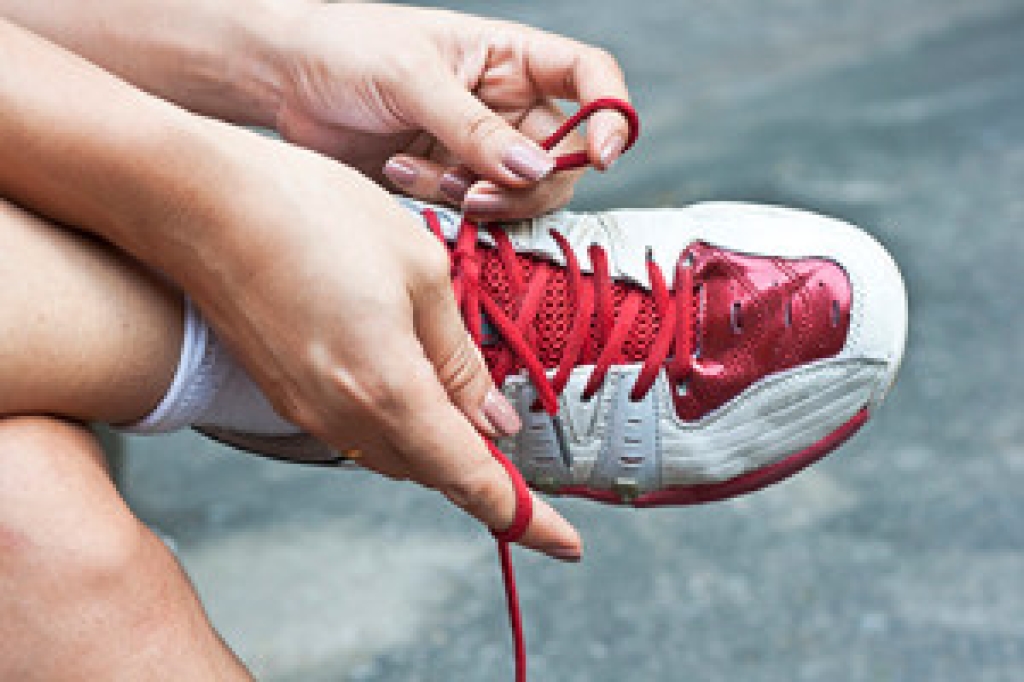
There are various forms of running and most require a specific type of running shoe to be worn. Running can range from training for a marathon to a new hobby. Studies suggest that it is beneficial to begin the process of purchasing running shoes by examining the wear patterns on existing shoes. A person who pronates normally will often notice wear and tear on the sole where the ball of the foot is. If there is excessive wear on the inside of the sole, the runner may have overpronation. Conversely, wear on the outside of the sole can indicate underpronation, and knowing these patterns can make it easier to choose running shoes that fit correctly. Additionally, it is beneficial to decide what surface you will be running on, such as trail, road, or treadmill running. Buying running shoes can be overwhelming, so it is suggested that you confer with a podiatrist who can provide additional information as well as their recommendation for you.
If you are a runner, wearing the right running shoe is essential. For more information, contact Rahil Baxamusa, DPM from Illinois. Our doctor can provide the care you need to keep you pain-free and on your feet.
Choosing the Right Running Shoe for Your Foot Type
To increase performance and avoid the risk of injury, it is important to choose the right running shoe based on your foot type. The general design of running shoes revolves around pronation, which is how the ankle rolls from outside to inside when the foot strikes the ground.
If you have any questions, please feel free to contact our office located in Crystal Lake, IL . We offer the newest diagnostic and treatment technologies for all your foot care needs.

When an individual breaks a bone in their feet, they will develop a condition that is known as a fractured foot. A fractured, or broken, foot can make it significantly difficult to put weight on the foot, and a patient may experience pain or discomfort. Often, patients with a fractured foot want to know if they are able to wear their normal shoes or when it is appropriate to do so. Unfortunately, there is no definite or universal answer to this question, as each case of fractured feet is highly specific and unique to each individual. However, as a general rule, someone who fractures their foot might have to wear some kind of medical boot or cast on the affected foot for some time after an injury. During this time, it might not be advisable to wear normal shoes. Although recovery time may vary from case to case, generally, foot fractures may take a few months to fully heal. To get treatment for a fractured foot, contact a podiatrist today.
A broken foot requires immediate medical attention and treatment. If you need your feet checked, contact Rahil Baxamusa, DPM from Illinois. Our doctor can provide the care you need to keep you pain-free and on your feet.
Broken Foot Causes, Symptoms, and Treatment
A broken foot is caused by one of the bones in the foot typically breaking when bended, crushed, or stretched beyond its natural capabilities. Usually the location of the fracture indicates how the break occurred, whether it was through an object, fall, or any other type of injury.
Common Symptoms of Broken Feet:
Those that suspect they have a broken foot shoot seek urgent medical attention where a medical professional could diagnose the severity.
Treatment for broken bones varies depending on the cause, severity and location. Some will require the use of splints, casts or crutches while others could even involve surgery to repair the broken bones. Personal care includes the use of ice and keeping the foot stabilized and elevated.
If you have any questions, please feel free to contact our office located in Crystal Lake, IL . We offer the newest diagnostic and treatment technologies for all your foot care needs.
Connect With Us
