
Heel pain can negatively affect your day-to-day life. Simple activities like walking can become incredibly uncomfortable or painful due to heel pain.
Don’t live with heel pain and get treated.
Heel pain can negatively affect your day-to-day life. Simple activities like walking can become incredibly uncomfortable or painful due to heel pain.
Don’t live with heel pain and get treated.

A podiatrist plays an essential role in managing and treating various foot conditions, ensuring optimal foot health and function. These specialized medical professionals are trained to diagnose and treat ailments ranging from common issues like plantar warts, bunions, and heel pain to more complex conditions like diabetic foot complications and arthritis. Podiatrists also address sports injuries, ingrown toenails, and foot deformities. By employing a combination of medical treatments, and surgical interventions, they tailor care plans to individual needs. Their expertise extends to preventive measures and advice on proper footwear, contributing to overall foot health and mobility. Regular consultations with a podiatrist can significantly enhance the quality of life by addressing foot problems effectively and preventing further complications. If you are experiencing any type of foot pain, it is suggested that you promptly schedule an appointment with a podiatrist who can offer effective treatment solutions.
If you are dealing with pain in your feet and ankles, you may want to seek help from a podiatrist. Feel free to contact Rahil Baxamusa, DPM from Illinois. Our doctor can provide the care you need to keep you pain-free and on your feet.
What Is a Podiatrist?
A podiatrist is a doctor of podiatric medicine who diagnoses and treats conditions of the foot, ankle, and related structures of the leg. Your podiatrist may specialize in a certain field such as sports medicine, wound care, pediatrics, and diabetic care. Podiatrists have the ability to become board certified through training, clinical experience, and then taking an exam.
What Do Podiatrists Do?
On a daily basis, a podiatrist may perform the following activities:
It is very important that you take care of your feet. It’s easy to take having healthy feet for granted, however foot problems tend to be among the most common health conditions. Podiatrists can help diagnose and treat a variety of feet related conditions, so it is crucial that you visit one if you need assistance.
If you have any questions, please feel free to contact our office located in Crystal Lake, IL . We offer the newest diagnostic and treatment technologies for all your foot care needs.

Minimally invasive foot and ankle surgery offers significant benefits compared to traditional open surgery. This approach involves making smaller incisions, which allows surgeons to correct deformities or address injuries with minimal disruption to the surrounding tissues. The reduced trauma to the foot and ankle leads to less postoperative pain, smaller scars, and faster recovery times. One of the major advantages of minimally invasive surgery is the quicker return to normal activities, as patients often experience shorter recovery periods and fewer complications, like infections or wound healing issues. Additionally, this technique minimizes the impact on the patient’s overall foot structure, preserving more of the natural anatomy and reducing the need for extensive rehabilitation. If you are facing the need for foot or ankle surgery, it is suggested that you consult a podiatrist to see if a minimally invasive surgical technique is correct for you.
Foot surgery is sometimes necessary to treat a foot ailment. To learn more, contact Rahil Baxamusa, DPM of Illinois. Our doctor will assist you with all of your foot and ankle needs.
When Is Surgery Necessary?
Foot and ankle surgery is generally reserved for cases in which less invasive, conservative procedures have failed to alleviate the problem. Some of the cases in which surgery may be necessary include:
What Types of Surgery Are There?
The type of surgery you receive will depend on the nature of the problem you have. Some of the possible surgeries include:
Benefits of Surgery
Although surgery is usually a last resort, it can provide more complete pain relief compared to non-surgical methods and may allow you to finally resume full activity.
Surgical techniques have also become increasingly sophisticated. Techniques like endoscopic surgery allow for smaller incisions and faster recovery times.
If you have any questions, please feel free to contact our office located in Crystal Lake, IL . We offer the newest diagnostic and treatment technologies for all your foot care needs.

Pain and burning sensations in the Achilles tendon often stem from various causes related to overuse and strain. Repetitive activities, especially those involving running or jumping, can lead to inflammation known as Achilles tendinitis. This condition arises when the tendon, connecting the calf muscles to the heel bone, becomes irritated from excessive stress. Another common issue is Achilles tendinosis, where chronic degeneration of the tendon tissue causes discomfort and a burning feeling. Tight calf muscles and wearing improper footwear can also contribute to tendon pain. To address these issues, it is vital to rest the affected area, and incorporate stretching exercises to improve flexibility. If you have pain in your calf, it is suggested that you consult a podiatrist who can accurately diagnose Achilles tendon injuries, and offer effective treatment methods.
Achilles tendon injuries need immediate attention to avoid future complications. If you have any concerns, contact Rahil Baxamusa, DPM of Illinois. Our doctor can provide the care you need to keep you pain-free and on your feet.
What Is the Achilles Tendon?
The Achilles tendon is a tendon that connects the lower leg muscles and calf to the heel of the foot. It is the strongest tendon in the human body and is essential for making movement possible. Because this tendon is such an integral part of the body, any injuries to it can create immense difficulties and should immediately be presented to a doctor.
What Are the Symptoms of an Achilles Tendon Injury?
There are various types of injuries that can affect the Achilles tendon. The two most common injuries are Achilles tendinitis and ruptures of the tendon.
Achilles Tendinitis Symptoms
Rupture Symptoms
Treatment and Prevention
Achilles tendon injuries are diagnosed by a thorough physical evaluation, which can include an MRI. Treatment involves rest, physical therapy, and in some cases, surgery. However, various preventative measures can be taken to avoid these injuries, such as:
If you have any questions please feel free to contact our office located in Crystal Lake, IL . We offer the newest diagnostic tools and technology to treat your foot and ankle needs.

When home treatments fail to alleviate the pain and discomfort of an ingrown toenail, surgical intervention may become necessary. A podiatrist plays an essential role in diagnosing the severity of the ingrown toenail and recommending the most suitable treatment. Surgery for ingrown toenails is generally reserved for severe cases, especially if there's an infection or if the individual has a condition, like diabetes, that complicates healing. One common surgical procedure is the wedge resection, where a portion of the toenail is removed to prevent it from growing into the skin. In more extreme cases, a total toenail removal might be performed, which involves the complete removal of the nail to prevent recurrence. Another option, matrixectomy, involves the removal of the nail bed to stop future nail growth altogether. These procedures are typically performed under local anesthesia, allowing for quick recovery. After ingrown toenail surgery, maintaining a clean and dry wound is essential to prevent infection. If you have an ingrown toenail that is causing extreme pain, it is suggested that you make an appointment with a podiatrist to find out if surgery is needed.
Ingrown toenails may initially present themselves as a minor discomfort, but they may progress into an infection in the skin without proper treatment. For more information about ingrown toenails, contact Rahil Baxamusa, DPM of Illinois. Our doctor can provide the care you need to keep you pain-free and on your feet.
Ingrown Toenails
Ingrown toenails are caused when the corner or side of a toenail grows into the soft flesh surrounding it. They often result in redness, swelling, pain, and in some cases, infection. This condition typically affects the big toe and may recur if it is not treated properly.
Causes
You are more likely to develop an ingrown toenail if you are obese, have diabetes, arthritis, or have any fungal infection in your nails. Additionally, people who have foot or toe deformities are at a higher risk of developing an ingrown toenail.
Symptoms
Some symptoms of ingrown toenails are redness, swelling, and pain. In rare cases, there may be a yellowish drainage coming from the nail.
Treatment
Ignoring an ingrown toenail can have serious complications. Infections of the nail border can progress to a deeper soft-tissue infection, which can then turn into a bone infection. You should always speak with your podiatrist if you suspect you have an ingrown toenail, especially if you have diabetes or poor circulation.
If you have any questions, please feel free to contact our office located in Crystal Lake, IL . We offer the newest diagnostic and treatment technologies for all your foot care needs.

Ingrown toenails can be painful and can make wearing shoes or walking uncomfortable. Seek professional help if you believe you've developed an ingrown toenail and be treated safely.

Morning heel pain can disrupt your day before it even begins, often stemming from conditions such as plantar fasciitis or Achilles tendinitis. Plantar fasciitis is caused by irritation of the thick ligament on the bottom of the foot. It leads to stiffness or pain, especially noticeable in the morning. Achilles tendinitis involves inflammation of the tendon that connects the calf muscle to the heel, causing persistent discomfort. Other factors like stress fractures, rheumatoid arthritis, or hypothyroidism can also contribute to morning heel pain. A podiatrist can conduct an examination to accurately diagnose the cause of morning heel pain. Specialized treatments, such as custom orthotics or targeted exercises may be suggested to address the issue. This foot doctor can also provide advice on footwear and preventive measures to avoid recurrence. If you are experiencing heel pain in the morning, it is suggested that you schedule an appointment with a podiatrist for an exam, diagnosis, and treatment.
Many people suffer from bouts of heel pain. For more information, contact Rahil Baxamusa, DPM of Illinois. Our doctor can provide the care you need to keep you pain-free and on your feet.
Causes of Heel Pain
Heel pain is often associated with plantar fasciitis. The plantar fascia is a band of tissues that extends along the bottom of the foot. A rip or tear in this ligament can cause inflammation of the tissue.
Achilles tendonitis is another cause of heel pain. Inflammation of the Achilles tendon will cause pain from fractures and muscle tearing. Lack of flexibility is also another symptom.
Heel spurs are another cause of pain. When the tissues of the plantar fascia undergo a great deal of stress, it can lead to ligament separation from the heel bone, causing heel spurs.
Why Might Heel Pain Occur?
Treatments
Heel pain should be treated as soon as possible for immediate results. Keeping your feet in a stress-free environment will help. If you suffer from Achilles tendonitis or plantar fasciitis, applying ice will reduce the swelling. Stretching before an exercise like running will help the muscles. Using all these tips will help make heel pain a condition of the past.
If you have any questions, please feel free to contact our office located in Crystal Lake, IL . We offer the newest diagnostic and treatment technologies for all your foot care needs.

Diabetes can cause nerve damage and impair wound healing in the feet, leading to serious complications like ulcers. Proper foot care is essential for diabetics to maintain foot health. This includes always wearing well-fitting shoes to prevent injuries, even indoors, where unnoticed cuts can occur. Daily foot inspections are important in order to detect any abnormalities, such as abrasions or discolorations early. Promptly seeking care from a podiatrist for any concerning signs can prevent minor issues from escalating into ulcerated wounds, or gangrene. By prioritizing foot health with these proactive measures, diabetics can significantly reduce the risk of complications and ensure their feet remain healthy and functional. For detailed information on diabetic foot care as well as regular foot checkups, it is suggested you make an appointment with a podiatrist.
Diabetic foot care is important in preventing foot ailments such as ulcers. If you are suffering from diabetes or have any other concerns about your feet, contact Rahil Baxamusa, DPM from Illinois. Our doctor can provide the care you need to keep you pain-free and on your feet.
Diabetic Foot Care
Diabetes affects millions of people every year. The condition can damage blood vessels in many parts of the body, especially the feet. Because of this, taking care of your feet is essential if you have diabetes, and having a podiatrist help monitor your foot health is highly recommended.
The Importance of Caring for Your Feet
Patients with diabetes should have their doctor monitor their blood levels, as blood sugar levels play such a huge role in diabetic care. Monitoring these levels on a regular basis is highly advised.
It is always best to inform your healthcare professional of any concerns you may have regarding your feet, especially for diabetic patients. Early treatment and routine foot examinations are keys to maintaining proper health, especially because severe complications can arise if proper treatment is not applied.
If you have any questions, please feel free to contact our office located in Crystal Lake, IL . We offer the newest diagnostic and treatment technologies for all your foot care needs.
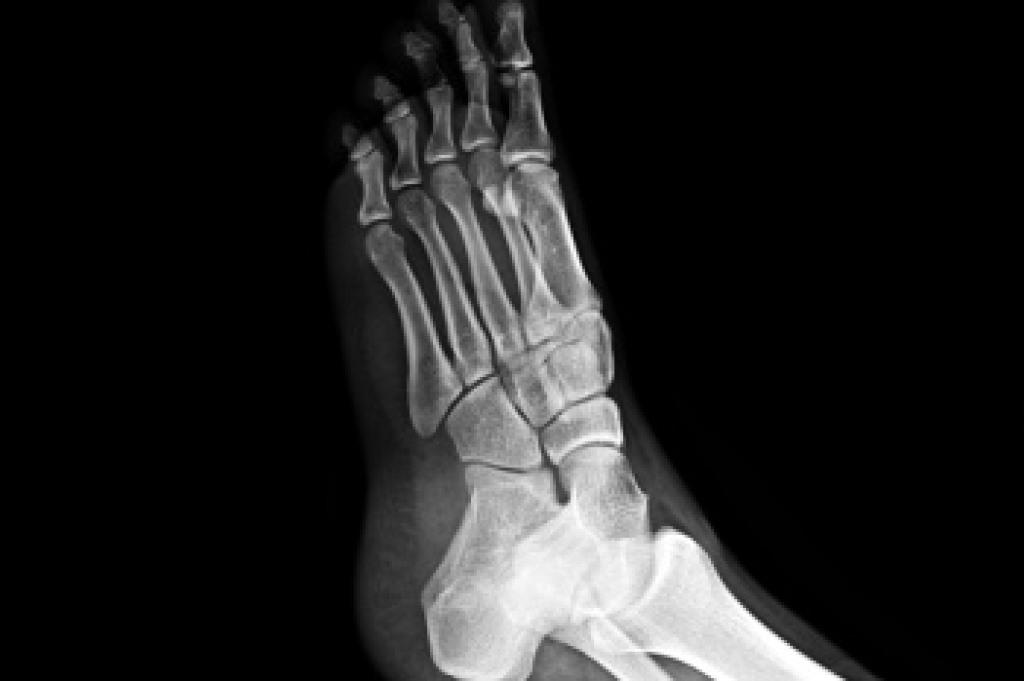
A metatarsal stress fracture is a tiny crack in one of the long bones of the foot, often caused by repetitive stress or overuse during activities like running or jumping. Symptoms include localized pain, swelling, and tenderness that worsens with activity. Preventing metatarsal stress fractures involves gradually increasing activity levels, wearing supportive footwear, and incorporating rest days into your exercise routine. Proper warm-up and stretching before activities can also reduce the risk. Treatment typically includes rest, icing the affected area, and using orthotics or supportive footwear to relieve pressure on the foot. In severe cases, immobilization with a cast or walking boot may be necessary. A podiatrist can conduct a thorough evaluation, possibly using imaging studies, and recommend appropriate treatments to promote healing and prevent further injury. Early intervention can speed up recovery and prevent long-term complications. If you suspect a metatarsal stress fracture or experience persistent foot pain, it is suggested that you make an appointment with a podiatrist.
Foot Pain
Foot pain can be extremely painful and debilitating. If you have a foot pain, consult with Rahil Baxamusa, DPM from Illinois. Our doctor will assess your condition and provide you with quality foot and ankle treatment.
Causes
Foot pain is a very broad condition that could be caused by one or more ailments. The most common include:
Diagnosis
To figure out the cause of foot pain, podiatrists utilize several different methods. This can range from simple visual inspections and sensation tests to X-rays and MRI scans. Prior medical history, family medical history, and any recent physical traumatic events will all be taken into consideration for a proper diagnosis.
Treatment
Treatment depends upon the cause of the foot pain. Whether it is resting, staying off the foot, or having surgery; podiatrists have a number of treatment options available for foot pain.
If you have any questions, please feel free to contact our office located in Crystal Lake, IL . We offer the newest diagnostic and treatment technologies for all your foot care needs.
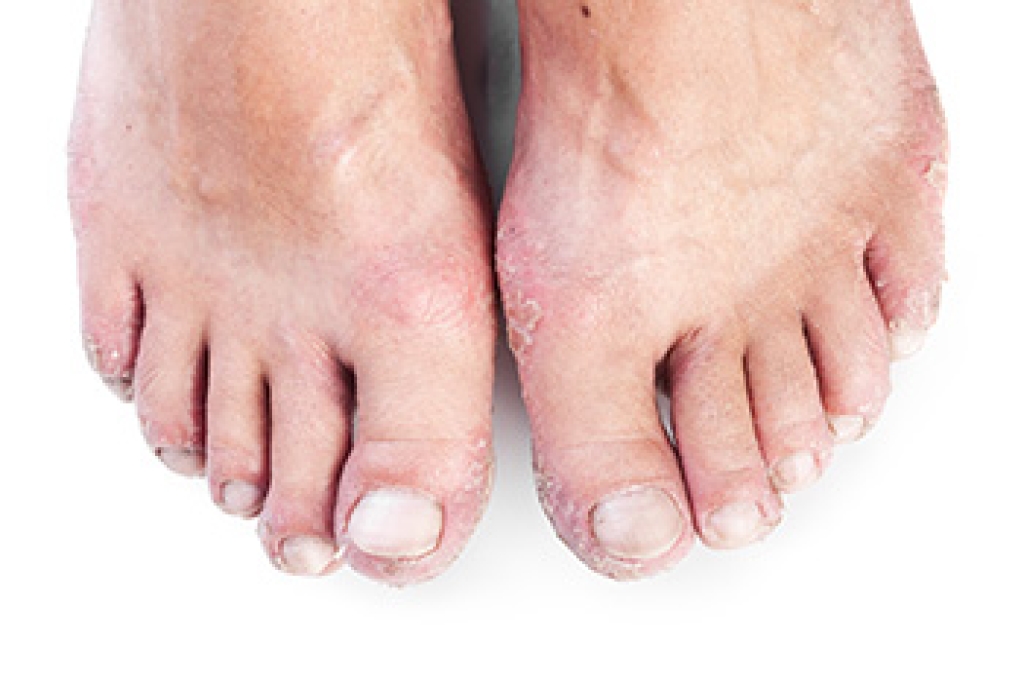 Psoriatic arthritis, or PsA, can significantly affect the feet, leading to symptoms like swelling, soreness, and stiffness. Walking or standing for prolonged periods may become uncomfortable, and shoes might feel tight due to swelling. Common issues resulting from psoriatic arthritis can include swelling of the ankle and big toe, plantar fasciitis, and pain in the Achilles tendon. Symptoms can fluctuate, so it is important to monitor and address them early. This can help to prevent long-term problems, such as an elongated big toe and stiff toe joints. A podiatrist can play a key role in managing symptoms of psoriatic arthritis by providing a treatment plan, which may include specific exercises and stretches that protect and maintain joint flexibility. A podiatrist also can recommend proper footwear and prescribe custom shoe orthotics to relieve pressure and offer stability. If you are experiencing foot pain resulting from psoriatic arthritis, it is suggested that you schedule an appointment with a podiatrist for an exam, diagnosis, and treatment options.
Arthritis can be a difficult condition to live with. If you are seeking treatment, contact Rahil Baxamusa, DPM from Illinois. Our doctor can provide the care you need to keep you pain-free and on your feet.
Arthritic Foot Care
Arthritis is a term that is commonly used to describe joint pain. The condition itself can occur to anyone of any age, race, or gender, and there are over 100 types of it. Nevertheless, arthritis is more commonly found in women compared to men, and it is also more prevalent in those who are overweight. The causes of arthritis vary depending on which type of arthritis you have. Osteoarthritis for example, is often caused by injury, while rheumatoid arthritis is caused by a misdirected immune system.
Symptoms
Arthritic symptoms range in severity, and they may come and go. Some symptoms stay the same for several years but could potentially get worse with time. Severe cases of arthritis can prevent its sufferers from performing daily activities and make walking difficult.
Risk Factors
If you suspect your arthritis is affecting your feet, it is crucial that you see a podiatrist immediately. Your doctor will be able to address your specific case and help you decide which treatment method is best for you.
If you have any questions please feel free to contact our office located in Crystal Lake, IL . We offer the newest diagnostic tools and technology to treat your foot and ankle needs.
Connect With Us
