What Is Plantar Fasciitis?

Plantar fasciitis is a foot condition that causes pain in the heel and along the bottom of the foot. It occurs when the plantar fascia, a thick band of tissue that connects the heel bone to the toes, becomes inflamed. The primary symptom of plantar fasciitis is sharp heel pain, especially when taking the first steps in the morning or after prolonged sitting. The pain may decrease after walking but can return after long periods of standing or physical activity. Common causes of plantar fasciitis include overuse, poor footwear, tight calf muscles, and abnormal foot mechanics, such as flat feet or high arches. Additionally, obesity, aging, and activities that place excessive pressure on the feet, like running or standing for long hours, can increase the risk of developing this painful condition. Plantar fasciitis can cause pain and discomfort, and it may be difficult to complete daily activities. If you have heel pain, it is suggested that you consult a podiatrist who can provide an accurate diagnosis and treatment.

Plantar fasciitis is a common foot condition that is often caused by a strain injury. If you are experiencing heel pain or symptoms of plantar fasciitis, contact Rahil Baxamusa, DPM from Illinois. Our doctor can provide the care you need to keep you pain-free and on your feet.

What Is Plantar Fasciitis?

Plantar fasciitis is one of the most common causes of heel pain. The plantar fascia is a ligament that connects your heel to the front of your foot. When this ligament becomes inflamed, plantar fasciitis is the result. If you have plantar fasciitis you will have a stabbing pain that usually occurs with your first steps in the morning. As the day progresses and you walk around more, this pain will start to disappear, but it will return after long periods of standing or sitting.

What Causes Plantar Fasciitis?

  • Excessive running
  • Having high arches in your feet
  • Other foot issues such as flat feet
  • Pregnancy (due to the sudden weight gain)
  • Being on your feet very often

There are some risk factors that may make you more likely to develop plantar fasciitis compared to others. The condition most commonly affects adults between the ages of 40 and 60. It also tends to affect people who are obese because the extra pounds result in extra stress being placed on the plantar fascia.

Prevention

  • Take good care of your feet – Wear shoes that have good arch support and heel cushioning.
  • Maintain a healthy weight
  • If you are a runner, alternate running with other sports that won’t cause heel pain

There are a variety of treatment options available for plantar fasciitis along with the pain that accompanies it. Additionally, physical therapy is a very important component in the treatment process. It is important that you meet with your podiatrist to determine which treatment option is best for you.

If you have any questions, please feel free to contact our office located in Crystal Lake, IL . We offer the newest diagnostic and treatment technologies for all your foot care needs.

 

Read more about Plantar Fasciitis

Risk Factors for Falls in Older Adults and How to Prevent Them

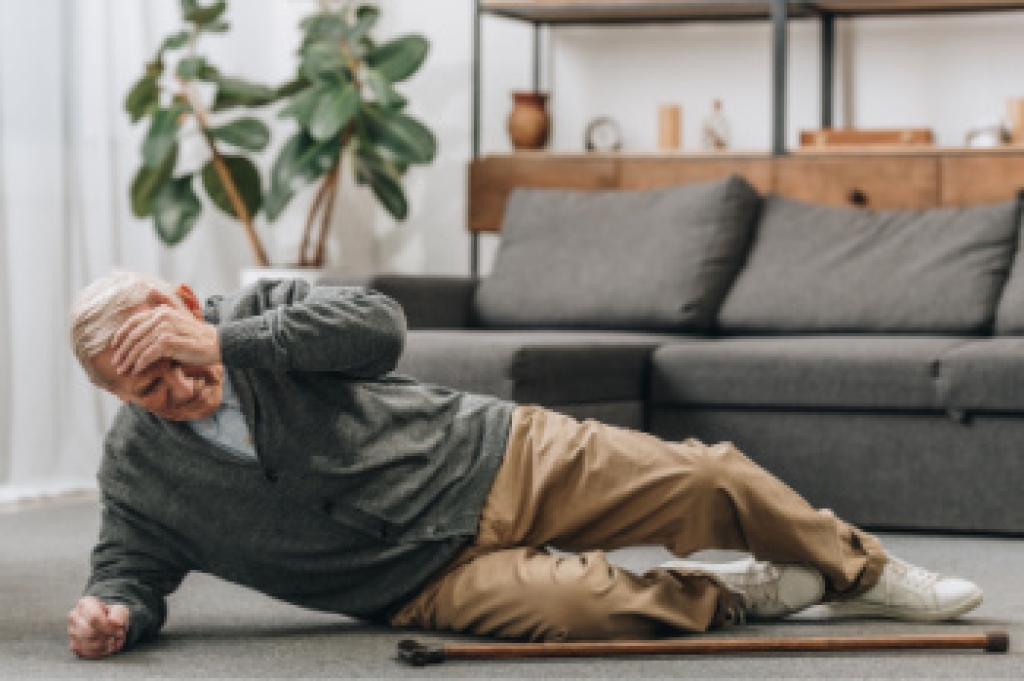
Falls are a significant concern for older adults, as they can lead to serious injuries and a decline in overall health. Several risk factors contribute to falls in this age group, including a fear of falling, which can limit mobility and lead to a decline in physical activity. Loss of strength and balance also increases the risk of falling, as muscles weaken with age. Poor vision, medications that cause dizziness, and environmental hazards such as slippery floors or poor lighting further elevate the risk. To prevent falls, older adults should engage in strength and balance exercises to maintain mobility and flexibility. Wearing proper footwear with a good grip can also help prevent slips. Removing hazards from the home, such as rugs or clutter, and installing grab bars in key areas can make the living environment safer. Regular eye exams and medication reviews are also important in reducing fall risks. If you have sustained a foot injury from falling, it is suggested that you consult a podiatrist who can offer you effective relief and treatment solutions, and guide you on successful fall prevention tips.

Preventing falls among the elderly is very important. If you are older and have fallen or fear that you are prone to falling, consult with Rahil Baxamusa, DPM from Illinois. Our doctor will assess your condition and provide you with quality advice and care.

Every 11 seconds, an elderly American is being treated in an emergency room for a fall related injury. Falls are the leading cause of head and hip injuries for those 65 and older. Due to decreases in strength, balance, senses, and lack of awareness, elderly persons are very susceptible to falling. Thankfully, there are a number of things older persons can do to prevent falls.

How to Prevent Falls

Some effective methods that older persons can do to prevent falls include:

  • Enrolling in strength and balance exercise program to increase balance and strength
  • Periodically having your sight and hearing checked
  • Discuss any medications you have with a doctor to see if it increases the risk of falling
  • Clearing the house of falling hazards and installing devices like grab bars and railings
  • Utilizing a walker or cane
  • Wearing shoes that provide good support and cushioning
  • Talking to family members about falling and increasing awareness

Falling can be a traumatic and embarrassing experience for elderly persons; this can make them less willing to leave the house, and less willing to talk to someone about their fears of falling. Doing such things, however, will increase the likelihood of tripping or losing one’s balance. Knowing the causes of falling and how to prevent them is the best way to mitigate the risk of serious injury.  

If you have any questions, please feel free to contact our office located in Crystal Lake, IL . We offer the newest diagnostic and treatment technologies for all your foot care needs.
Read more about Falls Prevention

Pickleball Injuries

Pickleball is a favorite among older adults, but its rapid pace and quick movements often lead to lower extremity injuries, particularly in older male players. Ankle sprains and strains are among the most common, caused by twisting during sudden stops or changes in direction. These injuries can result in swelling, pain, and limited mobility, requiring rest and proper support to heal. Achilles tendon ruptures are another frequent issue, especially during powerful lunges or quick sprints. This injury, which often begins with a sharp pain or a snapping sensation, may require surgical intervention for a full recovery. Wearing supportive footwear, warming up, and strengthening the lower legs can help minimize these risks. If you experience persistent pain or an injury from playing pickleball, it is suggested that you consult a podiatrist to explore effective treatment options and prevent further complications.

Ankle and foot injuries are common among athletes and in many sports. They can be caused by several problems and may be potentially serious. If you are feeling pain or think you were injured in a sporting event or when exercising, consult with Rahil Baxamusa, DPM from Illinois. Our doctor will assess your condition and provide you with quality foot and ankle treatment.

Common Injuries

The most common injuries that occur in sporting activities include:

  • Achilles Tendonitis
  • Achilles Tendon Rupture
  • Ankle Sprains
  • Broken Foot
  • Plantar Fasciitis
  • Stress Fractures
  • Turf Toe

Symptoms

Symptoms vary depending upon the injury and in some cases, there may be no symptoms at all. However, in most cases, some form of symptom is experienced. Pain, aching, burning, bruising, tenderness, tightness or stiffness, sensation loss, difficulty moving, and swelling are the most common symptoms.

Treatment

Just as symptoms vary depending upon the injury, so do treatment options. A common treatment method is known as the RICE method. This method involves rest, applying ice, compression and elevating the afflicted foot or ankle. If the injury appears to be more serious, surgery might be required, such as arthroscopic or reconstructive surgery. Lastly, rehabilitation or therapy might be needed to gain full functionality in the afflicted area. Any discomfort experienced by an athlete must be evaluated by a licensed, reputable medical professional.  

If you have any questions please contact our office located in Crystal Lake, IL . We offer the newest diagnostic and treatment technologies for all your foot and ankle needs.

Read more about Sports Related Foot and Ankle Injuries

The Structure of the Foot

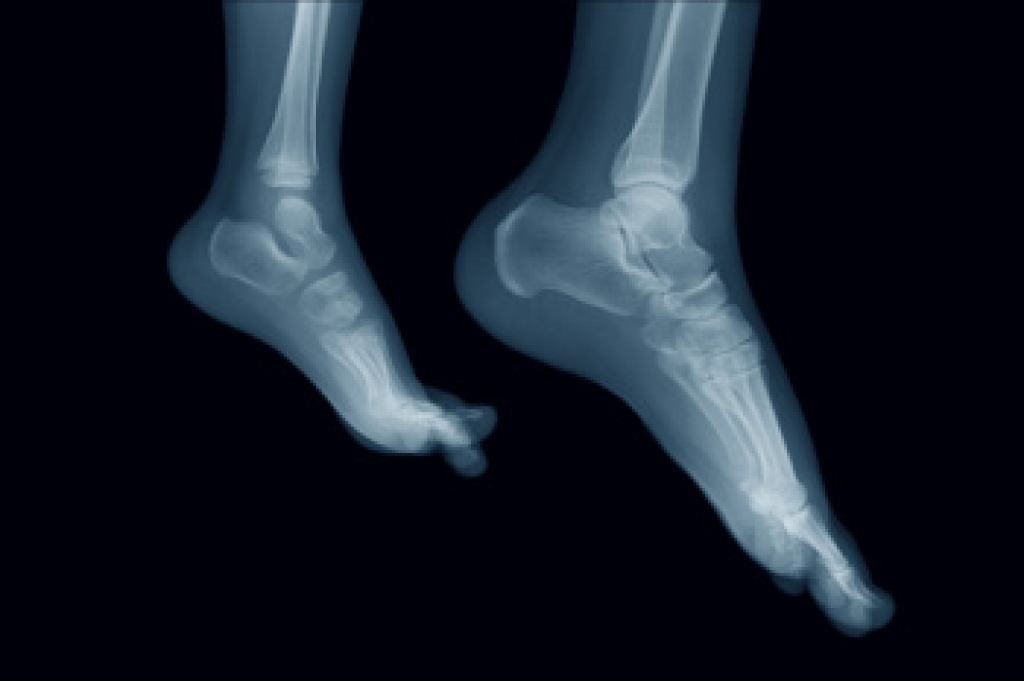
The foot is a complex structure made up of 26 bones, including the calcaneus, or heel bone, which provides support and acts as a lever for walking. The tarsal bones, located in the midfoot, connect with the metatarsals, forming the arches that absorb shock and provide stability. Numerous ligaments hold these bones together, ensuring proper alignment and movement. The foot contains several joints that allow for flexibility and motion, including the subtalar joint, which enables the foot to rotate. Tendons such as the Achilles tendon, which connects the calf muscles to the heel, play a vital role in movement, allowing for walking, running, and jumping. These structures work in harmony to support the body’s weight, provide balance, and allow for a wide range of motions, ensuring efficient and pain-free movement. If you have foot pain, it is suggested that you consult a podiatrist who can treat various foot conditions, and educate you on foot anatomy.

If you have any concerns about your feet, contact Rahil Baxamusa, DPM from Illinois. Our doctor can provide the care you need to keep you pain-free and on your feet.

Biomechanics in Podiatry

Podiatric biomechanics is a particular sector of specialty podiatry with licensed practitioners who are trained to diagnose and treat conditions affecting the foot, ankle and lower leg. Biomechanics deals with the forces that act against the body, causing an interference with the biological structures. It focuses on the movement of the ankle, the foot and the forces that interact with them.

A History of Biomechanics

  • Biomechanics dates back to the BC era in Egypt where evidence of professional foot care has been recorded.
  • In 1974, biomechanics gained a higher profile from the studies of Merton Root, who claimed that by changing or controlling the forces between the ankle and the foot, corrections or conditions could be implemented to gain strength and coordination in the area.

Modern technological improvements are based on past theories and therapeutic processes that provide a better understanding of podiatric concepts for biomechanics. Computers can provide accurate information about the forces and patterns of the feet and lower legs.

Understanding biomechanics of the feet can help improve and eliminate pain, stopping further stress to the foot.

If you have any questions please feel free to contact our office located in Crystal Lake, IL . We offer the newest diagnostic and treatment technologies for all your foot and ankle needs.

Read more about The Importance of Biomechanics in Podiatry

Heel Pain Can Be Treated!

Do you suffer from heel pain when you get up in the morning? If so, you should seek professional help and have a proper diagnosis performed. Heel pain can be caused by several different foot-related conditions.

Connect With Us