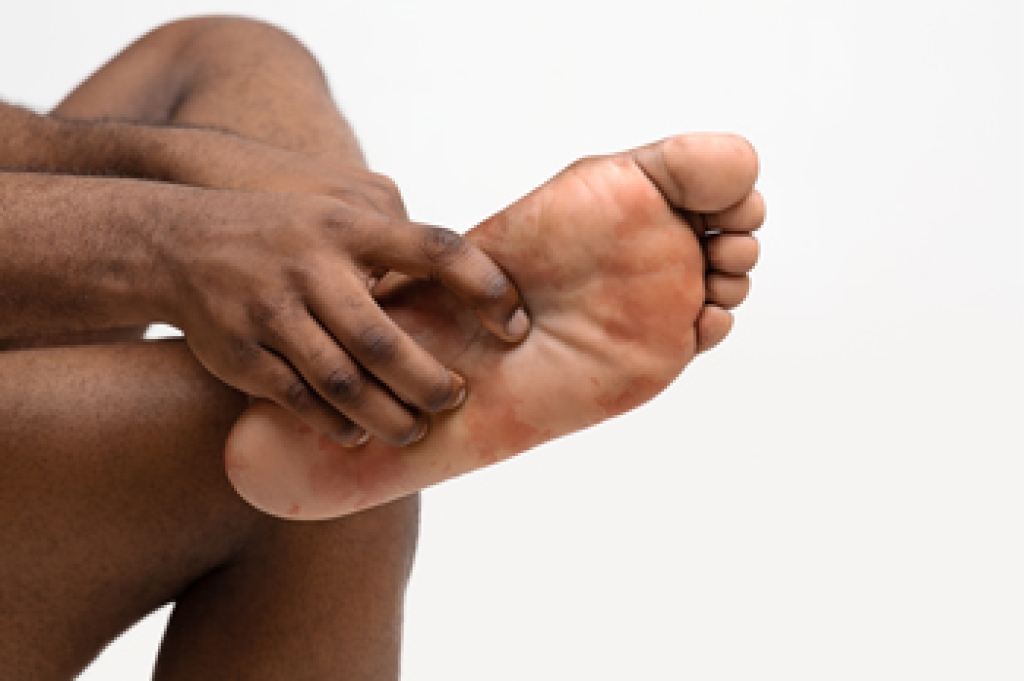
How Diabetes Can Cause Foot Pain

Diabetes can lead to foot pain through several complications that affect nerves, blood vessels, and bone structure. Nerve pain, known as diabetic neuropathy, occurs when prolonged high blood sugar damages the nerves, causing tingling, burning, or numbness in the feet. This condition reduces sensation, increasing the risk of unnoticed injuries and infections. Charcot foot is another serious complication where weakened bones in the foot fracture easily, leading to deformity and instability. Poor circulation from peripheral artery disease reduces blood flow to the feet, slowing healing and increasing the risk of ulcers. Without proper care, these complications can worsen, leading to severe infections or limb loss. If you have diabetes and are experiencing foot pain, it is strongly suggested that you are under the care of a podiatrist who can offer treatment and foot pain relief tips.

Foot Pain

Foot pain can be extremely painful and debilitating. If you have a foot pain, consult with Rahil Baxamusa, DPM from Illinois. Our doctor will assess your condition and provide you with quality foot and ankle treatment.

Causes

Foot pain is a very broad condition that could be caused by one or more ailments. The most common include:

  • Bunions
  • Hammertoes
  • Plantar Fasciitis
  • Bone Spurs
  • Corns
  • Tarsal Tunnel Syndrome
  • Ingrown Toenails
  • Arthritis (such as Gout, Rheumatoid, and Osteoarthritis)
  • Flat Feet
  • Injury (from stress fractures, broken toe, foot, ankle, Achilles tendon ruptures, and sprains)
  • And more

Diagnosis

To figure out the cause of foot pain, podiatrists utilize several different methods. This can range from simple visual inspections and sensation tests to X-rays and MRI scans. Prior medical history, family medical history, and any recent physical traumatic events will all be taken into consideration for a proper diagnosis.

Treatment

Treatment depends upon the cause of the foot pain. Whether it is resting, staying off the foot, or having surgery; podiatrists have a number of treatment options available for foot pain.

If you have any questions, please feel free to contact our office located in Crystal Lake, IL . We offer the newest diagnostic and treatment technologies for all your foot care needs.


Read more about Foot Pain

Taking Care of Your Diabetic Feet

Diabetic foot care is essential for anyone with diabetes, as high blood sugar can lead to nerve damage, called neuropathy, and poor circulation. These issues make it harder to feel injuries or detect infections, which can lead to serious complications, if untreated. Symptoms include numbness, tingling, or a burning sensation in the feet. You might also notice cuts, blisters, or ulcers that heal slowly, along with swelling or redness. If left untreated, infections can worsen, leading to more severe conditions, including limb loss. To prevent complications, daily foot inspections are critical. It is important to look for cuts, sores, or swelling. Keep your feet clean and dry, wear properly fitted shoes, and avoid tight socks. Controlling your blood sugar and avoiding smoking can improve circulation. A podiatrist can help with regular foot exams and early detection of wounds or ulcers. This foot doctor also can provide treatment for existing issues like wound care or prescribe custom orthotics for better foot alignment. For comprehensive diabetic foot care, it is suggested that you schedule an appointment with a podiatrist.

Diabetic foot care is important in preventing foot ailments such as ulcers. If you are suffering from diabetes or have any other concerns about your feet, contact Rahil Baxamusa, DPM from Illinois. Our doctor can provide the care you need to keep you pain-free and on your feet.

Diabetic Foot Care

Diabetes affects millions of people every year. The condition can damage blood vessels in many parts of the body, especially the feet. Because of this, taking care of your feet is essential if you have diabetes, and having a podiatrist help monitor your foot health is highly recommended.

The Importance of Caring for Your Feet

  • Routinely inspect your feet for bruises or sores.
  • Wear socks that fit your feet comfortably.
  • Wear comfortable shoes that provide adequate support.

Patients with diabetes should have their doctor monitor their blood levels, as blood sugar levels play such a huge role in diabetic care. Monitoring these levels on a regular basis is highly advised.

It is always best to inform your healthcare professional of any concerns you may have regarding your feet, especially for diabetic patients. Early treatment and routine foot examinations are keys to maintaining proper health, especially because severe complications can arise if proper treatment is not applied.

If you have any questions, please feel free to contact our office located in Crystal Lake, IL . We offer the newest diagnostic and treatment technologies for all your foot care needs.

Read more about How to Care for Diabetic Foot

Men and Women’s Running Shoes

When selecting running shoes, both men and women should consider their specific needs, such as the type of running they do and their foot structure. For those who run on roads or hard surfaces, cushioned running shoes are ideal as they provide ample shock absorption. Trail runners, on the other hand, benefit from shoes with more grip and durability, designed to handle uneven terrain. Stability shoes are great for individuals with mild overpronation, offering support to keep the foot aligned while running. Neutral shoes are suited for runners with a natural gait, offering flexibility and comfort. For both men and women, finding the right fit is essential, as wearing improper shoes can lead to discomfort or injury. Factors like arch height, foot shape, and running style should guide the decision. If you have endured a foot injury from running, it is suggested that you consult a podiatrist who can offer effective relief and treatment tips, and guide you the right type of running shoes to wear.

If you are a runner, wearing the right running shoe is essential. For more information, contact Rahil Baxamusa, DPM from Illinois. Our doctor can provide the care you need to keep you pain-free and on your feet.

Choosing the Right Running Shoe for Your Foot Type

To increase performance and avoid the risk of injury, it is important to choose the right running shoe based on your foot type. The general design of running shoes revolves around pronation, which is how the ankle rolls from outside to inside when the foot strikes the ground.

  • Neutral runners are able to choose from a wide variety of shoes, including minimalist shoes or even going barefoot.
  • Runners who overpronate, or experience an over-abundance of ankle rolling, should choose shoes that provide extra motion control and stability.
  • Runners who underpronate, or supinate, have feet that have high arches and lack flexibility, preventing shock absorption. They require shoes with more flexibility and cushion.

If you have any questions, please feel free to contact our office located in Crystal Lake, IL . We offer the newest diagnostic and treatment technologies for all your foot care needs.

Read more about Choosing the Right Running Shoe for Your Foot Type

Wounds That Don't Heal Need to Be Checked

Your feet are covered most of the day. If you're diabetic, periodic screening is important for good health. Numbness is often a sign of diabetic foot and can mask a sore or wound.

Preventing Foot Conditions from Running

Running is an excellent form of exercise, but it can lead to various foot conditions if proper care is not taken. Common foot problems such as blisters, plantar fasciitis, and stress fractures can arise from wearing improper footwear, poor running techniques, or lack of foot care. One of the most effective ways to prevent these issues is by choosing the right pair of running shoes that offer proper arch support, cushioning, and a good fit. Regularly replacing worn-out shoes ensures continued support. It is also important to gradually increase running distances to avoid overuse injuries. Stretching before and after runs can help maintain flexibility and prevent muscle strain. Keeping feet dry and using moisture-wicking socks can reduce the risk of blisters and fungal infections. If you have developed foot conditions from running, it is suggested that you consult a podiatrist who can offer you effective relief and treatment methods.

All runners should take extra precaution when trying to avoid injury. If you have any concerns about your feet, contact Rahil Baxamusa, DPM of Illinois. Our doctor will treat your foot and ankle needs.

How to Prevent Running Injuries

There are a lot of mistakes a runner can make prior to a workout that can induce injury. A lot of athletes tend to overstretch before running, instead of saving those workouts for a post-run routine. Deep lunges and hand-to-toe hamstring pulls should be performed after a workout instead of during a warmup. Another common mistake is jumping into an intense routine before your body is physically prepared for it. You should try to ease your way into long-distance running instead of forcing yourself to rush into it.

More Tips for Preventing Injury

  • Incorporate Strength Training into Workouts - This will help improve the body’s overall athleticism
  • Improve and Maintain Your Flexibility – Stretching everyday will help improve overall performance
  • “Warm Up” Before Running and “Cool Down” Afterward – A warm up of 5-10 minutes helps get rid of lactic acid in the muscles and prevents delayed muscle soreness
  • Cross-Training is Crucial
  • Wear Proper Running Shoes
  • Have a Formal Gait Analysis – Poor biomechanics can easily cause injury

If you have any questions, please feel free to contact our office located in Crystal Lake, IL . We offer the newest diagnostic and treatment technologies for all your foot care needs.

Read more about How to Prevent Running Injuries

Connect With Us