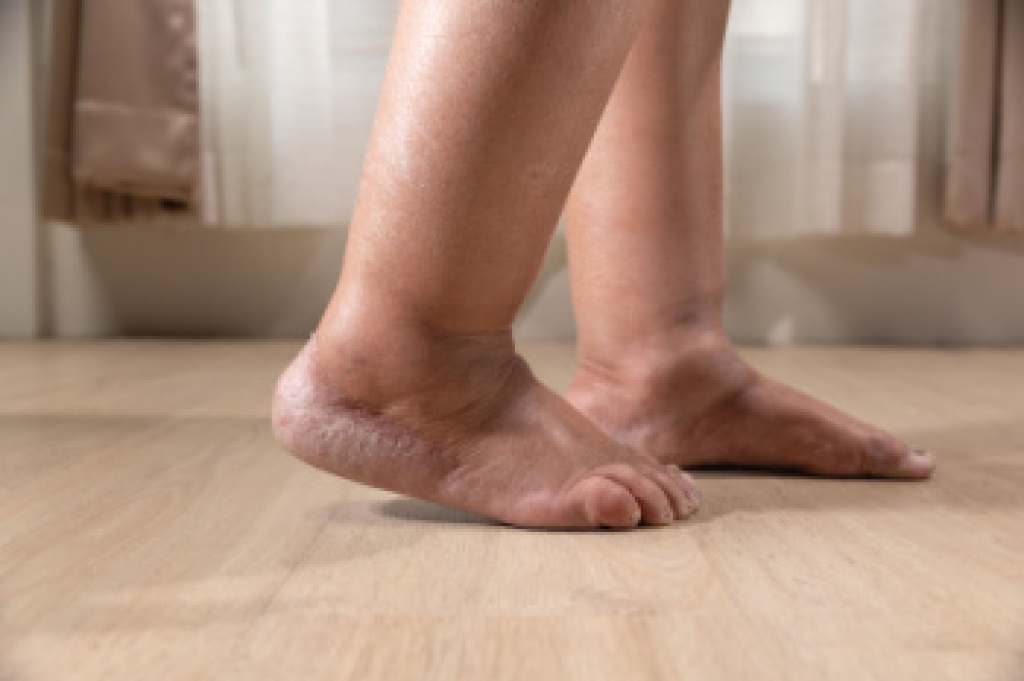
The Importance of Stretching Your Feet and Toes

Flexible feet help support comfortable movement and a steady walking pattern. Each step places pressure on the feet, so their muscles and joints need enough strength and flexibility to handle daily demands. Stiff feet can change the way a person walks. Even small changes in walking can place added stress on the ankles, knees, and hips. The back can also be affected. Limited foot movement can influence balance, while weak foot muscles can make the feet less stable and increase the risk of falls or injuries.

Stretching can help maintain movement in the toes, arches, and surrounding tissues. A big-toe stretch focuses on movement at the joint that plays an important role when pushing off the ground. Calf stretching also affects the foot because tissues from the calf connect to the heel and arch. Toe curls are another movement that can improve flexibility in the toes. Foot strength is important as well. Exercises that involve spreading the toes or rising onto the toes can challenge small foot muscles. However, pain or stiffness can make certain movements difficult and should not be ignored.

A podiatrist can evaluate foot flexibility and determine whether limited movement is connected to pain, joint stiffness, or another foot problem. The examination can include checking toe movement, ankle motion, and the way a patient walks. A podiatrist can identify areas that need greater flexibility or strength and recommend stretches that are appropriate for the patient’s condition. This guidance is especially valuable when an injury or ongoing foot problem affects normal movement. The goal is to support comfortable motion without placing unnecessary strain on painful areas. If your feet are painful or stiff,  it is suggested that you schedule an appointment with a podiatrist for a diagnosis and appropriate treatment.

Stretching the feet is a great way to prevent injuries. If you have any concerns with your feet consult with Rahil Baxamusa, DPM from Illinois. Our doctor will assess your condition and provide you with quality foot and ankle treatment.

Stretching the Feet

Being the backbone of the body, the feet carry your entire weight and can easily become overexerted, causing cramps and pain. As with any body part, stretching your feet can serve many benefits. From increasing flexibility to even providing some pain relief, be sure to give your feet a stretch from time to time. This is especially important for athletes or anyone performing aerobic exercises, but anyone experiencing foot pain or is on their feet constantly should also engage in this practice.

Great ways to stretch your feet:

  • Crossing one leg over the others and carefully pull your toes back. Do 10-20 repetitions and repeat the process for each foot
  • Face a wall with your arms out and hands flat against the wall. Step back with one foot and keep it flat on the floor while moving the other leg forward. Lean towards the wall until you feel a stretch. Hold for 30 seconds and perform 10 repetitions for each foot
  • Be sure not to overextend or push your limbs too hard or you could risk pulling or straining your muscle

Individuals who tend to their feet by regular stretching every day should be able to minimize foot pain and prevent new problems from arising.

If you have any questions please contact our office located in Crystal Lake, IL . We offer the newest diagnostic and treatment technologies for all your foot and ankle needs.

Read more about How to Stretch Your Feet

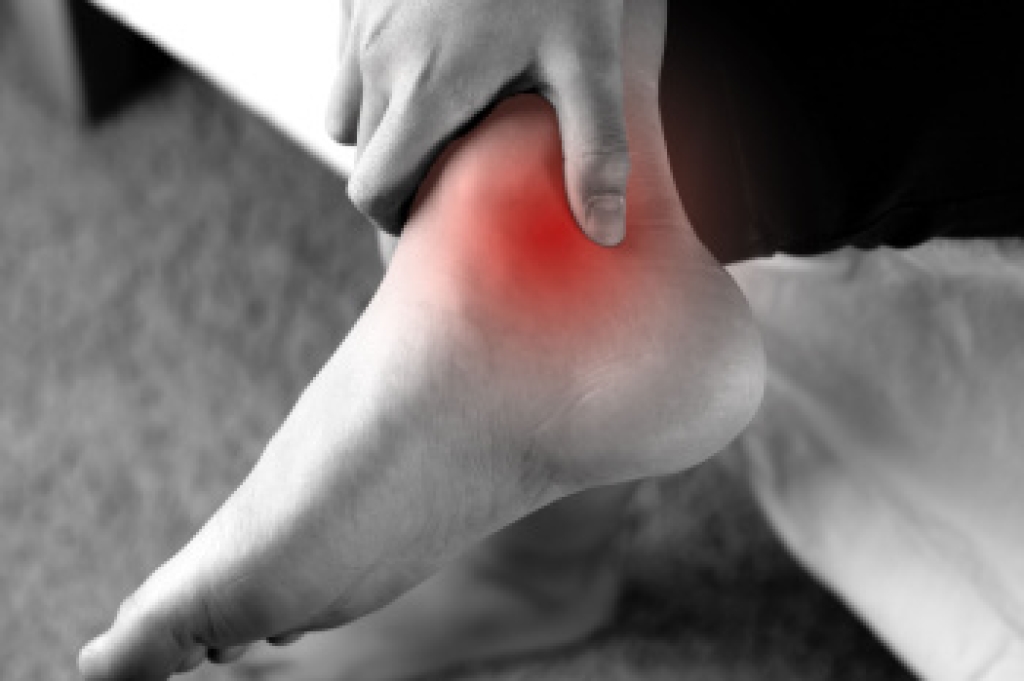
Heel Pain Can Be Treated!

Do you suffer from heel pain when you get up in the morning? If so, you should seek professional help and have a proper diagnosis performed. Heel pain can be caused by several different foot-related conditions.

Ingrown Toenails and Their Causes

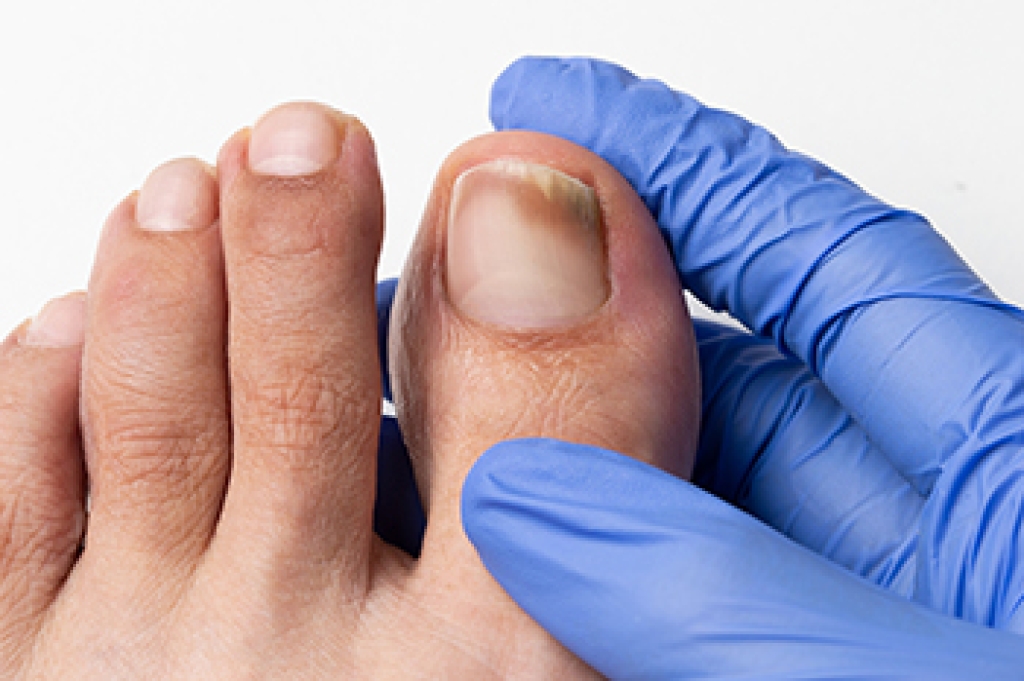
An ingrown toenail occurs when the edge of the nail grows into the surrounding skin instead of over it. This often appears as redness, swelling, and pain along the side of the toe, and it may become tender to touch or pressure from shoes. The condition develops when the nail is cut too short, shaped incorrectly, or when tight footwear pushes the nail into the skin. Risk factors include improper nail trimming, repeated toe trauma, and naturally curved nails. It can also worsen if left untreated, sometimes leading to infection or drainage. People may notice increasing discomfort while walking or wearing closed shoes. A podiatrist can safely treat the ingrown nail, relieve pressure, and prevent recurrence through proper care and guidance. If you have an ingrown toenail, it is suggested that you consult a podiatrist who can effectively treat this condition, which may include partial removal.

Ingrown toenails may initially present themselves as a minor discomfort, but they may progress into an infection in the skin without proper treatment. For more information about ingrown toenails, contact Rahil Baxamusa, DPM of Illinois. Our doctor can provide the care you need to keep you pain-free and on your feet.

Ingrown Toenails

Ingrown toenails are caused when the corner or side of a toenail grows into the soft flesh surrounding it. They often result in redness, swelling, pain, and in some cases, infection. This condition typically affects the big toe and may recur if it is not treated properly.

Causes

  • Improper toenail trimming
  • Genetics
  • Improper shoe fitting
  • Injury from pedicures or nail picking
  • Abnormal gait
  • Poor hygiene

You are more likely to develop an ingrown toenail if you are obese, have diabetes, arthritis, or have any fungal infection in your nails. Additionally, people who have foot or toe deformities are at a higher risk of developing an ingrown toenail.

Symptoms

Some symptoms of ingrown toenails are redness, swelling, and pain. In rare cases, there may be a yellowish drainage coming from the nail.

Treatment

Ignoring an ingrown toenail can have serious complications. Infections of the nail border can progress to a deeper soft-tissue infection, which can then turn into a bone infection. You should always speak with your podiatrist if you suspect you have an ingrown toenail, especially if you have diabetes or poor circulation.

If you have any questions, please feel free to contact our office located in Crystal Lake, IL . We offer the newest diagnostic and treatment technologies for all your foot care needs.

Read more about Ingrown Toenail Care

We Can Treat Your Foot or Ankle Pain

Foot or ankle pain can negatively affect your day-to-day life and can occur due to several different conditions. Pain can also be an indicator of a more serious underlying condition, which is why you should seek professional help as soon as you notice any abnormalities in your feet.

Managing a Bunion

A bunion results when a bony bump forms at the base of the big toe, as the tip of the toe pushes against the other toes. This deformity can cause pain, redness, and swelling. Bunions also make wearing certain shoes uncomfortable while walking or standing for long periods of time. Causes include inherited foot structure, arthritis, and shoes that squeeze the toes together. Some people develop bunions because of poor foot alignment or abnormal walking patterns. A podiatrist can examine the foot, check joint movement, and use X-rays to determine the severity of the bunion. Treatment options include custom orthotics, padding, and wearing supportive shoes with a wider toe box. More advanced bunions may require surgery to straighten the toe joint and improve alignment. Early treatment can help slow the condition and reduce discomfort. If you have pain from a bunion, it is suggested that you schedule an appointment with a podiatrist for effective relief and management tips.

If you are suffering from bunion pain, contact Rahil Baxamusa, DPM of Illinois. Our doctor can provide the care you need to keep you pain-free and on your feet.

What Is a Bunion?

Bunions are painful bony bumps that usually develop on the inside of the foot at the joint of the big toe. As the deformity increases over time, it may become painful to walk and wear shoes. Women are more likely to exacerbate existing bunions since they often wear tight, narrow shoes that shift their toes together. Bunion pain can be relieved by wearing wider shoes with enough room for the toes.

Causes

  • Genetics – some people inherit feet that are more prone to bunion development
  • Inflammatory Conditions - rheumatoid arthritis and polio may cause bunion development

Symptoms

  • Redness and inflammation
  • Pain and tenderness
  • Callus or corns on the bump
  • Restricted motion in the big toe

In order to diagnose your bunion, your podiatrist may ask about your medical history, symptoms, and general health. Your doctor might also order an x-ray to take a closer look at your feet. Nonsurgical treatment options include orthotics, padding, icing, changes in footwear, and medication. If nonsurgical treatments don’t alleviate your bunion pain, surgery may be necessary.

If you have any questions, please feel free to contact our office located in Crystal Lake, IL . We offer the newest diagnostic and treatment technologies for all your foot care needs.
Read more about Bunions

Connect With Us